



Traditional Oriental Accent Chairs
Traditional oriental accent chairs bring centuries of distinct seating design into modern spaces through enduring forms.
Traditional Oriental Accent Chairs
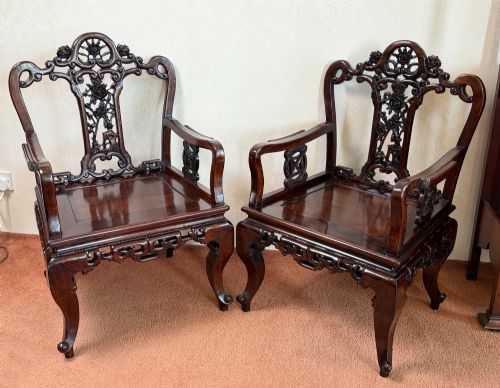
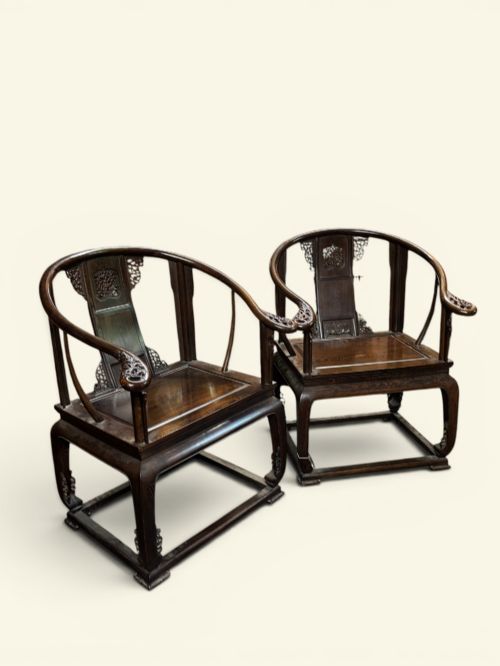
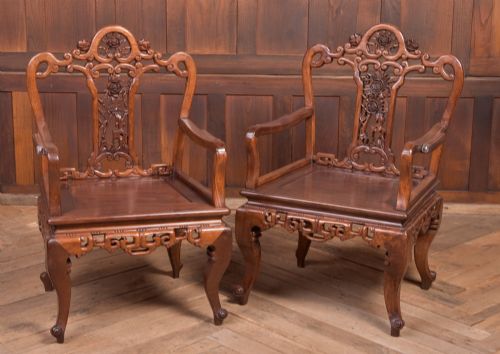
Traditional oriental accent chairs encompass a variety of seating forms originating primarily from Chinese dynasties and export periods, spanning the nineteenth century into the early twentieth century. Buyers seeking these pieces encounter armchairs, side chairs, hall chairs, and slipper chairs shaped by historical woodworking traditions.
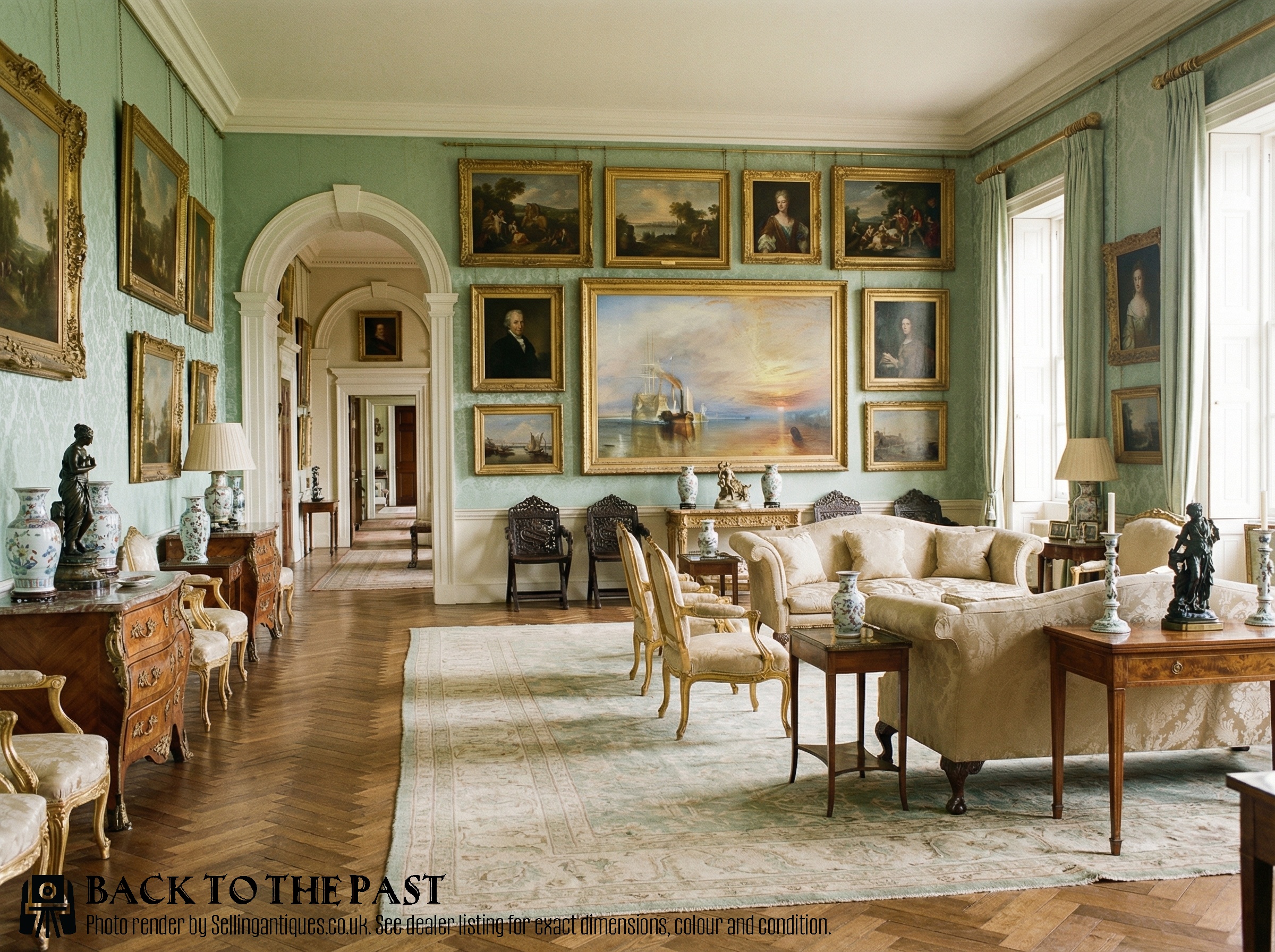
Originating from distinct periods including eighteen-eighty, nineteen-hundred, and the wider nineteenth century, these seats function as striking focal points in contemporary rooms. The forms range from simple elm constructs to heavily carved hardwood and lacquered finishes.
Materials and Construction
Craftsmen utilised resilient native timbers, predominantly elm and heavy hardwoods such as hongmu and rosewood, ensuring structural longevity through sophisticated joinery that often avoided metal fasteners. Frames frequently incorporated curved components like horseshoe backs and yoke rails steam-bent or carved from single sections of wood.
Surface treatments introduced distinct visual character through applied red lacquer, painted details, and intricate brass inlay embedded directly into the wooden frame. Canework and woven cane seating inserts added textural contrast to rigid timber structures on specific chair types.
Traditional Oriental Accent Chairs Retail Price Guide 2026
Typical asking prices for traditional oriental accent chairs among the pieces listed under this phrase on Sellingantiques today, from the lower quarter to the upper quarter. They describe what is for sale here now, not the wider market.
Among the scholarly elm and heavy hardwoods sit folding armchairs and Indian wedding seats, proving ancestors took their comfort surprisingly seriously.
Assessing Quality and Execution
The integrity of the carved detail and the density of the chosen timber define the upper tier of these chairs, separating standard utility pieces from fine scholarly examples. Hardwoods like hongmu and rosewood demand superior carving skill compared to softer elm variants.
The preservation of original lacquer, painted surfaces, and brass inlays dictates the distinction between well-maintained antiques and heavily restored or altered examples. Structural tightness in traditional joinery without excessive modern reinforcement remains crucial to authenticity.
The Traditional Oriental Accent Chairs Glossary
- Horseshoe-Back Armchair
- A chair style featuring a continuous curved crestrail that sweeps forward to form the armrests. This ergonomic design dates back centuries in Chinese woodworking.
- Yoke-Back Chair
- A traditional seating form characterised by a top crestrail that resembles an ox yoke with upturned ends. Scholars and officials favoured these upright chairs for their posture-supporting geometry.
- Lacquer
- A durable resin finish applied in multiple layers to seal and decorate wooden surfaces. Red and black variants frequently appear on period Asian seating.
- Cane
- Strips of woven rattan or plant material utilised for lightweight seat panels. This technique offers flexible support within a rigid wooden frame.
Traditional Oriental Accent Chairs: Frequently Asked Questions
What is a yoke-back scholars chair?
A yoke-back scholars chair is an upright wooden seat featuring a curved top rail with distinctive projecting ends resembling an animal yoke. Scholars used these for formal seating.
The vertical splat is typically shaped to support the spine comfortably during long periods of reading or writing.
Are these chairs suitable for daily use?
Most traditional oriental accent chairs constructed from hardwoods or dense elm possess robust frames capable of handling regular seating. Care should be taken with delicate lacquer and cane panels.
Placing them away from direct heat sources helps preserve the ancient timber and prevent splitting in modern indoor environments.
How do I date a traditional Chinese chair?
Dating relies on examining the timber species, joinery execution, wear patterns, and surface finishes such as period lacquer or brass inlay. Nineteenth-century examples often show distinct patination.
Stylistic markers tied to Qing Dynasty production provide further chronological context for specific armchair and hall chair variants.