

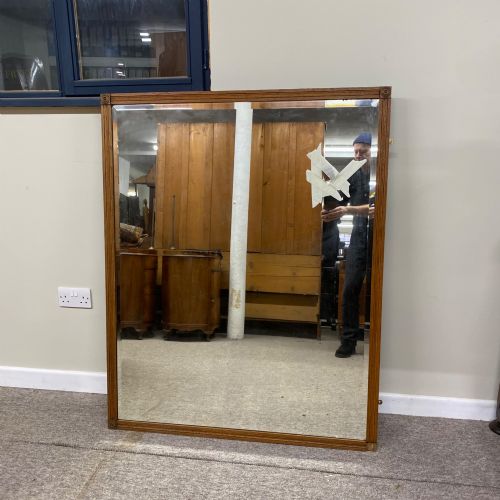


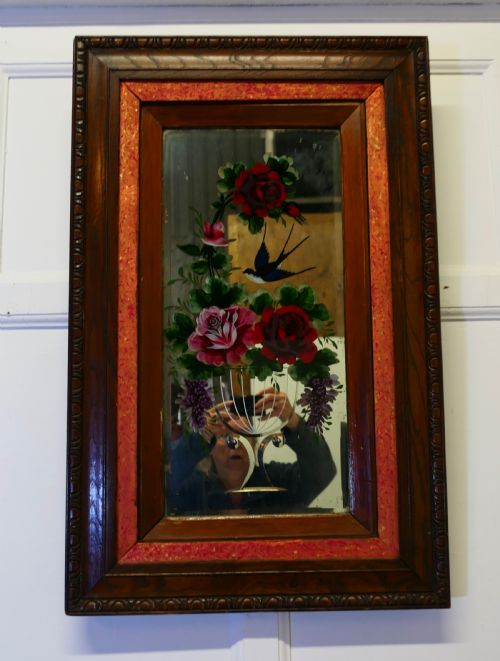

Traditional Oak Wall Mirror
A traditional oak wall mirror brings warmth and solid grain to a room, offering both everyday utility and period character.
Traditional Oak Wall Mirror
A traditional oak wall mirror takes several forms across the periods represented here, ranging from simple oval shapes to large overmantels designed for a fireplace. These domestic items serve to bounce light around a room while anchoring the wall space with sturdy timber.
You are most likely to meet Victorian and Edwardian examples on this page, alongside pieces from the 1920s and 1930s. Styles stretch from plain framing to revival designs like Jacobean Revival, Tudor Revival, and French Provincial.
Wall mirrors and overmantel mirrors dominate the selection, built for practical hanging or placement on a mantelpiece. Some incorporate carved details, while others rely on the plain grain of the wood or mixed materials like walnut and giltwood.
How they were made
Makers built these pieces using solid oak, sometimes combining it with walnut, paint, or giltwood accents to highlight the framing. Timber frames were shaped and joined to support heavy mirror plates safely.
Traditional Oak Wall Mirror Retail Price Guide 2026
Typical asking prices for traditional oak wall mirror among the pieces listed under this phrase on Sellingantiques today, from the lower quarter to the upper quarter. They describe what is for sale here now, not the wider market.
The listings here span the Victorian era, Edwardian period, and the decades up to 1930, using oak, walnut, giltwood, and painted wood.
What varies in quality
Quality rests in the depth and execution of the woodwork, particularly where carving or revival styles are concerned. Crisp details in the timber separate standard production from more ambitious pieces.
The choice of materials also dictates the standard of the mirror, with combinations of oak and walnut or the inclusion of giltwood and etched glass marking out more elaborate items.
The Traditional Oak Wall Mirror Glossary
- Overmantel mirror
- A large mirror designed specifically to hang or sit upon the mantelpiece above a fireplace. These often feature wide wooden frames.
- Jacobean revival
- A decorative style popular in later periods that copies the heavy, carved oak aesthetic of the early seventeenth century. It brings dark wood and geometric or floral carving to domestic furnishings.
- Mirror plate
- The reflective glass insert held within the frame. Older plates may show characteristic age spots or foxing.
- Giltwood
- Wood that has been treated with gold leaf or a gilt finish. It appears on certain frames to add contrast to the dark oak.
Traditional Oak Wall Mirror: Frequently Asked Questions
Where should I place an overmantel mirror?
An overmantel mirror naturally sits above a fireplace mantel, where it draws the eye and reflects light across the room. It works equally well hung on a blank chimney breast without a fireplace.
Ensure the scale of the mirror matches the width of the mantelpiece or the furniture stationed below it for a balanced look.
How do I tell a Victorian oak mirror from a 1920s one?
Victorian examples often display heavier carving and distinct revival styling, such as Jacobean or Tudor motifs. Pieces from the 1920s can be simpler in form, including oval wall mirrors with cleaner lines.
Examining the construction methods, the type of timber preparation, and the backboards helps reveal the period of manufacture.
Can I clean the antique mirror plate safely?
Use a soft cloth and a gentle glass cleaner applied to the cloth rather than directly onto the mirror. This prevents moisture from seeping behind the plate and damaging the silvering.
Take care around the edges of the glass and the wooden frame to avoid moisture pooling in the carved recesses of the oak.