


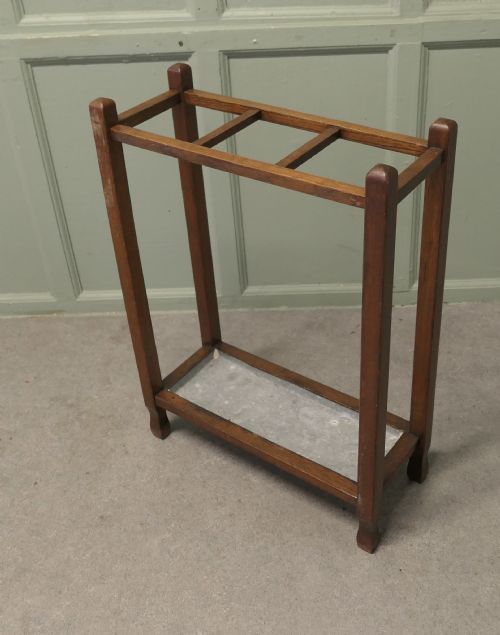
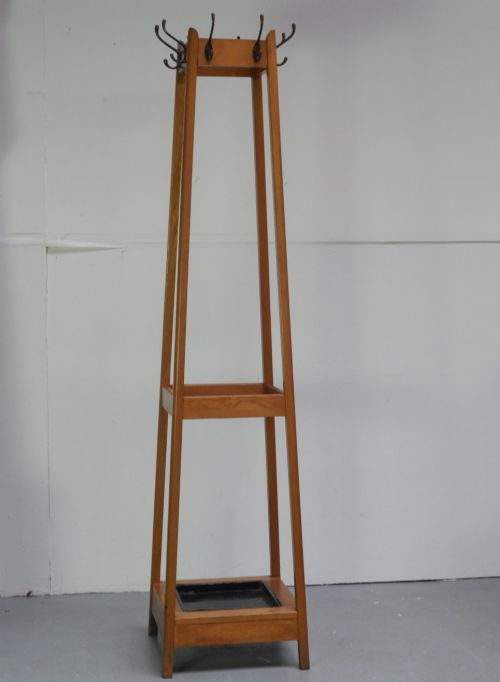

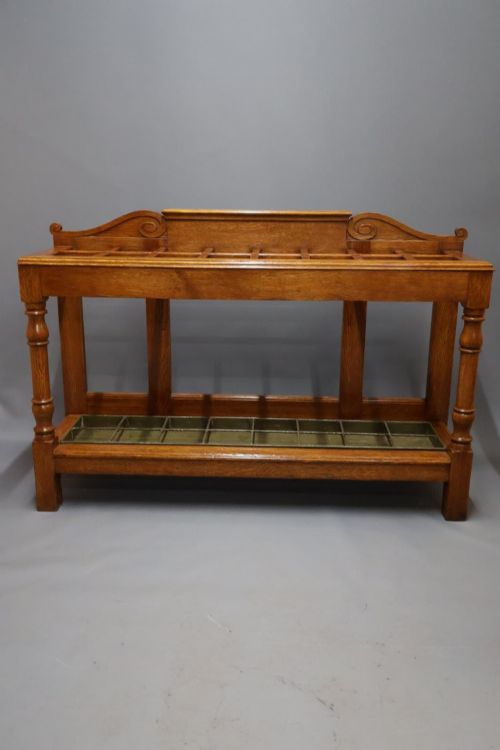


Traditional Oak Tray
Traditional oak tray pieces bring solid construction and tactile grain into everyday service, whether you need a butler's folding stand or a fitted tea trolley.
Traditional Oak Tray
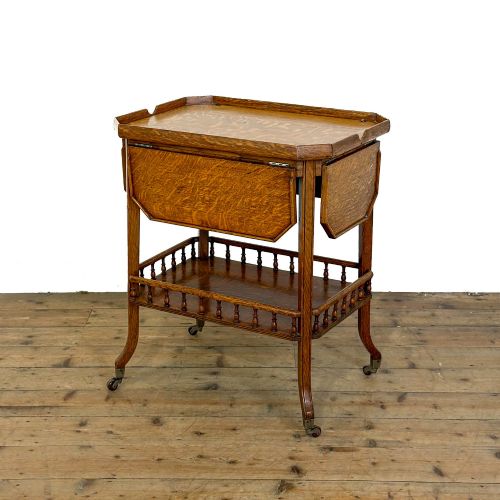
A traditional oak tray takes multiple forms across this page, ranging from serving pieces and butler's trays on folding stands to larger coffee table adaptations and partitioned ink stands. You will encounter nineteenth-century housekeeper carries alongside Edwardian tiered trolleys and country house serving boards.
The aesthetic leans towards functional English country and Arts and Crafts movements, where exposed grain and sturdy joinery take precedence over heavy ornamentation. Pieces often integrate metal fittings, glass inserts, or brass handles to support daily domestic utility.
Distinctions in craftsmanship and condition
Quality rests upon the selection of timber, the crispness of any hand-carved detailing, and the integrity of the original joints and metal hardware. Finer examples display thoughtful grain matching and sturdy folding mechanisms that operate smoothly.
Wear shows through the patination of the oak and the age of the brassware, where honest handling enhances character, provided the underlying structure remains completely sound and free from clumsy repairs.
Traditional Oak Tray Retail Price Guide 2026
Typical asking prices for traditional oak tray among the pieces listed under this phrase on Sellingantiques today, from the lower quarter to the upper quarter. They describe what is for sale here now, not the wider market.
Housekeeper carries ensure that even your remote controls can finally feel properly supervised by nineteenth-century domestic standards.
The Traditional Oak Tray Glossary
- Butler's tray
- A portable wooden tray with hinged or fixed sides, traditionally lifted off its folding stand for serving. It forms a staple of nineteenth-century domestic furniture.
- Arts and Crafts
- A design movement emphasising hand-craftsmanship, simple forms, and local materials. Pieces in this style reject mass-produced industrial ornamentation in favour of honest construction.
- Ink stand
- A desk accessory designed to hold inkwells, pens, and blotting sand. These portable wooden trays often feature fitted compartments and glass or ceramic wells.
- Housekeeper's carry
- A small compartmentalised wooden box or trug used to transport utensils, cutlery, or sewing gear around large country houses. They display practical partitioning and sturdy central handles.
Traditional Oak Tray: Frequently Asked Questions
How do I use a butler's tray today?
These pieces serve well as portable coffee tables, side tables, or actual serving trays when lifted from their folding stands.
The raised edges prevent items from sliding off, making them practical for holding drinks, books, or decorative objects in a living room.
What is the difference between an ink stand and a serving tray?
An ink stand is a smaller desk accessory partitioned specifically for writing implements, glass wells, and stationery. A serving tray is proportioned for carrying food, beverages, or household items.
While both utilise oak and similar construction methods, their scale and internal compartments dictate their distinct domestic functions.
How do I care for antique oak?
Maintain the timber by dusting regularly with a soft cloth and applying occasional quality beeswax to nourish the grain. Avoid placing oak furniture in direct sunlight or near heat sources to prevent warping.
Keep metal hardware dry to preserve the natural patination built up over decades of use.
How can I date an oak tray?
Dating relies on observing construction techniques, hardware styles, and the specific patination of the wood. Victorian and Edwardian examples often show machine-sawn elements alongside hand-finished joints, reflecting the transition of the era.
Design motifs such as Arts and Crafts simplicity or Gothic carving provide further clues to the period of origin.