
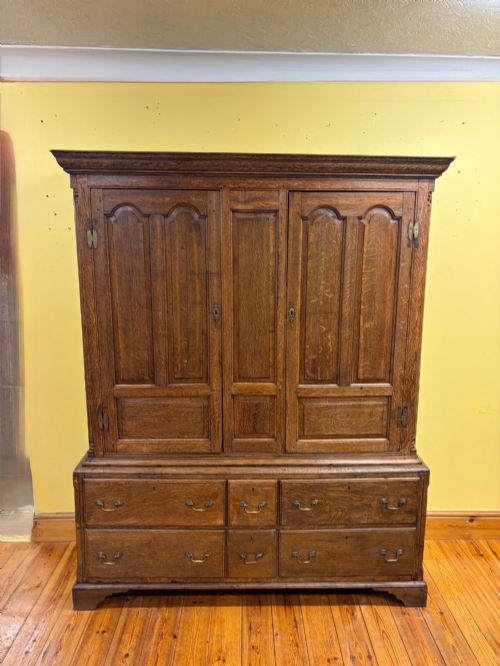
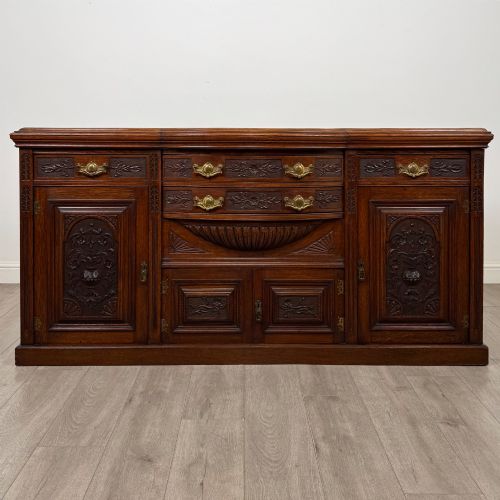
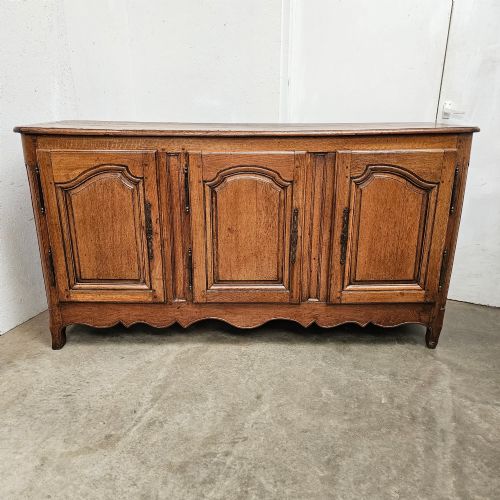
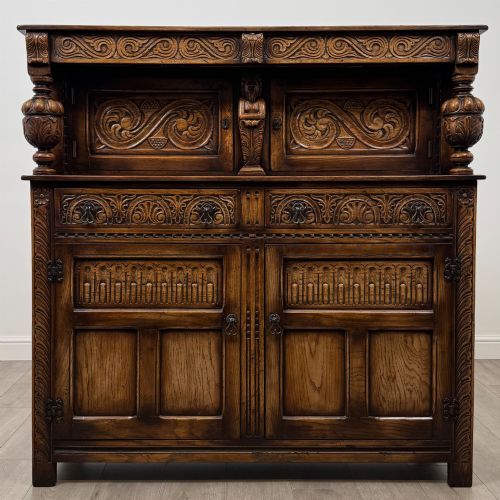
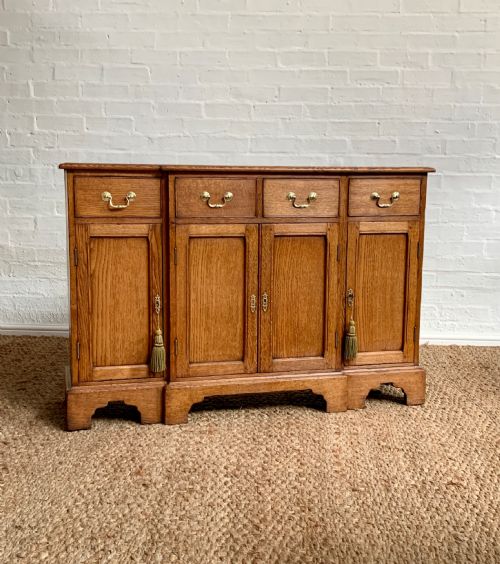
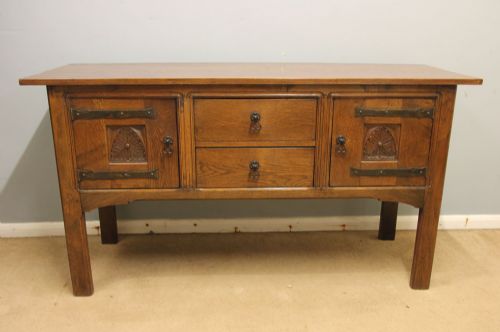
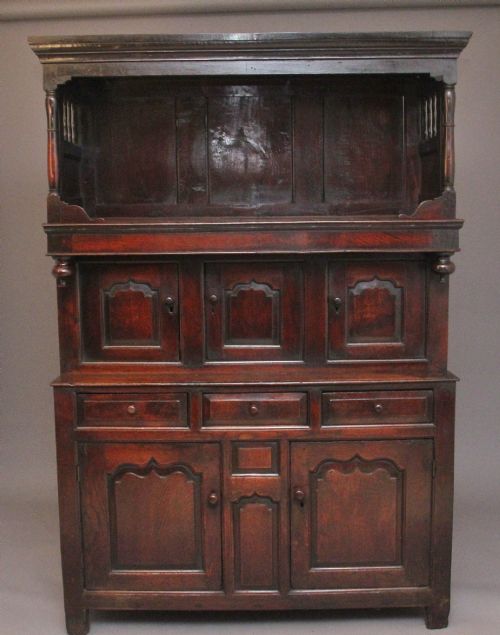


Traditional Oak Cupboard Base
A traditional oak cupboard base anchors a room with solid presence, offering deep storage and sturdy surfaces shaped through centuries of English and Welsh cabinet-making.
Traditional Oak Cupboard Base
When you search for a traditional oak cupboard base, you encounter sturdy utilitarian furniture built to serve domestic spaces over many generations. These pieces function as heavy-duty storage units, sideboards, and lower sections of larger dressers.
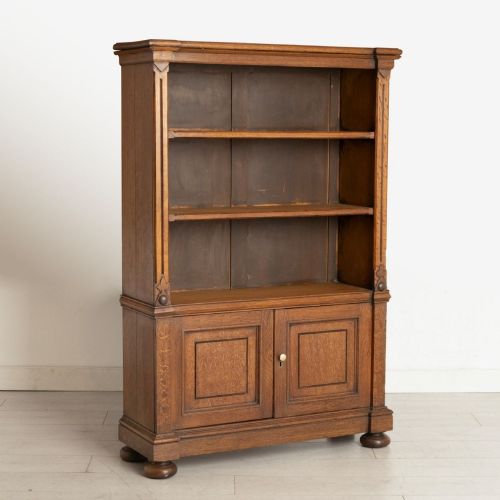
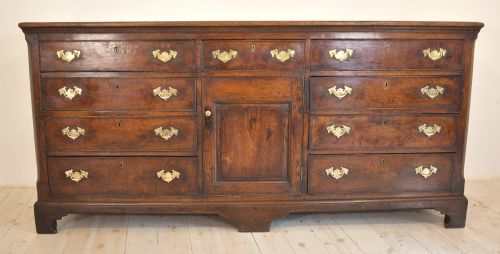
The versions most common on this page stem from the eighteenth and nineteenth centuries, alongside revival pieces from the early twentieth century. They present low profiles with enclosed cupboards, drawers, and sometimes potboards beneath.
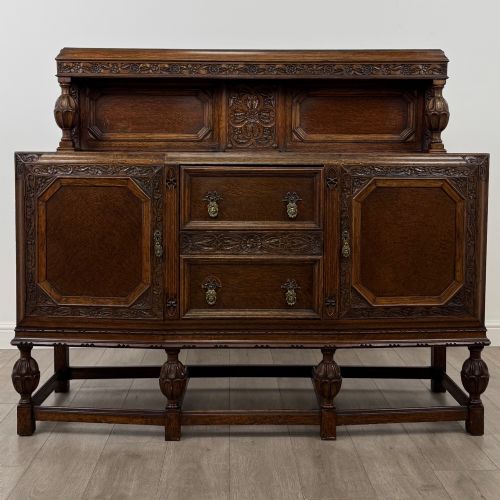
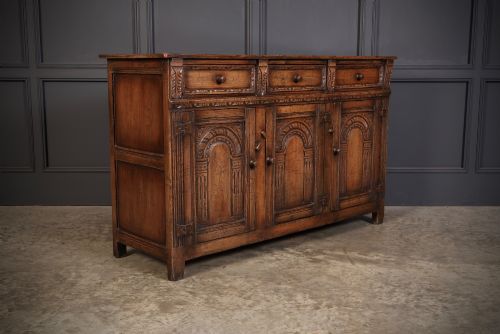
Originating largely from English and Welsh country workshops, these items reflect regional vernacular styles. They range from plain Georgian country designs to heavily carved Jacobean revival forms.
How they were made
Constructed primarily from solid oak, these pieces utilise traditional joinery methods such as mortise and tenon frames. Craftsmen selected native timber for its strength and grain, frequently incorporating panelled doors and pegged joints.
Metal fittings such as brass handles and iron hinges add functional detail, while bone elements appear in select decorative accents. Surfaces were often left with natural finishes or hand-waxed to develop a rich patina over time.
The listings span from the seventeenth century through to the 1930s, featuring oak, brass, iron, wrought iron, and bone.
What varies in quality
The calibre of a traditional oak cupboard base depends heavily on the integrity of the timber and the honesty of its construction. Pieces retaining their original boards, unreplaced brassware, and unaltered structural framing stand apart from heavily restored examples.
Carving depth and execution also separate standard utility items from finer workshop commissions. Crisp, hand-chiselled detail on period court cupboards or dresser bases demonstrates superior craftsmanship compared to later mechanical tooling.
The Traditional Oak Cupboard Base Glossary
- Potboard
- An open slatted lower shelf fitted beneath a dresser base or cupboard. It was traditionally used for storing pots and pans off damp stone floors.
- Court cupboard
- A heavy enclosed wooden cabinet featuring multiple tiers, often supported by turned columns. These pieces date back to earlier centuries and provide substantial storage.
- Tridarn
- A traditional Welsh three-section piece of vernacular furniture incorporating cupboards and display tiers. It represents a larger evolution of the standard cupboard base.
- Enfilade
- A suite of rooms or a long line of cabinets sharing a unified front. In the context of these listings, it describes a long multi-door oak sideboard.
Traditional Oak Cupboard Base: Frequently Asked Questions
What is an oak cupboard base?
An oak cupboard base is the lower storage section of a traditional dresser or a standalone sideboard built from solid timber. These heavy units provide robust surface space and enclosed shelving for domestic use.
They serve as practical furniture centrepieces in dining rooms and kitchens, combining drawers and cupboards within a low architectural frame.
How do I date a traditional oak piece?
Dating relies on examining construction marks, tool signatures, hinge types, and timber ageing. Eighteenth-century examples often feature hand-planed surfaces and pegged joinery.
Revival pieces from the early twentieth century typically display different interior secondary woods and more uniform machine-cut elements that distinguish them from earlier vernacular work.
Where were these cupboards made?
Many of these pieces originated in rural English and Welsh workshops, reflecting regional domestic traditions. Makers utilised local native timber to build robust furniture suited to farmhouse kitchens.
Regional variations appear in the proportion of the potboards, the style of carving, and whether the upper section was designed to hold a plate rack.
How do I care for antique oak furniture?
Maintain antique oak by applying natural beeswax sparingly to nourish the timber and preserve its finish. Avoid placing pieces near direct heat sources or strong sunlight.
Keep humidity levels stable in the room to prevent the solid oak panels from splitting or warping over seasonal changes.