


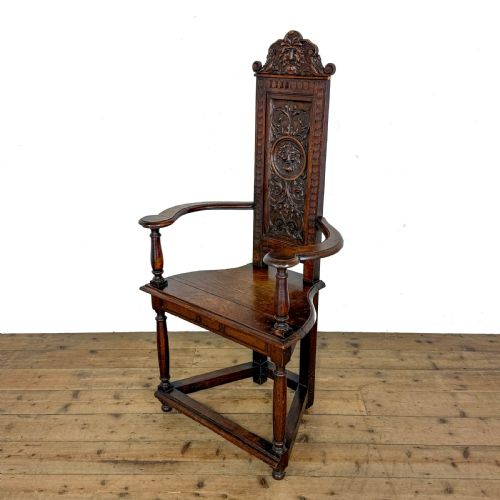


Traditional Oak Arm Chair
A traditional oak arm chair brings centuries of timber craft and solid domestic history directly into a modern room.
Traditional Oak Arm Chair
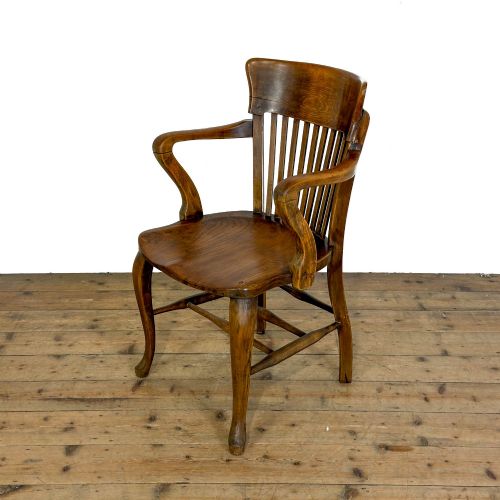
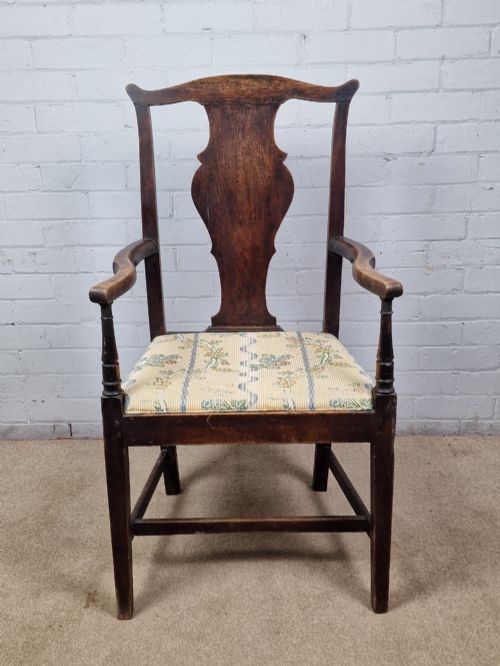
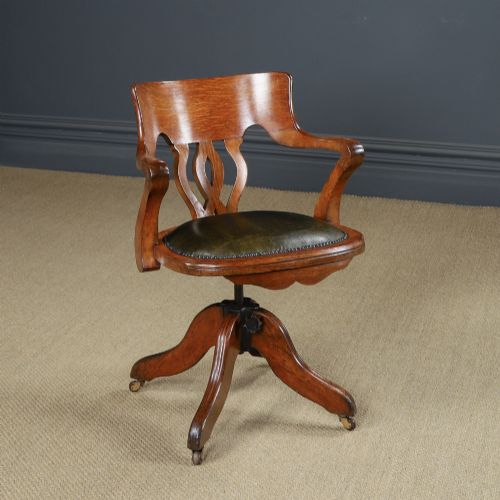
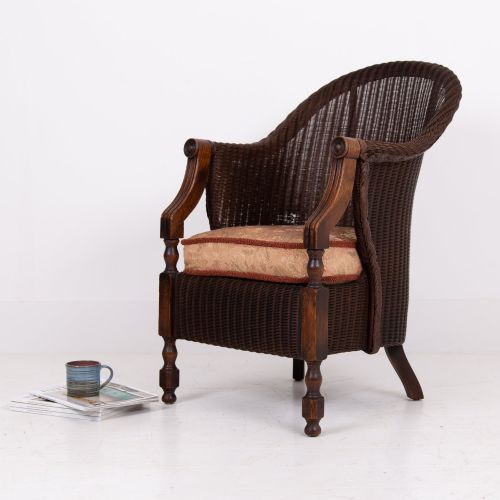
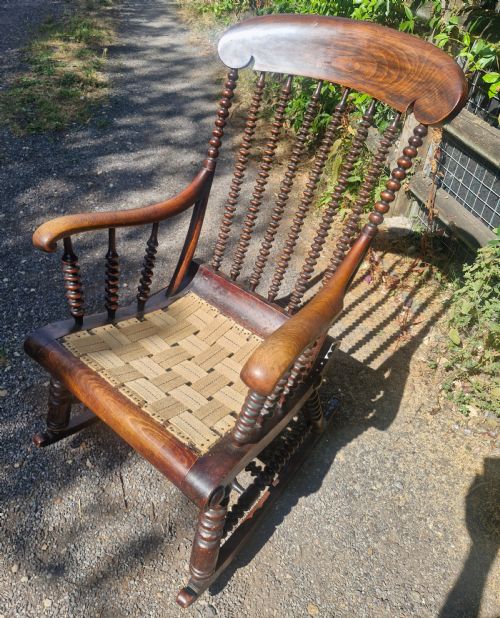
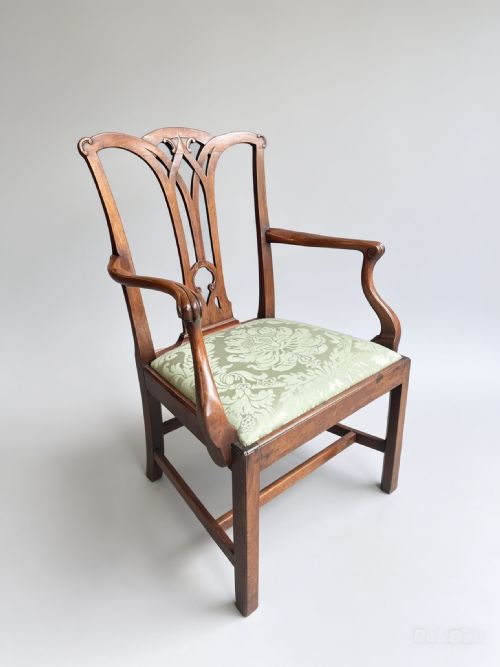
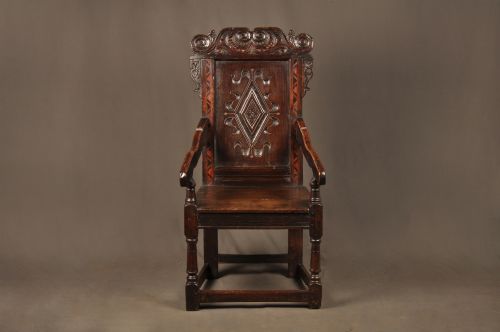
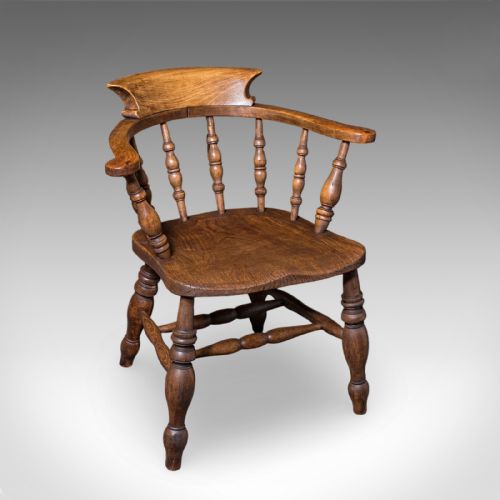
A traditional oak arm chair encompasses sturdy vernacular seating spanning the seventeenth century through to the Edwardian era and beyond. Buyers encounter diverse regional forms, from high-backed wainscot and ladder-back chairs to Windsor, smoker's bow, and desk variants.
The selection ranges from early joined framework using solid timber to nineteenth-century country designs incorporating elm, ash, and beech. Makers shaped these seats for everyday utility in farmhouses, offices, and country houses, ensuring robust survival across generations.
Materials and construction
Carpenters built these frames predominantly in solid oak, frequently combining secondary native timbers such as elm for solid seats, ash for spindles, and beech for turned components. Traditional joinery relied on pegged mortise and tenon joints, turning lathes, and steam-bent parts rather than metal fasteners.
Seating areas often featured carved solid wood, woven rush, or upholstered pads finished with leather, fabric, or crewel work. Brass details occasionally appeared on later office and swivel models from the Edwardian period.
Materials span native hardwoods including oak, elm, ash, and beech, alongside woven rush and leather upholstery.
Craft and character
Quality rests upon the integrity of the original construction and the survival of untouched timber surfaces. Pieces retaining honest patination and minimal structural alteration command greater respect among collectors than heavily restored examples.
The nuance lies in regional vernacular detail, such as deeply carved crest rails, finely turned bobbin or spindle legs, and well-balanced proportions that reflect the individual hand of the country carpenter.
The Traditional Oak Arm Chair Glossary
- Wainscot chair
- An early seventeenth-century heavy wooden armchair constructed with panelled backboards and solid arms. These represent some of the earliest joined seating forms found in domestic interiors.
- Windsor chair
- A chair built with a solid wooden seat into which the legs and back spindles are directly wedged. Regional variants display distinct comb backs, bow backs, or splats.
- Smoker's bow
- A low-backed Windsor-style armchair featuring a continuous curved arm rail supported by turned spindles. These sturdy chairs served commonly in parlours and smoking rooms.
- Rush seat
- A seating surface woven from dried marsh rushes around a wooden frame. This technique provides a resilient and pliable base used heavily in country ladder-back chairs.
- Bobbin framing
- A style of furniture turning where the wood is shaped to resemble a string of beads or bobbins. It appears frequently on seventeenth-century and nineteenth-century vernacular rocking chairs.
Traditional Oak Arm Chair: Frequently Asked Questions
How do I date a wainscot chair?
Early wainscot chairs generally date to the seventeenth century and feature heavy joined oak construction with panelled backs.
They rely on pegged joints and often display carved detailing characteristic of the period without modern mechanical fasteners.
Are rush seats original?
Rush seating is a traditional craft technique utilised across centuries for country chairs to provide flexible comfort.
Many surviving chairs retain historic rush work, though professional re-weaving remains a standard maintenance practice for functional pieces.
How do I care for an oak armchair?
Solid oak furniture benefits from stable indoor humidity and occasional treatment with appropriate traditional beeswax.
Avoid placing antique timber near direct heat sources to prevent the wood from drying out or splitting.