






Traditional Night Tables
Traditional night tables are compact bedside pieces built to hold essentials, offering period character and practical surface space.
Traditional Night Tables
Traditional night tables encompass a range of bedside forms spanning from the eighteenth century through the Edwardian era and into the 1920s. Buyers searching for traditional night tables frequently encounter enclosed bedside cabinets, open night stands, and bedside cupboards designed to sit beside a bed.
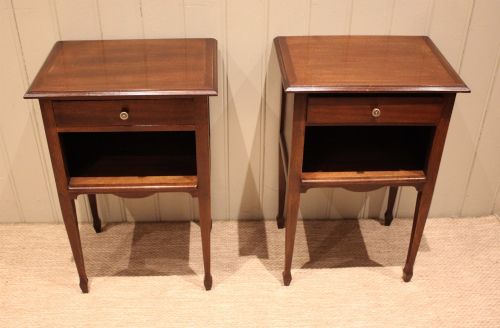
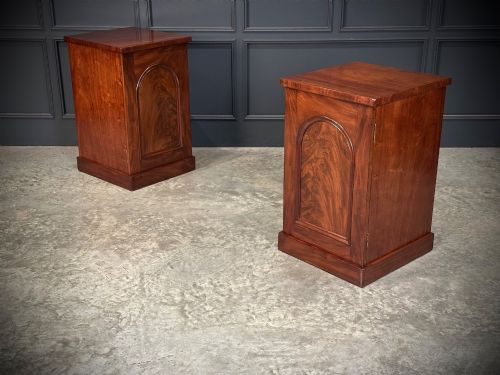
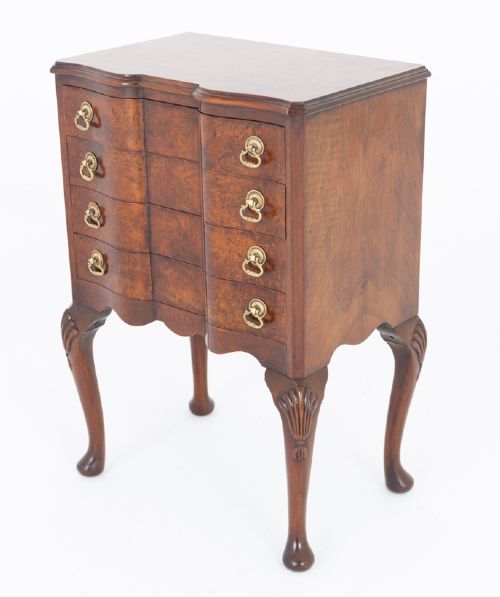
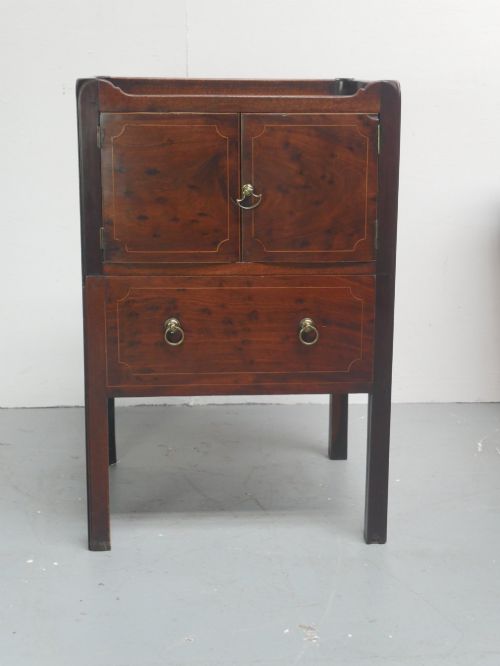
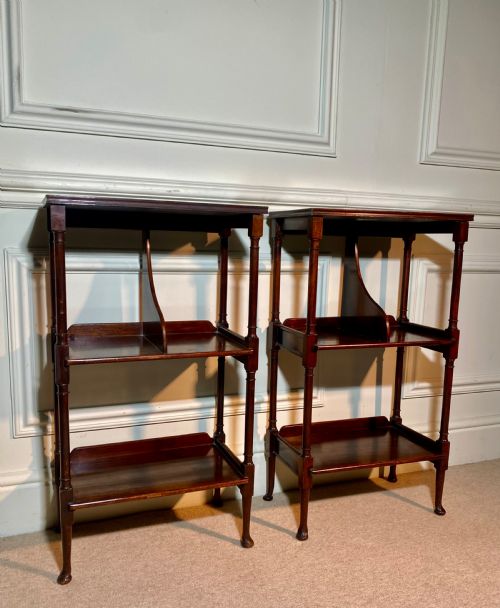
The selection includes matched pairs and individual pieces originating from Georgian, Victorian, and Edwardian periods. Common configurations range from simple shelves and lamp tables to substantial cupboards with flame mahogany veneer or burr walnut surfaces.
How they were made
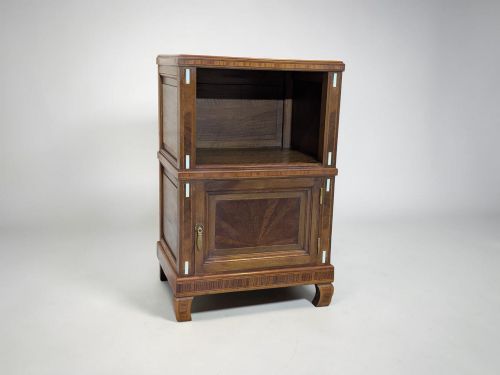
Cabinet makers utilised primary timbers such as mahogany, oak, and walnut, often accentuating the grain with flame mahogany veneer or burr walnut. Details frequently incorporate boxwood inlay, bone inlay, and brass hardware.
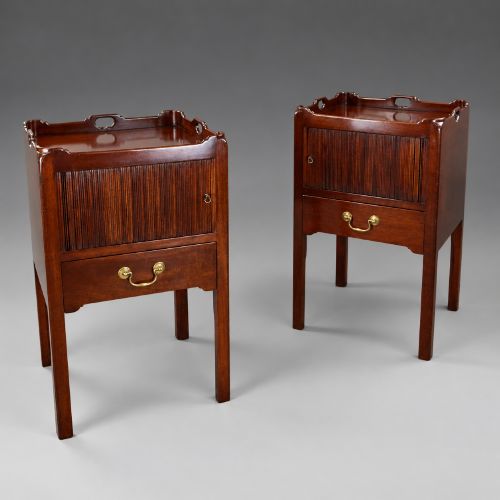
Construction methods reflect the prevailing styles of each era, moving from eighteenth-century proportions through Victorian revivalism to Edwardian and 1920s interpretations. Pieces incorporate carved elements, tray tops, and fitted cupboard doors to create functional bedside storage.
Traditional Night Tables Retail Price Guide 2026
Typical asking prices for traditional night tables among the pieces listed under this phrase on Sellingantiques today, from the lower quarter to the upper quarter. They describe what is for sale here now, not the wider market.
Materials recorded on this page include mahogany, burr walnut, oak, brass, and bone inlay.
What varies in quality
Quality rests upon the choice of timber and the precision of decorative details like boxwood inlay and veneer selection. Pieces utilising figured timbers such as flame mahogany or burr walnut demonstrate a higher degree of material refinement.
Proportion and execution of period revival styles separate standard workshop production from finer cabinet work. The integrity of structural joints and the subtlety of carved enrichment determine the standing of each piece.
Edwards & Roberts
The Traditional Night Tables Glossary
- Flame mahogany veneer
- A thin slice of mahogany timber cut from the fork of the tree to create a distinctive, flickering flame pattern.
- Burr walnut
- Timber taken from a growth on a walnut tree, prized by cabinet makers for its swirling, highly figured grain.
- Boxwood inlay
- Contrasting pale wood inserted into recesses on the furniture surface to form decorative lines or geometric patterns.
- Tray-top
- A raised rim around the upper surface of a small table or cabinet designed to prevent items from rolling off.
- Georgian style
- Design characteristics inspired by the reigns of the first four Georges, favouring classical proportions and mahogany construction.
Traditional Night Tables: Frequently Asked Questions
What is a traditional night table?
A traditional night table is a small bedside furniture piece designed to hold a lamp, clock, and personal items during the night.
These pieces date from the eighteenth century onwards and take the form of enclosed cupboards, open shelves, or small chests.
How do I choose between a cupboard and an open stand?
Enclosed bedside cupboards provide concealed storage for items you prefer kept out of sight next to the bed.
Open night stands and shelf units offer a lighter visual presence and quick access to books or lamps.
Are matched pairs common in traditional night tables?
Matched pairs appear frequently across Georgian style, Victorian, and Edwardian listings to flank a double bed symmetrically.
Finding a matching pair from earlier centuries requires careful attention to dimensions and timber grain matching.
How do I identify the period of a bedside cabinet?
Dating relies on observing timber choices, construction techniques, and stylistic markers associated with periods like the Georgian era or Victorian times.
Details such as flame mahogany veneers, boxwood inlay, and revival styling help narrow down the decade of manufacture.