




Traditional Narrative Art
Traditional narrative art captures stories from literature, daily life, and history on canvas, wood, and textile.
Traditional Narrative Art
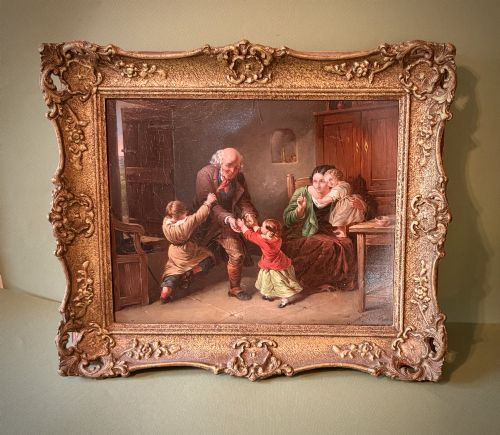
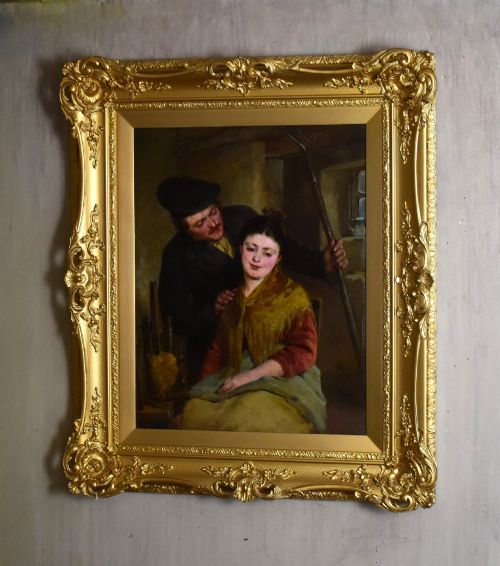
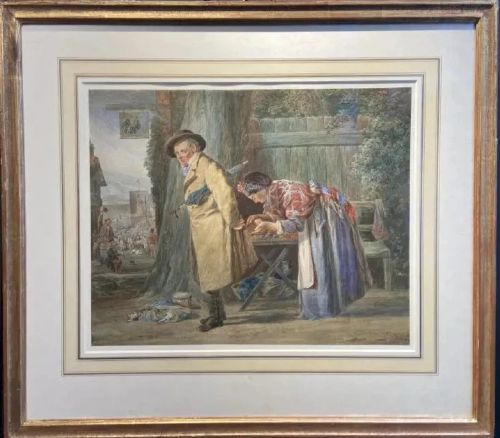
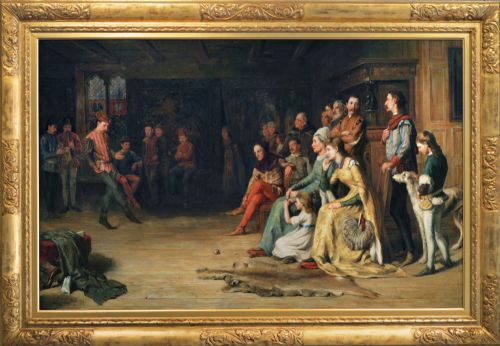
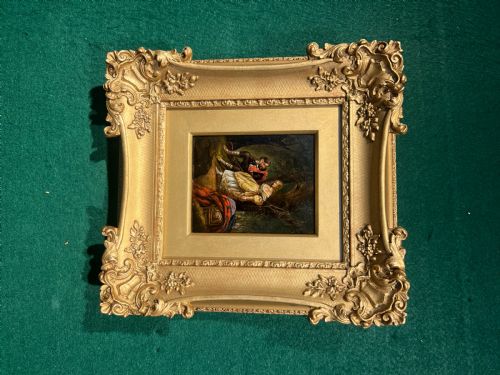
When seeking traditional narrative art, buyers encounter pictorial works that tell stories derived from history, literature, and domestic life. These pieces primarily manifest as oil paintings on canvas and panel, alongside textile hangings and carved wooden panels.
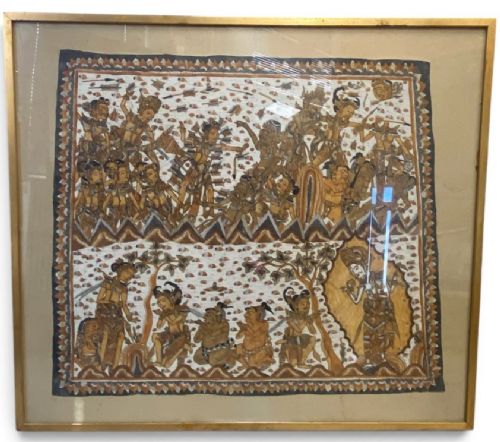
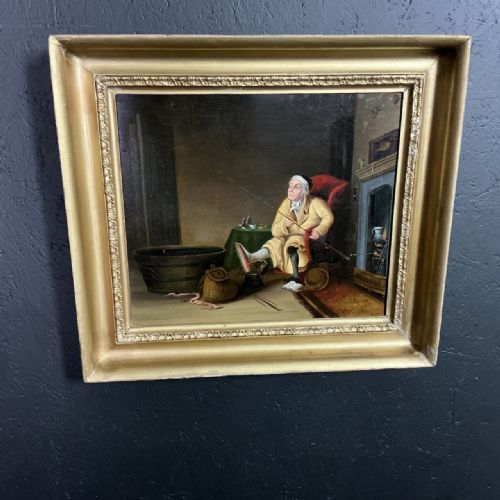
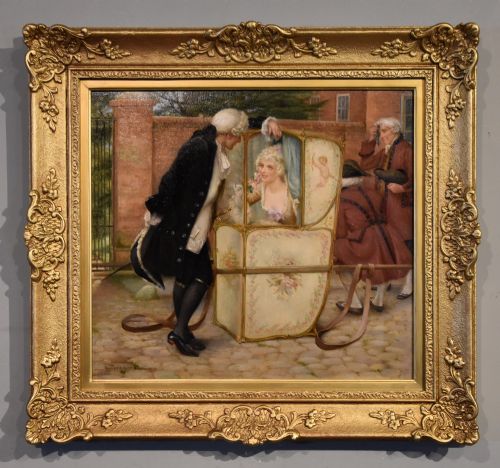
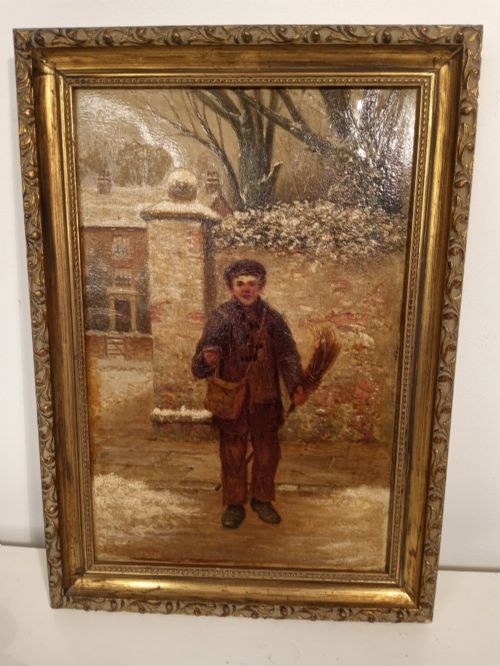
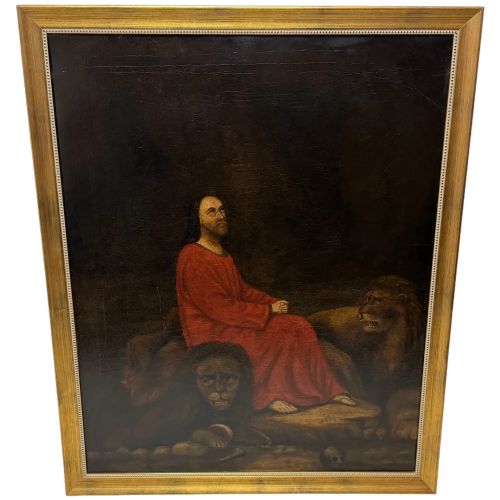
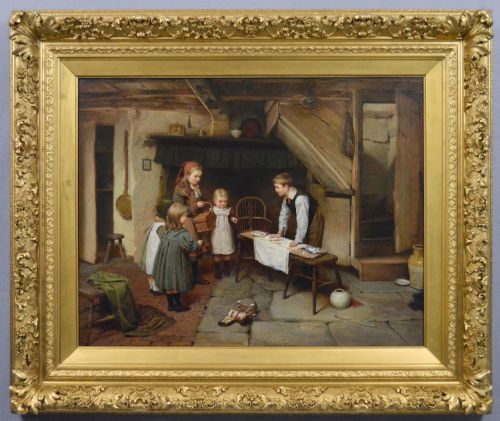
The selection on this page centres heavily on nineteenth-century and Victorian genre painting, featuring domestic scenes, historical subjects, and literary adaptations. Examples range from British and Irish country interiors to French school works and international temple cloths.
Works on this page frequently portray figures engaged in specific actions, such as blacksmiths at work, children playing, or historical processions. These narrative scenes capture human interactions and storytelling moments preserved across different regional schools.
Materials and construction methods
The physical objects rely primarily on oil paint applied to canvas or wood panels, often housed within gilt wood frames enhanced with gesso and gold leaf. Textile pieces utilise woven fabrics treated with pigments to depict complex figurative registers and temple stories.
Carved wooden panels and wall plaques employ detailed relief work to render narrative scenes in three dimensions. Framed artworks combine traditional stretcher frames with protective glazing or open display depending on the medium.
Listings feature works spanning the Georgian, Victorian, and Edwardian eras, executed in oil, canvas, and carved wood.
Distinctions in quality
The complexity of the narrative composition and the handling of the medium separate standard decorative pieces from accomplished fine art paintings. Signed works by recognised practitioners demonstrate a higher degree of execution in composition and brushwork.
Howard Helmick·Joseph H Barnes·James Hamilton·Harry Brooker·Charles Haigh Wood·Haynes King·James Kyd·Arthur Longley Vernon·Frank Hyde·John Henry Dell·Alfred Provis·Ralph Hedley
The Traditional Narrative Art Glossary
- Genre painting
- Depictions of everyday life and ordinary people engaged in domestic or social activities. These scenes form a large portion of nineteenth-century pictorial works.
- Gesso
- A plaster-like mixture applied to wood frames and panels to prepare the surface for gilding or painting. It provides a smooth base for decorative mouldings.
- Oil on canvas
- Pigments suspended in a drying oil applied to a stretched woven fabric support. This combination allows for rich colour blending and textural variation.
- Temple painting
- Sacred narrative works created on textile or panel for ritual spaces, depicting deities and mythological stories. Examples include Kalamkari and Kamasan traditions.
Traditional Narrative Art: Frequently Asked Questions
What is traditional narrative art?
Traditional narrative art comprises visual works that tell a specific story from history, literature, or everyday life. These pieces depict human figures interacting within interiors, landscapes, or mythological settings.
Such works utilise mediums like oil paint on canvas, carved wood, and painted textiles to preserve historical scenes and domestic moments for viewers.
How were these pieces displayed?
Historically, these artworks were framed in carved wood and gilt mouldings designed to complement domestic interiors and public reception rooms. Large oil paintings and textile hangings served as focal points on living room and parlour walls.
Smaller panels and plaques were often arranged in groups or integrated into wood-panelled architectural settings within Victorian homes.
How do I date these artworks?
Dating relies on the stylistic markers of the period, the construction of the canvas stretcher frames, and the composition of the framing materials. Victorian and nineteenth-century works often feature specific framing techniques and signature styles associated with regional schools of art.
Artist signatures, biographical records, and historical clothing styles depicted in the narrative scenes provide additional chronological anchors.
How do I care for these pieces?
Preserving these items requires avoiding direct sunlight and maintaining stable indoor humidity levels to protect canvas, wood panels, and textiles. Gentle dusting with a soft, dry brush keeps surfaces clear without disturbing the paint layer or delicate gesso frames.
Works on canvas and panel should remain away from extreme temperature fluctuations to prevent cracking in the paint and wooden supports.