





Traditional Mixing Bowl
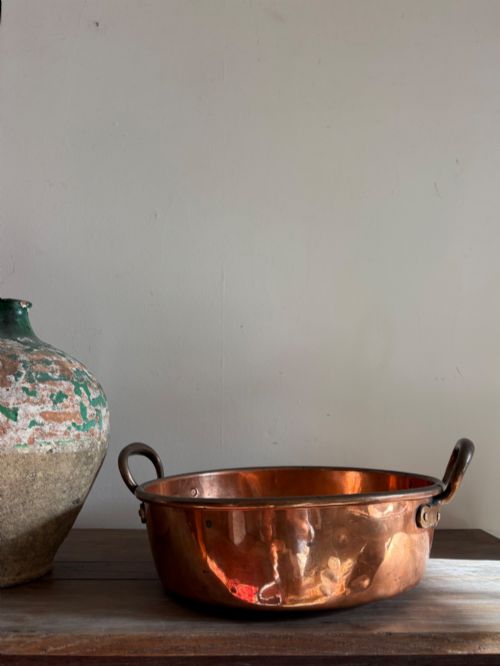
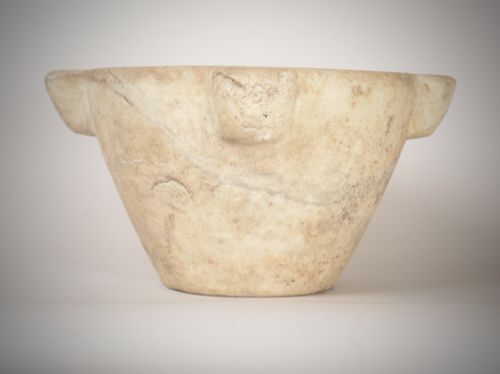
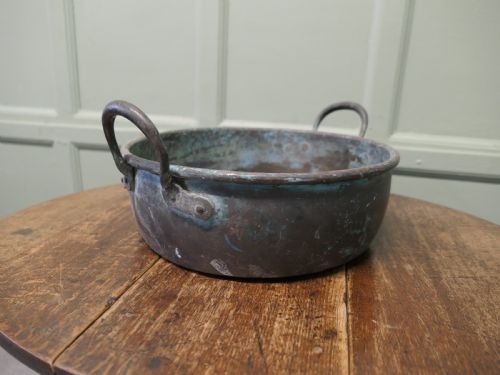
These traditional mixing bowls are hardworking utility kitchen vessels in terracotta, earthenware, and sycamore wood that bring practical warmth to a modern kitchen.
Traditional Mixing Bowl
A traditional mixing bowl encompasses heavy domestic utility vessels designed for preparation, ranging from deep dairy bowls to earthenware and terracotta forms. When you browse for a traditional mixing bowl, you encounter pieces spanning the eighteenth, nineteenth, and early twentieth centuries, alongside utilitarian stoneware and banded pottery.
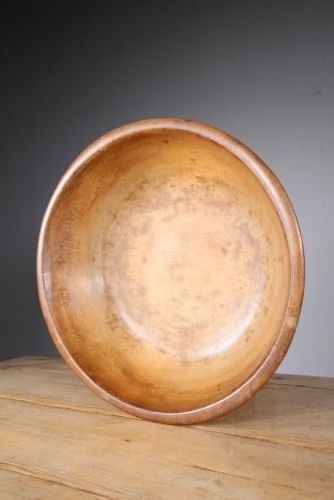
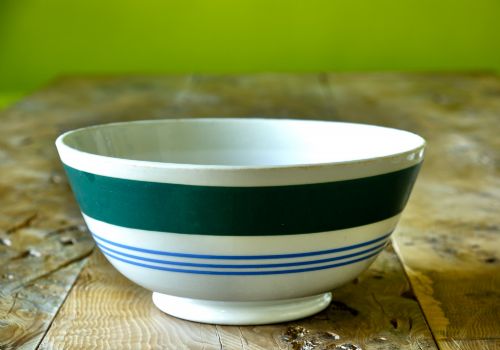
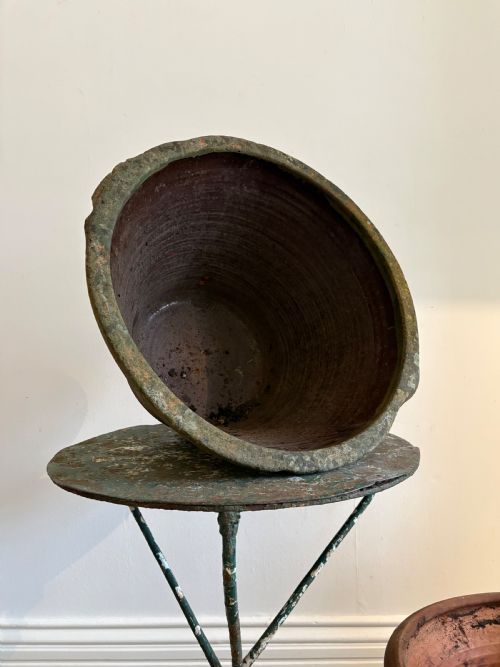
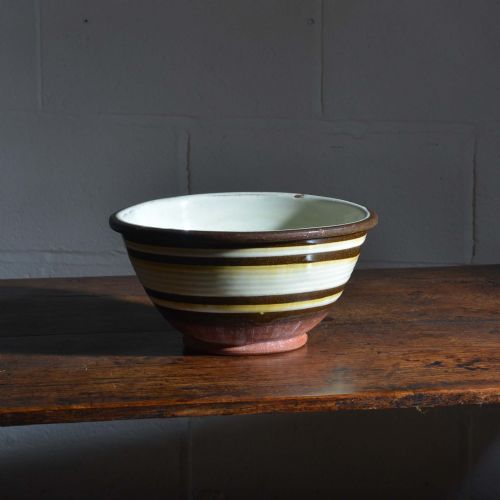
The selections here lean heavily toward generous proportions, featuring wide terracotta dairy bowls with glazed interiors and English sycamore bowls that served active roles in country dairies and farmhouses. Alongside these wooden and earthenware vessels appear specialised kitchen items such as slip glaze bowls and banded pottery from the mid-twentieth century.
Origins stretch across English and regional workshops, carrying rustic farmhouse and Victorian country styles intended entirely for service rather than display. Their continued utility makes them as practical on a counter today as they were in past centuries.
How they were made
Potters and woodturners shaped these traditional mixing bowls from tactile, honest materials like local terracotta, porous earthenware, and dense sycamore wood. Earthenware and terracotta vessels relied on simple wheel-throwing or moulding, often finished with a partial glaze to contain liquids while leaving the exterior raw.
Sycamore bowls were turned green on a lathe from English timber, harnessing the wood's stability and resistance to splitting during heavy daily use in the dairy. Potters applied slip glazes and simple painted bands by hand, ensuring each utility vessel bore the subtle irregularities of independent handcraft.
Traditional Mixing Bowl Retail Price Guide 2026
Typical asking prices for traditional mixing bowl among the pieces listed under this phrase on Sellingantiques today, from the lower quarter to the upper quarter. They describe what is for sale here now, not the wider market.
Sycamore was chosen for dairy bowls because the wood yields no unpleasant flavours to contaminate the resting cream.
What varies in quality
Quality in a traditional mixing bowl rests on the integrity of the material and the preservation of its original form through decades of heavy kitchen labour. Thicker terracotta walls, sound timber free from deep structural splits, and even glaze coverage separate pieces that survived working lives intact from those heavily compromised by use.
The depth of patination on sycamore wood and the crispness of applied bands on pottery define the visual distinction between standard utilitarian output and finer surviving examples. Weight and balance also matter, as heavier walls provided the necessary stability for vigorous beating and kneading.
T G Green Pottery
The Traditional Mixing Bowl Glossary
- Dairy bowl
- A wide, shallow ceramic or wooden vessel historically used for setting milk and skimming cream. These pieces typically feature heavy walls and wide rims.
- Terracotta
- Fired, unglazed or partially glazed red clay that remains porous. It provides a heavy, stable base for mixing tasks.
- Sycamore wood
- A pale, dense hardwood traditionally favoured for treen and dairy bowls because it resists splitting and imparts no taste to food.
- Slip glaze
- A liquid clay mixture applied to pottery before firing to create a smooth, sealed interior surface. It protects the more absorbent earthenware body underneath.
- Treen
- Small domestic wooden objects and utensils hand-turned or carved from domestic hardwoods. Collectors prize these items for their tactile surfaces and historic tool marks.
Traditional Mixing Bowl: Frequently Asked Questions
How were traditional mixing bowls used?
These vessels served demanding roles in domestic kitchens and dairies, from setting milk and skimming cream to heavy bread dough preparation and general food mixing.
Their robust construction allowed cooks to beat ingredients vigorously without sliding the bowl across the work surface.
Can I use these antique bowls today?
Many terracotta, earthenware, and wooden examples remain robust enough for daily food preparation and baking tasks in a modern kitchen.
Careful hand washing preserves the historic glazes and warm timber patinas better than mechanical dishwashing.
How do I care for wooden dairy bowls?
Sycamore and wooden vessels require gentle hand washing in warm water followed by immediate drying with a clean towel.
Occasional treatment with food-safe mineral oil prevents the timber from drying out and splitting over time.
How do I date a terracotta bowl?
Dating relies on observing the weight, throwing marks, glaze characteristics, and overall form relative to known nineteenth-century and earlier manufacturing patterns.
Unmarked utilitarian wares often require comparison with documented regional pottery styles to narrow down their decade of origin.