


Traditional Metal Lighting Fixture
A traditional metal lighting fixture brings enduring structure and heavy character to a room, spanning weighty iron frames and gilded bronze forms.

Traditional Metal Lighting Fixture
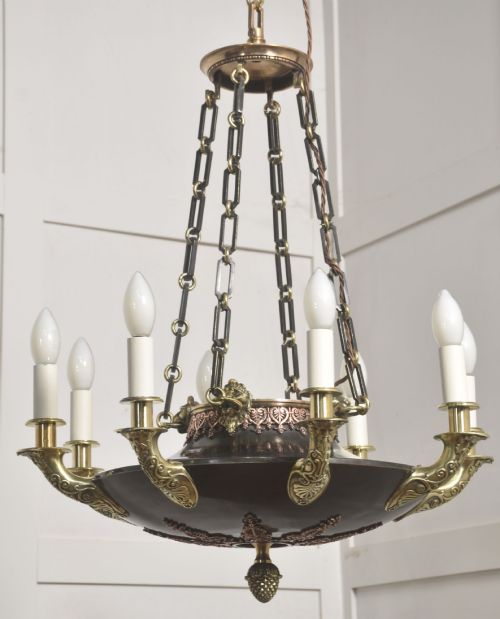
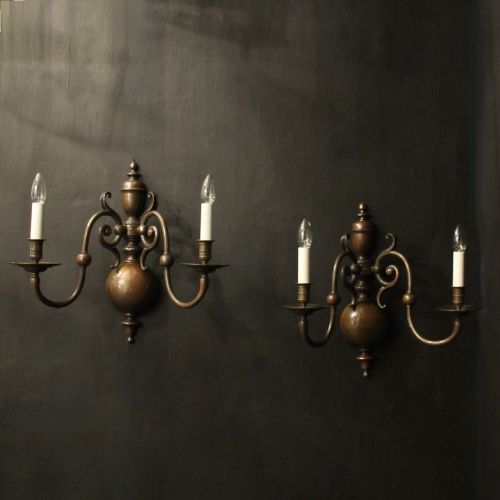
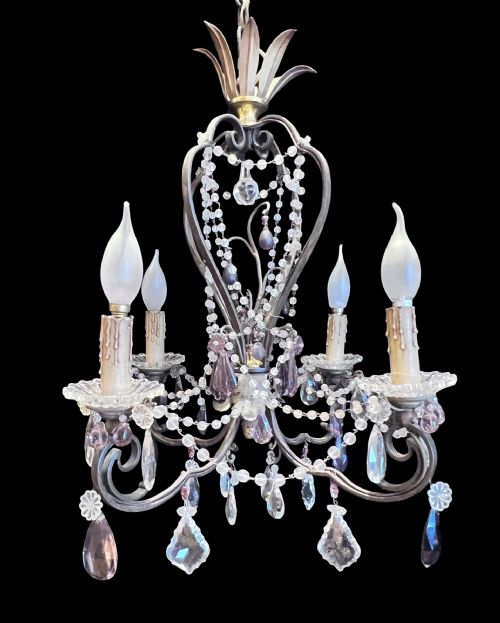
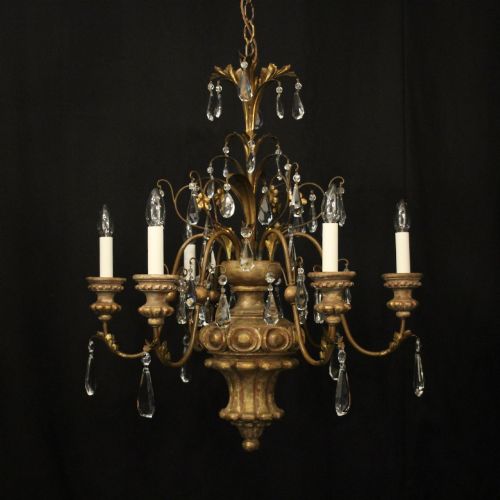
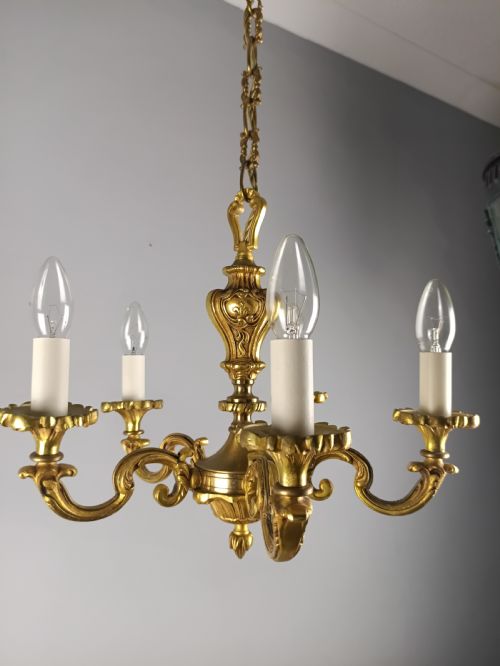
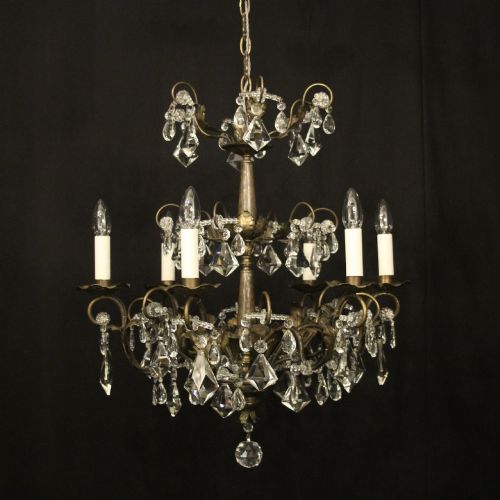
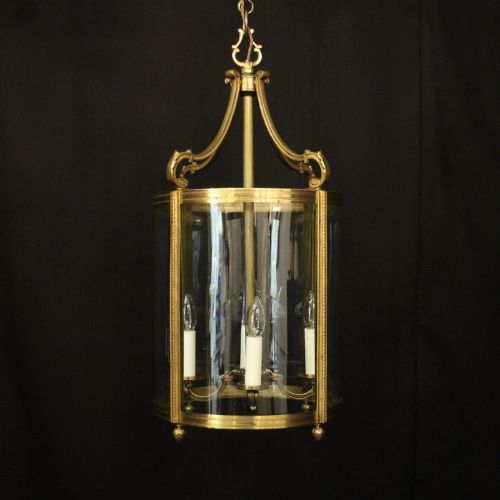
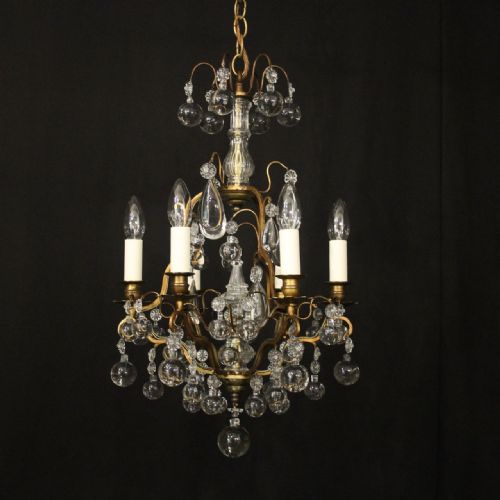
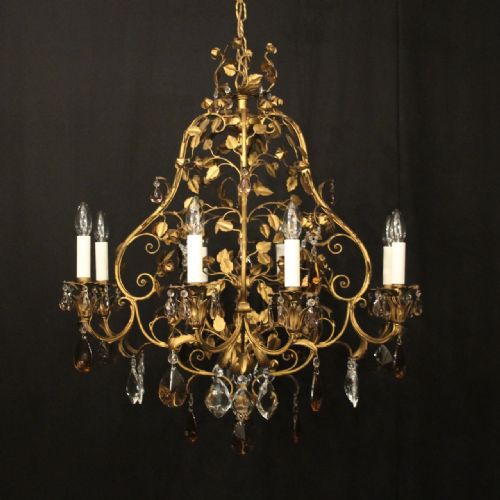
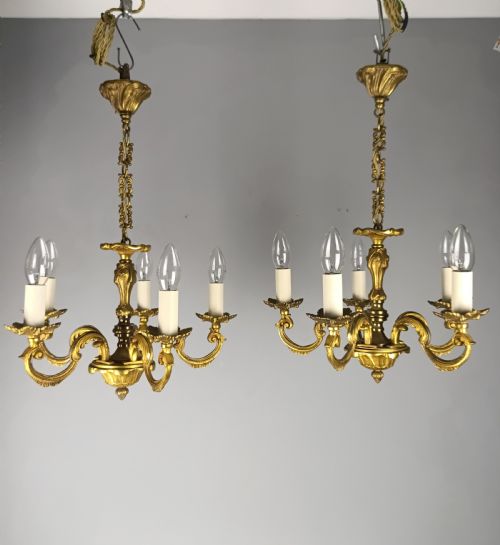
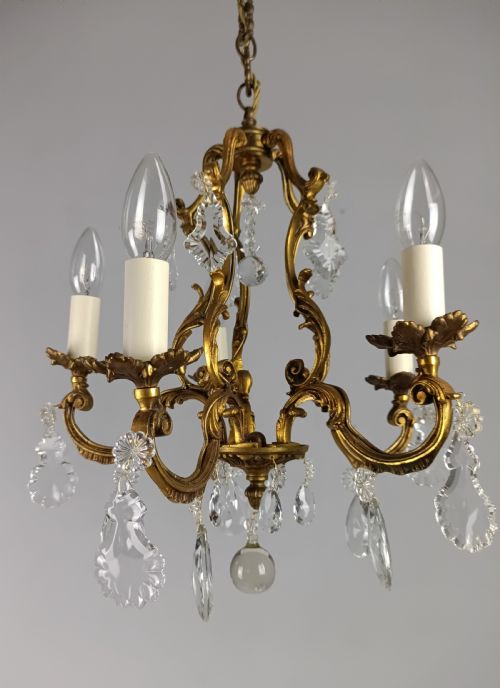
A traditional metal lighting fixture encompasses chandeliers, wall lights, and hall lanterns drawn primarily from Victorian, Edwardian, and early twentieth-century periods. Chandeliers dominate the selection, appearing in multi-branch configurations ranging from compact four-light designs up to expansive eighteen-light tiers.
Makers and origins lean heavily toward French and Italian workshops, alongside English examples utilising brass, bronze, and wrought iron. Pieces frequently arrive styled in French Rococo, Florentine Baroque, or Empire Revival aesthetics, reflecting continental design preferences of the nineteenth and early twentieth centuries.
Materials and Construction
Construction relies upon cast or gilded bronze, brass, and heavy wrought iron to form the structural skeleton of each piece. Frames are often embellished with glass drops, crystal teardrops, and Toleware elements, securing structural weight while diffusing illumination.
Metals receive various surface treatments, from silver plating and silver gilding to dark framing and copper patination. Components are mechanically joined or cast as single branches, supporting multiple light arms across grand tiers and wall sconces.
Listings feature brass, bronze, wrought iron, and silvered metal across Victorian, Edwardian, and eighteenth-century periods.
Assessing Quality
Quality rests in the crispness of the metal casting and the depth of the gilding or silvering applied to the bronze and brass surfaces. Finer examples exhibit hand-chased detail on arm joints and decorative motifs rather than flat, uniform surfaces.
The integration of original crystal drops and the structural integrity of multi-tiered frames separate standard production pieces from superior works. Weight distribution across branches and the retention of period components dictate the overall integrity of the fixture.
G.E.C
The Traditional Metal Lighting Fixture Glossary
- Chandelier
- A branched ceiling-mounted lighting fixture designed to hold multiple bulbs or candles across arms or tiers.
- Wall Light
- A lighting fixture fixed directly to a vertical wall surface, often referred to as a sconce.
- Hall Lantern
- An enclosed hanging light fixture, frequently glazed, designed for entryways and corridors.
- Toleware
- Painted or lacquered metalware utilised for decorative highlights on lighting bodies.
- Gilt Bronze
- Bronze metal treated with a thin layer of gold or gold-coloured gilding to create a rich surface finish.
Traditional Metal Lighting Fixture: Frequently Asked Questions
How do I hang a heavy chandelier safely?
Heavy metal chandeliers require direct suspension from a ceiling joist using an appropriate steel hook and electrical box rated for the total weight. Professional installation is essential to bear the load of multi-tiered bronze and crystal structures.
Ensure the weight is supported entirely by the structural hardware rather than the electrical supply cord. Load-bearing chains must be securely linked and checked prior to final placement.
Can antique wall lights take modern wiring?
Most antique wall lights and chandeliers can be rewired to accommodate modern electrical standards while preserving their external metal components. Qualified electricians run contemporary internal flex through the original arms and backplates.
Rewiring ensures safety compliance without altering the visible surface patina or historic brass and bronze framework. It is common practice for period lighting to undergo this update before installation.
How do I clean a crystal and metal chandelier?
Regular maintenance involves dusting the metal frame and glass elements with a dry, soft cloth to prevent particulate buildup. For deeper cleaning, remove crystal teardrops individually and wash them in warm soapy water before drying.
Harsh chemical polishes should be avoided on gilded or silvered bronze surfaces to preserve the original finish. A gentle wipe with a damp cloth maintains the aged lustre without stripping the patina.
What is the difference between a chandelier and a hall lantern?
Chandeliers feature open, radiating branches designed to cast ambient light outward across a large space. Hall lanterns are enclosed within a protective metal and glass frame, originally designed to shield flames from drafts in narrow corridors.
Lanterns typically hang closer to the ceiling on a single suspension rod or short chain, whereas chandeliers project downwards on branching tiers.