



Traditional Merchant Chest
These traditional merchant chest pieces offer substantial multi-drawer storage across Victorian, Meiji, and Qing periods, bringing solid utilitarian presence into modern rooms.
Traditional Merchant Chest
A traditional merchant chest serves as a robust multi-drawer storage unit designed for efficient sorting and organising. When searching this phrase, buyers encounter various forms including apothecary cabinets, kitchen tansu, and wheeled storage pieces.
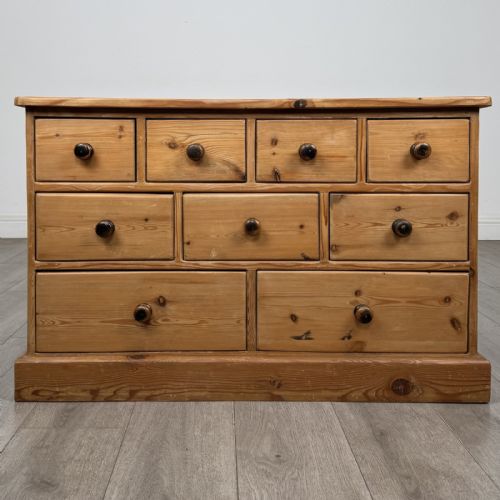
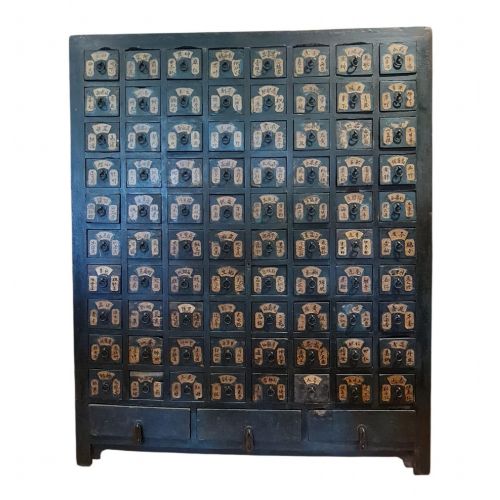
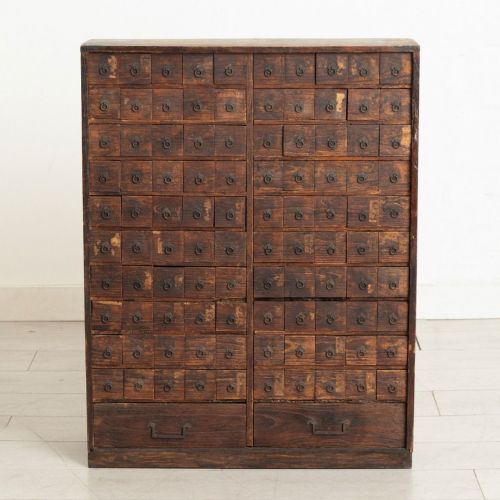
The pieces listed on this page originate predominantly from nineteenth-century Japanese workshops, alongside Chinese provincial cabinets and English pine bases. These items combine practical compartment layouts with regional aesthetic traditions spanning the Victorian era and the Meiji period.
Materials and construction
Construction relies heavily on regional timbers such as elm, cedar, pine, keyaki, and zelkova wood, often complemented by iron and brass hardware. Cabinetmakers utilised durable joinery to build heavy banks of drawers and wheeled tansu designed for daily use.
Surfaces feature finishes ranging from natural wood grains to red lacquer work, highlighting the utilitarian origins of these storage pieces. Iron handles and corner plates reinforce the structure while adding functional detail.
Traditional Merchant Chest Retail Price Guide 2026
Typical asking prices for traditional merchant chest among the pieces listed under this phrase on Sellingantiques today, from the lower quarter to the upper quarter. They describe what is for sale here now, not the wider market.
Regional cabinetry represented here spans traditional Japanese tansu workshops, Chinese Qing dynasty apothecary cabinets, and English pine bases.
Indicators of quality
Quality in a traditional merchant chest rests on the integrity of the timber and the complexity of the internal drawer arrangement. Pieces featuring numerous small drawers, such as apothecary cabinets, require precise carpentry to ensure smooth operation across dozens of compartments.
The choice of materials also distinguishes the build, with dense hardwoods like elm and zelkova offering greater durability than softer pines. Original iron or brass hardware and intact lacquer finishes contribute significantly to the character of the piece.
The Traditional Merchant Chest Glossary
- Tansu
- A traditional Japanese mobile or stationary cabinet used for storage. These pieces encompass various regional forms including merchant, kitchen, and wheeled chests.
- Apothecary cabinet
- A specialised multi-drawer storage unit originally designed for holding medicinal herbs, powders, and ingredients. They feature numerous small drawers arranged in orderly rows.
- Zelkova wood
- A durable hardwood native to East Asia, frequently utilised in traditional Japanese cabinetry for its strength and prominent grain. It provides a robust structure for heavy-use storage pieces.
- Meiji Period
- A historical era in Japan spanning from eighteen sixty-eight to nineteen twelve, associated with significant social and artistic development. Cabinetry from this time reflects established regional woodworking traditions.
- Kuruma-Dansu
- A specific type of Japanese wheeled chest designed for mobility during fires or emergencies. These heavy storage units feature integrated wooden or iron wheels beneath the main body.
Traditional Merchant Chest: Frequently Asked Questions
What is a tansu chest?
A tansu chest is a traditional form of Japanese mobile or stationary cabinetry built for domestic storage.
These pieces range from kitchen units and merchant chests to wheeled storage cabinets.
How were apothecary cabinets used?
Apothecary cabinets served to store and organise large quantities of dry goods, herbs, or medicines.
The numerous small drawers allowed merchants and practitioners to categorise their inventory efficiently.
What woods are used in these chests?
Cabinetmakers utilised a variety of regional timbers including elm, cedar, pine, keyaki, and zelkova wood.
Hardwoods provided structural strength for heavy multi-drawer units and frequently received iron or brass reinforcement.