


Traditional Mahogany China Cabinet
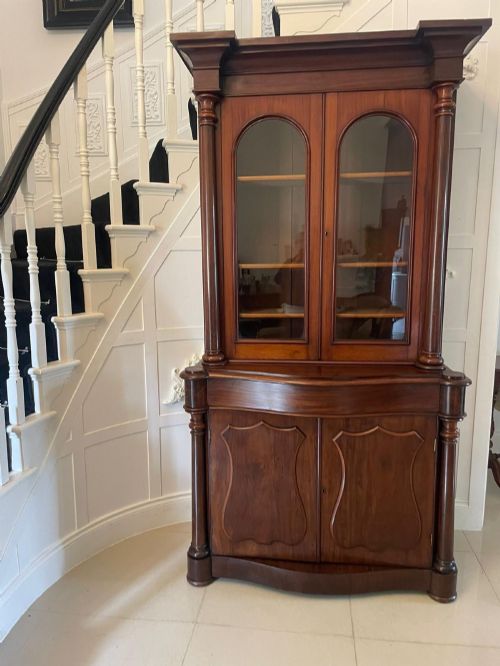
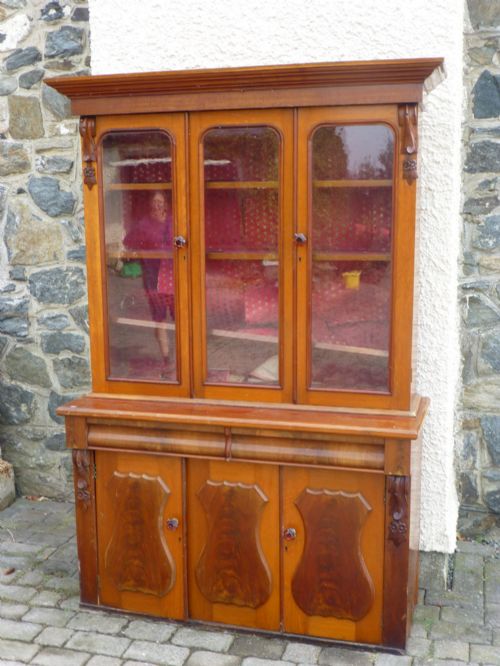
A traditional mahogany china cabinet brings structured timber and clear glass together to display porcelain.
Traditional Mahogany China Cabinet
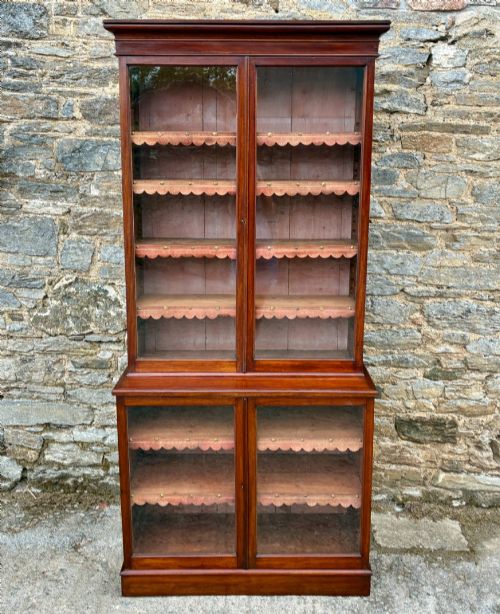
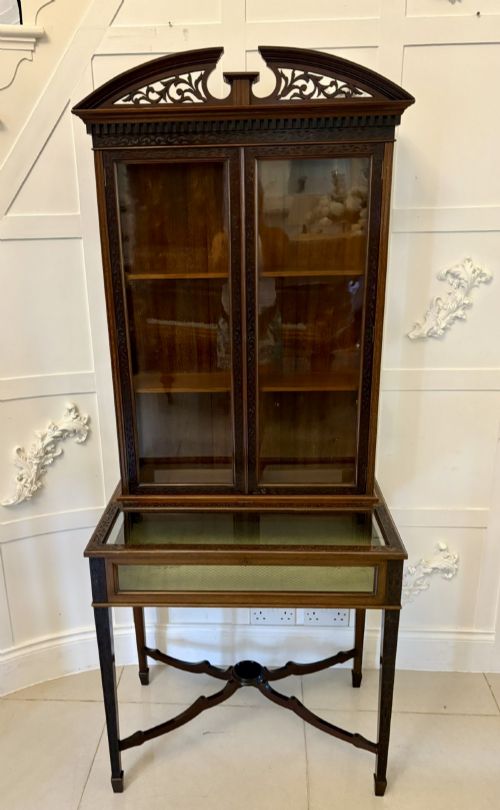
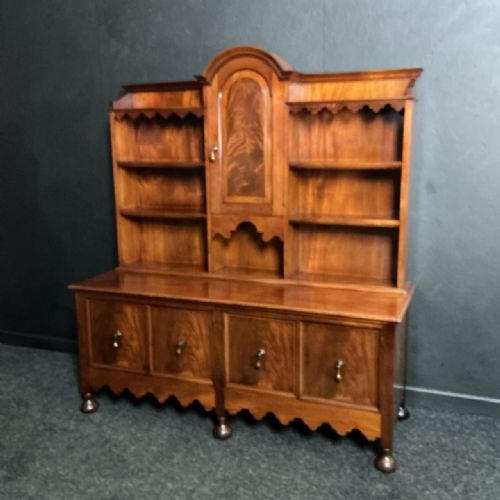
A traditional mahogany china cabinet combines display space for ceramics with enclosed storage, drawing on styles from the Georgian, Victorian, and Edwardian eras. Buyers searching for a traditional mahogany china cabinet encounter forms ranging from tall breakfront bookcases and vitrines to corner cabinets and dressers.
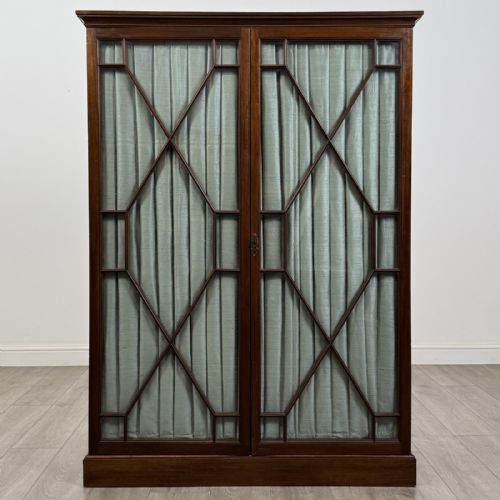
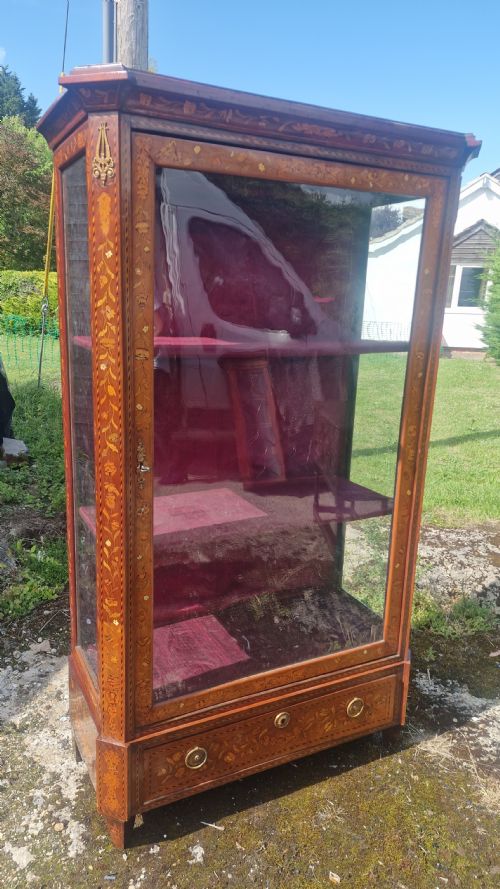
The pieces listed on this page span the eighteenth, nineteenth, and early twentieth centuries, alongside revival pieces built in later decades. Construction often incorporates glazed doors, sometimes featuring astral bars or marquetry inlay alongside the primary timber.
Materials and construction methods
Makers utilised solid mahogany and flame mahogany veneers over secondary timbers such as oak and walnut, accented with satinwood inlay and brass hardware. Glass panels are integrated into doors designed to protect porcelain and display collections.
Construction techniques include traditional joinery suited to large breakfront bookcases and corner cabinets, with decorative elements like carving and marquetry applied to Georgian style and Dutch marquetry pieces.
Object forms include breakfront bookcases, corner cabinets, vitrines, and kitchen dressers spanning multiple revival styles.
Assessing quality in timber and design
Quality rests in the selection of timber figures, such as flame mahogany, and the precision of inlaid satinwood or marquetry details. Superior examples exhibit balanced proportions and refined carving rather than heavy proportions.
The integrity of the glazed doors and the proportion of the cornice separate standard production from finer cabinet work, while internal velvet linings and brass fittings contribute to the character of the piece.
The Traditional Mahogany China Cabinet Glossary
- Breakfront
- A large cabinet design where the central section projects forward from the flanking wings. This format creates a strong architectural presence in a room.
- Astral glazed
- Glass doors divided into smaller panes by wooden glazing bars, commonly found on bookcases and display cabinets. It provides a traditional grid pattern across the opening.
- Marquetry
- Decorative veneer work created by fitting pieces of different woods, such as satinwood, into a contrasting ground timber. Dutch examples often display floral motifs.
- Flame mahogany
- A distinct grain pattern obtained from the fork of the mahogany tree, showing a flamelike figure. Cabinet makers used this veneer on prominent surfaces to create visual depth.
Traditional Mahogany China Cabinet: Frequently Asked Questions
Where should I place a china cabinet?
These tall display pieces require stable wall space away from direct sunlight to protect timber finishes and antique glass from thermal shock.
Positioning them in dining rooms or drawing rooms allows the glazed doors to showcase ceramic collections while keeping them secure.
How do I clean mahogany furniture?
Dust the timber regularly with a soft, dry cloth to prevent particulate buildup on the polished surface. Avoid silicone sprays that can damage old finishes.
Periodical application of beeswax maintains the moisture and sheen of antique mahogany without leaving a heavy residue.
Can these cabinets hold heavy books?
Many examples function as both bookcases and display cabinets, featuring sturdy adjustable shelving designed to support loaded volumes. Check the depth of the shelves before loading large folios.
Heavier items belong on lower timber shelves, while upper glazed sections suit lighter china and decorative porcelain.
How do I distinguish Edwardian from Georgian cabinets?
Georgian pieces from the eighteenth century or later revivals often display restrained classical proportions, architectural cornices, and solid proportions. Edwardian cabinets from the early twentieth century frequently incorporate lighter inlaid decoration, satinwood banding, and brighter finishes.
Examining the internal timber construction, drawer linings, and backboards helps confirm the manufacturing period of each piece.