

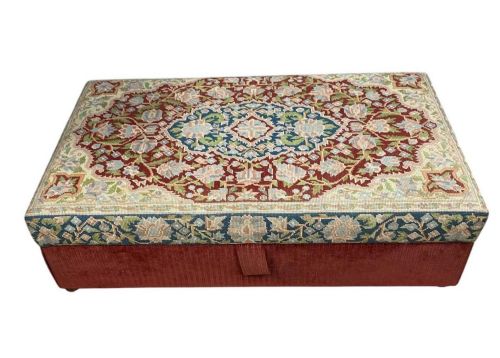
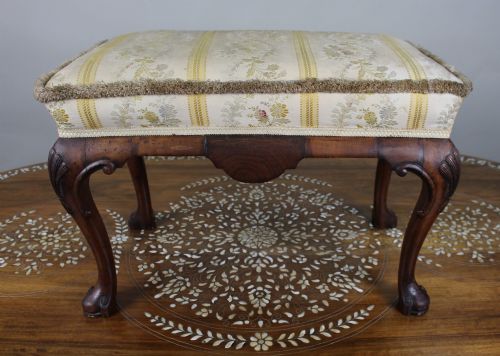

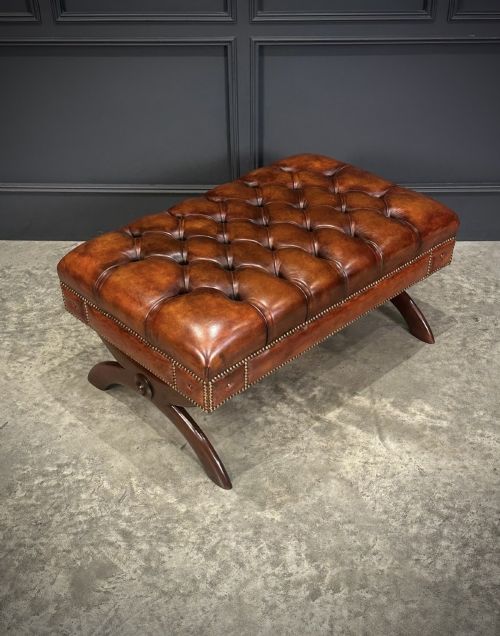
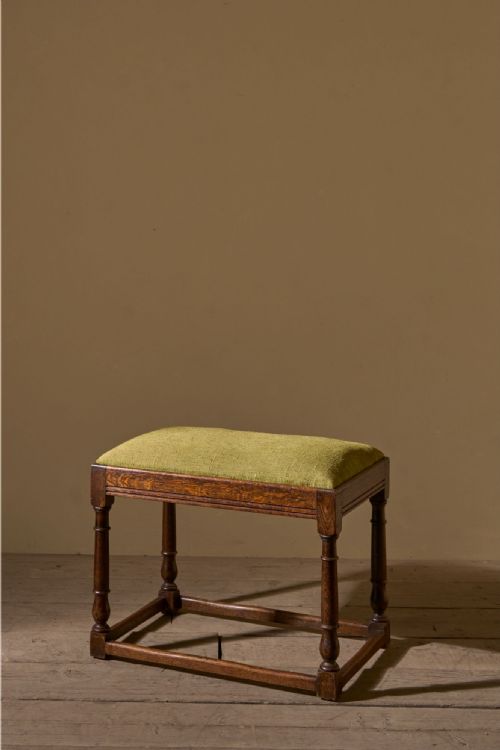
Traditional Low Footstool
A traditional low footstool brings quiet utility and grounded character to a room, offering a modest seat or a resting place for tired feet.
Traditional Low Footstool
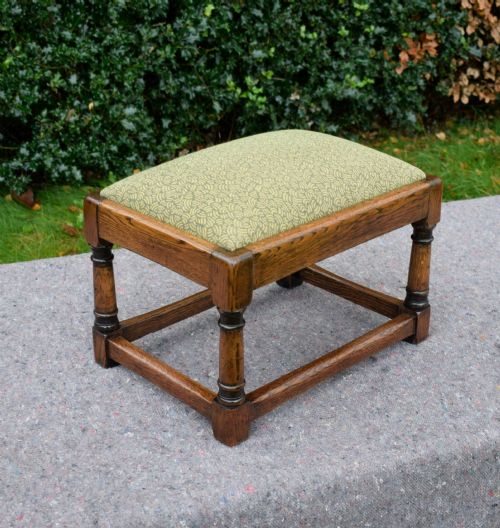
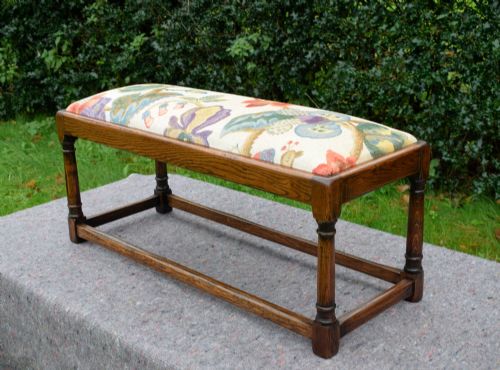
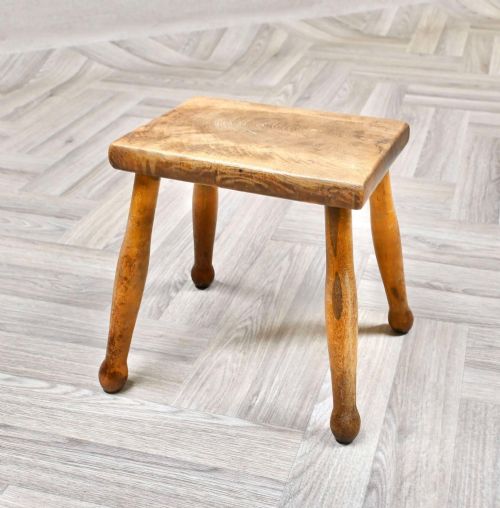
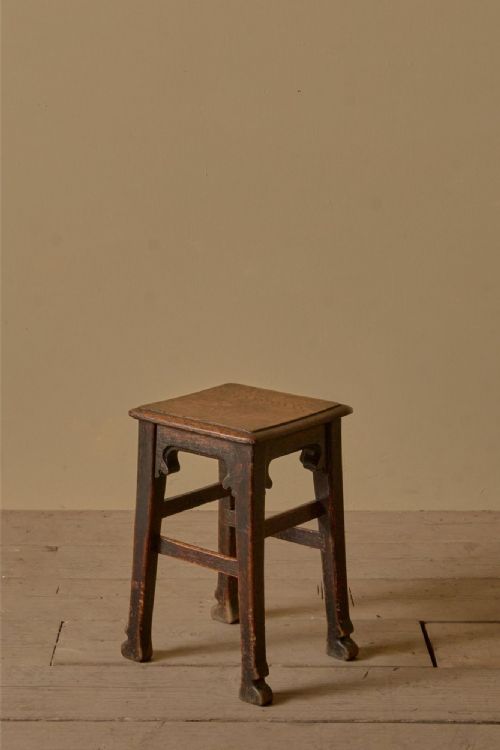
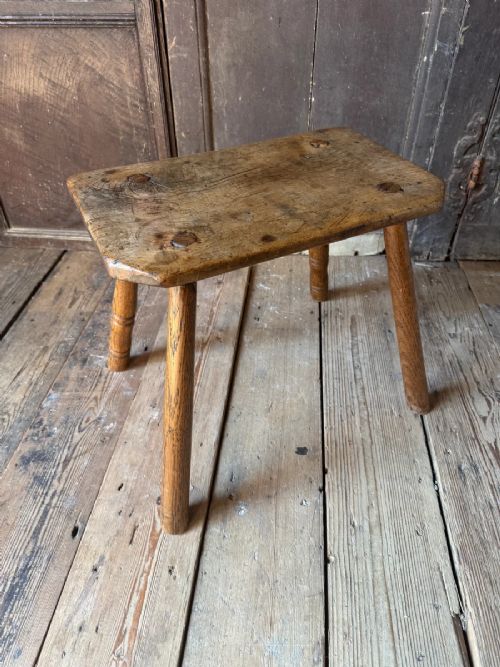
A traditional low footstool is a compact piece of seating furniture designed to sit close to the floor, frequently paired with armchairs or firesides. Buyers seeking a traditional low footstool will find pieces originating primarily from the nineteenth and early twentieth centuries, spanning periods from the Victorian era through the Edwardian years and into the 1930s.
Originating largely from British and European domestic settings, these pieces reflect the utilitarian and decorative needs of period interiors. Whether covered in heavy linen, leather, wool, or needlework, each object serves as a tangible link to historical domestic life.
How they were made
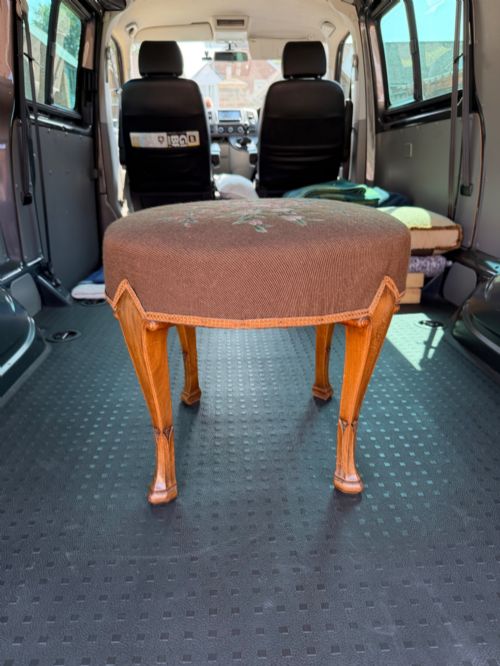
Makers utilised a variety of native and imported hardwoods, most notably oak, mahogany, walnut, elm, and beech, alongside secondary softwoods like pine. These timbers provided the structural integrity needed for daily use, whether shaped into cabriole legs, turned supports, or sturdy jointed frames.
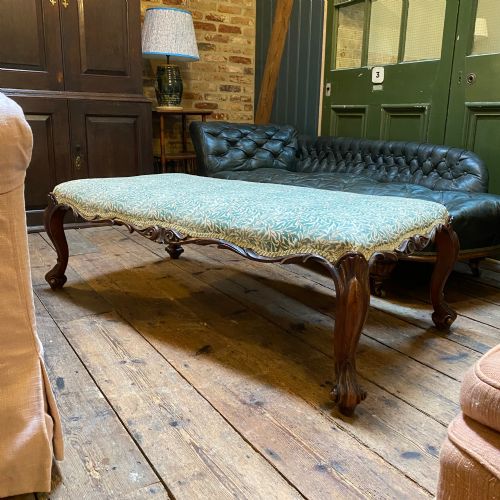
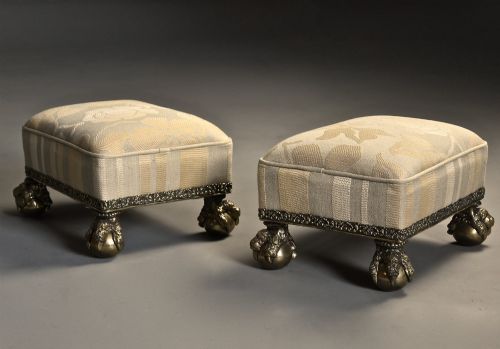
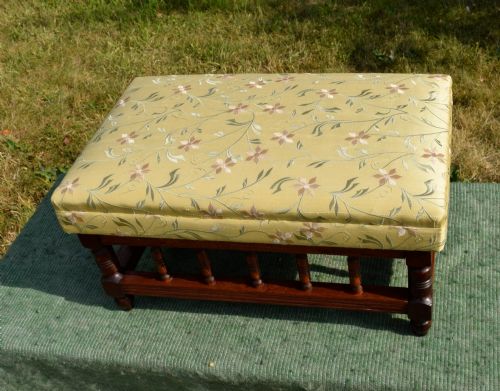
Upholstery techniques played a central role in finishing many examples, employing textiles such as fabric, leather, wool, and heavy green linen stuffed over webbing or webbing-free foundations. Additional detailing often included brass castors, woven rattan, and caning to enhance mobility and texture.
Traditional Low Footstool Retail Price Guide 2026
Typical asking prices for traditional low footstool among the pieces listed under this phrase on Sellingantiques today, from the lower quarter to the upper quarter. They describe what is for sale here now, not the wider market.
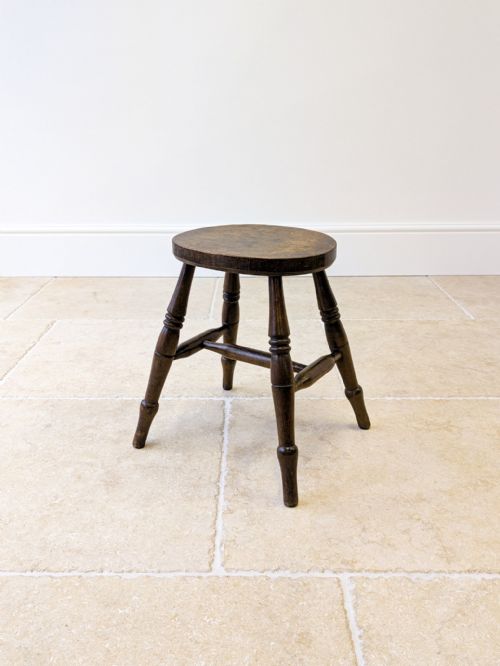
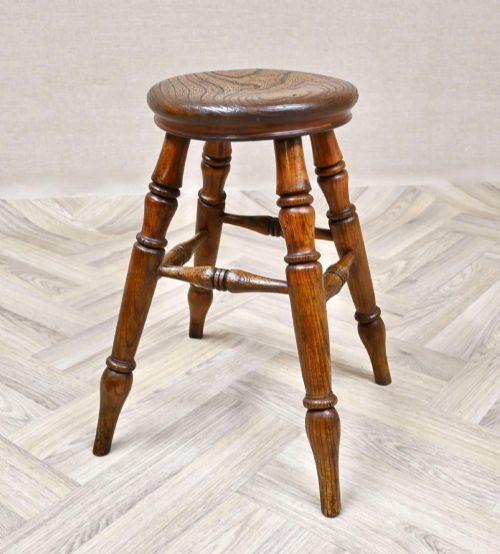
The inventory includes various forms such as joint stools, caned seats, and pieces mounted on brass castors.
What varies in quality
The choice of timber and the precision of the joinery set finer examples apart from everyday utility items, with selected hardwoods displaying superior grain and stable construction. Finer pieces often feature deliberate stylistic references, such as carved cabriole legs or accurate period revival details.
The execution of the upholstery and the retention of original surface patination strongly influence the character of each piece. Well-balanced proportions and honest signs of age elevate an object above standard vernacular workshop output.
Jack Grimble
The Traditional Low Footstool Glossary
- Joint stool
- A sturdy wooden stool constructed with mortise and tenon joints held together by wooden pegs rather than metal nails. These early forms date back centuries and were often used for sitting or standing.
- Cabriole leg
- A furniture leg that curves out gracefully and then narrows inward, resembling the front leg of an animal. This decorative feature became popular during the eighteenth century and reappeared in later revival styles.
- Caning
- A seating material woven from peeled rattan or similar plant stems to create a light, patterned mesh surface. It offers flexibility and breathability for chair and stool seats.
- Vernacular
- Everyday objects made by local craftspeople using traditional regional techniques and materials, rather than following high-style academic designs. These pieces often prioritise practical function over ornament.
- Needlework
- Hand-stitched textile work, often executed in wool or silk on a canvas ground, used historically to cover furniture seats. It introduces intricate patterns and colour to domestic interiors.
Traditional Low Footstool: Frequently Asked Questions
What is a traditional low footstool used for?
These low seats were originally placed near firesides or armchairs to elevate tired feet and provide extra casual seating in crowded rooms. Their modest height made them easy to tuck away when not in use.
Today, they function just as well as decorative accents, impromptu plant stands, or subtle low surfaces in living spaces and bedrooms.
Are these footstools recently upholstered?
Many surviving pieces retain either older historic coverings or have received fresh upholstery using traditional textiles like linen, wool, or leather. Upholstery choices often respect the aesthetic of the period while ensuring the piece remains usable.
Examining the fabric and underneath webbing helps determine whether a textile covering is a recent replacement or a preserved antique element.
How do I care for antique wood and fabric?
Protect wooden frames by keeping them away from direct heat sources and sudden humidity changes to prevent the timber from splitting. Regular dusting with a soft, dry cloth preserves the natural surface patination.
For upholstered sections, gentle vacuuming with a low-suction attachment keeps textiles clean without straining historic threads or stuffing.