

Traditional Lounge
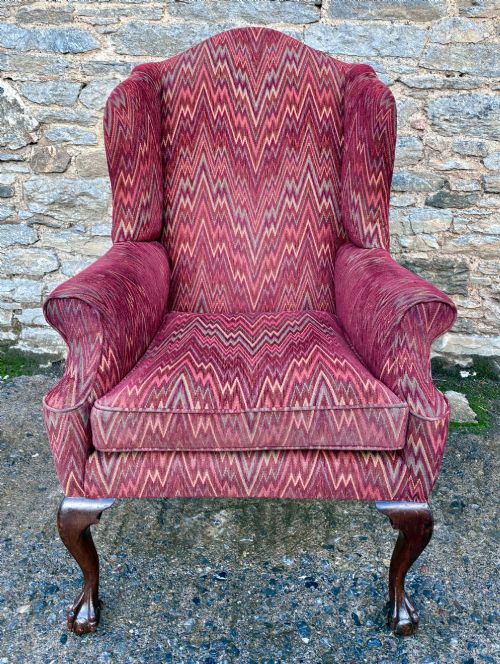
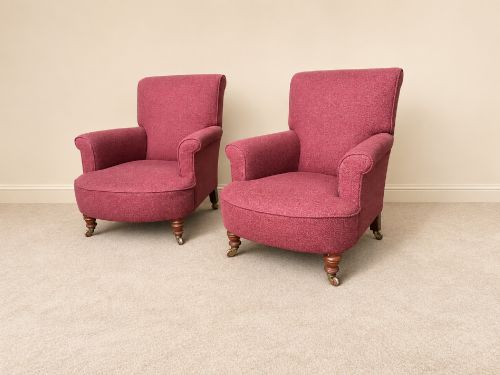
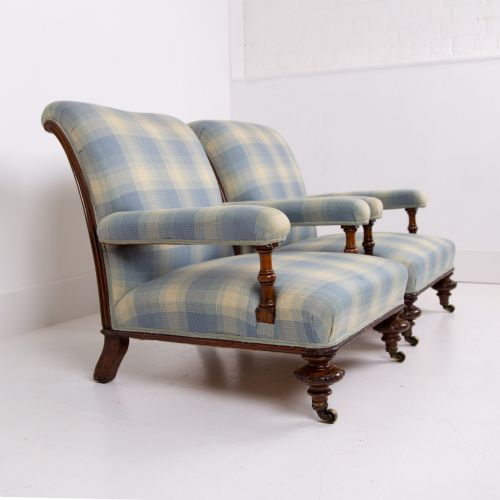
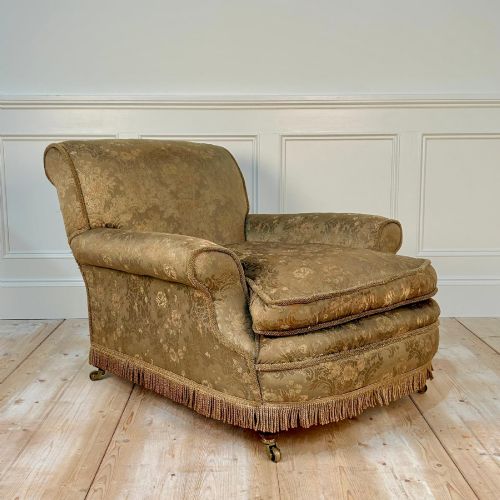
Traditional lounge seating gathers Victorian button backs, Edwardian wing chairs, and mahogany framed armchairs designed for deep comfort.
Traditional Lounge
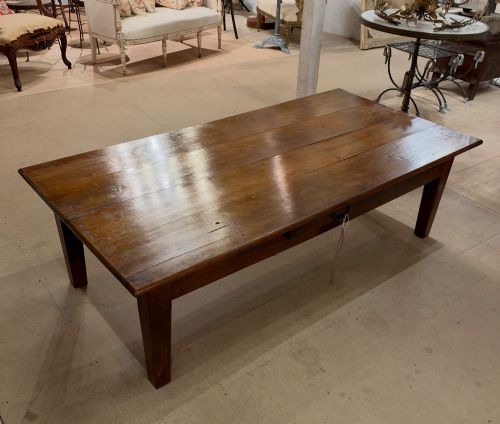
A traditional lounge encompasses nineteenth and early twentieth century seating forms such as armchairs, sofas, daybeds, and occasional coffee tables. These pieces originate from periods including the Victorian, Edwardian, and Georgian eras, reflecting diverse regional styles from English country house to French provincial.
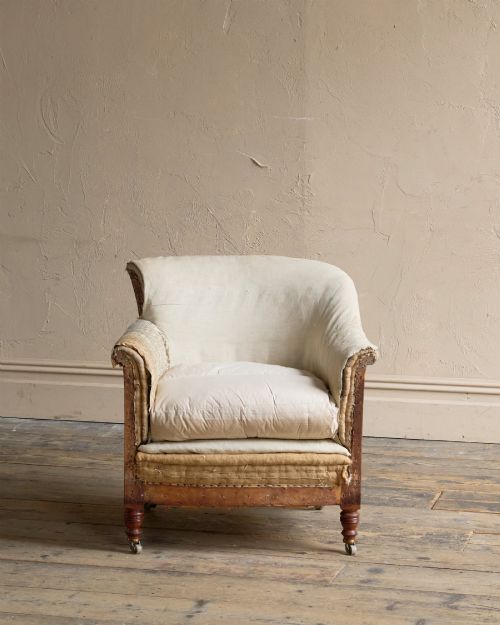
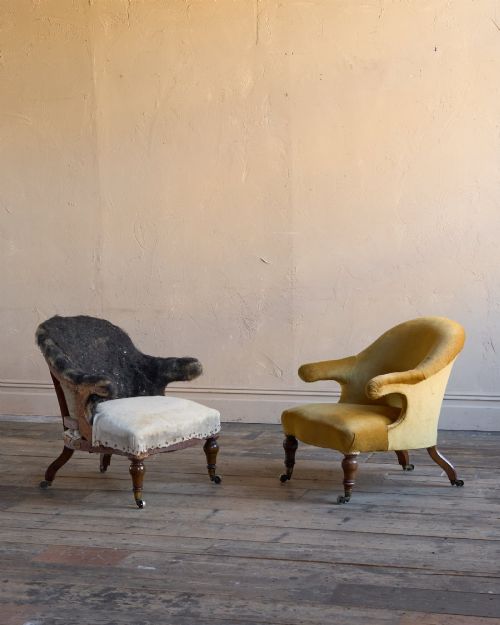
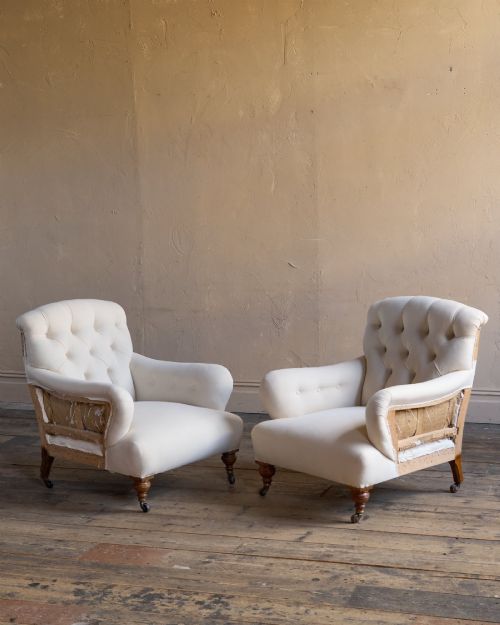
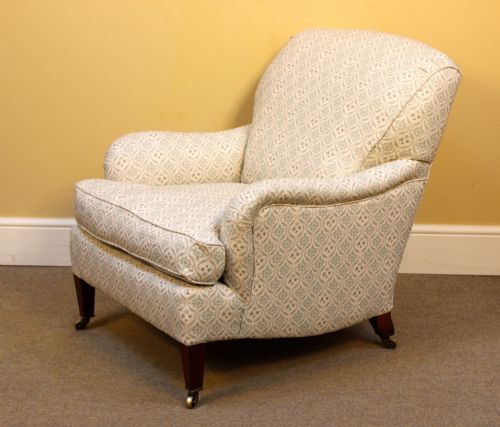
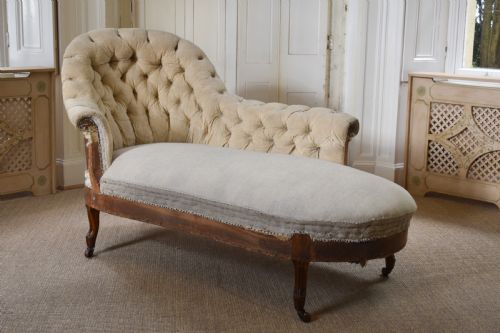
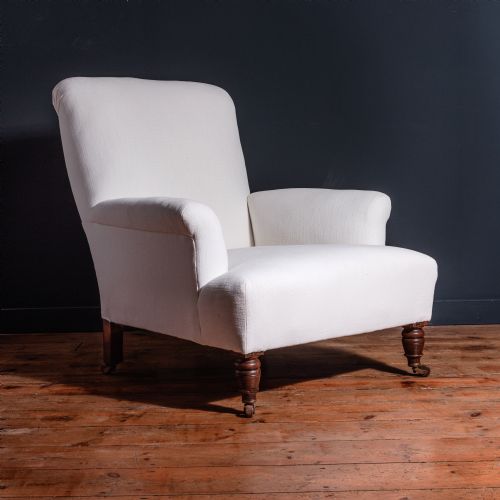
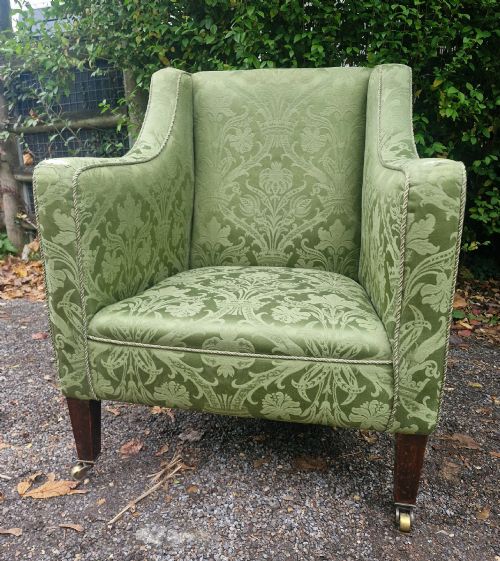
Armchairs dominate this selection, featuring button backs, wing backs, and deep sprung seats upholstered in velvet, fabric, leather, and brocade. Buyers encounter sturdy wooden frames constructed from mahogany, walnut, oak, satin birch, and rosewood alongside utilitarian pine tables.
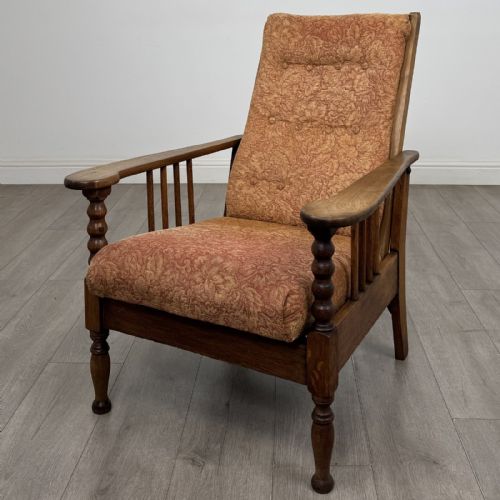
Seating arrangements range from solitary library chairs and reclining armchairs to grand daybeds and matching pairs designed for domestic comfort. The assortment bridges formal nineteenth century parlour designs and relaxed twentieth century club chairs.
How they were made
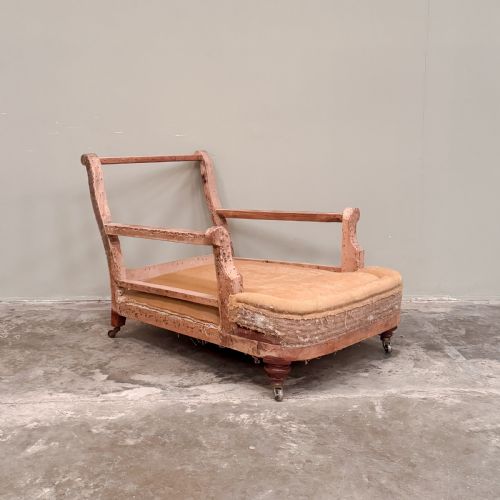
Makers built structural frames using dense hardwoods like mahogany, walnut, oak, and satin birch, often employing turned or tapered legs and carved details. Joinery techniques relied on traditional methods to support heavy use and internal springing systems.
Upholstered surfaces combined supportive hessian webbing with deep springs and stuffing, finished in textiles such as velvet, leather, brocade, and fabric. Button tufting secured the internal padding while creating distinctive geometric patterns across backs and arms.
Traditional Lounge Retail Price Guide 2026
Typical asking prices for traditional lounge among the pieces listed under this phrase on Sellingantiques today, from the lower quarter to the upper quarter. They describe what is for sale here now, not the wider market.
Listings feature nineteenth and early twentieth century seating, spanning Victorian button backs to Edwardian wing chairs in mahogany, walnut, and velvet.
What varies in quality
Quality separates ordinary production pieces from fine cabinetmaker work through the selection of timber and the precision of carved ornamentation. Superior frames utilise richly figured mahogany, walnut, or satin birch with crisp architectural details rather than plain secondary woods.
The integrity of internal springing and traditional upholstery methods dictates the longevity and comfort of each seat. Pieces retaining original webbed bases, robust frame joints, and high grade textiles represent higher standards of period craftsmanship.
Howard and Sons·Whytock and Reid·George Jack for Morris and Co
The Traditional Lounge Glossary
- Bergère
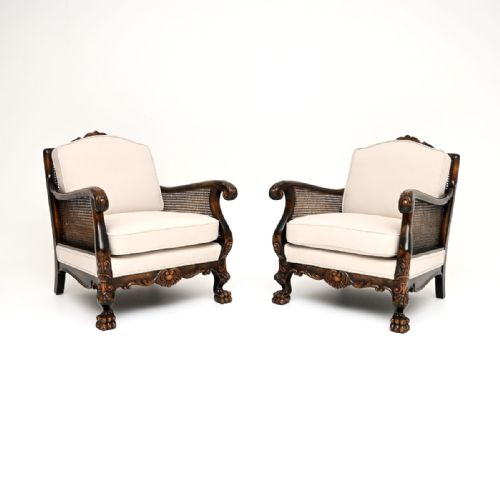
- An enclosed armchair with stuffed upholstery and cane or wicker side panels. This form originated in France during the eighteenth century and remained popular through later revival periods.
- Button back
- A traditional upholstery style where deep buttons are pulled tightly through the padding to form a diamond grid. This technique secures internal stuffing while adding decorative relief.
- Overmantel mirror
- A large decorative looking glass designed to hang directly above a fireplace mantelpiece. These mirrors often incorporate carved wooden frames matching period interior joinery.
- Wing back
- An armchair featuring protective side panels attached to the upper back to shield the sitter from draughts. Early versions appeared in domestic interiors during the eighteenth century.
- Chesterfield
- A large deep buttoned sofa with arms and back of equal height. This classic seating form provides generous proportions for formal and informal reception rooms.
Traditional Lounge: Frequently Asked Questions
What is a bergere armchair?
A bergere armchair is an enclosed seat featuring wooden frames and woven cane or upholstered side panels. These chairs originated in France and offer lighter proportions than heavy Victorian lounge furniture.
Such pieces suit reading corners and drawing rooms where visible timber frames and textural cane work complement traditional interiors.
How do I identify a Victorian armchair?
Victorian armchairs typically display sturdy mahogany or walnut frames, deep button tufting, and heavy sprung upholstery. Their silhouettes prioritise domestic comfort and robust construction.
Common variants include gentleman reading chairs, low occasional seats, and high backed wing chairs designed for nineteenth century parlours.
What defines Edwardian lounge furniture?
Edwardian lounge pieces often feature lighter timber frames, tapered legs, and refined upholstery styles. Designers moved away from heavy Victorian gloom toward brighter, more versatile domestic seating.
These items blend easily into modern living spaces while retaining period craftsmanship and traditional joinery methods.
Where were daybeds used?
Daybeds and loungers provided informal resting spaces in bedrooms, libraries, and morning rooms before evening entertaining began. Their elongated proportions accommodated reclining without requiring a full bed.
Upholstered in velvet, fabric, or brocade, these pieces served as decorative and practical additions to large country houses.