
Traditional Lighting
Traditional lighting brings period character to a room through the warm glow of bronze chandeliers, brass oil lamps, and wrought iron floor stands.
Traditional Lighting
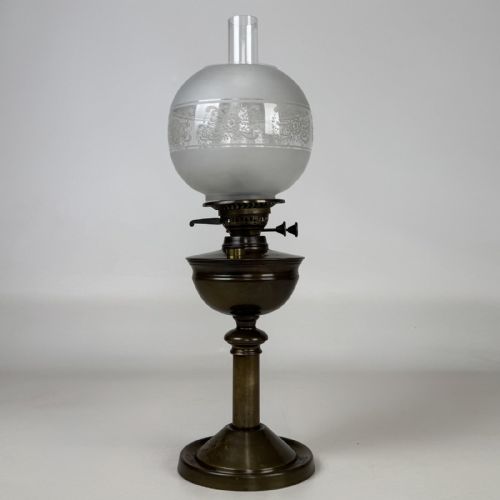
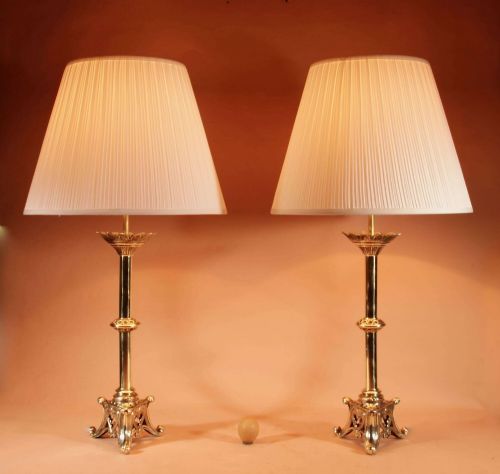
Traditional lighting encompasses chandeliers, wall lights, table lamps, and candlesticks originating from periods spanning the Georgian era to the early twentieth century. Buyers encounter fixtures constructed from brass, bronze, crystal, and glass alongside floor-standing timber standard lamps.
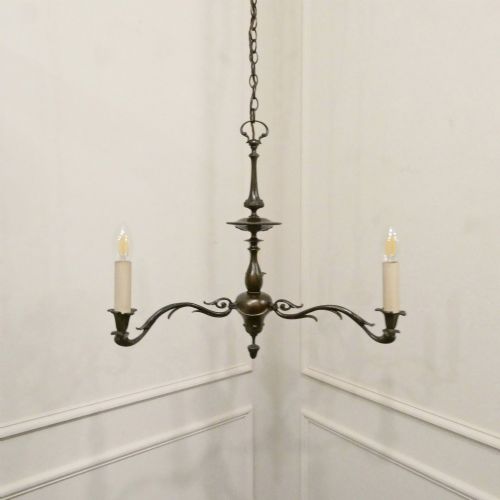
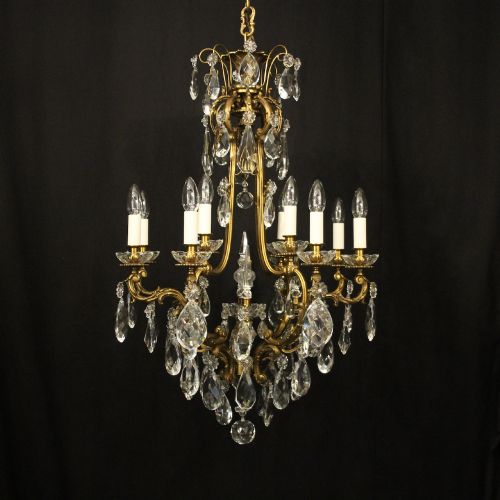
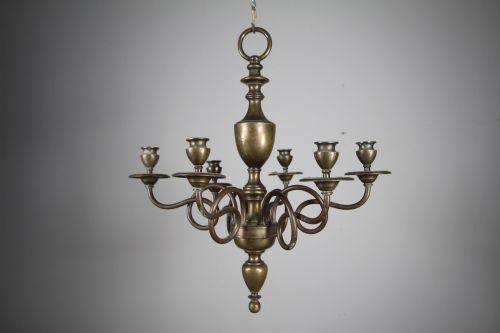
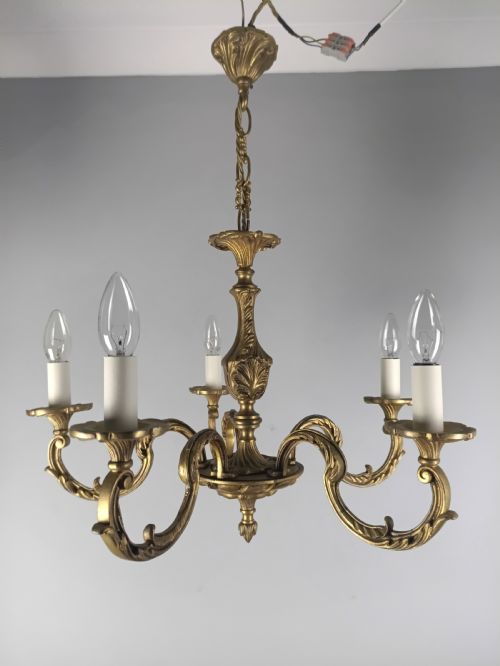
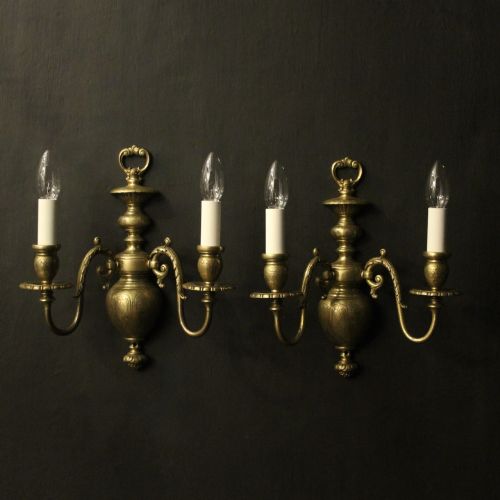
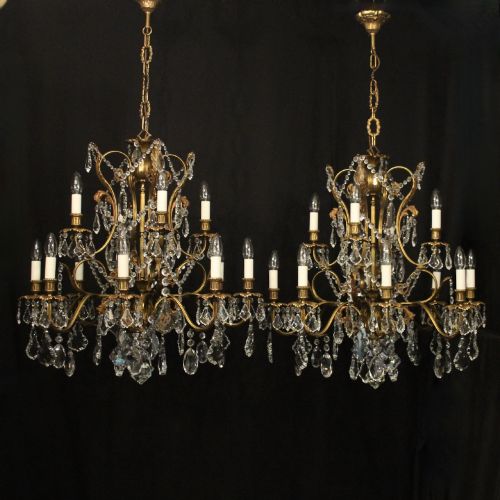
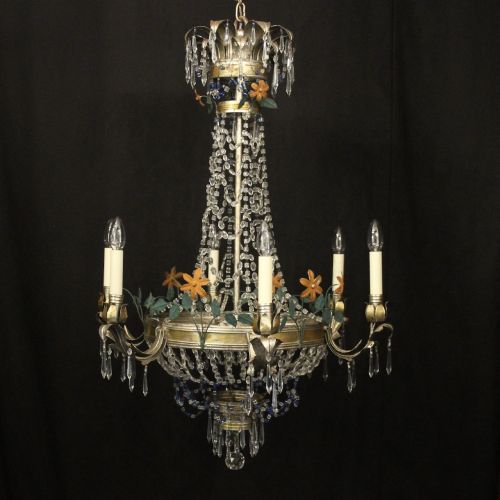
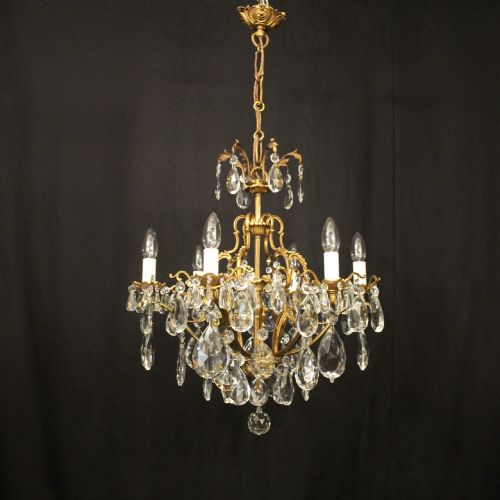
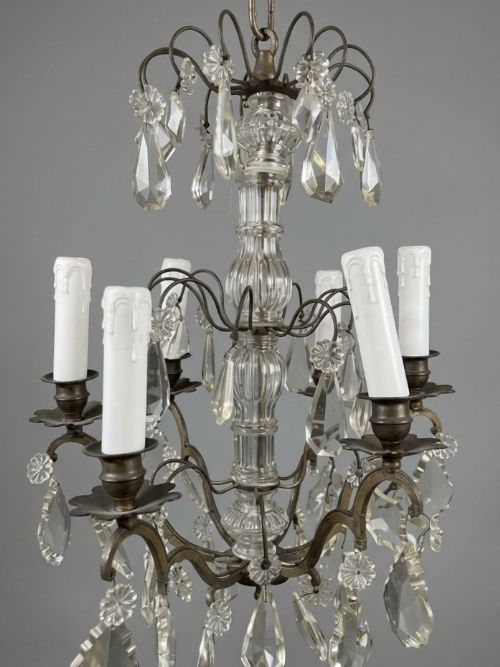
The selection leans heavily toward hanging chandeliers and wall sconces, particularly French gilded and crystal designs alongside nineteenth-century brass oil lamps. Items range from diminutive four-arm candle chandeliers to large twelve-light fixtures designed for high ceilings.
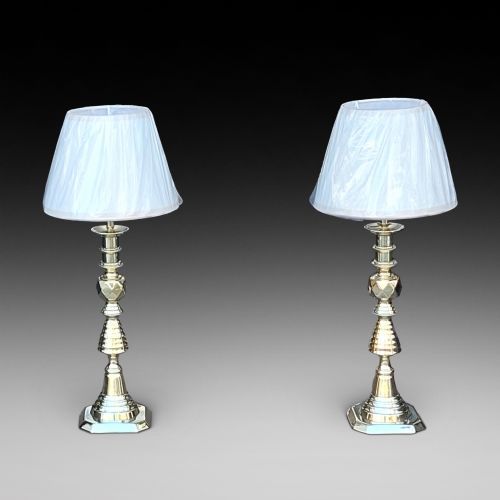
Alongside purely illuminating pieces, the category extends to functional lighting accessories like wrought iron candle stick stands and heavy brass candlesticks. These objects reflect period domestic routines before electricity became universal.
Materials and Construction
Metalworking forms the backbone of these pieces, utilising cast brass, gilt bronze, and forged iron to build structural frames and decorative mounts. Artisans shaped metal through casting and hammering, often finishing surfaces with silver or gold gilding.
Glass and crystal components add refraction and weight, seen in cut glass spikes, frosted glass shades, and draped crystal tent and waterfall assemblies. These transparent elements were hand-cut and pinned to metal armatures with wire.
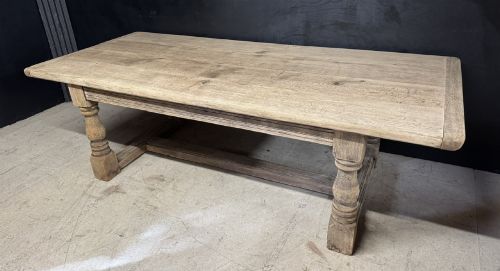
Timber appears in standard lamps and lamp bases, utilising species such as mahogany, oak, and rosewood. Woodturners shaped these supports on lathes, sometimes combining them with metal fittings to hold electrical components or candles.
Listings feature lighting spanning from the Georgian period through the Edwardian era, constructed in brass, bronze, crystal, and glass.
Assessing Quality
Quality rests in the crispness of metal casting and the depth of surface gilding, where fine chasing defines floral and scroll motifs. Heavy bronze and cast brass components hold sharper details than thin pressed metals.
Crystal quality depends on the clarity and precision of the glass cutting, which determines how sharply light refracts through prisms and drops. Hand-cut facets catch light differently than moulded glass alternatives.
Proportion and structural integrity separate standard utility pieces from finer examples. Balanced arm placement on multi-light chandeliers and secure mounting of glass shades indicate deliberate workshop design.
Heals of London
The Traditional Lighting Glossary
- Chandelier
- A branched ceiling-mounted lighting fixture designed to hold multiple candles or bulbs. They often incorporate crystal drops and metal arms.
- Gilt Bronze
- Bronze metal coated with a thin layer of gold leaf or applied gold amalgam. This technique protects the base metal from tarnishing while adding a rich metallic sheen.
- Tent and Waterfall
- A chandelier design where strings of crystal beads form a conical tent shape above a tiered cascade of crystals. This configuration maximises light reflection.
- Wall Light
- A lighting fixture attached directly to a wall surface, sometimes called a sconce. They direct illumination outward and upward into a room.
- Standard Lamp
- A tall freestanding floor lamp designed to hold a single light source and shade. Nineteenth-century examples often utilise turned rosewood or mahogany shafts.
Traditional Lighting: Frequently Asked Questions
How do I wire an antique chandelier?
Rewiring requires running modern flexible cable through the internal channels of the metal arms, bypassing old candle tubes. A qualified electrician should handle the installation to ensure safety and compliance with current standards.
Many period fixtures accommodate modern candle-style LED bulbs that mimic the warm output of original wax candles. This preserves the visual integrity of the design while reducing heat output against fragile crystal and metal.
How do I date an antique lamp?
Dating relies on identifying the manufacturing materials, such as heavy cast bronze versus later stamped brass, alongside stylistic markers like Edwardian turned timber or Victorian frosted glass. Fasteners and threading also provide clues to the period of production.
Patent marks or foundry stamps on metal components can narrow down the decade of manufacture. Comparing the construction methods to documented pieces from the same era confirms the timeline.
Are these lamps suitable for low ceilings?
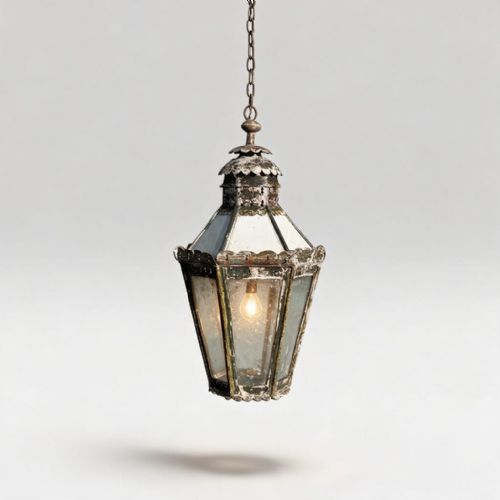
Smaller four-arm candle chandeliers and flush-mounted hall lanterns suit rooms with restricted vertical clearance. Measuring the drop from ceiling to the lowest crystal point ensures safe passage underneath.
Wall lights offer an alternative for low spaces, keeping illumination at eye level without encroaching on headroom. Table lamps and candlesticks similarly provide period lighting without ceiling installation.