

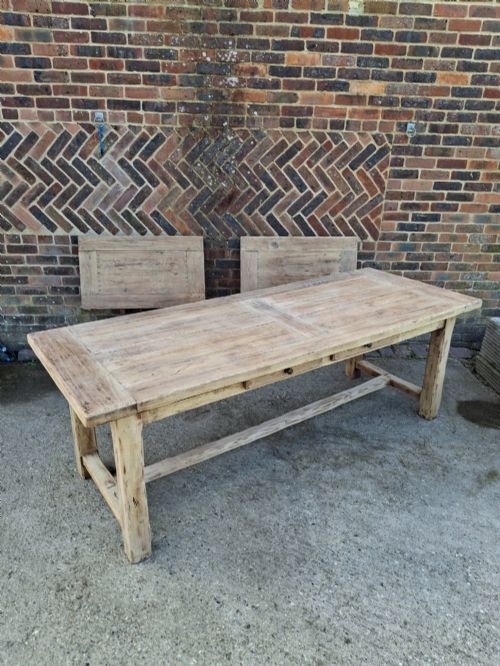
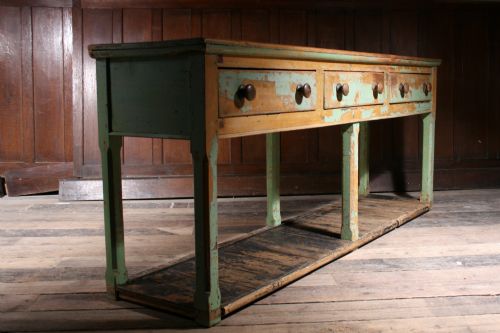
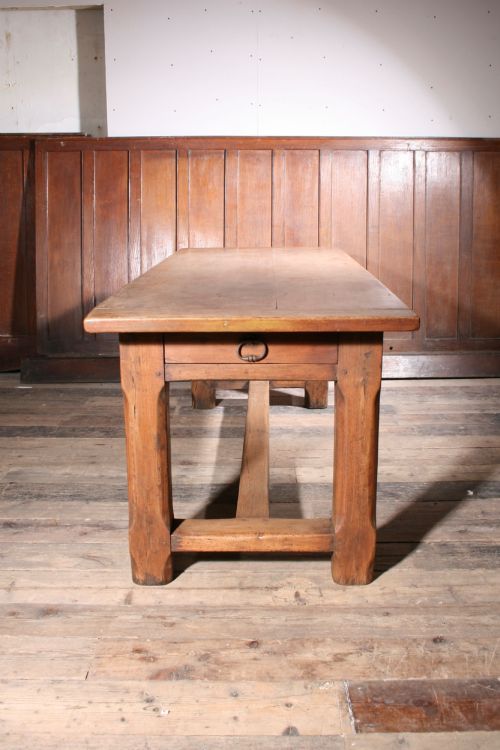
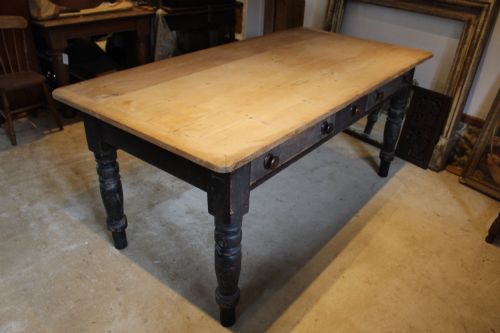



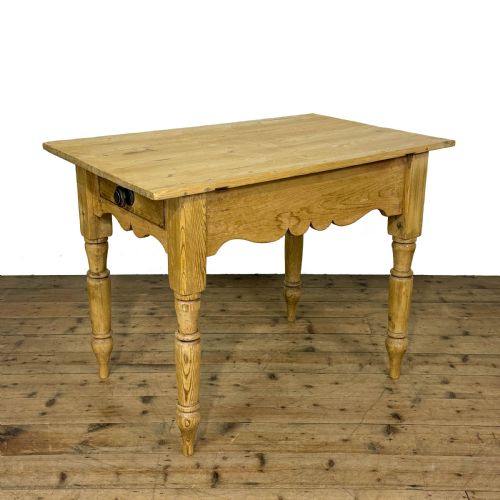
Traditional Kitchen Table Drawers
Traditional kitchen table drawers bring enduring utility to a room, offering practical storage integrated into everyday furniture.
Traditional Kitchen Table Drawers
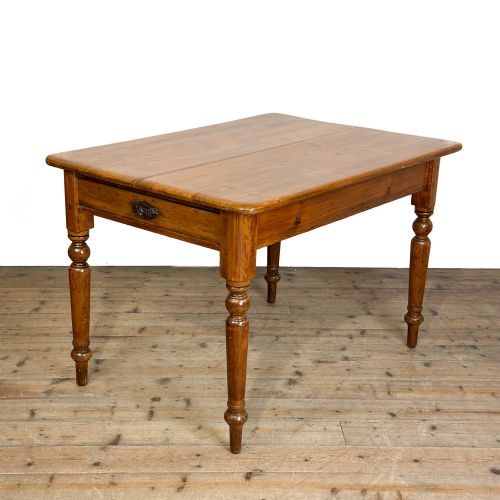
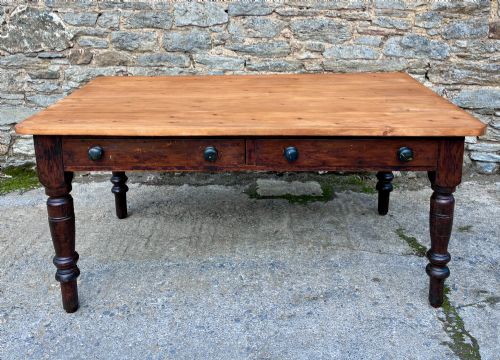
Traditional kitchen table drawers describe utilitarian surfaces and storage pieces designed for domestic work, including farmhouse tables and dresser bases. These items emerge primarily from the eighteenth, nineteenth, and early twentieth centuries, spanning periods such as the Georgian and Victorian eras.
Buyers will most frequently encounter pine farmhouse tables and oak or painted dresser bases on this page. These forms reflect regional English, Scottish, Welsh, French, and Scandinavian country styles.
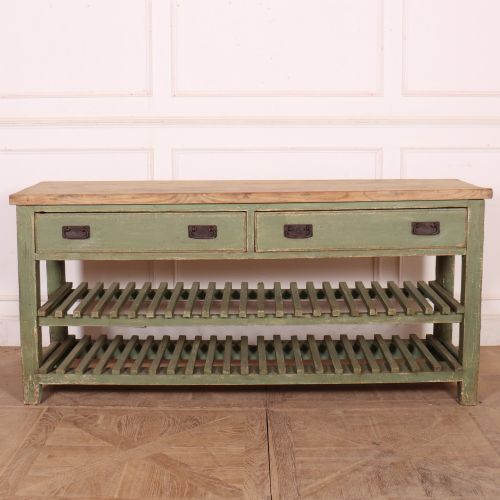
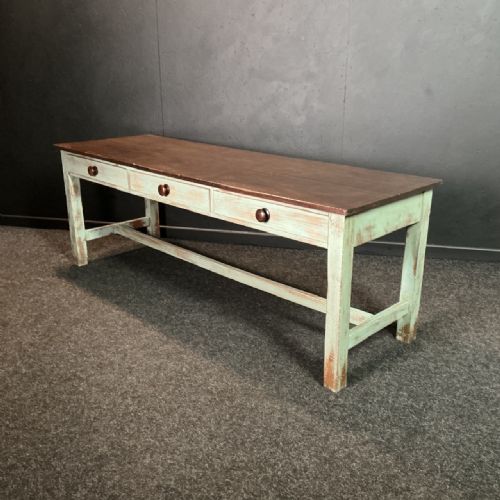
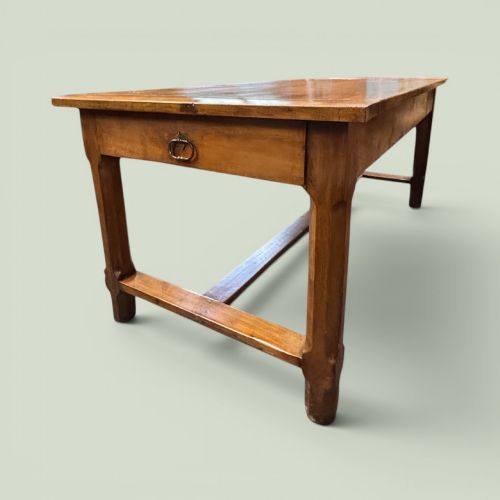
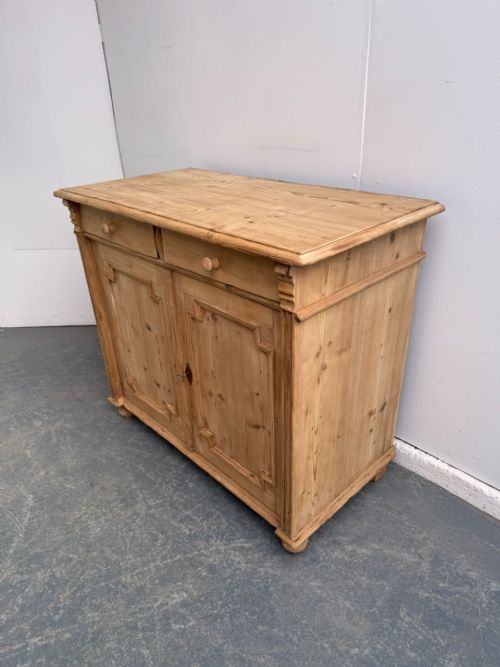
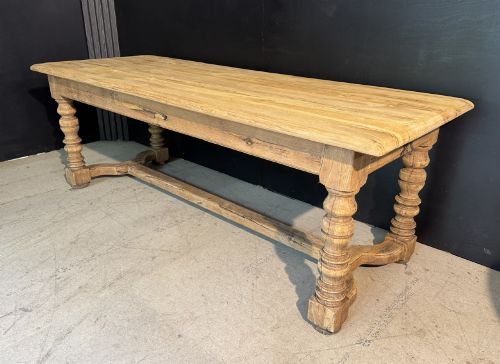
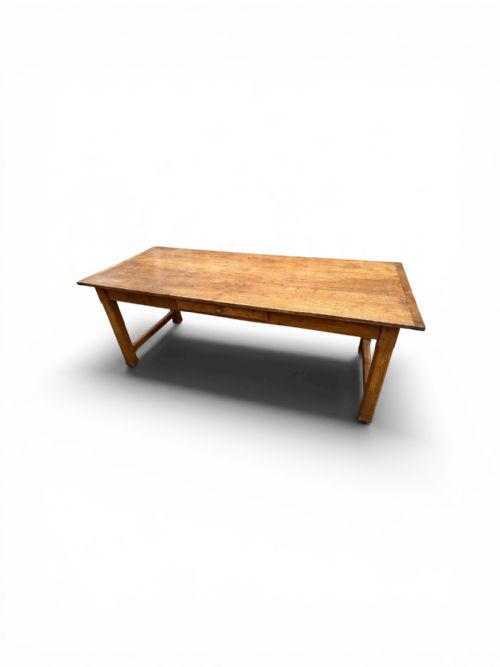
The selection ranges from small side tables and dining tables with single drawers to large multi-drawer potboard dresser bases and refectory tables. Each piece serves a functional role in a domestic interior, combining workspace with enclosed storage.
Construction and Materials
Carpenters built these pieces using solid timbers like pine, oak, ash, elm, beech, and cherrywood. Drawers were integrated into the framing beneath the main surface, sometimes complemented by brass or iron hardware.
Surfaces often show original paint, hand-stripped finishes, or waxed treatments on wood tops. Potboards, stretchers, and end supports provide structural stability to heavy dining and serving tables.
Traditional Kitchen Table Drawers Retail Price Guide 2026
Typical asking prices for traditional kitchen table drawers among the pieces listed under this phrase on Sellingantiques today, from the lower quarter to the upper quarter. They describe what is for sale here now, not the wider market.
Listings feature items from the 18th century, Georgian period, 19th century, Victorian era, and early 20th century up to 1930.
Factors of Quality
Quality rests in the integrity of the timber and the preservation of original surfaces, such as early paint finishes or untouched scrub tops. Solid construction of the drawer framing and legs distinguishes robust daily furniture from lighter builds.
Proportion and regional character drive the distinction between standard utilitarian items and finer country workshop pieces. The retention of original hardware, such as brass pulls or iron fittings, adds to the integrity of an antique.
The Traditional Kitchen Table Drawers Glossary
- Dresser base
- A low sideboard or cabinet featuring drawers and sometimes a lower shelf known as a potboard, used for storing kitchen provisions and tableware.
- Potboard
- An open lower shelf built between the legs of a dresser base or serving table, traditionally used for storing heavy pots and pans.
- Refectory table
- A long, narrow dining table traditionally built with stretcher supports to ensure stability across an extended span.
- Scrub top
- A plain wooden tabletop designed to be vigorously scrubbed clean with water and sand as part of routine kitchen maintenance.
Traditional Kitchen Table Drawers: Frequently Asked Questions
What is a dresser base?
A dresser base is a low rectangular storage piece featuring rows of drawers and occasionally an open lower shelf. It was traditionally placed in kitchens or dining rooms for utensils and provisions.
Unlike tall dressers with shelving plate racks on top, the base stands alone as a sturdy working surface or sideboard.
How are these tables cleaned?
Historic wooden tables with plain or scrubbed tops respond best to gentle cleaning with mild soap and damp cloths. Avoid harsh modern chemicals that strip aged patina from pine and oak.
Waxed surfaces benefit from occasional application of traditional beeswax to nourish the timber and protect the grain.
Can I use a farmhouse table daily?
These tables were built for heavy daily domestic labour, making them exceptionally durable for modern kitchens and dining rooms. Solid wood construction handles normal family use and gathering.
Using mats and avoiding excessive moisture protects the historic timber surfaces from permanent water rings or heat damage.
How do I identify a Victorian table?
Victorian tables often feature dense pine, ash, or beech construction with turned legs and simple dovetailed drawers. They frequently display the results of nineteenth-century domestic use through worn edges and patinated surfaces.
Comparing the timber grain, hardware style, and construction joints helps separate Victorian pieces from earlier Georgian or later twentieth-century examples.