





Traditional Kitchen Console
A traditional kitchen console is a sturdy work surface or dresser base built for heavy use, offering timeless utility and honest charm.
Traditional Kitchen Console
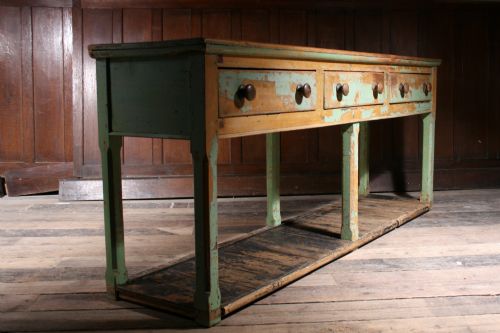
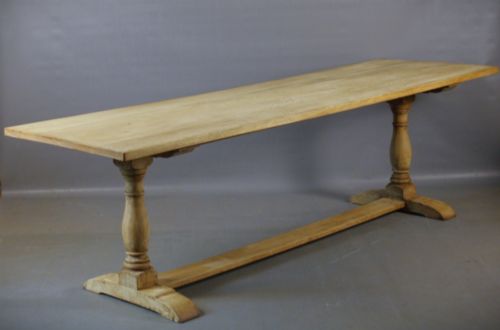
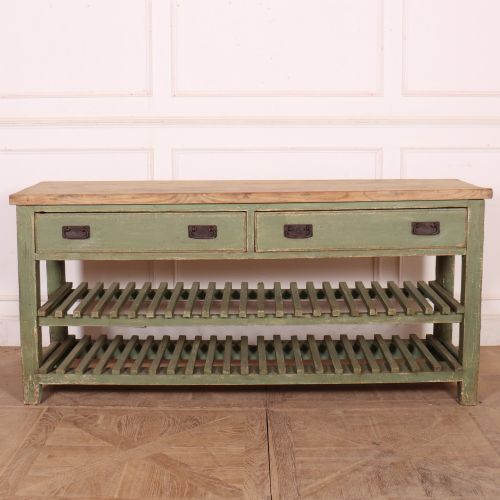
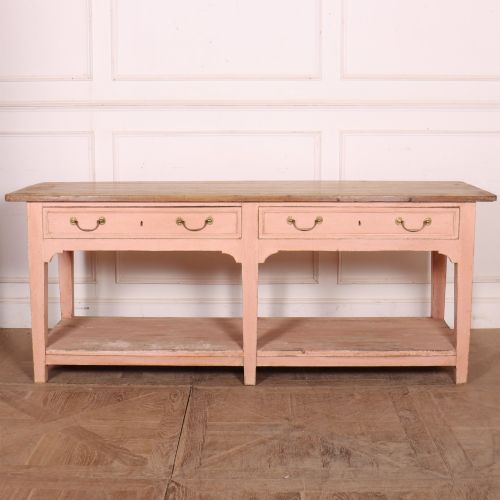
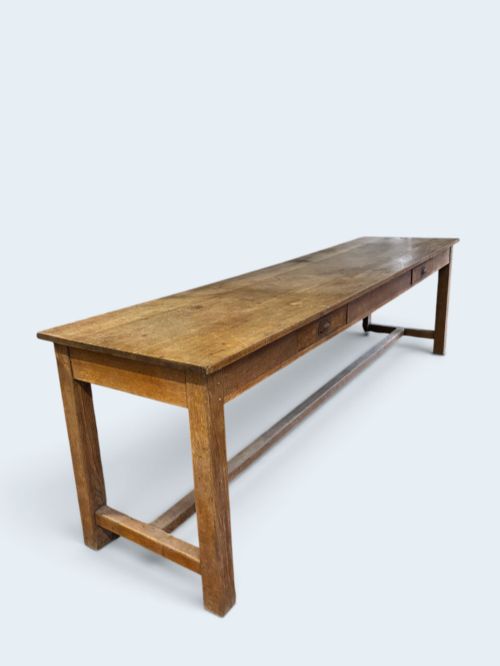
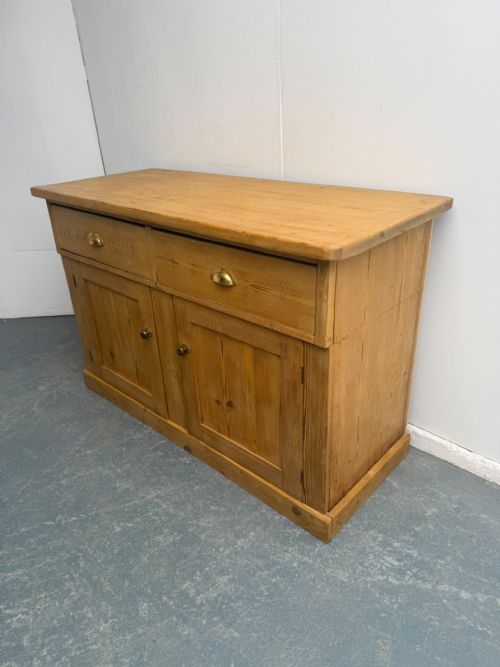
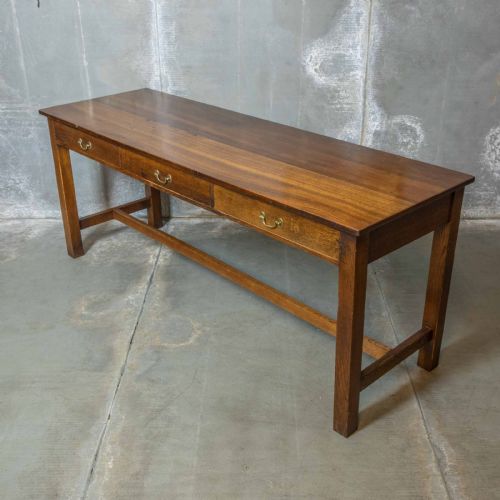
A traditional kitchen console takes many forms on this page, appearing mostly as dresser bases, serving tables, and heavy workbenches. These pieces originate from various regional traditions, spanning English, Welsh, Scottish, and French country workshops.
The materials and construction reflect a utilitarian past, with pieces built from solid oak, pine, beech, and poplar. Makers prioritized heavy top planks and open potboards or multiple drawers for practical storage in busy rural kitchens.
Dated examples stretch from the eighteenth century through the Victorian era and into the early twentieth century. Buyers encounter rustic farmhouse aesthetics, painted finishes, and weathered wood surfaces that show decades of honest domestic work.
How they were made
Carpenters constructed these consoles using solid hardwoods and softwoods like oak, pine, and beech, frequently selecting thick planks for endurance. Joinery relies on traditional methods designed to withstand heavy daily labour without failing.
Surfaces often feature hand-applied paint, wax, or simple bleaching that highlights the grain of the wood over time. Metal fittings such as brass handles and iron vices appear on specific workbench and serving table formats.
Traditional Kitchen Console Retail Price Guide 2026
Typical asking prices for traditional kitchen console among the pieces listed under this phrase on Sellingantiques today, from the lower quarter to the upper quarter. They describe what is for sale here now, not the wider market.
The listings on this page span the eighteenth, nineteenth, and early twentieth centuries, featuring pine, oak, and beech.
What varies in quality
The integrity of the timber and the honesty of the surface patina dictate the character of each traditional kitchen console. Pieces that retain their original potboards, drawers, and structural thickness command deeper appreciation.
Proportion and regional carpentry traits also separate standard utility items from finer country house examples. The balance between the base frame and the working top determines how successfully the piece integrates into a modern interior.
The Traditional Kitchen Console Glossary
- Dresser base
- A lower cabinetry unit featuring drawers and cupboards, often topped with a wide board for food preparation or serving. These pieces served as the central storage hub in historic country kitchens.
- Potboard
- An open lower shelf fitted between the legs of a dresser base or serving table. It was originally used to store heavy pots, pans, and earthenware.
- Workbench
- A heavily constructed heavy-duty table used by artisans or in large country kitchens for demanding tasks. They frequently include integrated vices and thick plank tops.
- Trestle table
- A table consisting of two or more support frames connected by a horizontal beam holding a plank top. This form provides maximum legroom and stability.
- Refectory table
- A long, narrow dining table built for communal dining halls and large country houses. They use sturdy stretcher bases to prevent wobble over long spans.
Traditional Kitchen Console: Frequently Asked Questions
What is a traditional kitchen console?
A traditional kitchen console is a heavy utilitarian table or dresser base designed for food preparation and storage in historic homes. These pieces combine practical surfaces with deep drawers and open lower shelves.
They originate from various regions including England, Wales, Scotland, and France. Each item reflects the domestic or artisan needs of its specific period.
How were these consoles used historically?
Historically, these surfaces acted as prep stations for baking, butchery, and general meal assembly in busy country kitchens. Dresser bases stored earthenware and utensils while keeping daily necessities close at hand.
Workbenches and serving tables accommodated heavy loads and active daily labour. Their robust construction ensured they could handle demanding household tasks without damage.
How do I live with a wooden console?
Living with a wooden console involves embracing the bumps, stains, and wear accumulated over centuries of service. Regular waxing or gentle cleaning preserves the dry or polished patina of the timber.
These pieces anchor a modern kitchen or dining space by adding warmth and historical texture. They function as serving stations, sideboards, or central prep islands.
How can I tell different periods apart?
Earlier eighteenth-century examples often display simpler, hand-hewn oak framing and deeper patination from centuries of use. Victorian and later pieces introduce pine construction, painted finishes, and more standardised hardware.
Regional traits, such as Welsh potboard designs or French artisan vices, also help pinpoint origins. Tool marks and joinery details reveal the shift from hand-tool dominance to later workshop methods.