




Traditional Japanese Bowl
These traditional japanese bowl selections bring together centuries of craftsmanship, offering authentic porcelain and lacquer pieces that anchor any interior display.
Traditional Japanese Bowl
When searching for a traditional japanese bowl, collectors encounter a diverse array of items ranging from seventeenth-century porcelain dishes to twentieth-century lacquer sake cups and wooden hibachi.
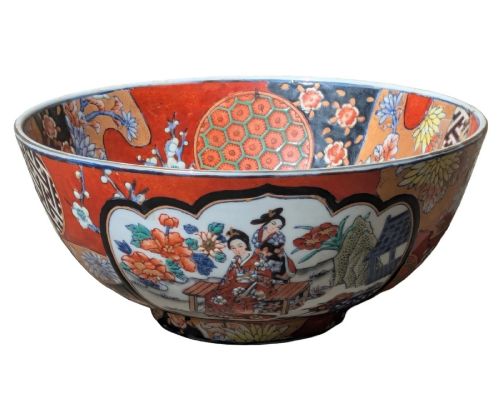
The selections on this page feature notable representations of Japanese Imari porcelain alongside Edwardian export pieces, wooden vessels, and intricately glazed earthenware forms.
Pieces span various eras including the Meiji and Showa periods, alongside earlier Edo examples, demonstrating the enduring appeal of traditional Japanese ceramic and woodworking arts.
Materials and construction methods
Potters and artisans utilised fine porcelain, rich glazes, and red lacquer, often complemented by delicate applications of gold leaf and enamel decoration.
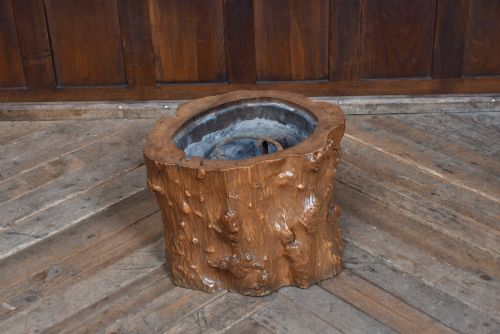
Wooden items such as hibachi showcase robust joinery in timber, while metal accents utilise copper and iron details to balance the primary organic materials.
Traditional Japanese Bowl Retail Price Guide 2026
Typical asking prices for traditional japanese bowl among the pieces listed under this phrase on Sellingantiques today, from the lower quarter to the upper quarter. They describe what is for sale here now, not the wider market.
A set of seven lacquer sake cups suggests someone's ancestor was prepared for one very uneven drinking party.
Assessing quality and craftsmanship
Quality rests upon the precision of the hand-painted enamel work, the vibrancy of the Imari palette, and the preservation of the original glaze surfaces.
Earlier pieces from the seventeenth century demonstrate exceptional potting discipline, whereas later export wares emphasise decorative complexity and form variety.
The Traditional Japanese Bowl Glossary
- Imari
- A style of Japanese porcelain decorated in underglaze blue and overglaze red, gold, and green. It originated in Hizen province and became popular for export during the Edo period.
- Hibachi
- A traditional Japanese heating device typically constructed from wood with a lined interior. These vessels served as portable hearths in domestic settings.
- Lacquer
- A durable, glossy finish derived from tree sap applied in multiple layers to wood or fabric bases. It protects the core material while providing a smooth decorative surface.
- Sake cup
- A small drinking vessel utilised for serving rice wine. Sets often feature matching motifs and fine lacquer or ceramic construction.
Traditional Japanese Bowl: Frequently Asked Questions
How do I date a traditional japanese bowl?
Dating relies on examining the potting style, glaze characteristics, and specific decorative motifs associated with periods such as Meiji or the seventeenth century. Comparing the base and foot ring also provides clues regarding the era of manufacture.
Export wares from the Edwardian era often display different handling compared to earlier domestic pieces. Consultation with stylistic markers helps narrow down the decade or century.
What is Japanese Imari porcelain?
Imari porcelain refers to wares produced in the town of Arita and shipped from the port of Imari. These pieces are distinguished by their rich palette of cobalt blue, iron red, and gilding.
The style evolved through various periods, becoming highly sought after by European collectors. Authentic examples display careful brushwork and distinct iron-red tones.
How were wooden hibachi used?
Wooden hibachi functioned as traditional heating devices in Japanese homes, holding burning charcoal to warm small spaces or heat water. Their sturdy construction allowed them to serve as functional furniture.
Over time, these vessels transitioned into decorative containers within Western households. Their solid timber frames showcase traditional Japanese woodworking techniques.
How should I care for antique lacquerware?
Antique lacquer requires protection from direct sunlight and extreme humidity fluctuations to prevent drying and cracking. Gentle dusting with a soft cloth preserves the delicate surface.
Harsh chemical cleaners must be avoided entirely to protect the integrity of the finish. Proper environmental control ensures these pieces survive for future generations.