

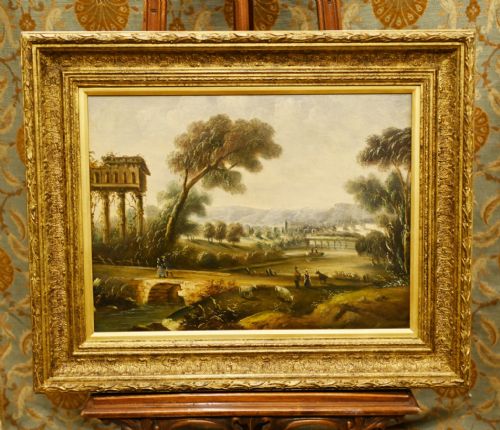


Traditional Italian Oil Painting
Traditional Italian oil painting brings centuries of European artistry into your space through canvas, wood, and gold leaf.
Traditional Italian Oil Painting
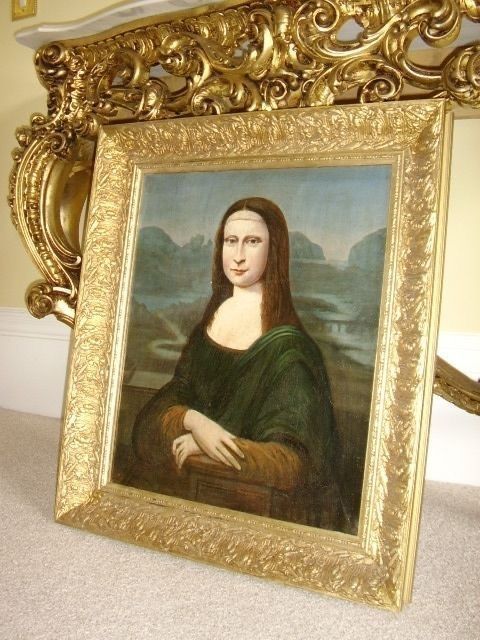
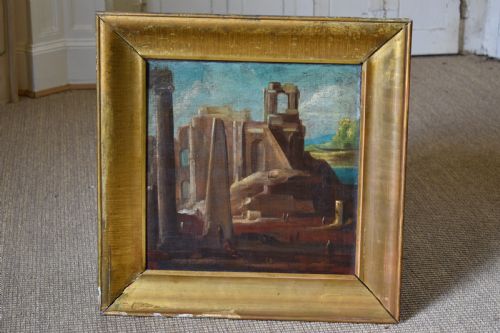
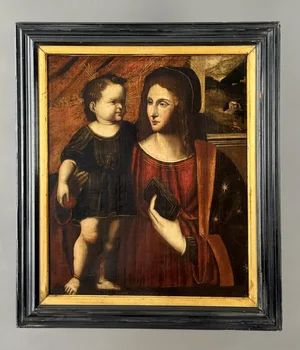
When you search for a traditional italian oil painting, you encounter canvases and wood panels spanning from the sixteenth century to the mid-twentieth century. These works capture everything from serene Tuscan landscapes and bustling Venetian canals to classical portraits and religious scenes.
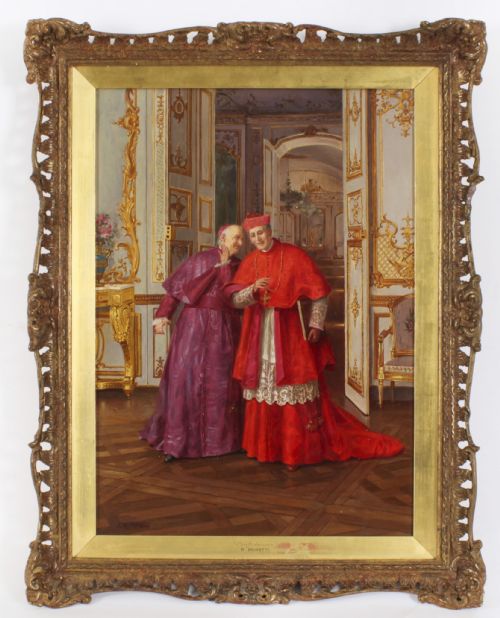
The versions you meet most frequently on this page belong to the nineteenth century, including Grand Tour pieces and Academic Realism. Portraiture and townscapes dominate the selection, often housed in period frames.
Subjects range from grand architectural views of the Doge's Palace to intimate genre scenes of daily life. Each piece reflects the enduring appeal of Italian subjects interpreted by domestic and European hands alike.
How they were made
Artists painted primarily with oil on canvas or wood, building rich layers of oil paint to achieve depth and luminosity. This medium allowed for careful blending of tone, particularly visible in flesh tones and atmospheric skies.
Many works are completed with giltwood frames or gilded wood mouldings embellished with gold leaf. These frames complement the painterly composition and provide structural enclosure for the canvas or panel.
Several canvases capture tailors, elderly couples, and domestic basket fruit alongside grand palaces.
What varies in quality
Quality rests in the fidelity of the brushwork and the confidence of the draughtsmanship across the canvas or wood. Works executed by named artists or close followers of established schools display superior handling of light, shadow, and proportion.
The preservation of the original oil paint surface and the integrity of the canvas or wood support distinguish finer examples. Furthermore, the presence of period-appropriate giltwood framing influences the overall character of the piece.
Bernardino Luini·Renato Moretti·Giulio Cecchini·Ferruccio Vitale·Raffaello Sanzio Da Urbino·William Adolph Bouguereau·August Heinrich Riedell·Jane Vivian·Giovanni Battista Moroni·Pierre Louis Joseph De Coninck·Alfred Pollentine·Karel Frans Philippeau
The Traditional Italian Oil Painting Glossary
- Oil on Canvas
- Pigment mixed with drying oil applied to a woven fabric support stretched over a wooden frame. This combination provides a resilient and responsive surface for painterly detail.
- Giltwood
- Wood carved and coated with a thin layer of gold leaf or metallic powder. It frequently frames traditional paintings to enhance their visual weight.
- Grand Tour
- A cultural journey of Europe undertaken by wealthy young men in the eighteenth and nineteenth centuries. Paintings from this context often depict Italian landscapes and architectural views.
- Academic Realism
- A style of painting produced under the influence of European academies of art. It emphasises precise rendering, classical subjects, and polished technique.
- Wood Panel
- A flat wooden support used as a base for oil painting before canvas became dominant. These provide a rigid ground that preserves fine brushwork.
Traditional Italian Oil Painting: Frequently Asked Questions
How do I date a traditional Italian oil painting?
Dating relies upon stylistic markers, costume details, and the material composition of the canvas and wood support. Nineteenth-century pieces often show looser Academic Realism or Grand Tour subject matter, whereas earlier works align with Renaissance or Classical traditions.
Examination of the stretcher bars, nails, and framing techniques provides further clues regarding age. Documentation or signatures inscribed on the canvas or reverse can also pinpoint the period of creation.
What subjects are common in these paintings?
Landscapes, townscapes, and portraits form the core of the available subjects. Venetian views featuring canals and historic palazzos appear frequently alongside pastoral scenes of Tuscany.
Religious compositions and genre portraits of local figures also feature prominently. These themes reflect both local Italian life and the interests of foreign travellers.
Where should I hang an oil painting?
Select a wall with stable humidity and temperature away from direct sunlight to protect the oil paint and canvas. Proper placement prevents warping of wood panels and fading of pigments.
Pair the painting with adequate lighting, such as a picture light, to bring out the depth of the oil layers. Ensure the hanging height places the centre of the canvas at eye level.
Are these paintings on canvas or wood?
The selections encompass both canvas and wood supports. Oil on canvas represents the majority of the works, offering flexibility and texture.
Wood panels appear primarily in earlier or smaller pieces. Each support method alters how the oil paint ages and crackles over time.