
Traditional Iron Bed
A traditional iron bed brings enduring structural integrity and decorative presence to a bedroom, combining robust metal frames with period charm.
Traditional Iron Bed
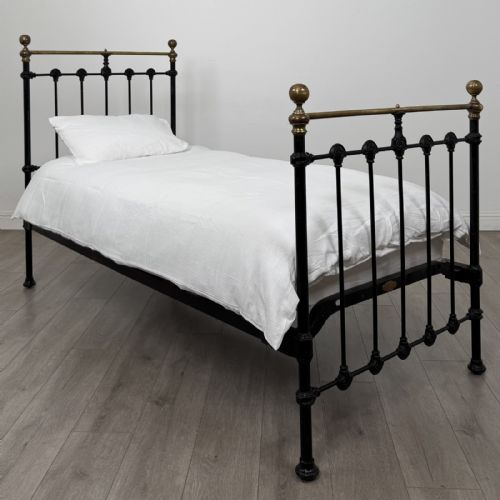
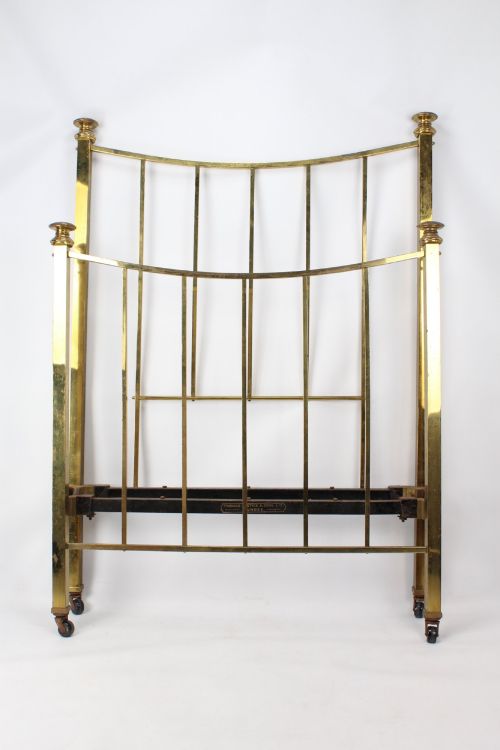
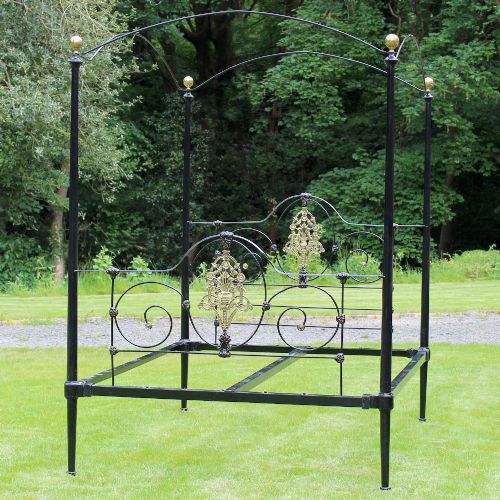
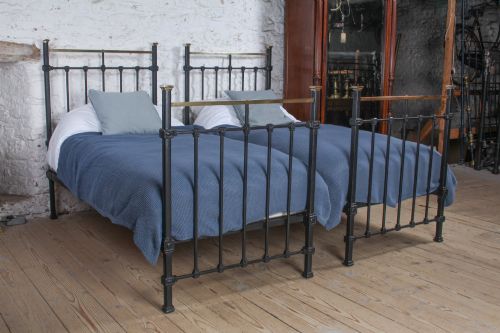
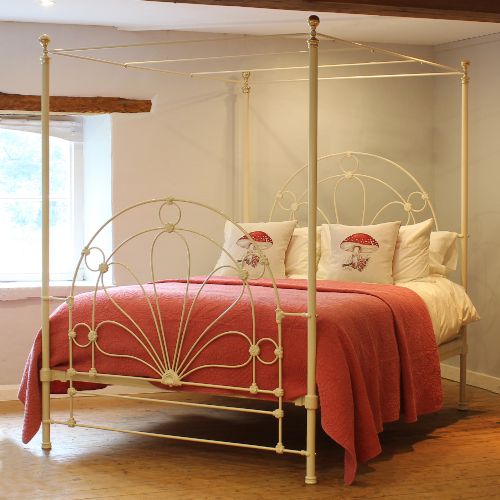
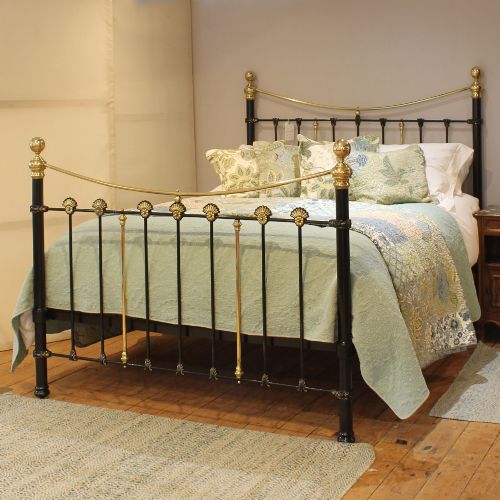
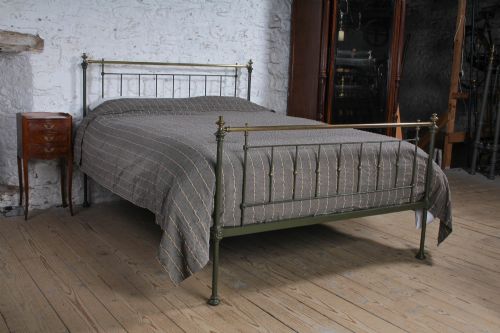
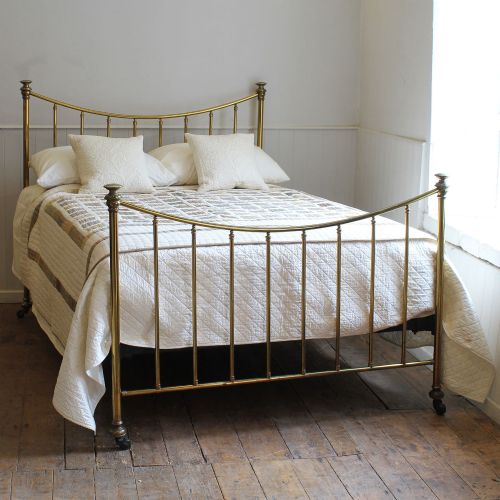
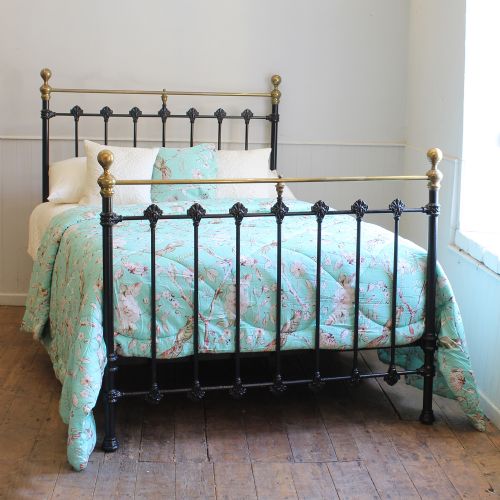
A traditional iron bed encompasses sturdy metal bedframes, bedsteads, and four poster configurations originating mainly from the Victorian and Edwardian eras. Buyers searching for a traditional iron bed will predominantly encounter Victorian and Edwardian examples featuring combinations of iron and brass components.
The inventory demonstrates various sizes ranging from single and double dimensions up to king size and super king proportions. These pieces frequently incorporate practical elements such as castors and slot-in frames designed for domestic use.
Materials and construction techniques
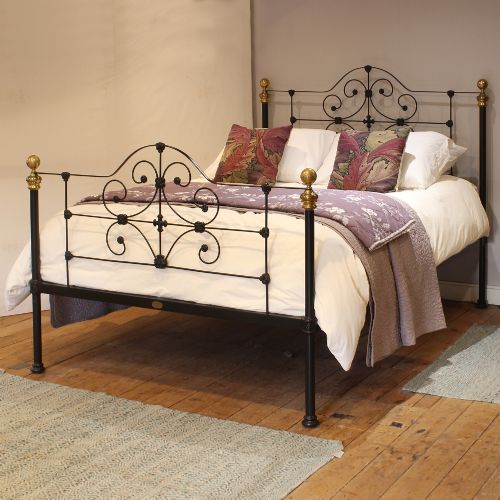
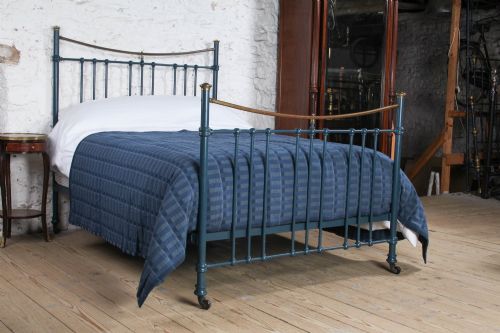
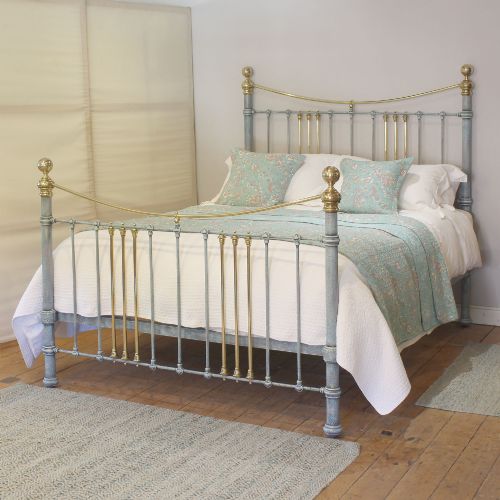
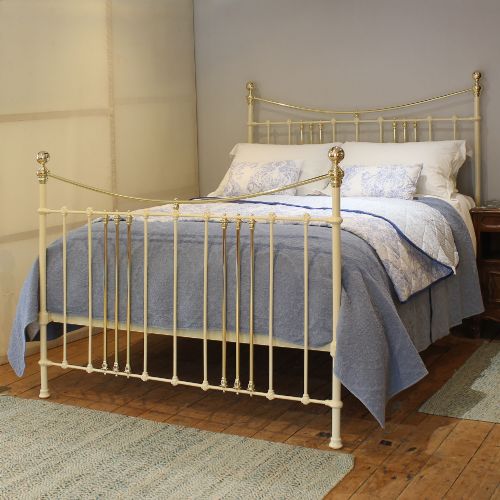
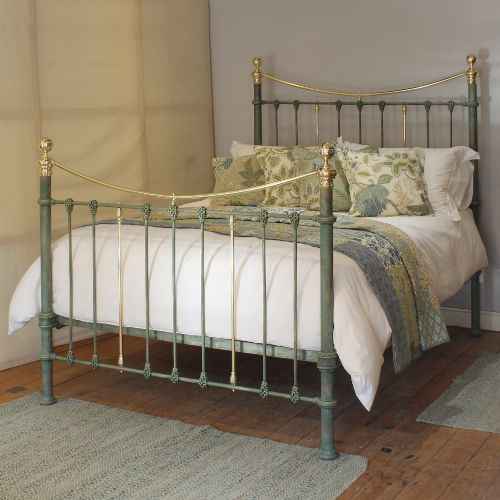
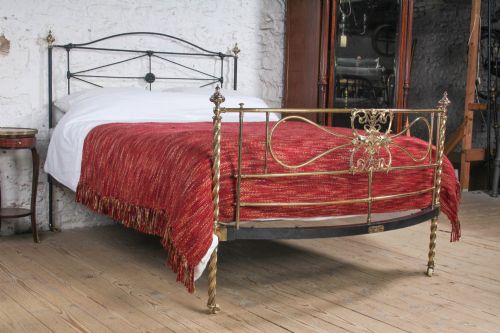
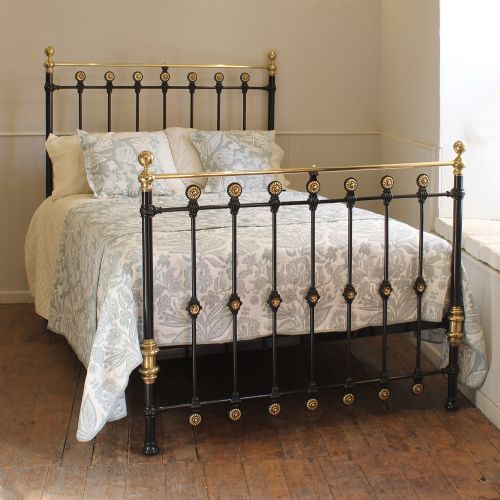
Maker construction relies heavily upon cast iron and wrought iron frameworks paired with brass tubing, decorative brass castings, and ceramic or mother of pearl accents. Painted finishes in black, green verdigris, cream, and blue add colour to the underlying metal structures.
Makers utilised structural joinery including slot-in frames and castors to ensure stability and mobility for large double and king size bedframes.
Several beds arrive equipped with original castors, ready to roll smoothly across nineteenth-century floorboards just as they did when first manufactured.
Factors determining the grade of a piece
Quality differences stem from the intricacy of the metalwork, the weight of the castings, and the originality of the brass and iron components. Pieces exhibiting detailed decorative castings, exhibition quality standards, or complete original condition sit at the upper end of the scale.
The presence of distinctive design elements such as sunburst patterns, dip rails, or integrated rings elevates a bedframe above standard utilitarian examples.
Hoskins and Sewell·Winfield
The Traditional Iron Bed Glossary
- Cast iron
- A strong, hard alloy of iron, carbon, and silicon poured into moulds to create rigid bedframes and decorative components. It forms the heavy structural backbone of many period examples.
- Wrought iron
- Iron that has been heated and worked with tools rather than cast in a mould, offering high tensile strength and resilience. This material appears across various traditional bedframes.
- Half tester
- A bedstead featuring a partial canopy extending only partway over the head of the bed. It combines the grandeur of a four poster with a more open room presence.
- Castor
- A small wheel mounted on a swivel attached to the legs of a bedframe. It allows heavy iron and brass beds to be moved easily across flooring.
- Verdigris
- A green patina formed naturally or applied artificially on copper, brass, or bronze surfaces. It provides a distinct aged coloration on period metalwork.
Traditional Iron Bed: Frequently Asked Questions
How do I assemble an antique iron bed?
Most period beds utilise slot-in frames and wedge joints that connect the headboard and footboard to the side rails without complex hardware.
Ensuring the floor is level and checking the alignment of the original castors helps stabilise the frame during assembly.
Will a standard modern mattress fit an antique bed?
Sizes varied during the Victorian and Edwardian periods compared to contemporary standards, particularly for double and king dimensions.
Measuring the internal dimensions of the side rails carefully ensures a correct and secure fit for modern bedding.
How do I care for painted iron and brass?
Regular dusting with a dry microfibre cloth protects painted surfaces like black or verdigris finishes from moisture accumulation.
Brass components benefit from occasional gentle cleaning with appropriate metal care products to maintain their lustre without stripping historical patination.