





Traditional Iranian Wool Rug
These traditional iranian wool rug examples bring distinct regional patterns and enduring textile craftsmanship straight to your floor.
Traditional Iranian Wool Rug
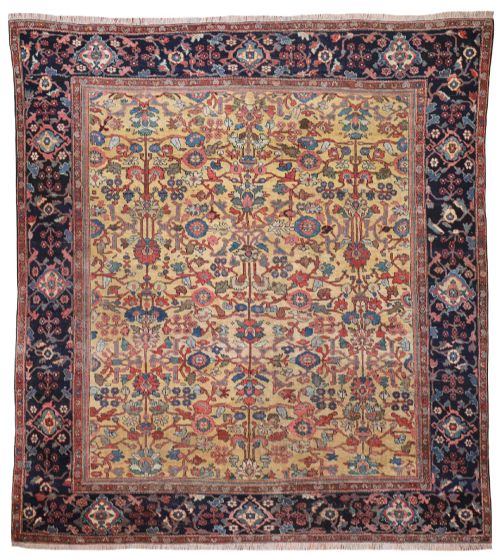
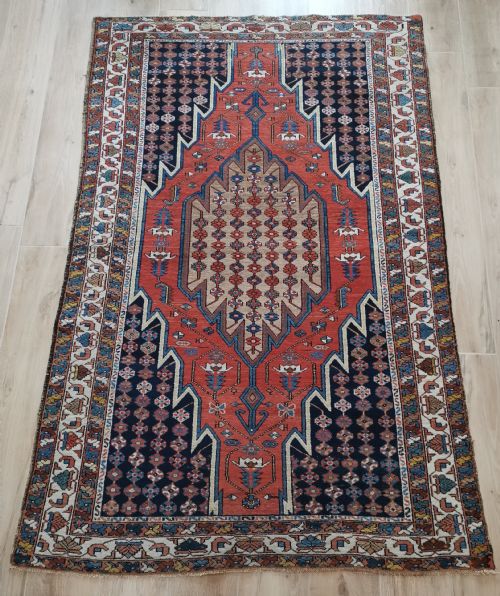
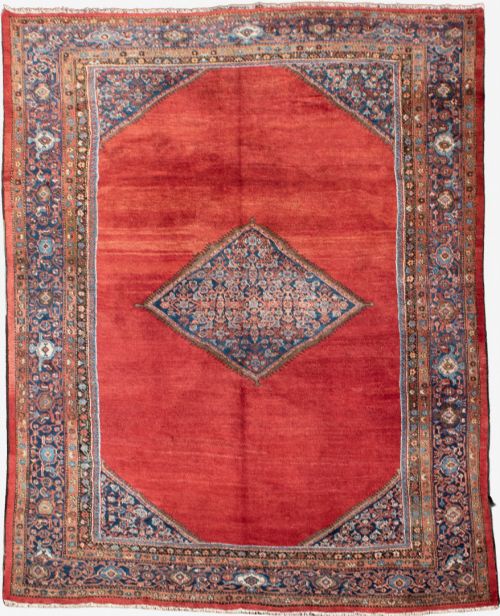
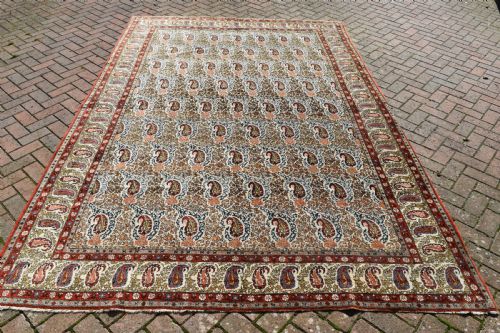
A traditional iranian wool rug represents centuries of weaving heritage originating from specific towns, villages, and nomadic tribes across Persia. The selection on this page spans from the late nineteenth century through to the mid-twentieth century, capturing diverse regional aesthetics such as Heriz, Ferahan, Qum, and Bakhtiari.
Buyers will encounter various formats ranging from compact area rugs and prayer rugs to large room-sized carpets and long runner rugs. These pieces display both geometric tribal motifs and intricate floral medallion designs passed down through generations of weavers.
Dating primarily from the eighteen-eighties to the nineteen-forties, these floor coverings utilise durable construction methods suited for daily use in domestic spaces. Each piece carries the distinct palette and structural traits of its specific geographic origin.
How they were made
Weavers constructed these carpets predominantly using natural wool for the pile, chosen for its resilience and ability to take rich dyes. Foundations typically consist of cotton or wool warps and wefts, providing structural stability to the knotted fabric.
Craftsmen utilised hand-knotting techniques over rigid vertical looms, binding the yarn tightly to create dense, durable surfaces. Natural dye sources supplied the characteristic palette seen across these nineteenth and twentieth-century pieces.
Traditional Iranian Wool Rug Retail Price Guide 2026
Typical asking prices for traditional iranian wool rug among the pieces listed under this phrase on Sellingantiques today, from the lower quarter to the upper quarter. They describe what is for sale here now, not the wider market.
Listings feature regional Persian rug types including Heriz, Ferahan, Qum, Bakhtiari, and tribal Qashqai spanning the nineteenth and twentieth centuries.
What varies in quality
Knot density and structural tightness determine the crispness of the design details and the longevity of the pile under foot traffic. Finer weaves allow for intricate curves and precise geometric lines within the central medallions and border guards.
The choice and execution of dyes influence the visual depth and harmony of the rug as the colours mature over decades. Skill in balancing primary tones with secondary accents separates standard village production from master workshop outputs.
Hajji Jalili
The Traditional Iranian Wool Rug Glossary
- Kelleh
- A long, rectangular format of carpet traditionally used in Persian domestic interiors. This shape typically occupies the centre of a large reception room floor.
- Medallion
- A central ornamental design motif placed in the middle of the field. Weavers often shape these as geometric diamonds or elaborate floral multi-lobed stars.
- Warp
- The vertical foundation threads stretched tightly on the loom before knotting begins. The visible fringe at either end of the rug consists of these extended warp threads.
- Weft
- The horizontal threads passed between rows of knots to bind the structure together firmly. These transverse elements stabilise the tension across the entire width of the carpet.
- Prayer rug
- A small format textile featuring a specific architectural mihrab arch design at one end. Historically, worshippers placed these on the floor to face toward Mecca during daily prayers.
Traditional Iranian Wool Rug: Frequently Asked Questions
How do I clean a wool rug?
Regular gentle vacuuming without a rotating brush roll removes surface dust and loose grit from the wool pile. Professional specialist cleaning remains necessary for deep washing to protect the natural fibres and dyes.
Avoid using household chemical detergents or excessive water saturation during spot cleaning. Promptly blot liquid spills with a clean white cloth rather than rubbing the affected area.
Can I place these rugs in hallways?
Runners and narrow formats fit well in corridors and transition spaces where floor traffic moves frequently. Selecting pieces with durable wool construction ensures they withstand regular footsteps.
Using a quality non-slip underlay beneath the rug prevents shifting and reduces friction against hard flooring. This simple addition protects both the foundation threads and the underlying floor surface.
How do I identify a Heriz rug?
Heriz carpets feature bold geometric medallions and heavy, architectural corner spandrels executed in strong reds, blues, and ivory tones. Their robust construction utilises thick wool yarns suited for heavy domestic use.
Unlike curvilinear city carpets, Heriz designs rely on rectilinear drawing styles created by village weavers. The resulting aesthetic balances stark angularity with sophisticated colour balance.
What is a tribal Persian rug?
Nomadic and semi-nomadic groups such as the Afshar, Bakhtiari, and Qashqai produced these distinctive textiles from memory rather than drawn paper cartoons. Their designs reflect local fauna, tribal symbols, and ancestral folklore.
These pieces often display abrash, which is a subtle variation in shade caused by changes in dye batches during hand-spinning. This characteristic adds organic charm and authenticity to the finished surface.
Where were Isfahan carpets made?
Isfahan rugs originate from central urban workshops renowned for producing highly refined court carpets with intricate floral compositions. Master weavers in this region utilised extremely fine knot counts.
These city pieces contrast sharply with coarse rural tribal weavings through their delicate curves and sophisticated palette control. They represent the height of Persian urban workshop tradition.