

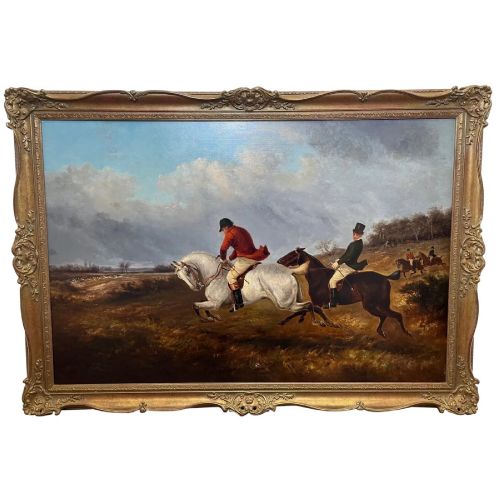
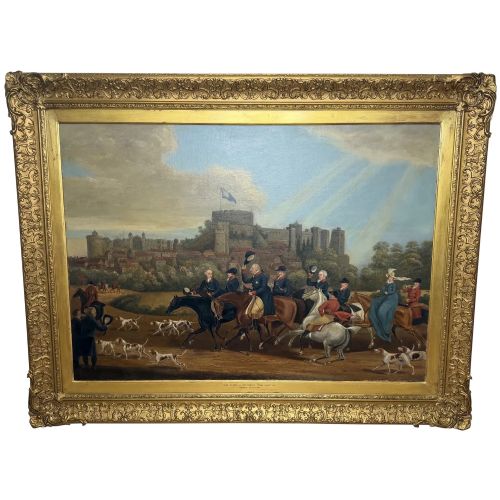


Traditional Hunting Oil Painting
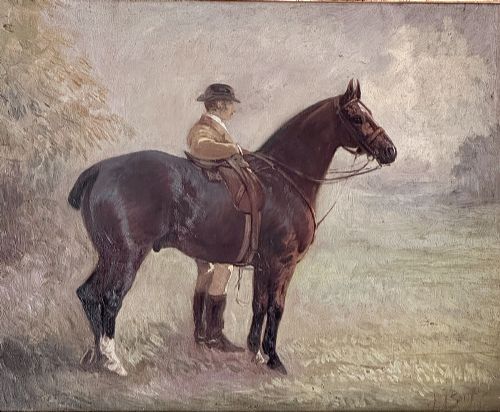
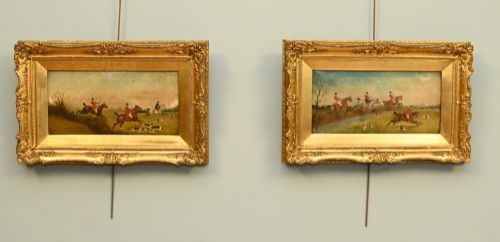
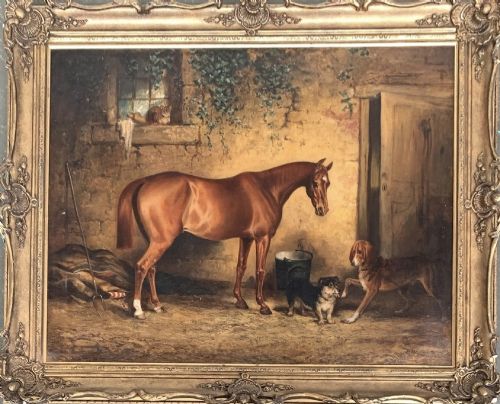
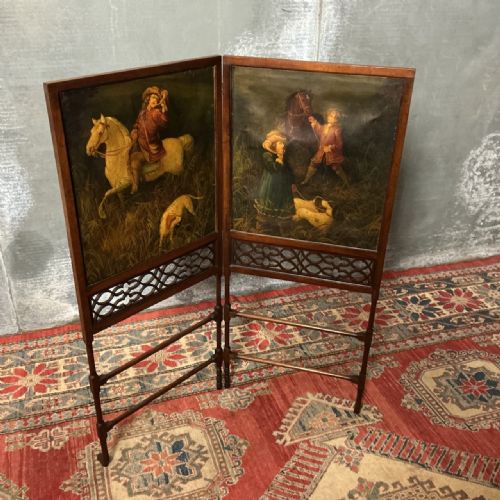
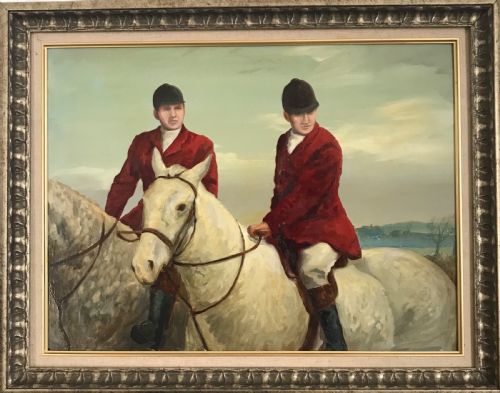
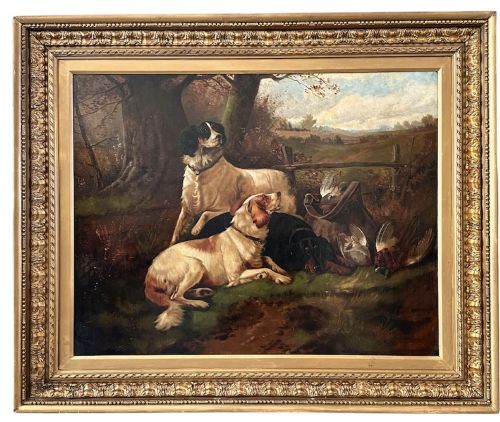
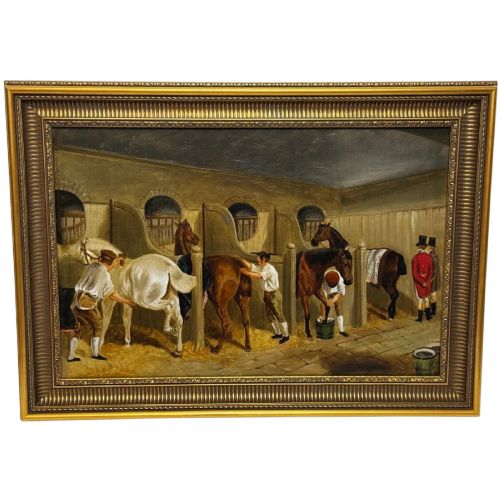
A traditional hunting oil painting captures horses, hounds and riders across canvas, offering an authentic slice of sporting history for country interiors.
Traditional Hunting Oil Painting
A traditional hunting oil painting records equestrian scenes, meetups and sporting dogs within rural landscapes. These works span the nineteenth and early twentieth centuries, encompassing Victorian and Edwardian periods.
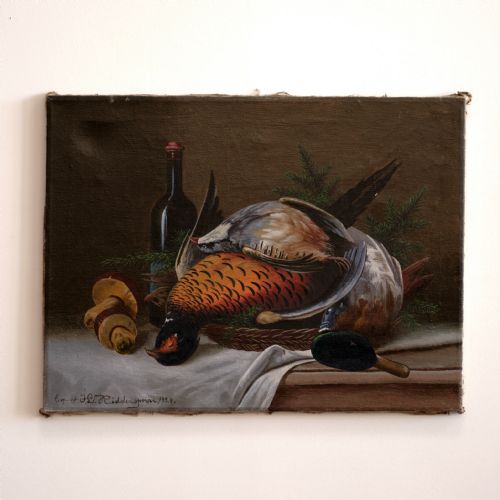
Canvases depict diverse subjects ranging from fox hunts and coaching scenes to portraits of hounds and still life game. Buyers encounter framed depictions of specific hunts like the Berkeley alongside wider countryside panoramas.
Many compositions emerge from British sporting art traditions, executed on canvas or board. Pieces frequently arrive housed in period wooden frames, occasionally incorporating giltwood or gold leaf finishes.
Materials and Methods
Painters applied oil paint to stretched canvas or prepared wooden boards, building rich layers of pigment to capture animal coats and landscape textures. Ground layers provided stability, while glazes added depth to skies and coats.
Frames utilised solid wood construction, often finished with gilt wood, gesso mouldings and gold leaf to complement the rich tones of the oil scenes.
Traditional Hunting Oil Painting Retail Price Guide 2026
Typical asking prices for traditional hunting oil painting among the pieces listed under this phrase on Sellingantiques today, from the lower quarter to the upper quarter. They describe what is for sale here now, not the wider market.
Listings feature works spanning the eighteenth to the twentieth centuries, utilising oil on canvas, oil on board, and gilt wood framing.
Assessing Artistic Merit
Anatomical precision in horses and hounds separates accomplished hands from rigid, generic renderings. Skilled artists capture tension in muscle and posture during full cry.
Depth of perspective and atmospheric light in the surrounding landscape elevate a composition beyond a simple record of figures.
Thomas Smythe·George Wright·Philip Henry Rideout·George Armfield·Charles Faulkner·Fannie Moody·Colin Graeme Roe·John Frederick Herring Jnr·John Sanderson-Wells·Michael Lyne·Henri Schouten·Heywood Hardy·Guillaume Urban Régamey·George Goodwin Kilburne·Edgar Hunt·Thomas Blinks
The Traditional Hunting Oil Painting Glossary
- Oil on Canvas
- Pigments bound in drying oil applied to a woven fabric support. This surface allows for subtle blending and textured brushwork.
- Giltwood
- Wood carved and coated with gold leaf or metallic paint. It provides a reflective decorative border for traditional art.
- Sporting Art
- Depictions of rural sports, hunting, horses and animals. This genre holds a distinct place in British artistic heritage.
- Still Life
- A painting featuring inanimate subject matter, including game birds or dead game. These arrangements showcase mastery of texture and light.
Traditional Hunting Oil Painting: Frequently Asked Questions
How do I date a traditional hunting oil painting?
Examine the canvas preparation, stretcher construction and framing style alongside the clothing and tack depicted in the scene. Nineteenth-century works often feature distinct stretchers and handwritten inscriptions on the reverse.
Artist signatures and biographical records provide the most reliable chronological anchors for narrowing down the decade of creation.
Where were these paintings displayed originally?
Country houses, estate libraries and hunting lodges served as primary settings for large equestrian canvases and dog portraits. Wealthy patrons commissioned these works to document their stables and packs.
Today, they transition easily into modern country homes or traditional study spaces.
Are all these works British in origin?
While the genre is rooted strongly in British sporting art traditions, continental European artists also produced notable hunting and animal paintings during the same periods. French and Belgian painters contributed significant equestrian and hound compositions.
Signatures and regional framing clues often reveal the specific country of origin.
How should I care for an oil painting?
Keep canvases away from direct sunlight and fluctuating humidity to prevent paint cracking and warping of the wooden stretcher. Dust gently with a soft, dry brush without applying pressure.
Avoid chemical cleaning agents and consult a professional conservator for surface cleaning.