
Traditional Horse Art
Traditional horse art captures the enduring bond between humans and equines through centuries of British painting, portraiture, and sculpture.
Traditional Horse Art
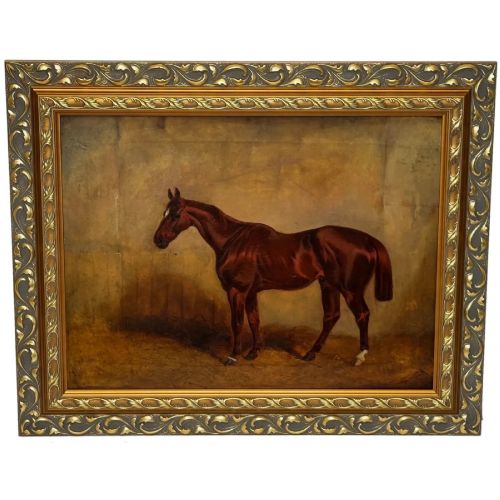
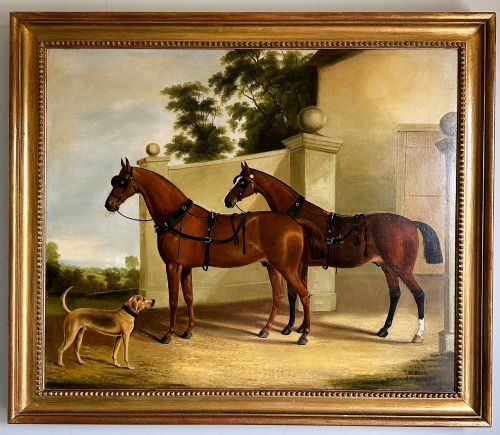
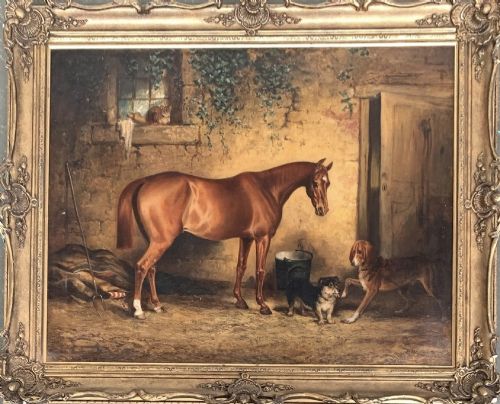
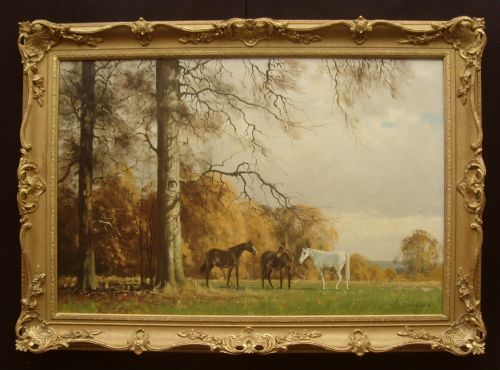
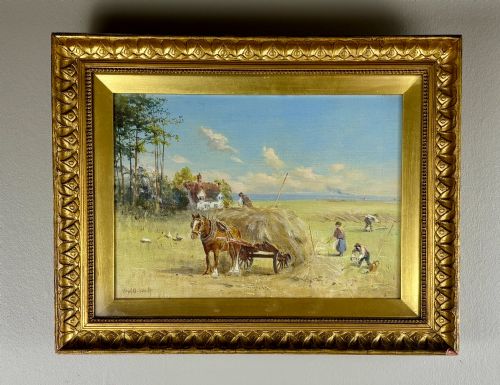
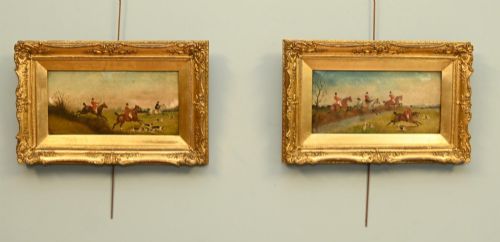
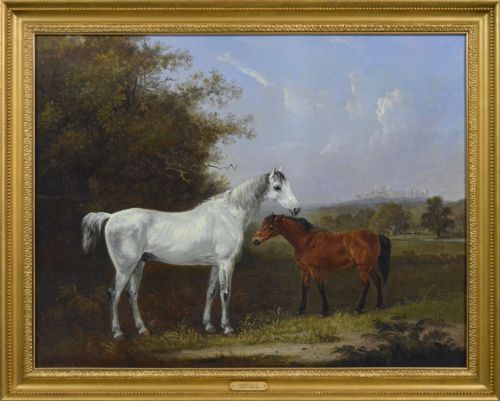
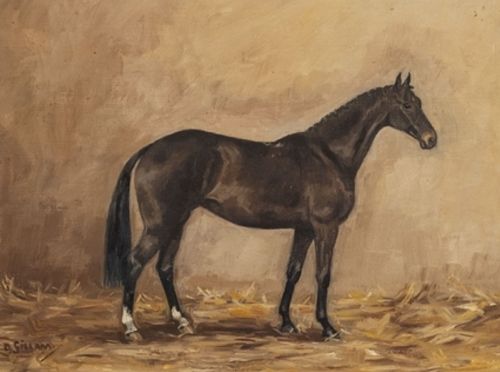
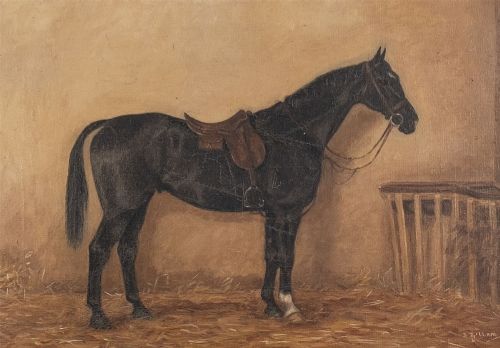
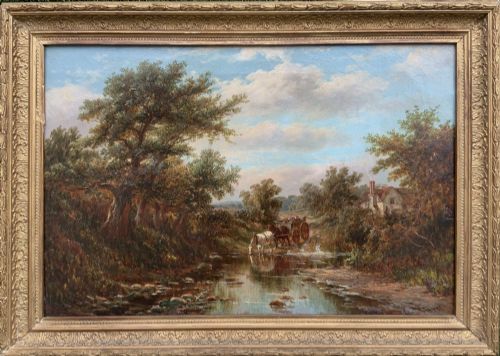
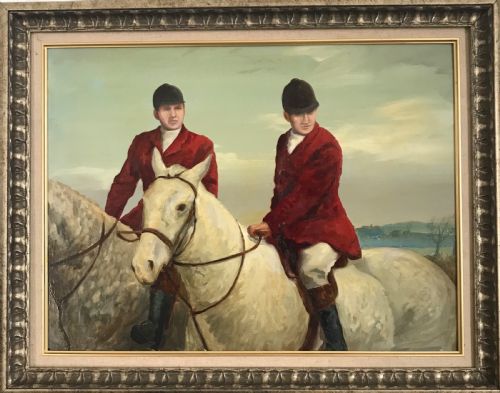
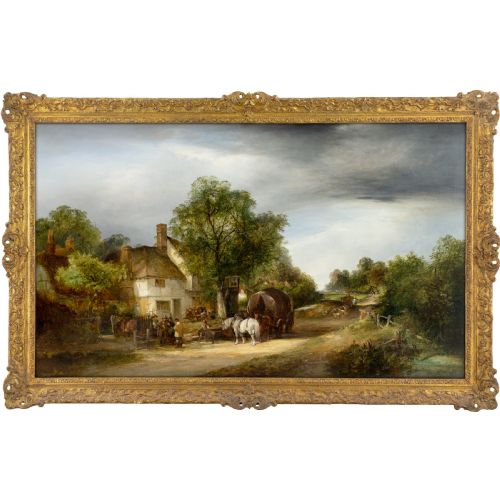
Traditional horse art encompasses oil paintings, watercolours, engravings, and scale models depicting equines in various settings. When exploring traditional horse art, buyers frequently encounter Victorian sporting canvases, individual horse portraits, and rural carriage scenes.
The selections span from the Georgian period through the nineteenth and early twentieth centuries, reflecting changing tastes in equestrian depiction. Works range from naive folk carvings and lithographs to detailed oil portraits of named racehorses and hunters.
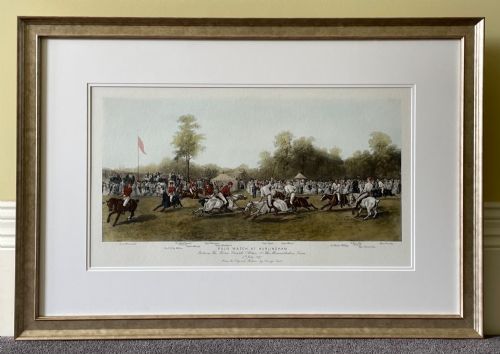
Common formats include framed oil paintings on canvas or board, lithographs of polo matches, and painted prints after established nineteenth-century animal painters. These pieces document both agricultural life and the prestige of the English turf and hunting field.
How they were made
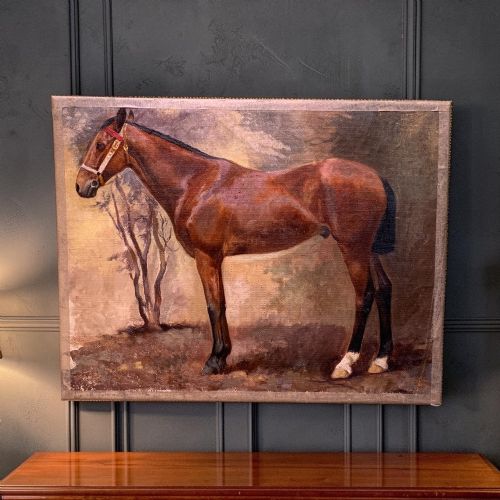
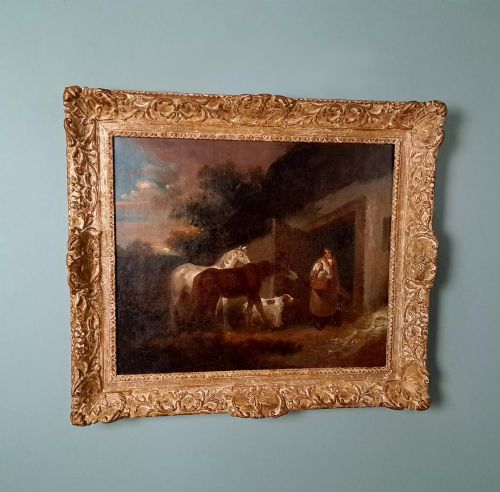
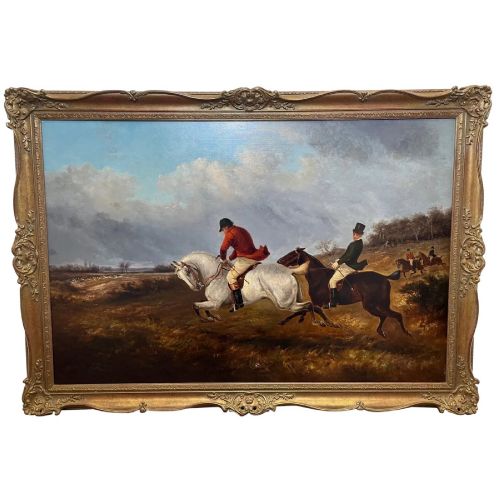
Artists typically utilised oil paint on stretched canvas or wooden panels, applying layers of pigment to capture the musculature and glossy coats of horses. Giltwood frames frequently complemented these oil paintings, adding a formal presentation standard for wealthy patrons.
Works on paper utilised lithography and engraving techniques, allowing multiple impressions of popular sporting prints and hunting scenes to be circulated. Mixed media and folk art objects incorporated carved wood with painted surfaces, particularly seen in early caravan models and toy figures.
Early folk art includes a carved wooden toy horse and a decorated caravan model, reminding us that horses charmed children just as much as dukes.
What varies in quality
Anatomical accuracy and the rendering of movement separate standard decorative works from superior equine portraits. Master painters captured the precise skeletal structure and tense anticipation of a hunter or racehorse, whereas lesser hands produced stiff or disproportionate figures.
Provenance and attribution significantly influence the standing of a piece, especially when an artist or a specific animal is documented. Original nineteenth-century oils by listed painters command greater interest than later mass-produced prints or unsigned rural scenes.
Henry Barraud·Edmund Bristow·Albert Clark·John Frederick Herring Snr·George Morland·Thomas Smythe·John Alfred Wheeler·George Wright
The Traditional Horse Art Glossary
- Equine
- Pertaining to horses. This term often appears in descriptions of animal painting and veterinary illustration.
- Giltwood
- Wood carved and covered with gold leaf or a gilt gesso layer. It is commonly found on nineteenth-century picture frames.
- Lithography
- A planographic printing process using a flat stone or metal plate. Artists utilised this method to produce affordable sporting prints.
- Provenance
- The chronology of the ownership or location of a historical object. Documented history verifies the authenticity and origin of a painting.
- Sporting art
- Genre of painting depicting rural sports, hunting, shooting, and horse racing. It flourished in Britain throughout the Georgian and Victorian eras.
Traditional Horse Art: Frequently Asked Questions
What is traditional horse art?
Traditional horse art comprises historical paintings, prints, and models depicting equines in sporting, agricultural, or portrait contexts. These works primarily date from the Georgian, Victorian, and Edwardian eras.
Created by academic and folk artists alike, the genre documents the cultural and economic importance of horses in British history. Subjects range from named racehorse champions to anonymous carriage horses and farm teams.
How were antique horse paintings used?
Landowners and patrons commissioned horse portraits to document prized hunters, race winners, and beloved mounts. These canvases were displayed prominently in country houses, estate stables, and town residences.
Prints and lithographs served a broader market, allowing enthusiasts of hunting and racing to decorate domestic interiors with affordable sporting imagery.
How do I date an antique horse painting?
Dating relies on examining the canvas preparation, framing style, costume of any human figures, and the signature or recorded dates of the artist. Stylistic shifts between Georgian precision and Victorian romanticism offer further chronological clues.
Archival records, inscriptions on the reverse of the stretcher, and documented exhibition histories also help establish the exact period of creation.
How should I care for oil paintings?
Oil paintings require stable indoor humidity and protection from direct sunlight to prevent the canvas from sagging and the pigments from fading. Dusting should be performed gently with a soft, dry brush without applying pressure.
Professional conservation is recommended for cleaning aged varnish layers or repairing any historical punctures in the canvas or wood panel.