
Traditional Hat Rack
A traditional hat rack organises entranceways with practical hanging space, bringing period craftsmanship directly to your hallway.
Traditional Hat Rack
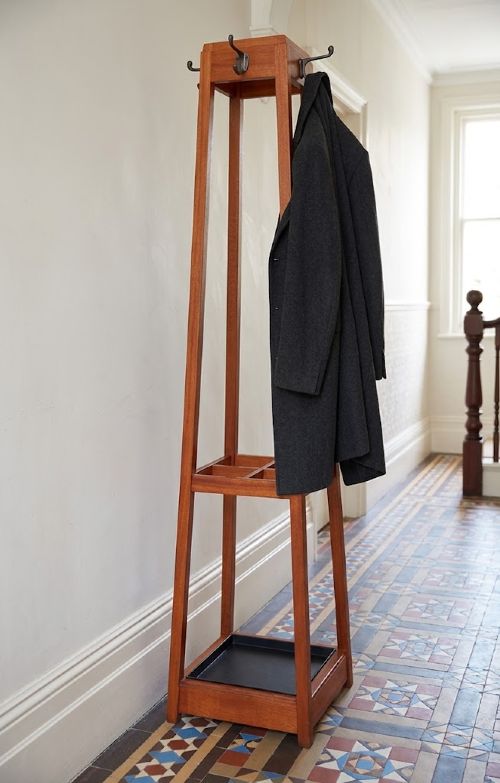
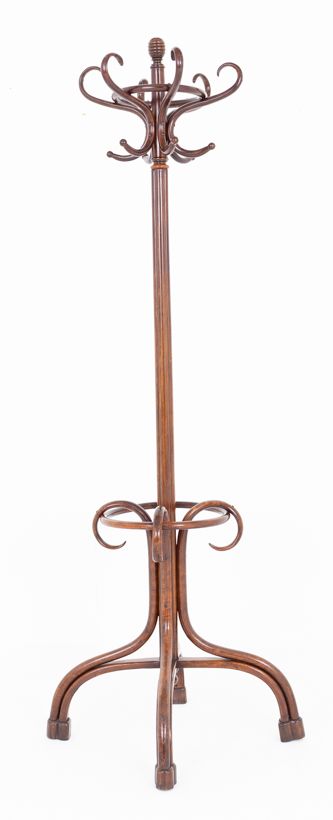
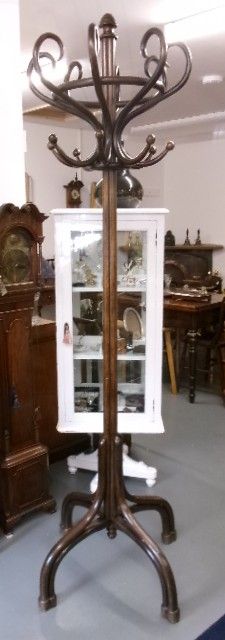
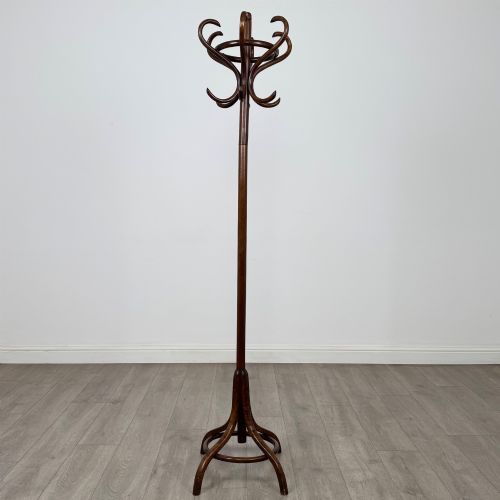
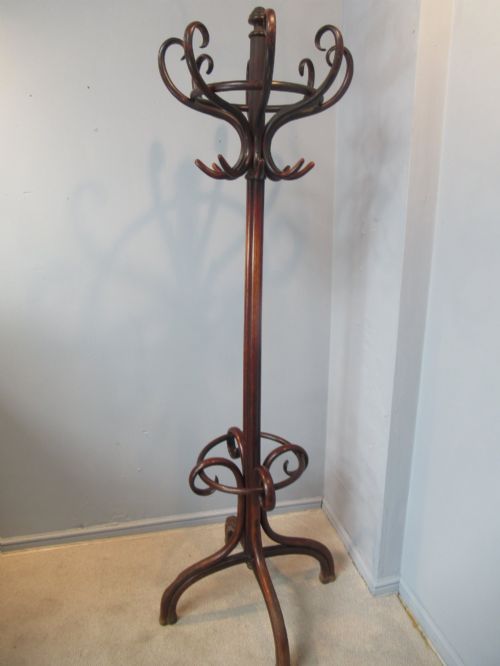
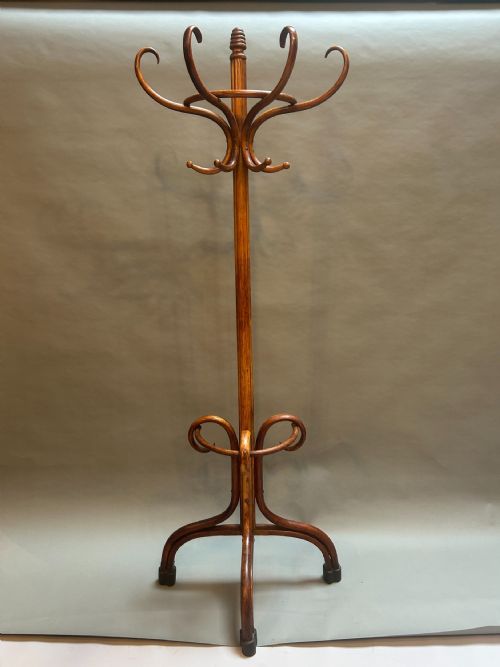
A traditional hat rack serves as a functional entranceway fixture designed to hold outerwear, hats, and umbrellas. These pieces appear across several forms, ranging from wall-mounted backboards to freestanding coat stands and elaborate hall stands.
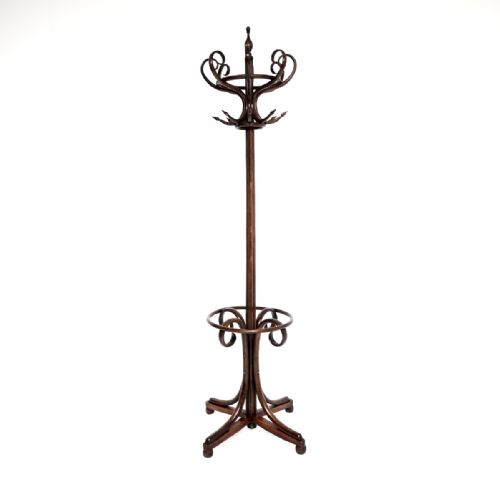
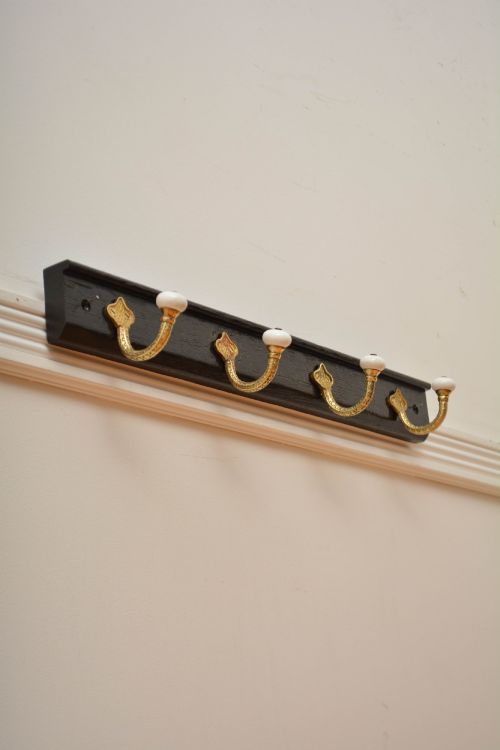
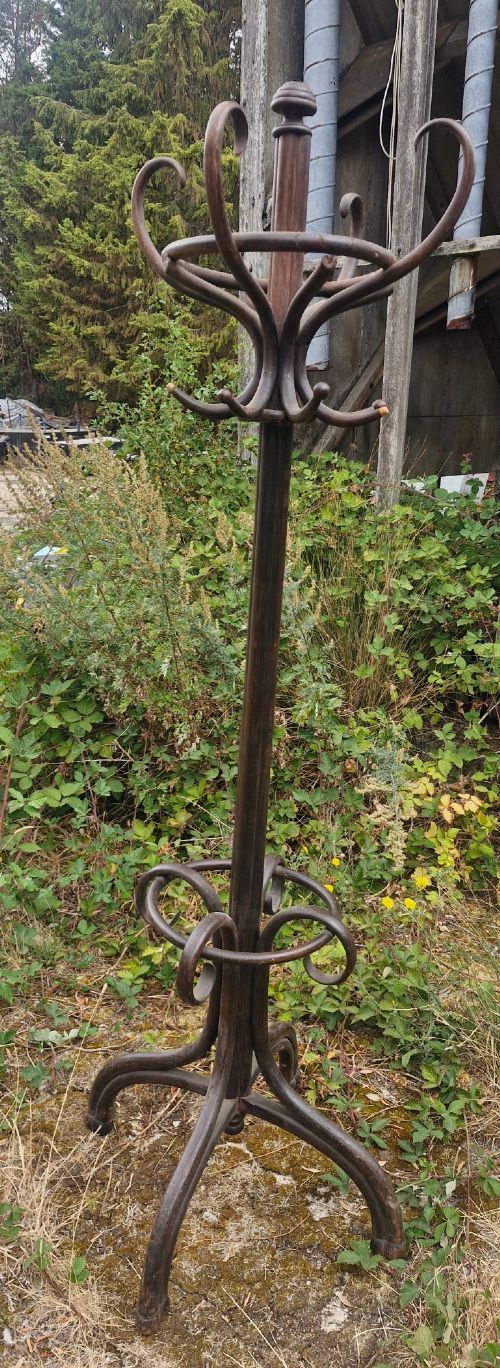
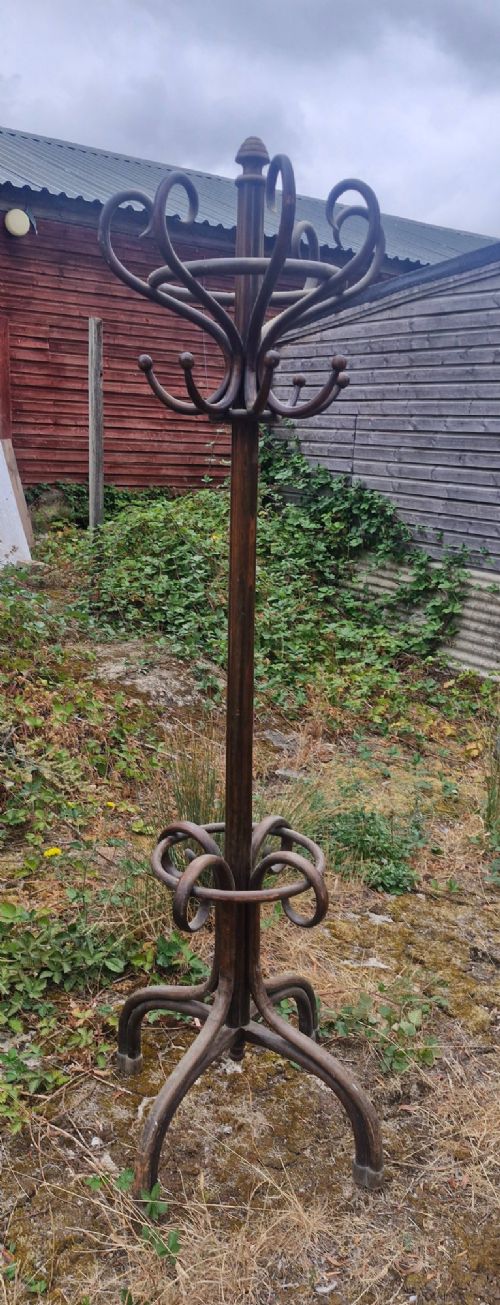
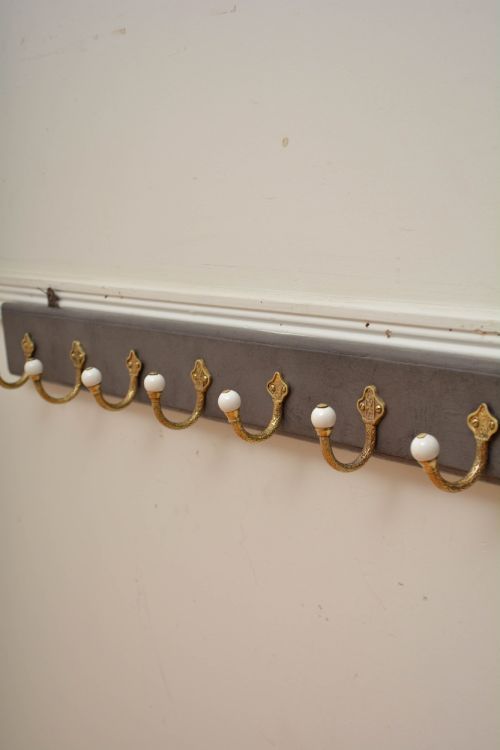
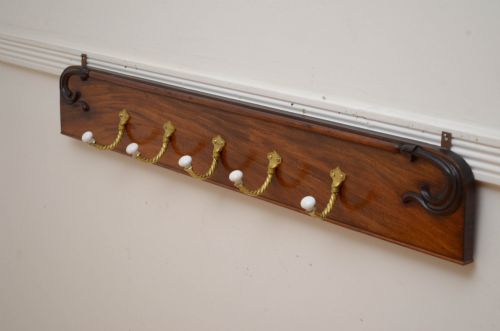
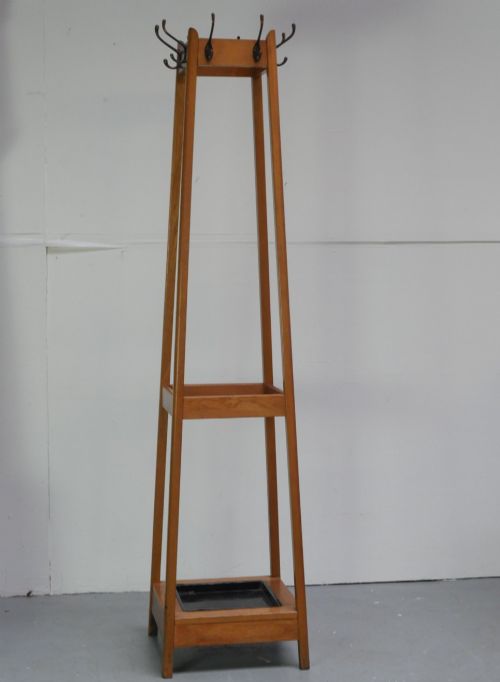
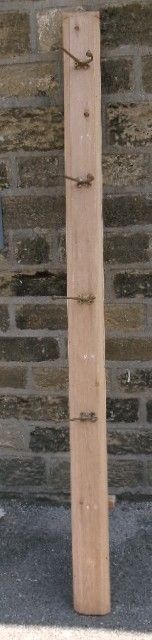
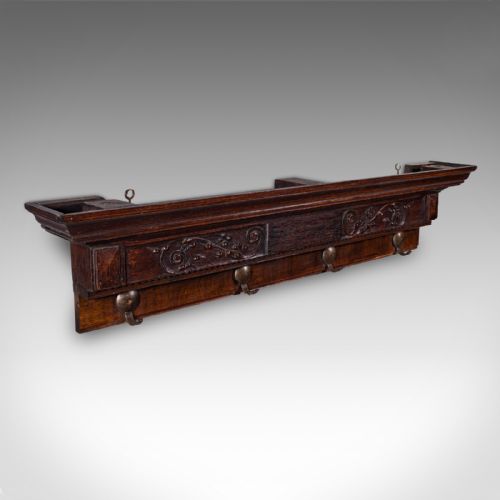
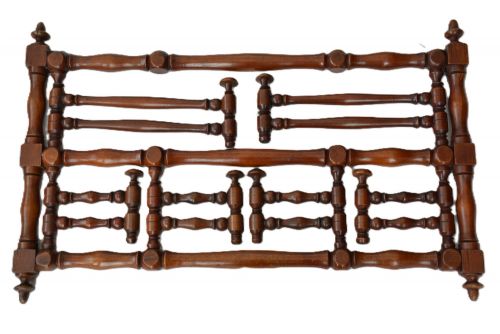
The pieces listed here date from the nineteenth century through to the early twentieth century, encompassing Victorian, Edwardian, and Arts and Crafts periods. Wall-mounted racks typically feature wooden backboards fitted with brass and ceramic hooks, whilst freestanding versions include tall bentwood designs and heavy hall stands.
Makers utilised various regional styles, producing Austrian bentwood items alongside English oak and mahogany hall furniture. Buyers frequently encounter wall-mounted variants alongside revolving or demi-lune freestanding stands.
How they were made
Craftsmen shaped bentwood through steam-bending techniques to create the characteristic curved frames seen in many hat stands, utilising beech and beechwood. Carpenters constructed wall-mounted backboards and heavy hall stands using solid timbers such as oak, mahogany, walnut, and pine.
Hardware components combine cast brass and ceramic elements for the coat and hat hooks, often attached securely to wooden backings or upright posts. Certain pieces incorporate painted finishes, twisted rope details, and carved decorative elements.
Current listings demonstrate materials spanning beech, brass, bentwood, mahogany, ceramic, oak, and pine across the Victorian and Edwardian periods.
What varies in quality
Quality in these pieces depends upon the substance of the primary timber and the robustness of the structural joints. Solid hardwoods like mahogany and oak demonstrate greater durability than simpler pine backboards.
The refinement of the metal and ceramic hardware also marks the distinction between standard utility items and finer pieces. Heavy cast brass hooks paired with well-turned ceramic inserts indicate superior workshop production.
Jas. Shoolbred
The Traditional Hat Rack Glossary
- Bentwood
- Wood that has been heated with steam and bent into curved shapes. This technique defines many traditional hat stands and coat racks.
- Hall Stand
- A large piece of entrance furniture that typically combines coat hooks, a hat rack, a mirror, and an umbrella stand. These items often feature umbrella wells and carved woodwork.
- Backboard
- A flat wooden board mounted to a wall to support a series of hooks. These boards are commonly constructed from oak, pine, or mahogany.
- Demi-Lune
- A half-moon shape used for furniture designed to sit flush against a wall. This profile appears in specific bentwood hatstand designs.
- Revolving
- A rotating mechanism allowing access to hooks positioned around a central upright pole. This feature occurs on specific Edwardian hatstands.
Traditional Hat Rack: Frequently Asked Questions
How do I install a wall-mounted hat rack?
Wall-mounted racks require secure fixing into wall studs or masonry to support the weight of heavy coats and hats.
Ensure the mounting screws match the weight capacity of the backboard and hooks.
What is the difference between a hat stand and a hall stand?
A hat stand is typically a vertical freestanding pole or wall rack dedicated to headwear and coats. A hall stand is a larger piece that often includes mirrors, umbrella storage, and umbrella trays.
Both serve entranceways but differ significantly in physical footprint and complexity.
How do I care for bentwood furniture?
Bentwood requires a stable indoor environment away from extreme humidity and direct heat sources to prevent timber splitting.
Dust the curved frames regularly with a dry cloth and apply occasional furniture wax to maintain the polish.
How can I date a hat rack?
Dating relies on examining the timber types, screw heads, hook designs, and prevailing styles such as Victorian or Arts and Crafts. Material combinations like ebonised oak with ceramic hooks often point towards specific nineteenth-century periods.
Comparing construction methods with established historical eras confirms the likely decade of manufacture.