



Traditional Hall Tree
A traditional hall tree is the piece you need for the entrance to keep coats and hats tidy.
Traditional Hall Tree
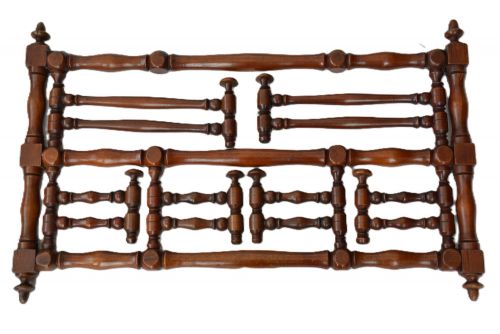
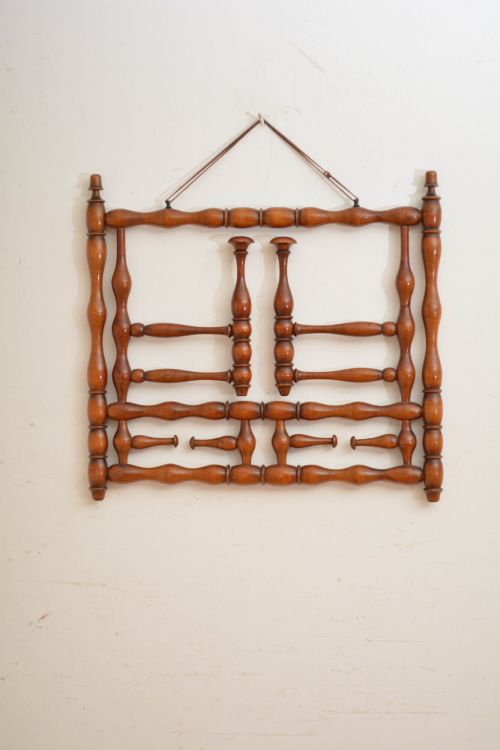
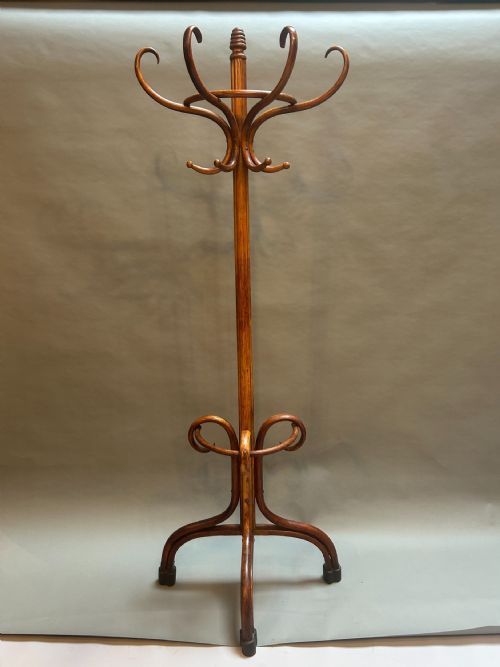
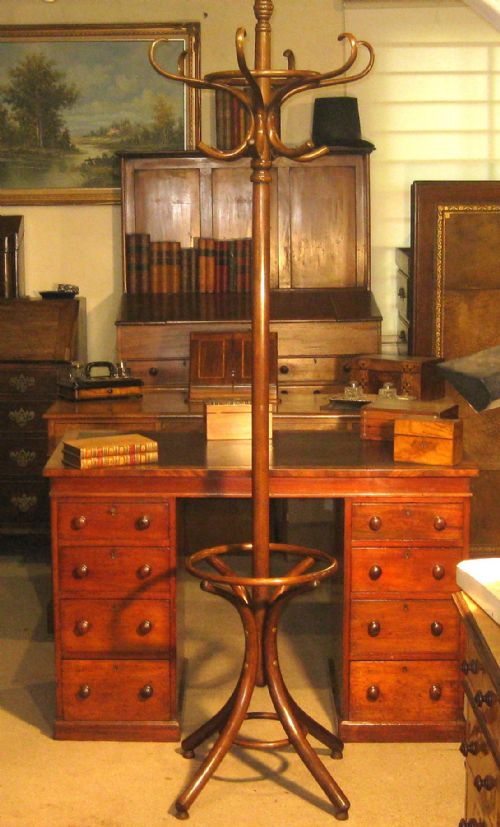
A traditional hall tree serves as the primary furniture for coats, hats and umbrellas near the entrance of a home. When you search for a traditional hall tree, you encounter variations ranging from upright hatstands to multi-functional hall seat stands and wall-mounted racks.
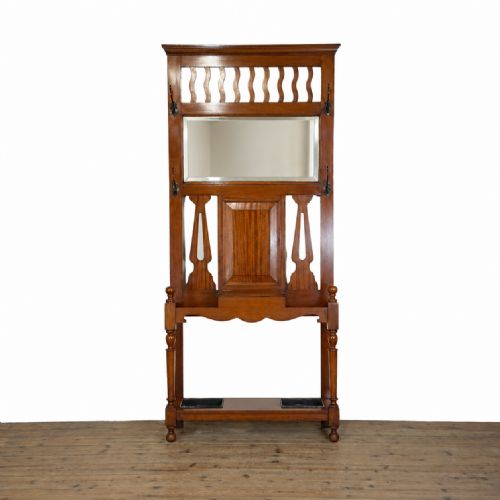
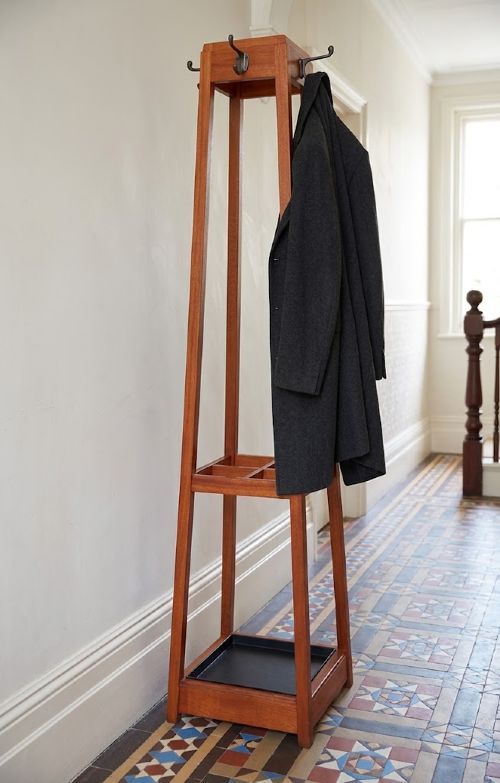
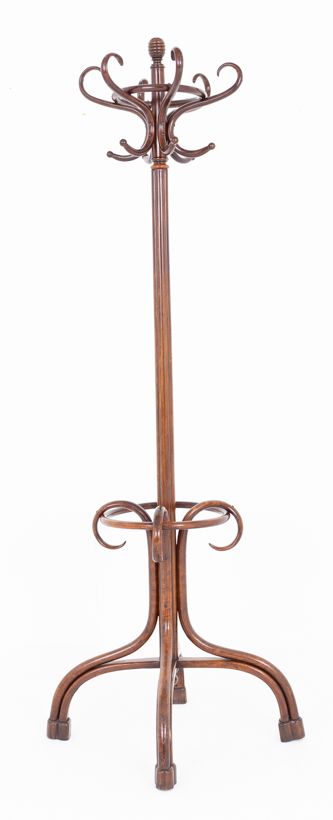
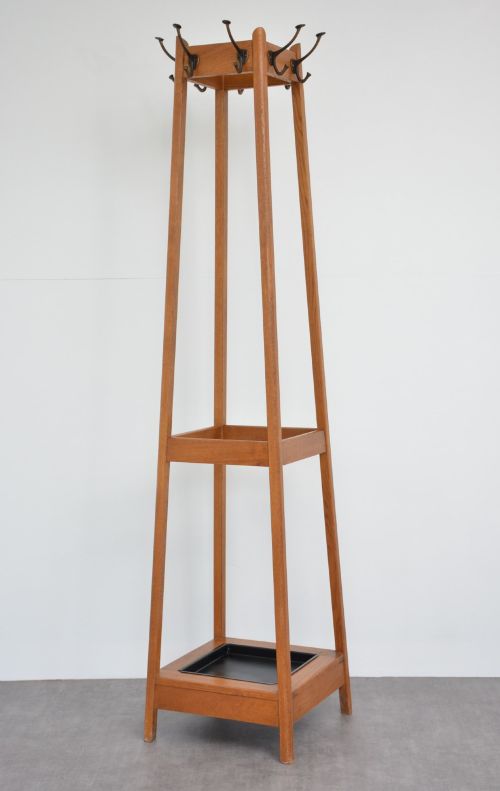
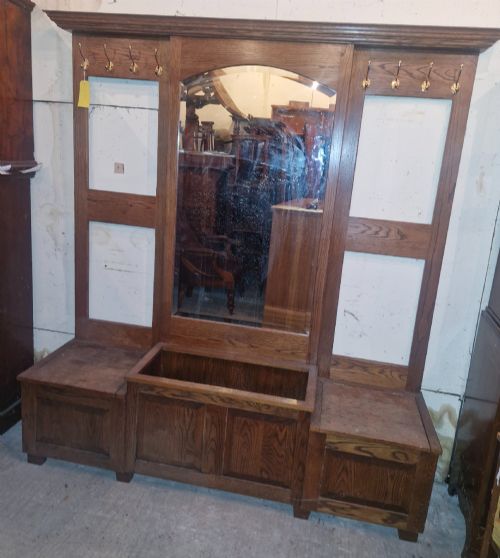
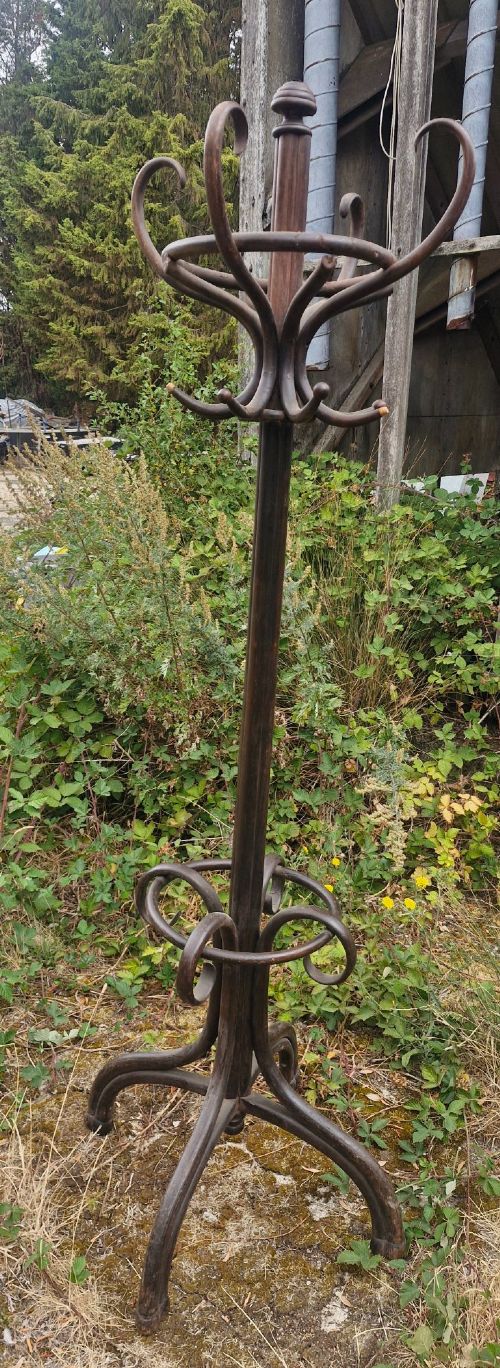
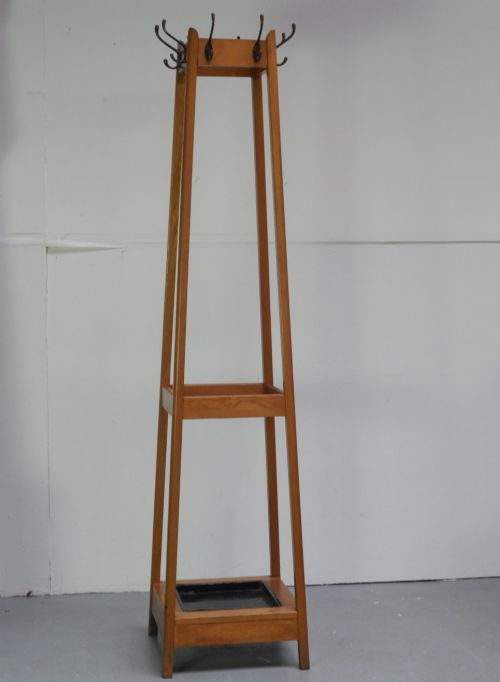
The pieces available on this page lean heavily towards upright forms from the Victorian and Edwardian eras, alongside turn of the century designs. You will also find mid-century industrial oak pieces and versatile revolving bentwood structures.
How they were made
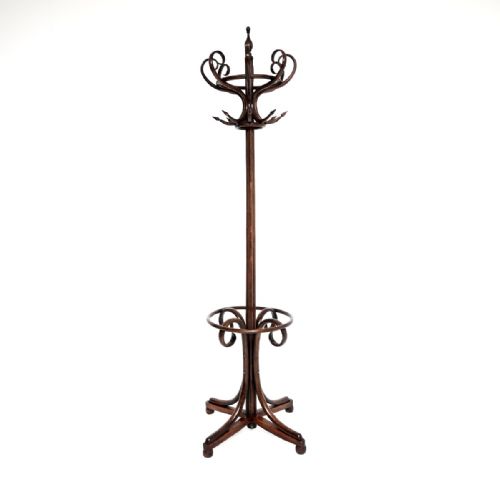
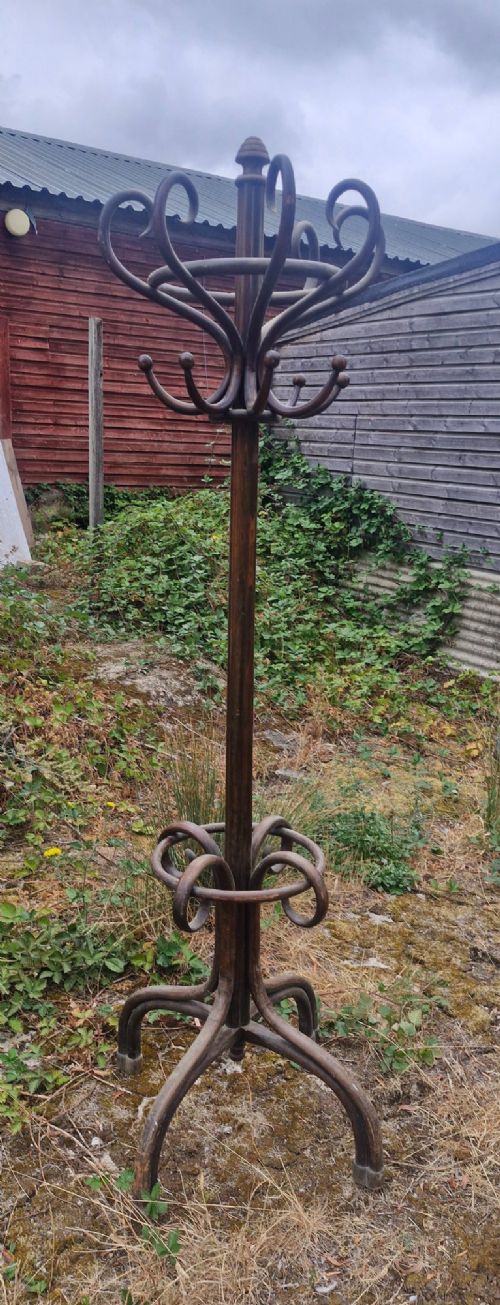
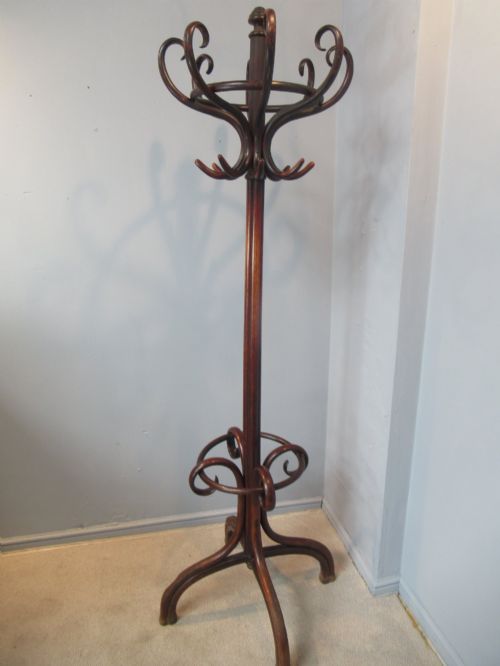
Makers utilised solid timbers such as oak, walnut, beech, and mahogany, often employing steam-bending techniques to create the characteristic curved forms of bentwood stands. Metal elements like brass hooks and integrated drip trays appear alongside glass components.
Construction methods range from robust joinery in solid oak hall stands to specialised steam bending for beechwood hatstands. Wall-standing designs and revolving frames show careful engineering to support heavy garments without tipping.
Traditional Hall Tree Retail Price Guide 2026
Typical asking prices for traditional hall tree among the pieces listed under this phrase on Sellingantiques today, from the lower quarter to the upper quarter. They describe what is for sale here now, not the wider market.
Object forms include coat stands, hall stands, hatstands, coat racks, and multi-functional hall seat stands with umbrella holders.
What varies in quality
Quality in these pieces rests upon the selection of timber and the integrity of the construction, such as heavy quality bentwood framing or solid walnut architecture. Finer examples display superior turning of wood, robust hook attachment, and well-integrated accessories like drip trays.
The distinction between standard utility items and superior examples lies in the weight of the timber, the complexity of the design - such as revolving mechanisms or multi-functional seating - and the preservation of original metal hardware.
Jas Shoolbred
The Traditional Hall Tree Glossary
- Bentwood
- Wood shaped by steam to create smooth curves, commonly seen in beech hatstands and coat racks from the turn of the century.
- Hall stand
- A piece of furniture placed in an entrance hallway, frequently combining coat hooks, a mirror, and sometimes a seat or umbrella storage.
- Demi lune
- A half-moon shape used for certain hatstands and console furniture designed to sit flat against a wall.
- Revolving
- A rotating top section on a coat or hat stand that allows easy access to hanging garments from all sides.
Traditional Hall Tree: Frequently Asked Questions
What is a traditional hall tree?
A traditional hall tree is a piece of furniture designed for an entrance hallway to hold outdoor garments, hats, and umbrellas.
These items range from simple wall-mounted coat racks to substantial standing pieces featuring integrated hooks, mirrors, and umbrella holders.
Where should I place a hall stand?
Hall stands belong in an entrance hall, vestibule, or boot room where people enter the house and remove outerwear.
Freestanding bentwood stands and wall-standing designs fit well in narrow corridors, while larger multi-functional hall seat stands suit wider entryways.
How do I care for bentwood furniture?
Bentwood furniture requires dry conditions and occasional dusting with a soft cloth to protect the steamed timber and its finish.
Avoid placing these items in areas with high moisture or direct heat sources to prevent the curved beech or other woods from warping.
How do I date a hall tree?
Dating a hall tree involves examining the wood types, construction methods, and stylistic cues such as Victorian turnings or Edwardian oak detailing.
Pieces from the turn of the century often exhibit distinct steam-bent forms, while later mid-century examples incorporate industrial oak and metal drip trays.