
Traditional Hall Rack
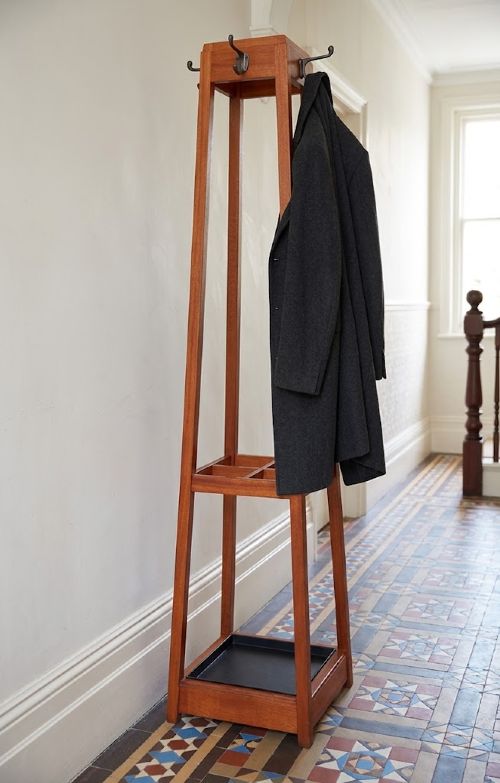
A traditional hall rack serves as the practical focal point of an entrance hall, combining hooks and stands to organise coats and umbrellas.
Traditional Hall Rack
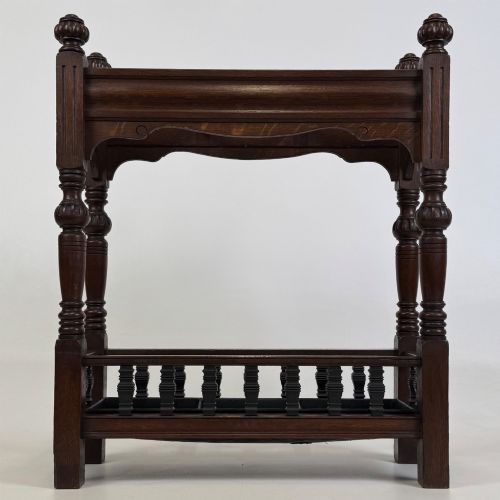
A traditional hall rack encompasses various forms designed for entranceways, including combined hall stands, coat racks, and umbrella stands. These pieces date from the nineteenth century through the early twentieth century, spanning the Victorian and Edwardian eras.
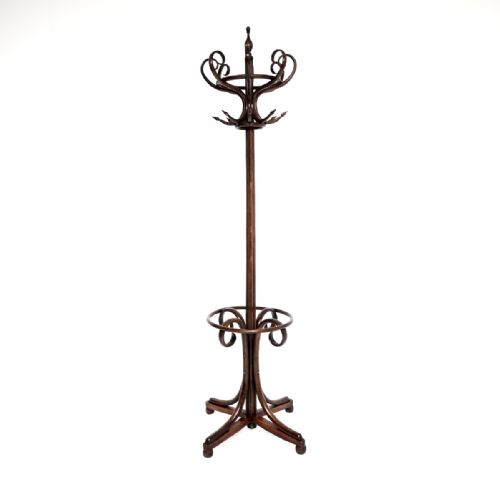
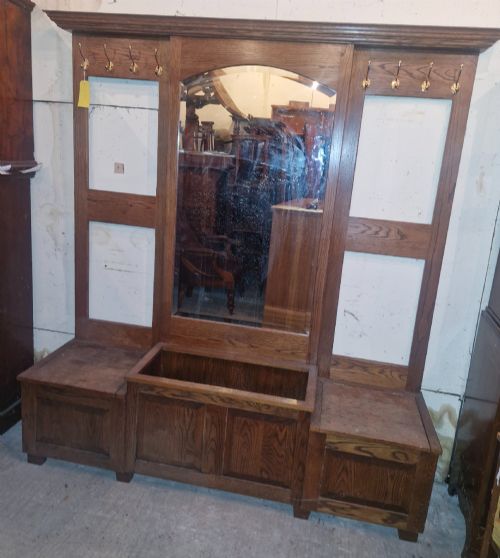
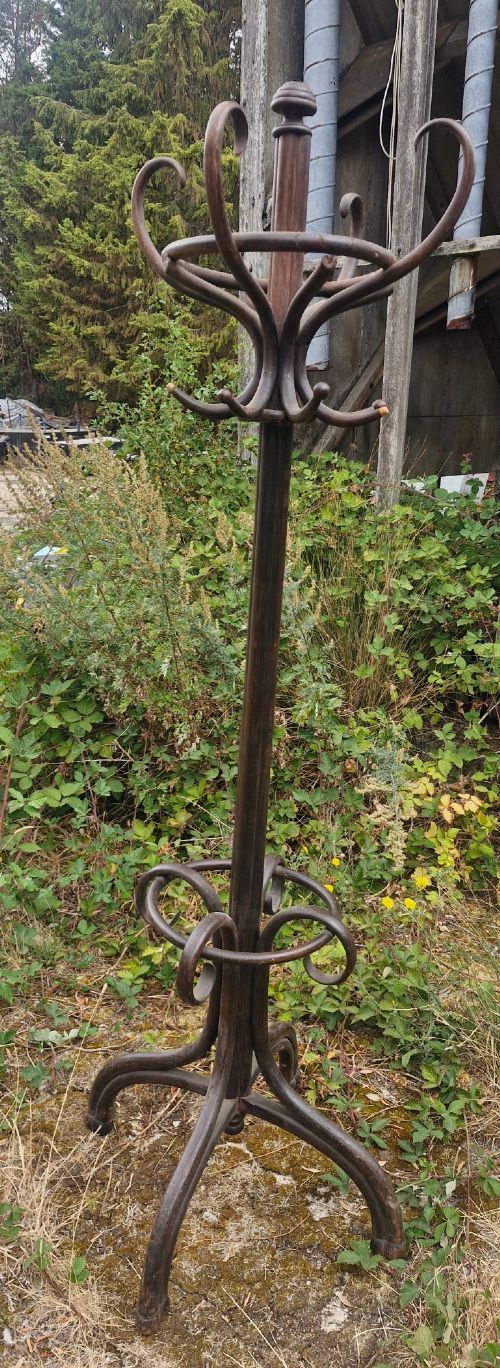
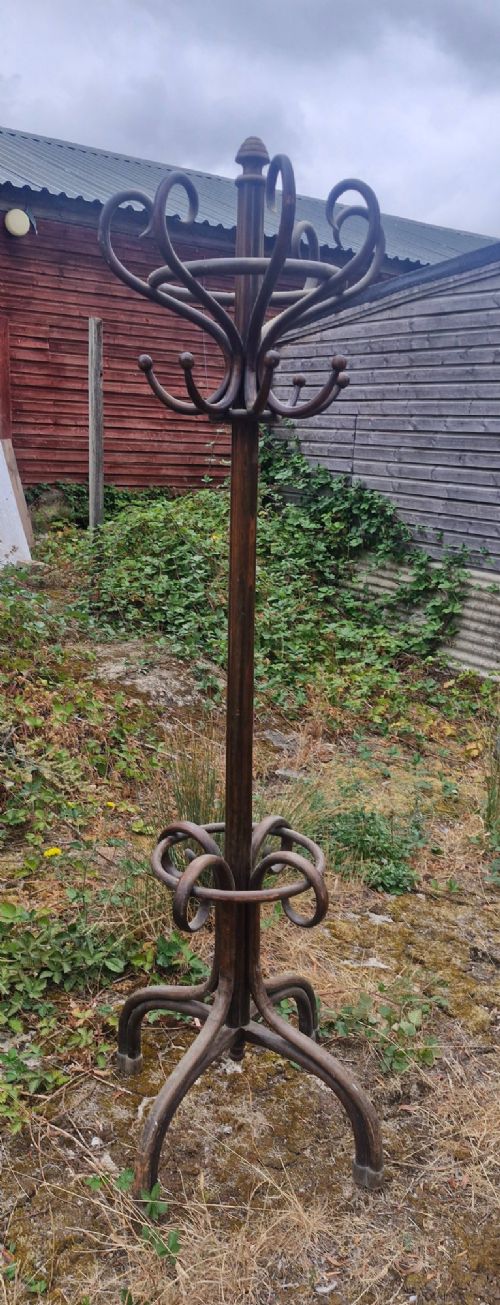
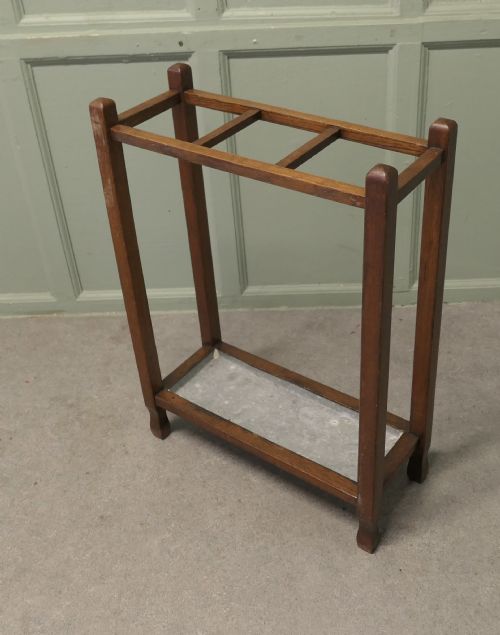
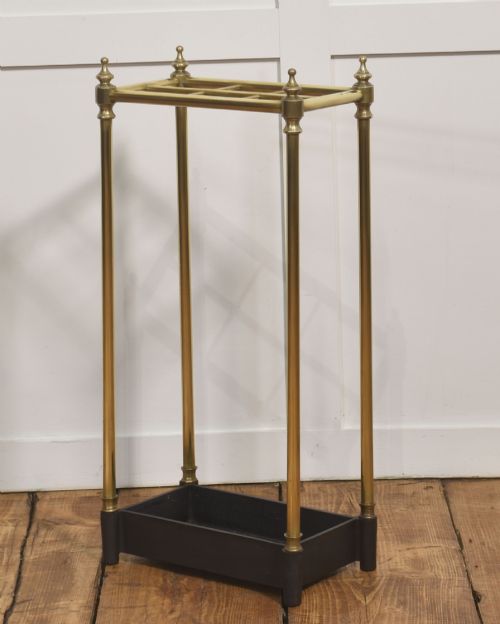
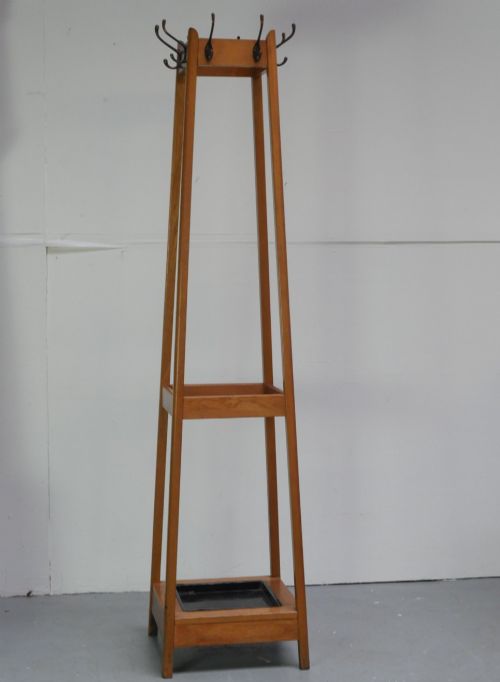
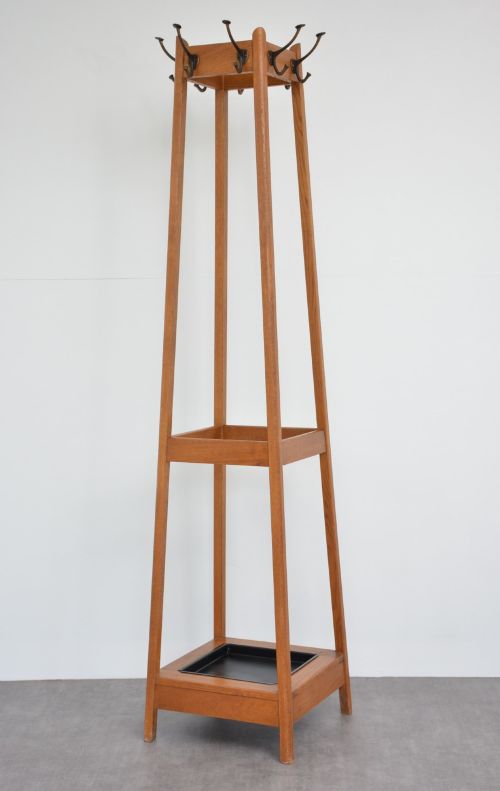
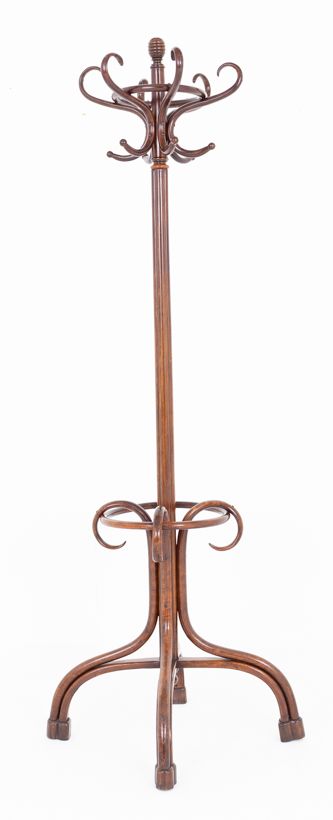
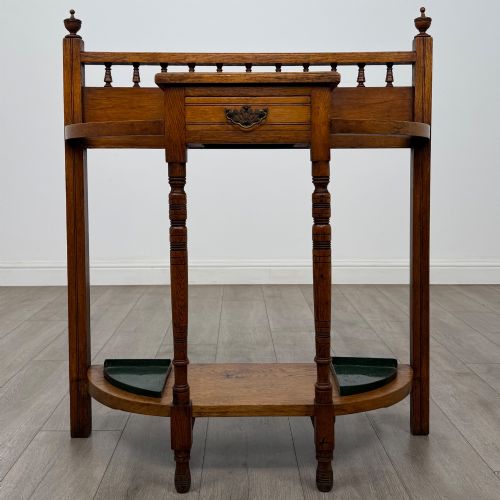
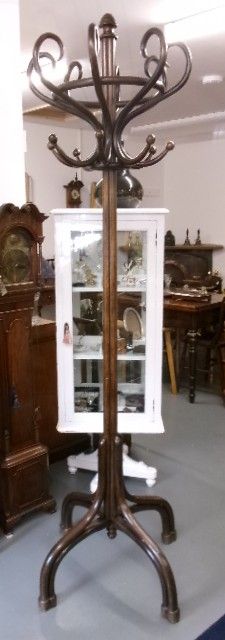
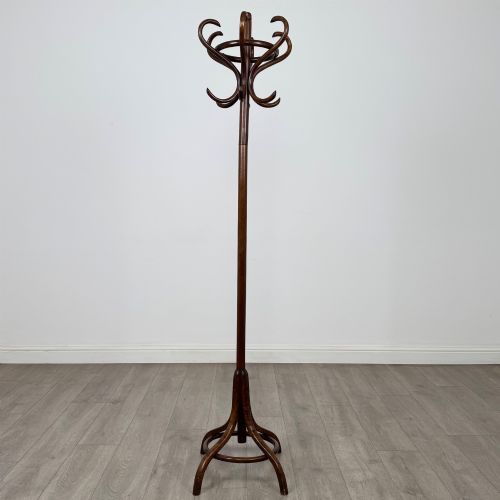
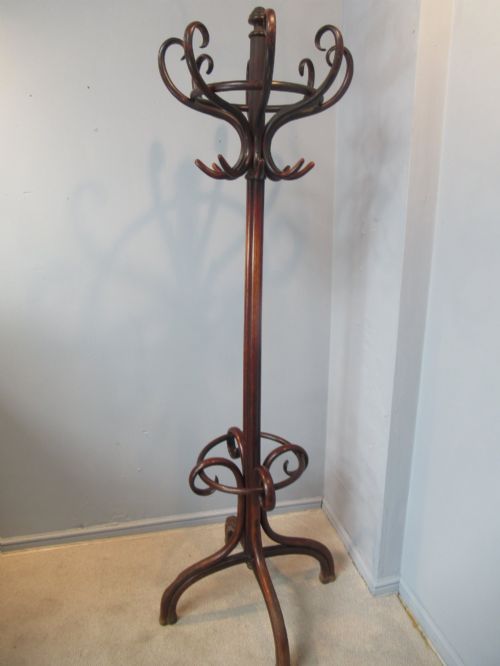
The version most commonly met on this page is the freestanding bentwood hat and coat stand or the oak hall stand incorporating integrated umbrella holders. Buyers select these items to bring period character and practical storage to hallways.
Materials and construction
Construction relies heavily on timbers such as oak, mahogany, beech, and pine, frequently shaped into sturdy frames or curved steam-bent elements. Metal components appear as brass hooks, cast iron frames, and metal drip trays designed to catch moisture from walking canes and umbrellas.
Techniques range from the intricate steam-bending processes used on beech hatstands to solid wood joinery and carved detailing found in Arts and Crafts and Victorian pieces.
Listings feature items spanning the Victorian, Edwardian, and early twentieth-century periods, constructed from oak, mahogany, beech, brass, and cast iron.
Quality differences
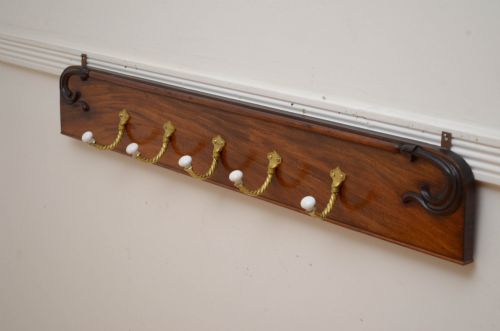
The upper tier of pieces displays superior timber selection, robust structural integrity, and retention of original hardware such as ceramic hooks and brass drip trays. Lesser examples show replacement parts, compromised stability, or lower-grade secondary woods.
Makers' marks and foundry stamps elevate certain cast iron and wooden pieces, while simpler utility items display straightforward construction without decorative embellishment.
Jas. Shoolbred·Falkirk Foundry
The Traditional Hall Rack Glossary
- Bentwood
- Wood shaped by steaming and bending into curved forms, commonly utilised in lightweight nineteenth-century hat and coat stands.
- Hall stand
- A large furniture piece combining a mirror, coat hooks, a glove drawer, and umbrella compartments for an entranceway.
- Stick stand
- A compact vertical holder designed specifically for walking sticks, canes, and umbrellas, often manufactured from cast iron, brass, or oak.
- Hat tree
- A freestanding vertical pole fitted with multiple upward-curving pegs at various heights for hats and coats.
Traditional Hall Rack: Frequently Asked Questions
How do I install a wall mounted coat rack?
Wall-mounted versions require secure fixing into solid masonry or direct attachment to wall studs using appropriate screws through the pre-drilled backplate holes.
Ensure the height accommodates the length of garments hanging from the hooks without dragging on the floor below.
What is the difference between a hall stand and a coat rack?
A hall stand is typically a substantial floor-standing piece that incorporates a mirror, glove box, and umbrella wells alongside coat hooks. A coat rack consists purely of hooks, either mounted on a backboard for walls or configured as a freestanding pole.
Freestanding umbrella stands also exist separately to manage walking sticks and wet umbrellas near the entrance door.
How do I care for antique bentwood furniture?
Keep bentwood pieces away from direct heat sources and excessive moisture to prevent the steam-bent timber from warping or splitting. Dust regularly with a dry cloth and apply a quality furniture wax periodically to nourish the wood.
Check the base joints occasionally to ensure stability remains firm.
Which wood types are most common in these pieces?
Oak and mahogany dominate the heavier nineteenth-century and Edwardian pieces, offering durability and rich grain patterns. Beech appears frequently in bentwood items due to its flexibility when steamed, while pine is found in country house and painted examples.
Brass and cast iron supplement the wooden frames on umbrella stands and hardware.