

Traditional Gold Jewellery
Traditional gold jewellery encompasses enduring pieces shaped from precious metal, often set with diamonds and gemstones, spanning eras from the Victorian period through the mid-twentieth century.
Traditional Gold Jewellery
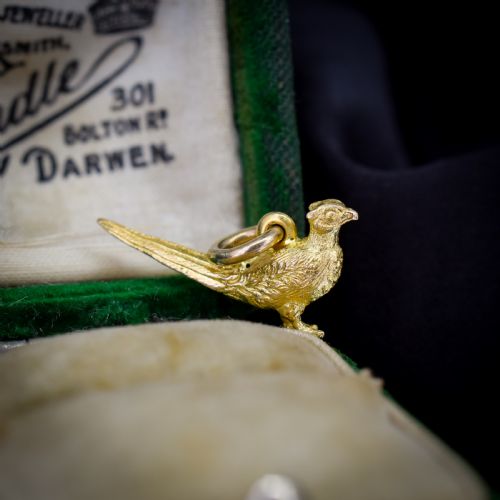
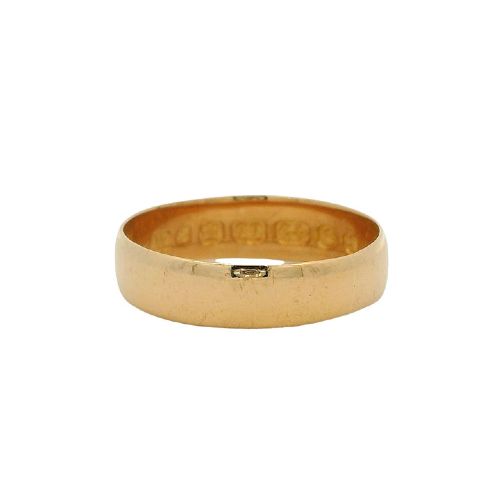
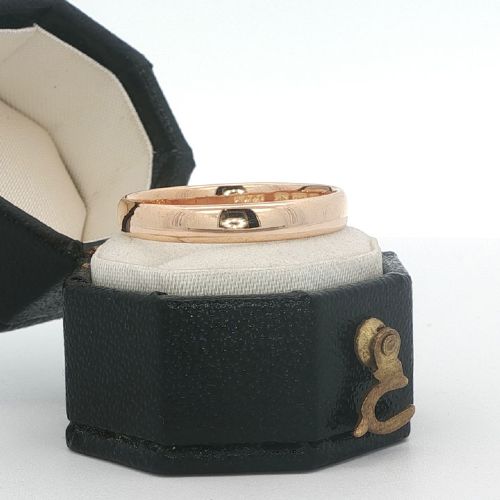
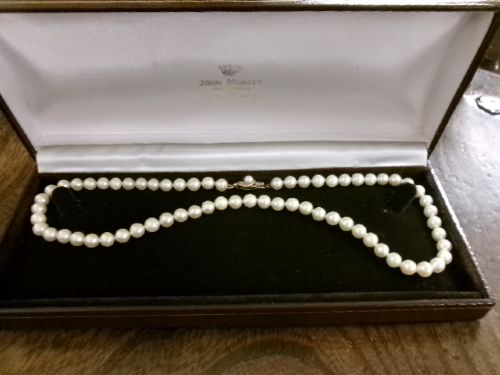
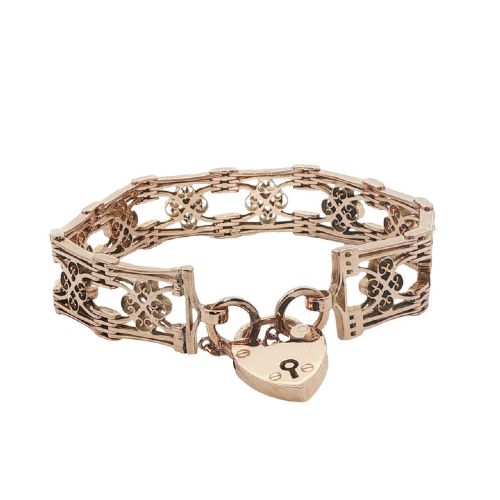
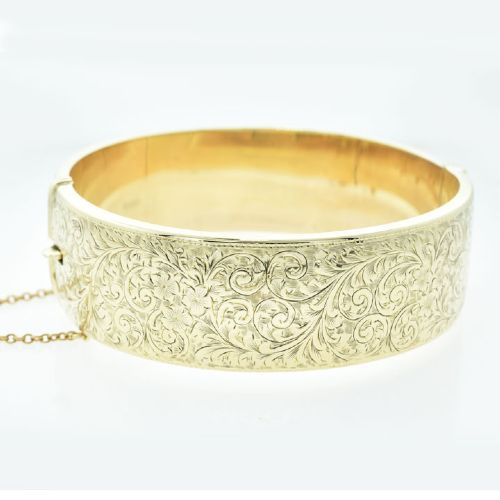
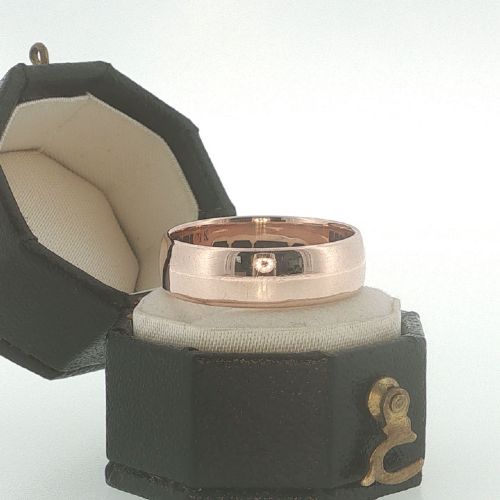
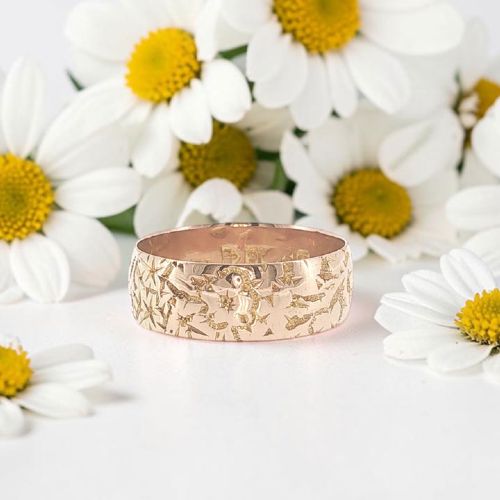
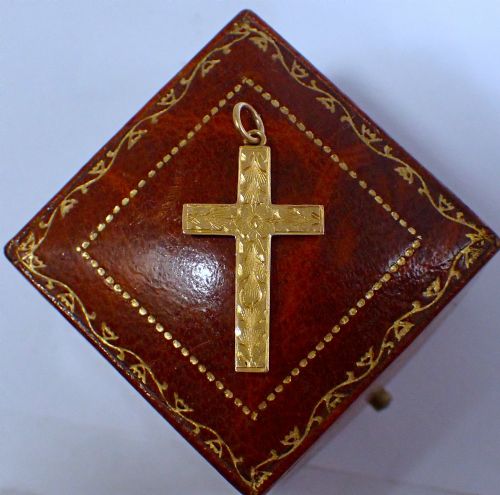
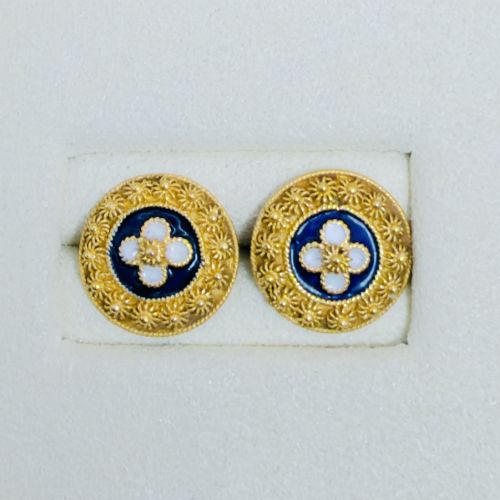
Traditional gold jewellery covers a broad spectrum of adornments, including wedding bands, cluster rings, pendant charms, bangles, and beaded necklaces. Pieces originating from the Victorian era up to the mid-twentieth century dominate the selection, featuring classic motifs such as engraved crosses, gate bracelets, and thistle signet rings.
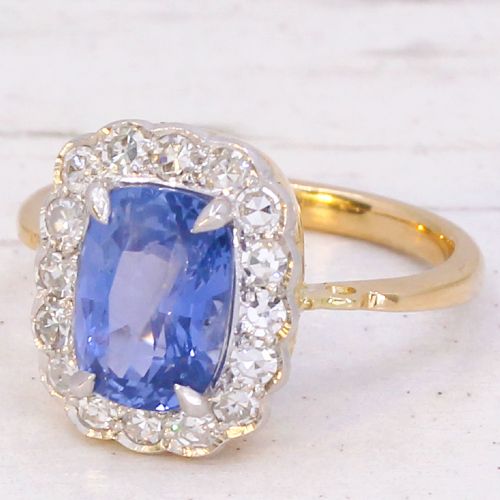
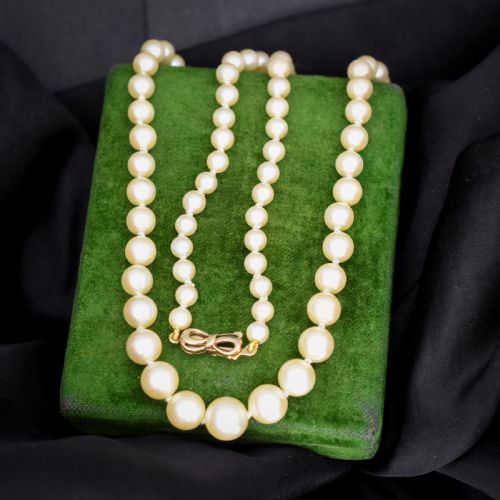
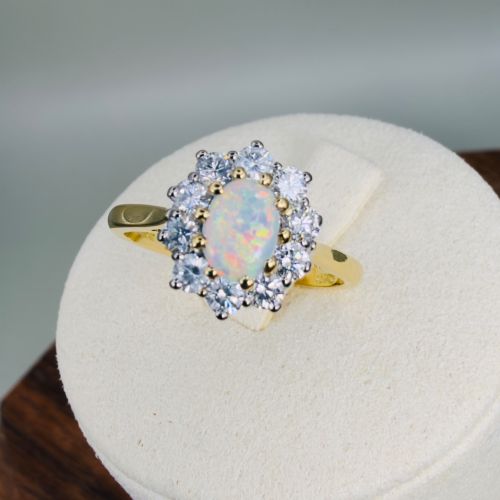
Ring forms are particularly prevalent, ranging from plain high-purity bands to multi-stone gem clusters set with sapphires, rubies, opals, and diamonds. Buyers frequently encounter nineteenth-century wedding bands alongside mid-century cocktail rings and pearl necklaces fitted with gold clasps.
Materials and construction
Goldsmiths utilised varying purities of gold, notably 9ct, 15ct, 18ct, and high-purity 22ct yellow, rose, and white gold, alongside platinum settings for durable gemstone mounts. Components were shaped through traditional techniques including casting, hand engraving, and claw or illusion settings to secure diamonds and coloured stones.
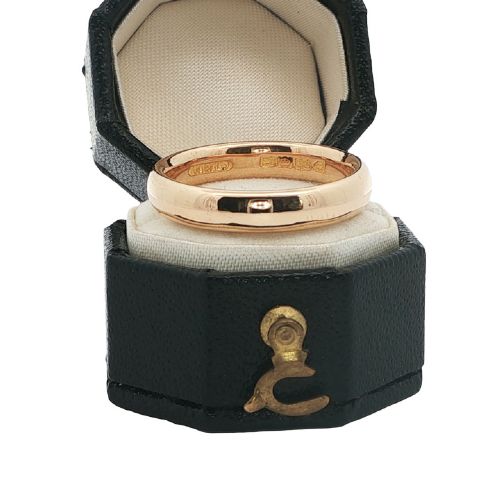
Gemstones such as old cut diamonds, cabochon opals, and Ceylon sapphires were carefully matched and integrated into cluster rings, brooches, and drop earrings. Hallmarks stamped into the metal by assay offices provide official records of origin, maker marks, and the specific year of manufacture.
Judging the range
Quality separates through the integrity of the gold work, the weight of the metal, and the crispness of hand engraving on items like signet rings and lockets. Heavier 22ct wedding bands and solid 18ct mountings retain their structural substance and clear hallmarks better over decades of daily wear.
The selection of gemstones dictates the upper tier of the range, where well-matched old cut diamonds, bright rubies, and vibrant cabochon opals command attention. Finer examples display meticulous claw work and balanced proportions that elevate standard period items into notable collector pieces.
Smith and Pepper·W. E. D.
The Traditional Gold Jewellery Glossary
- Old cut
- A diamond facet style popular in earlier periods featuring a smaller table and higher crown, designed to catch candlelight rather than modern electric illumination.
- Cabochon
- A gemstone shaped and polished with a smooth, convex domed surface rather than faceted edges, commonly seen on opals in this collection.
- Hallmark
- An official stamp applied by an assay office indicating the purity of the precious metal, the maker, and the year the piece was tested.
- Cluster ring
- A ring design featuring a central gemstone encircled by a border of smaller stones, often diamonds framing a sapphire, ruby, or opal.
- Gate bracelet
- A flexible wrist ornament constructed from parallel metal links connected by vertical bars, typically finished with a decorative padlock clasp.
Traditional Gold Jewellery: Frequently Asked Questions
What purities of gold will I find?
The pieces utilise a range of gold purities, most notably 9ct, 15ct, 18ct, and high-purity 22ct yellow, rose, and white gold. Assay marks often confirm the exact standard.
Heavier wedding bands typically employ 22ct gold, while intricate cluster rings and lockets frequently feature 18ct or 9ct gold.
How do I care for antique gold jewellery?
Gentle cleaning with warm soapy water and a soft cloth maintains the polish of the metal without harming softer stones like opals or pearls. Professional inspection of claws ensures gemstones remain secure.
Store pieces individually in soft pouches to prevent scratches between harder diamonds and softer gold surfaces.
Are these pieces suitable for daily wear?
Solid gold wedding bands and sturdy signet rings endure everyday use exceptionally well due to their robust metal construction. Items with delicate pearl strands or high-set opals require more mindful treatment.
Checking the original claw settings periodically helps preserve historical gemstone jewellery worn regularly.
How can I date my gold jewellery?
Hallmarks stamped inside bands and clasps provide letters and symbols corresponding to specific assay office records and years of manufacture. Stylistic clues like Victorian engraving or mid-century cluster layouts also help determine the era.
Matching the design characteristics with documented production periods narrows down the exact decade of origin.