




Traditional Gold Diamond Ring
These traditional gold diamond ring examples combine enduring precious metals with brilliant stones across periods from Victorian to mid-century.
Traditional Gold Diamond Ring
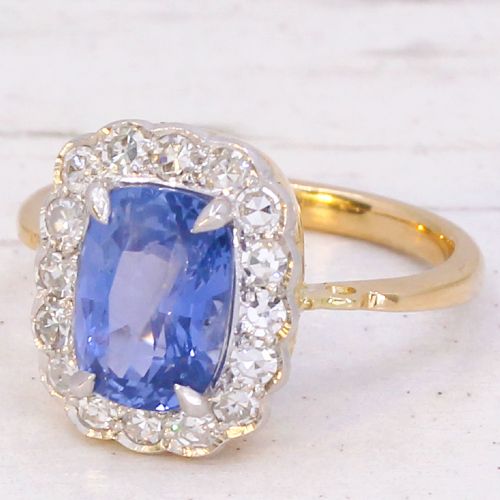
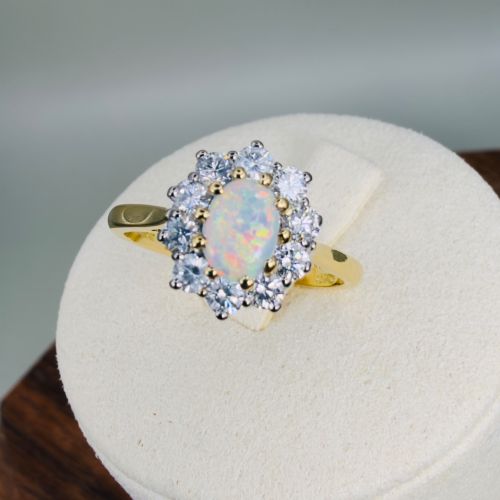
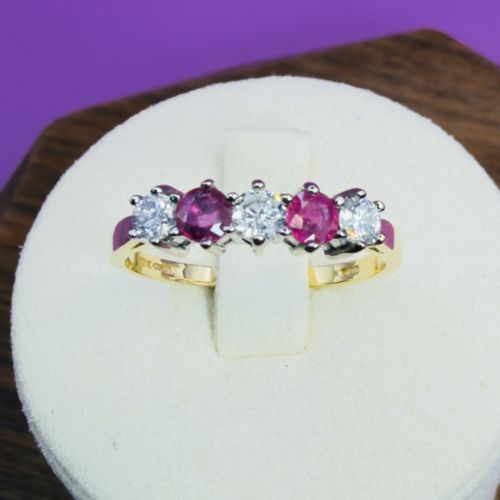
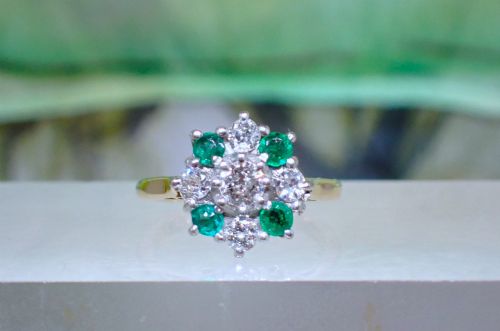
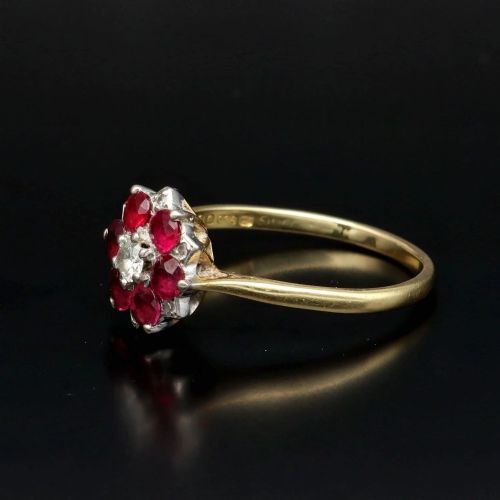
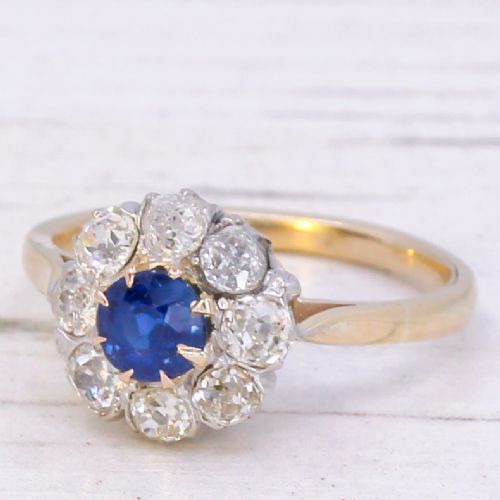
The selections frequently pair diamonds with yellow or white gold, alongside coloured gems such as sapphires, rubies, and opals. Cluster configurations and single-stone solitaires dominate the forms available in these listings.
Materials and construction
Metals including 18ct gold, 9ct gold, and platinum provide the structural foundations for these rings. Artisans set stones by hand into cluster arrangements or secure solitaire mountings.
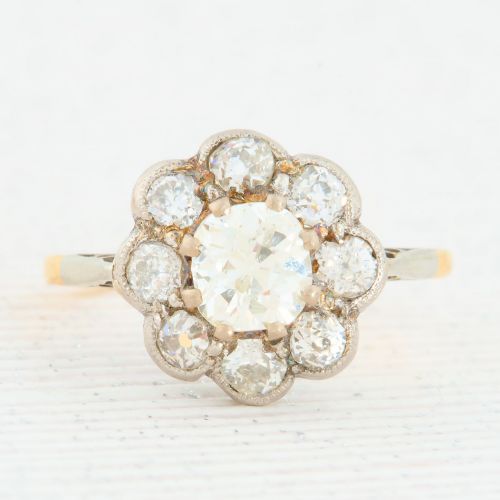
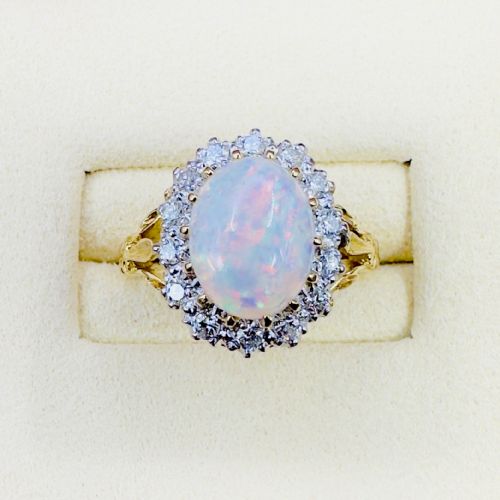
Gemstones feature varied cuts such as old cut, old cushion cut, mine cut, and round cut diamonds. Coloured stones like cabochon opals and faceted sapphires integrate directly into the gold and platinum settings.
Listings feature yellow gold, white gold, and platinum paired with diamonds, rubies, sapphires, emeralds, and opals across multiple decades.
Evaluating craftsmanship
The refinement of stone cutting and the weight of the gold mountings distinguish individual rings. Older cutting styles like mine cuts and old cushion cuts display distinct faceting patterns that differ from modern machine precision.
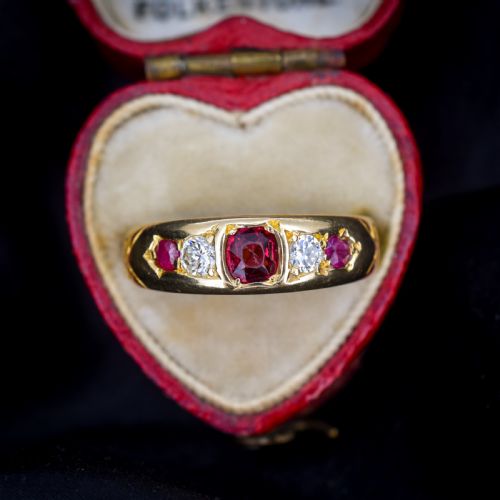
The integration of secondary stones, such as emeralds, rubies, and sapphires within cluster designs, affects the overall visual harmony. Heavier 18ct gold and platinum settings provide greater durability compared to lighter counterparts.
The Traditional Gold Diamond Ring Glossary
- Solitaire
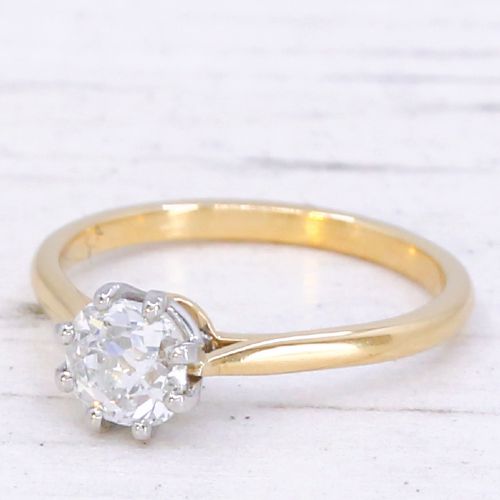
- A ring featuring a single prominent gemstone set into the band. This classic setting places full visual emphasis on the central diamond.
- Cluster ring
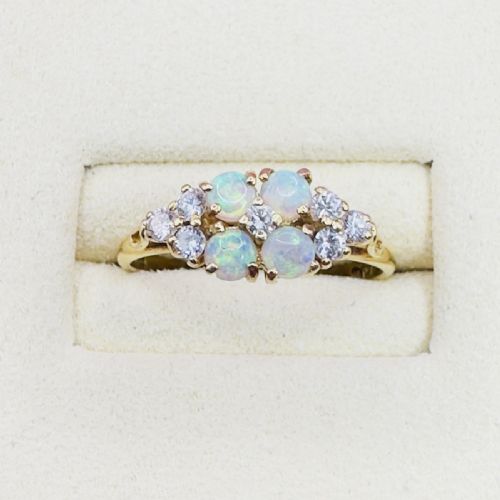
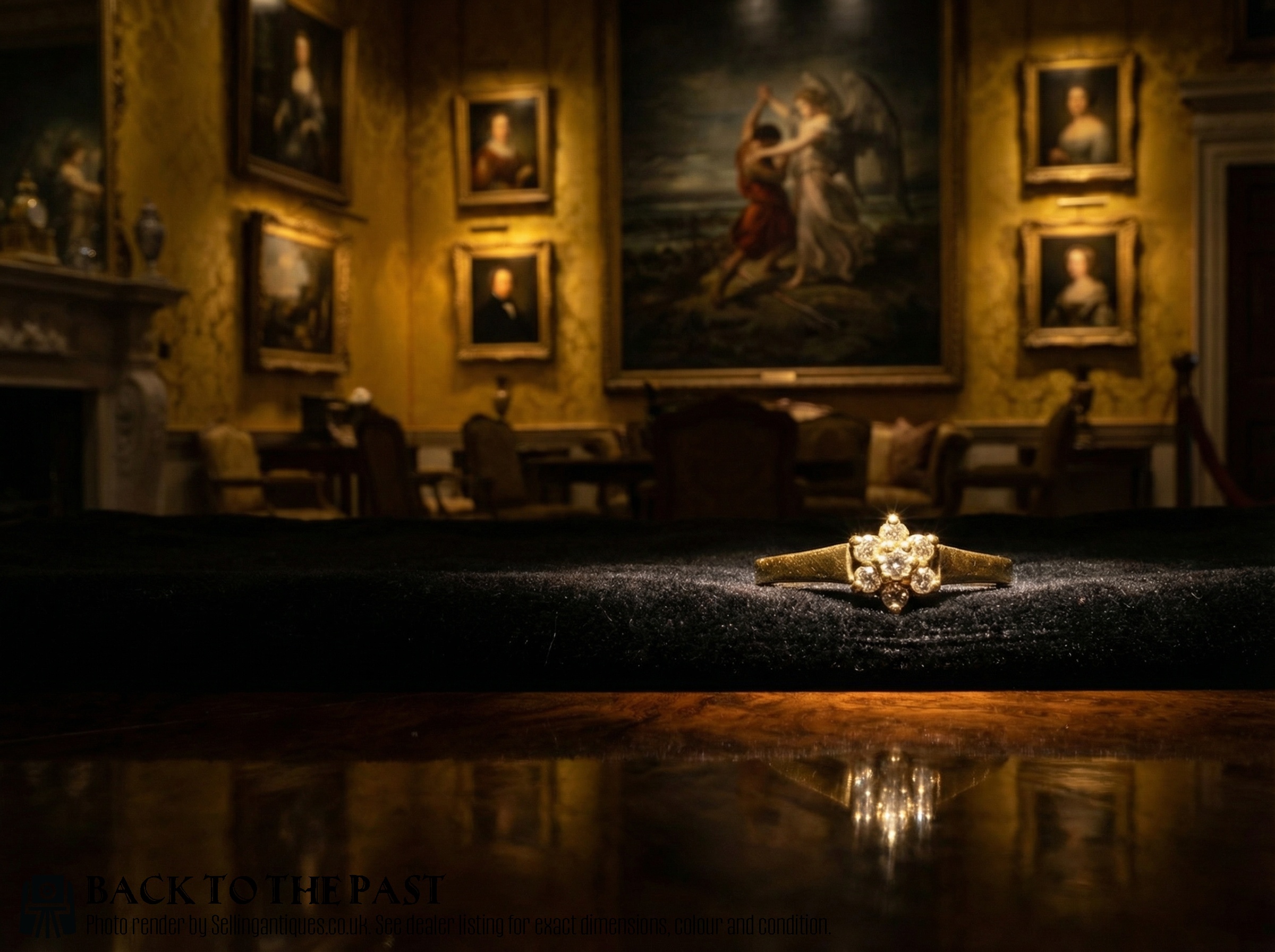
- A design featuring a central stone surrounded by a group of smaller gemstones. This layout maximises sparkle and colour contrast.
- Old cut
- A vintage diamond cutting style characterised by a small table, high crown, and large culet. These stones were shaped by hand before modern machinery existed.
- Cabochon
- A gemstone shaped and polished with a smooth, rounded surface rather than faceted edges. Opals frequently utilise this form to display their internal play of colour.
- Half eternity ring
- A band set with a single continuous line of gemstones across the top half of the hoop. This style offers comfortable everyday wear.
Traditional Gold Diamond Ring: Frequently Asked Questions
How do I identify a Victorian ring?
Victorian pieces often employ heavy yellow gold settings and specific stone arrangements like illusion settings or old cut diamonds. Examining the hallmark stamps and internal band shaping helps confirm this era.
Craftsmanship from the nineteenth century displays hand-finished details that differ noticeably from mid-century manufacturing methods. These distinct construction traits separate nineteenth-century items from later decades.
What is an old cut diamond?
An old cut diamond refers to stones shaped by hand during the nineteenth and early twentieth centuries. These gems possess characteristic hand-cut facets that catch candle or gas light in a unique manner.
Unlike modern brilliant cuts designed for electric illumination, old cuts prioritize retaining rough crystal weight. This historic technique results in charming irregularities visible under magnification.
How do cluster rings differ from solitaires?
Cluster rings group multiple smaller diamonds and coloured gems together to create a larger visual presence. Solitaires rely on a single dominant stone as the focal point of the band.
Cluster designs frequently incorporate sapphires, rubies, or emeralds alongside diamonds. Solitaires focus entirely on the optical properties of one central gemstone.