
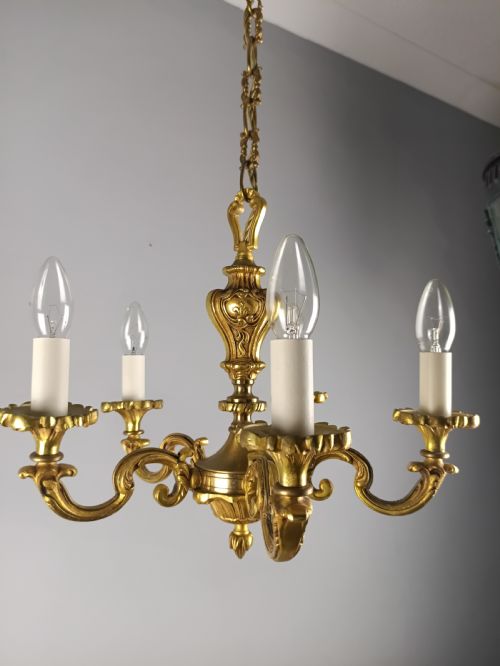
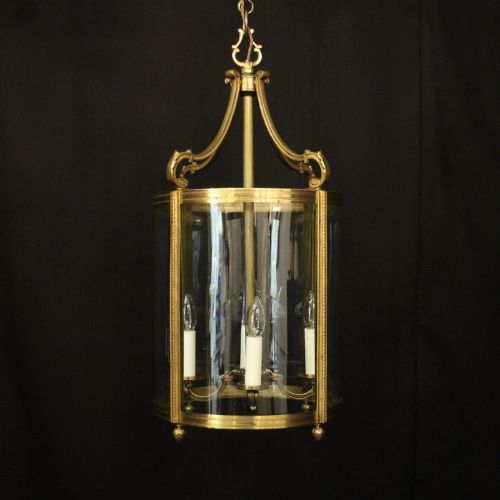
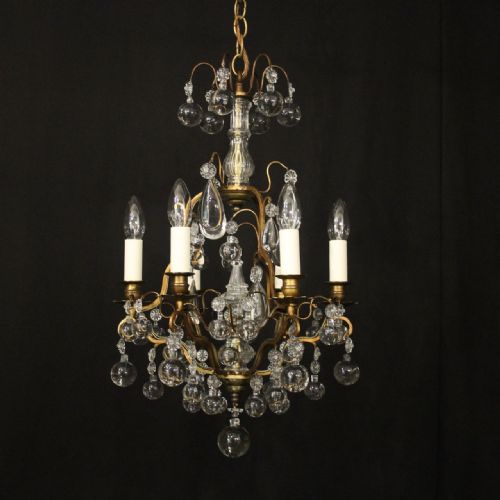
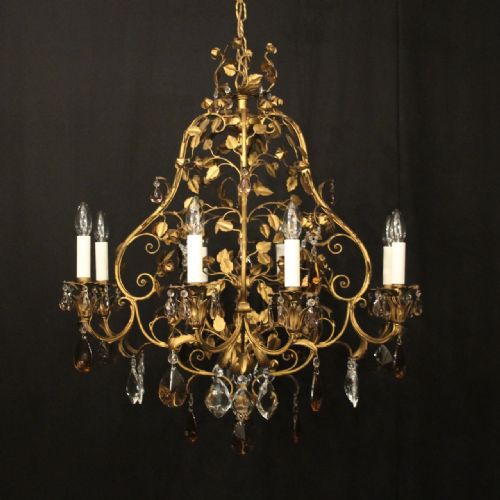
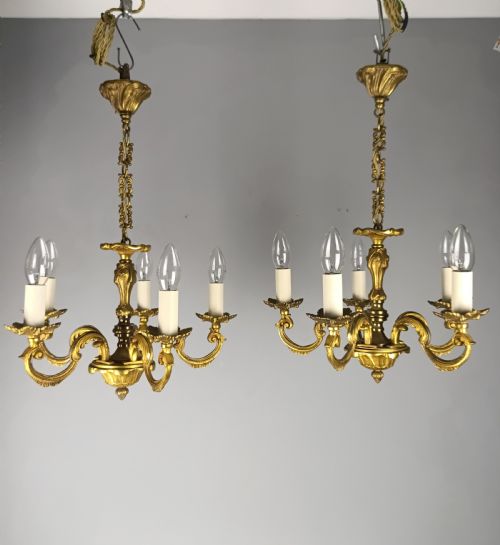
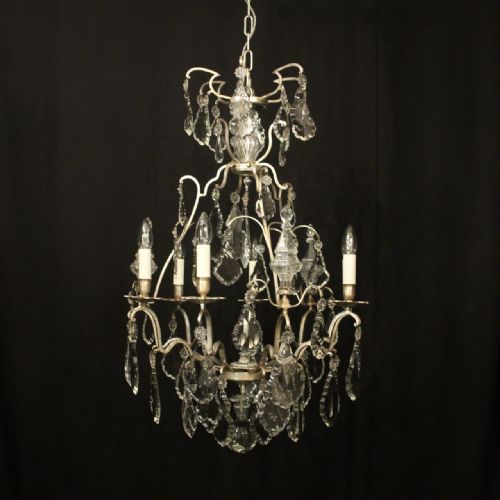
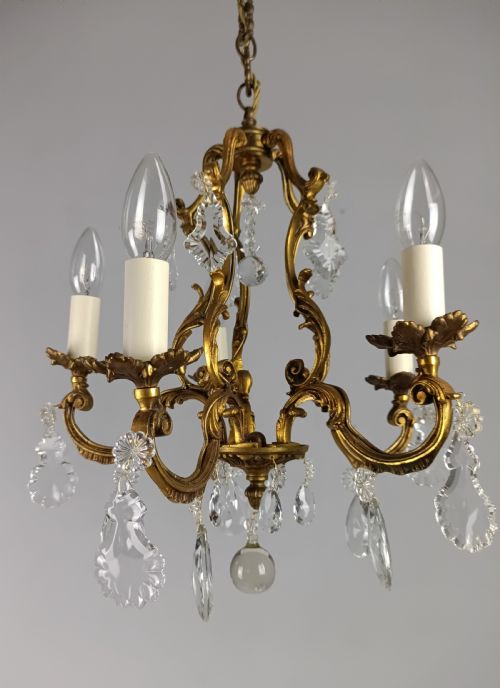

Traditional Gilt Metal Chandelier
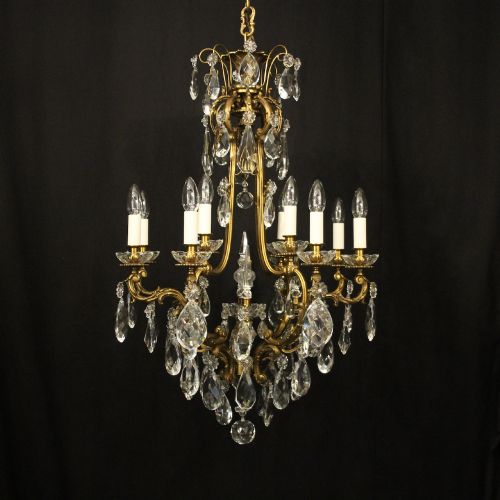
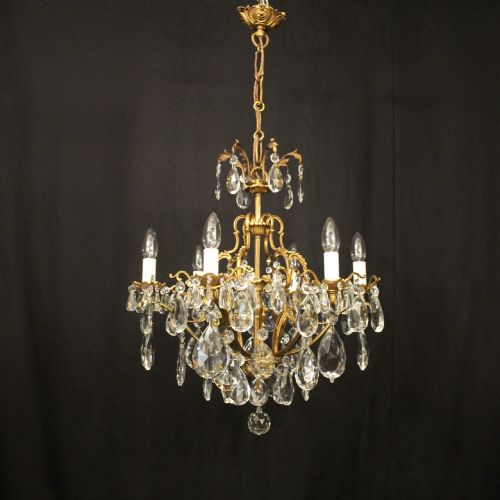
A traditional gilt metal chandelier brings warmth and commanding presence to a room, casting refracted light through assembled crystal and glass.
Traditional Gilt Metal Chandelier
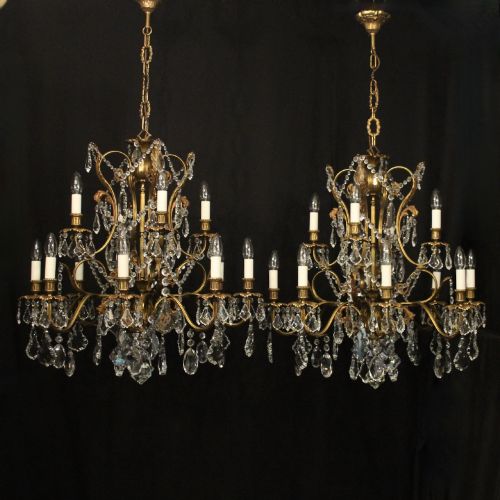
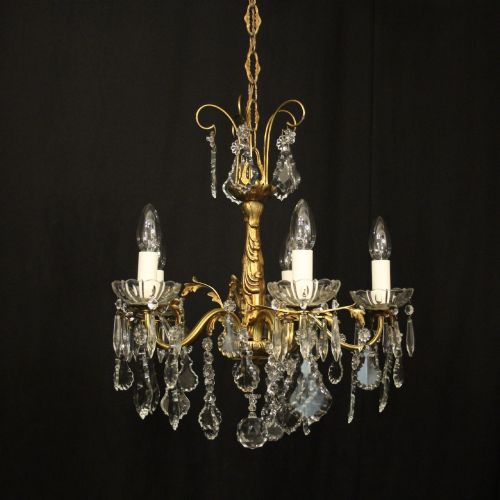
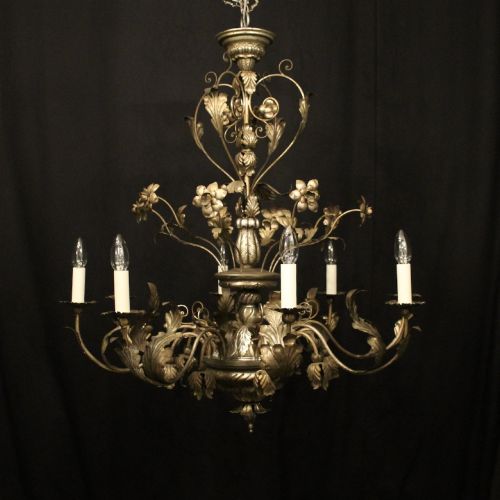
A traditional gilt metal chandelier represents an overarching category of grand ceiling lighting, dominated here by French and Italian origins. These pieces range from compact single-light hall lanterns to sprawling twenty-four light fixtures designed for high-ceilinged principal rooms.
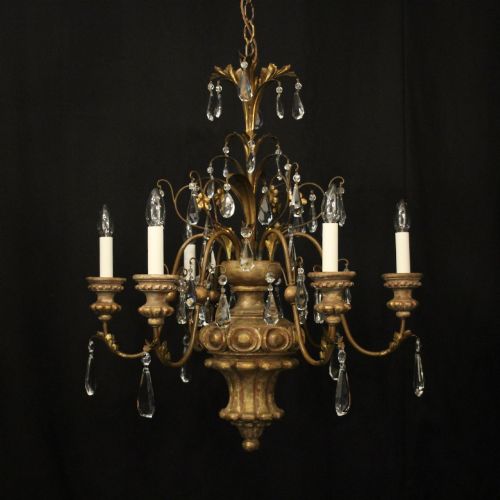
The objects span periods from the nineteenth century through the Edwardian era and into the 1920s and 1930s. Buyers frequently encounter French creations featuring gilt bronze or brass alongside Italian Florentine interpretations characterised by intricate giltwood and metal framing.
Materials and construction methods
Construction relies upon metal armatures formed from cast bronze, brass, and gilt metal, which provide structural integrity for multiple light branches. Gilding techniques apply a gold-coloured finish across the metal surfaces to catch ambient light.
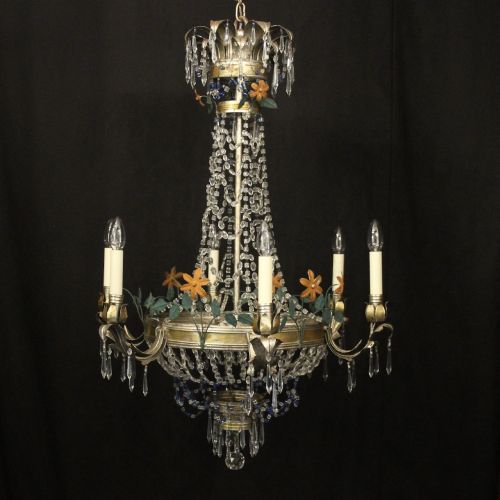
Many examples integrate glass and crystal elements, including hanging teardrops, beads, and cut glass plates that diffuse the illumination. Toleware components and silvered gilding variations also appear among the continental workshops.
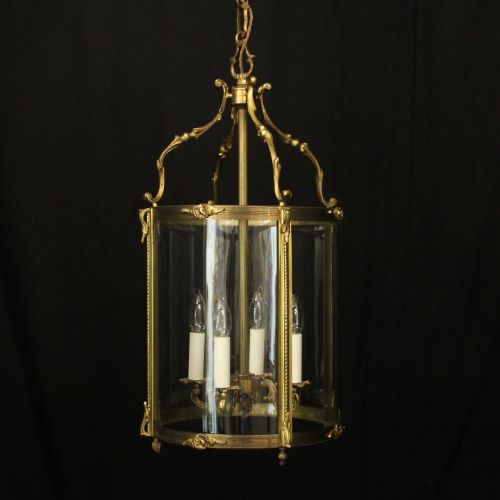
Object forms recorded on this page range from modest single-light hall lanterns to expansive twenty-four light Florentine chandeliers.
Distinguishing quality and execution
Quality reveals itself in the precision of the metal casting and the depth of the gilding applied to the bronze or brass framework. Finer examples display crisp botanical or scroll detailing rather than softened or flattened surface ornament.
The integration of the crystal and glass drops further separates standard production from superior pieces. Hand-cut pendants and generous beaded strands indicate higher artisanal investment during the manufacturing process.
The Traditional Gilt Metal Chandelier Glossary
- Gilt bronze
- Metal alloy coated with a layer of gold, providing a durable and luminous finish frequently utilised in French lighting.
- Hall lantern
- A compact, enclosed ceiling light designed specifically for corridors and entrance spaces rather than principal reception rooms.
- Tent and waterfall
- A configuration where crystal strands drape upwards in a tent shape above a cascading arrangement of drops.
- Florentine
- A regional Italian style noted for ornate, carved, and gilded framework often incorporating floral or beaded motifs.
- Cage chandelier
- A style where the metal frame encloses the internal lighting components entirely within a skeletal framework draped in crystal.
Traditional Gilt Metal Chandelier: Frequently Asked Questions
How do I hang a large chandelier safely?
Heavy fixtures require direct anchorage into ceiling joists using a steel support hook capable of bearing the total weight of bronze and crystal. Professional installation ensures the electrical load and structural suspension meet safety standards.
Ceiling height dictates the suspension drop, ensuring the lowest point clears household traffic while remaining visually anchored to the room proportions.
Can I clean the crystal drops at home?
Crystal pendants benefit from careful removal and washing in lukewarm water with a mild detergent. Each piece requires thorough drying before reattachment to prevent water spots on the glass.
Leaving the metal frame intact while cleaning individual drops protects the antique gilding from harsh chemical exposure.
What rooms suit a multi-light chandelier?
Grand multi-light fixtures find a natural home in high-ceilinged dining rooms, entrance halls, and drawing rooms where their scale balances the architectural volume. Smaller single-light lanterns serve narrower corridors and landings effectively.
Placement should consider both the physical clearance and the desired pool of illumination within the living space.
How do French and Italian styles differ?
French lighting from this selection often emphasises refined gilt bronze mounts, convex lanterns, and structured crystal waterfalls. These designs favour classical restraint combined with decorative elegance.
Italian Florentine pieces lean towards bolder giltwood frames, extensive beadwork, and layered tiers that project a more exuberant decorative presence.