



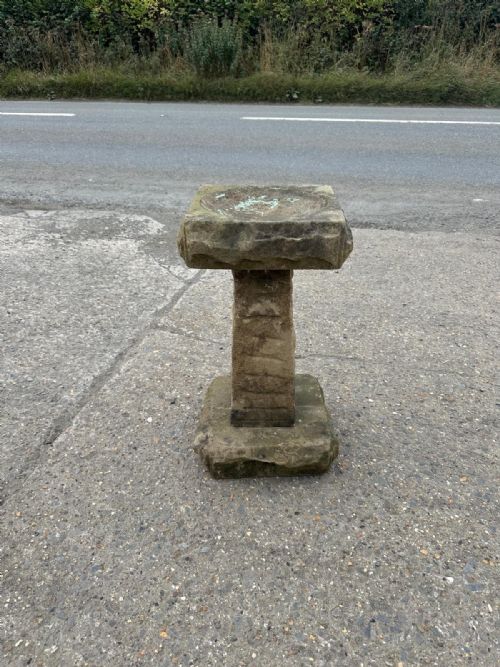


Traditional Garden Stone Feature
These pieces are a traditional garden stone feature, bringing age and honest utility to outside spaces through weathered granite, sandstone and limestone.
Traditional Garden Stone Feature
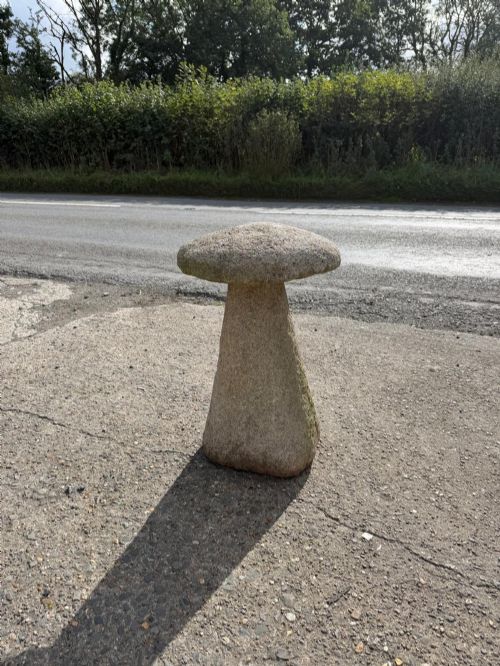
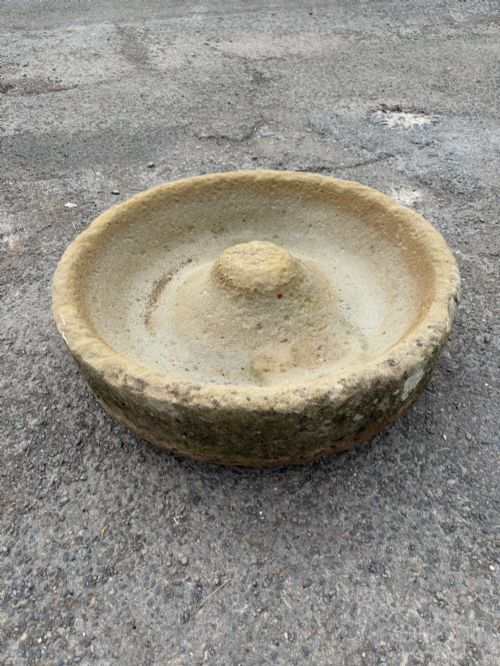
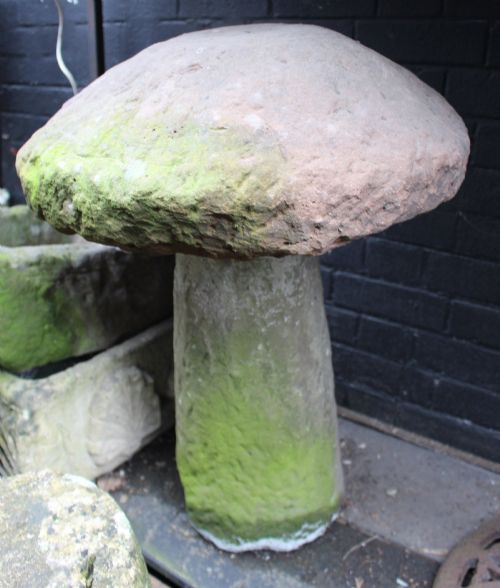
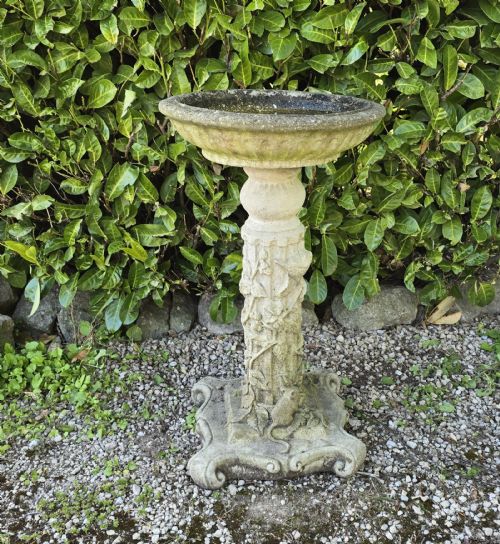
A traditional garden stone feature serves as a functional and decorative anchor in the landscape, drawing upon centuries of rural craft and architectural salvage. Buyers seeking this type of ornament find items rooted in agricultural history, from staddle stones once used to support grain stacks to millstones and bird baths.
How they were made
Stonemasons shaped these pieces by hand using hard regional minerals such as granite, limestone and sandstone. Traditional quarrying and cutting methods produced simple, robust forms intended to withstand heavy farm labour and permanent outdoor placement.
Surface textures emerged directly from utilitarian carving techniques and decades or centuries of weathering. Natural growth such as moss and lichen accumulates on the stone, integrating the man-made object into the natural environment.
Traditional Garden Stone Feature Retail Price Guide 2026
Typical asking prices for traditional garden stone feature among the pieces listed under this phrase on Sellingantiques today, from the lower quarter to the upper quarter. They describe what is for sale here now, not the wider market.
Current listings span the eighteenth, nineteenth and twentieth centuries, featuring materials such as Cornish granite, Purbeck stone and sandstone.
What varies in quality
Quality rests upon the integrity of the material, the purity of the geological origin and the depth of natural weathering. Pieces carved from dense granites or Purbeck stone retain their structural form more clearly than softer limestones over centuries of exposure.
The distinction between a top-tier piece and a simpler example lies in the harmony of proportion and the authenticity of the surface patina. Original tool marks combined with undisturbed biological growth elevate an ordinary salvaged stone into a compelling focal point.
The Traditional Garden Stone Feature Glossary
- Staddlestone
- A mushroom-shaped stone support originally used to elevate granaries above the damp ground and deter vermin. They form one of the most sought-after categories of garden antique.
- Purbeck Stone
- A type of limestone quarried on the Isle of Purbeck in Dorset, prized for its durability and fossils. It appears frequently in traditional bird baths and architectural salvage.
- Architectural Salvage
- Building materials and utilitarian objects rescued from older structures for reuse in landscaping or interior design. This category preserves pieces that might otherwise be lost.
Traditional Garden Stone Feature: Frequently Asked Questions
What is a staddle stone?
A staddle stone consists of a shaped cap and base once used to raise wooden agricultural buildings off the ground.
Today they function as sculptural garden ornaments prized for their rustic silhouette.
How do I place a millstone?
Millstones sit flat on the ground or act as a raised focal point within a planting scheme.
Their substantial weight keeps them stable without permanent foundations.
Can bird baths stay outside in winter?
Dense stones like granite and Purbeck stone handle freezing temperatures well due to their low porosity.
Checking for standing water prevents ice expansion damage during hard frosts.
How do I date an old stone feature?
Dating relies on tool marks, regional stone types and the level of natural weathering.
18th-century examples often show hand-chiselled surfaces distinct from later machine-cut pieces.