




Traditional Garden Feature
These traditional garden feature pieces bring genuine age and honest craftsmanship to outdoor spaces through time-weathered stone and iron.
Traditional Garden Feature
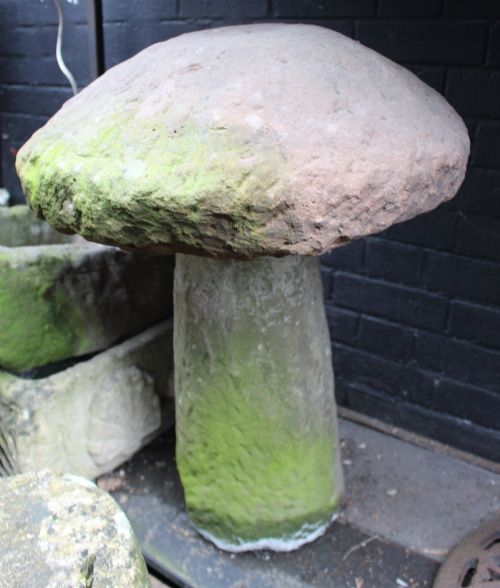
A traditional garden feature encompasses historic stone troughs, staddle stones, mill stones, and garden ornaments that originally served agricultural or domestic purposes before finding a permanent home in the garden. Pieces span the eighteenth, nineteenth, and early twentieth centuries, reflecting rural working life and early landscape design.
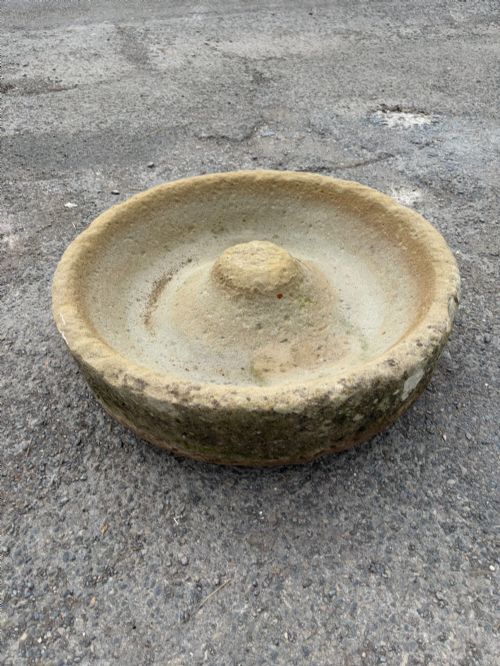
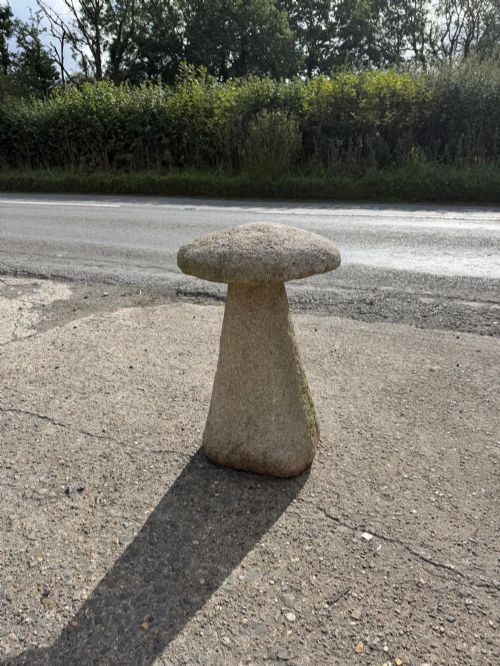
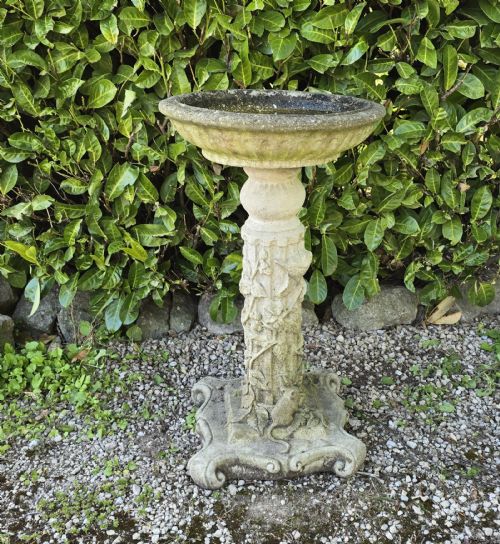
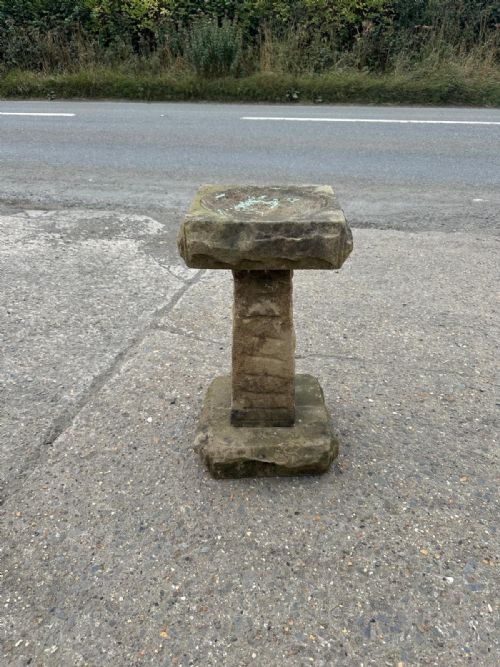
The most common examples you will encounter are staddle stones hewn from Cornish granite or sandstone, alongside weathered stone bird baths and heavy mill stones. These objects carry real utility from their working past, transitioning from farmyards and mills into focal points for planting schemes.
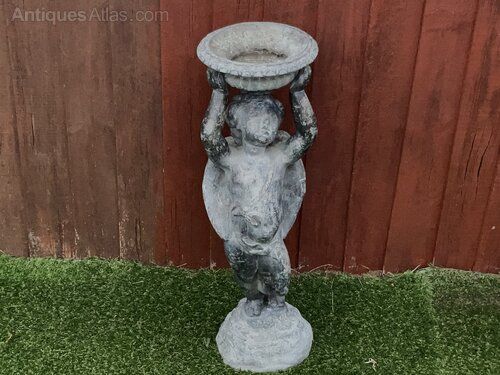
The selection ranges from rustic vernacular items like pig troughs and grindstones to decorative cast iron urns and wrought iron weather vanes. Each object bears the marks of decades outdoors, shaped by weather, use, and the passing of time.
How they were made
Stonemasons shaped materials such as Cornish granite, Purbeck stone, sandstone, and limestone using hand tools, splitting and chiselling blocks for maximum durability. This hard labour produced sturdy agricultural fixtures designed to withstand heavy daily use and exposure to the elements.
Metal items like weather vanes and garden urns relied on traditional blacksmithing and foundry casting techniques, shaping wrought and cast iron into functional or ornamental shapes. These manufacturing methods ensured the pieces could endure wind, rain, and decades outdoors without losing their structural integrity.
Traditional Garden Feature Retail Price Guide 2026
Typical asking prices for traditional garden feature among the pieces listed under this phrase on Sellingantiques today, from the lower quarter to the upper quarter. They describe what is for sale here now, not the wider market.
Some nineteenth century pig troughs have witnessed more Gloucestershire mud than most spaniels ever will.
What varies in quality
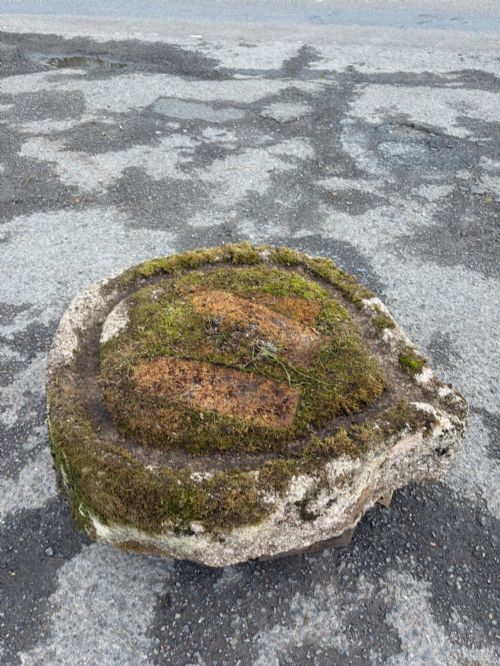
Quality rests in the purity of the material and the integrity of the original form, whether a staddle stone retains its cap and base in unblemished proportion or a mill stone shows crisp tooling marks. Natural weathering such as deep moss and lichen growth adds character, provided the underlying stone remains sound and free from modern repairs.
The distinction between a utilitarian object and a finer garden ornament often lies in the balance of the proportions and the quality of the raw stone selected by the maker. Pieces that have aged naturally outdoors display a harmonious surface texture that machine-cut modern substitutes cannot replicate.
The Traditional Garden Feature Glossary
- Staddle stone
- A mushroom-shaped stone support originally used to raise granaries and rick stands off the ground to keep damp and vermin away. They now serve as striking garden ornaments and pedestals.
- Granite
- An igneous rock prized by masons for its exceptional hardness and resistance to weathering. Cornish granite forms the robust material of many eighteenth and nineteenth century staddle stones.
- Weather vane
- An architectural instrument mounted on a roof or pole to indicate wind direction, typically forged from wrought iron during the early twentieth century.
- Cast stone
- A refined building product manufactured from aggregate and binder to mimic natural cut stone. It became popular for garden urns and architectural ornaments during the nineteenth and twentieth centuries.
Traditional Garden Feature: Frequently Asked Questions
What is a staddle stone used for?
Originally, staddle stones supported wooden agricultural buildings, elevating grain stores above the damp earth and keeping rodents from reaching the harvest.
Today, they are placed in gardens as sculptural focal points, often arranged in sets along pathways or used to frame a terrace.
How do I care for antique garden stone?
Historic stone requires very little intervention, and you should generally leave natural growths of moss and lichen undisturbed.
Avoid pressure washing or harsh chemical cleaners, as these methods can strip away centuries of weathering and damage the surface of the granite or sandstone.
Can mill stones stay outside in winter?
Granite and sandstone mill stones are exceptionally dense and withstand freezing temperatures without sustaining damage.
Ensure they rest on a stable, level base so they do not settle unevenly into the soil during wet winter months.
How do I date a stone trough?
Dating relies on tool marks left by the stonemason, the geological type of the stone, and the overall shape dictated by its agricultural function.
Earlier pieces often display irregular chiselling from hand tools, whereas later examples show more uniform mechanical cutting.