




Traditional Front Door Furniture
Traditional front door furniture comprises robust door hardware and knockers designed to make an entrance, spanning periods from the eighteenth century to the twentieth.
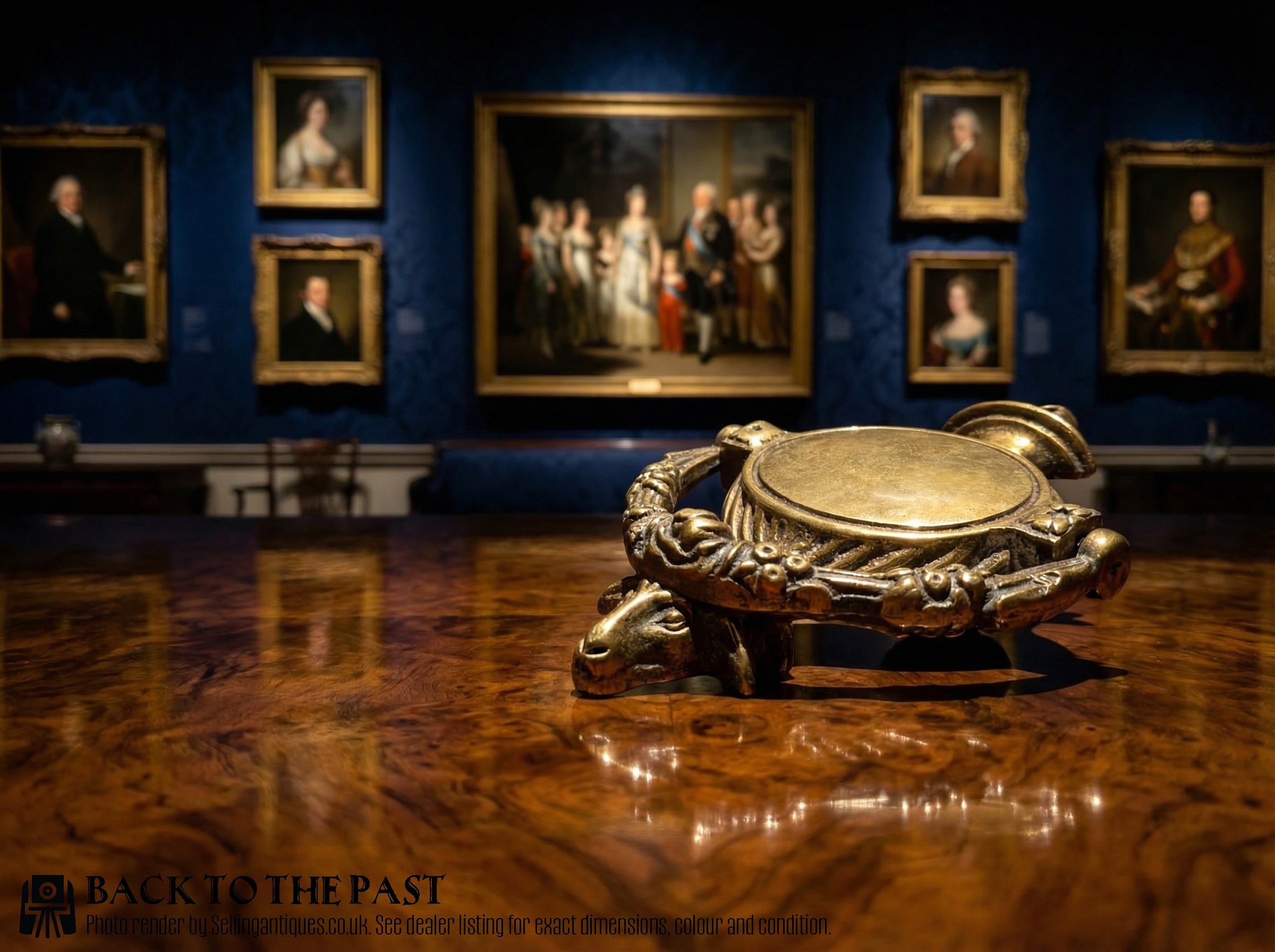
Traditional Front Door Furniture
Traditional front door furniture encompasses a range of functional hardware for exterior entrances, including door knockers, pull handles, letter boxes and centre door knobs. When searching for traditional front door furniture, buyers encounter pieces from the Georgian, Victorian, Edwardian and Regency periods, alongside earlier eighteenth-century examples.
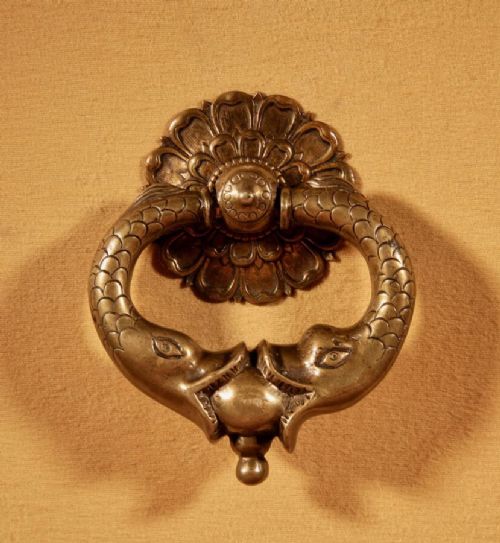
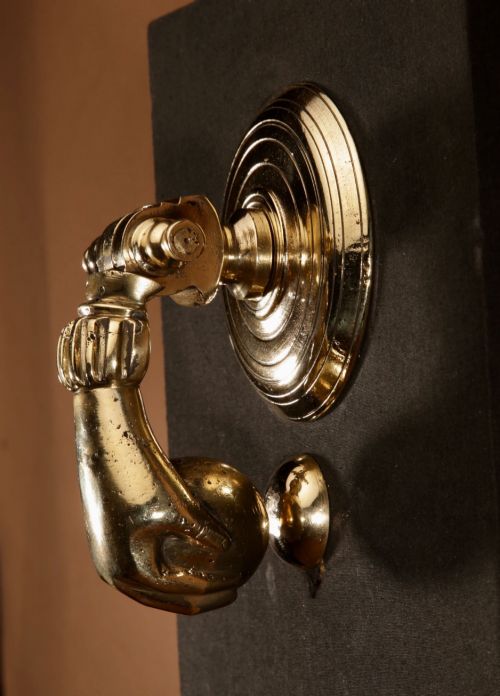
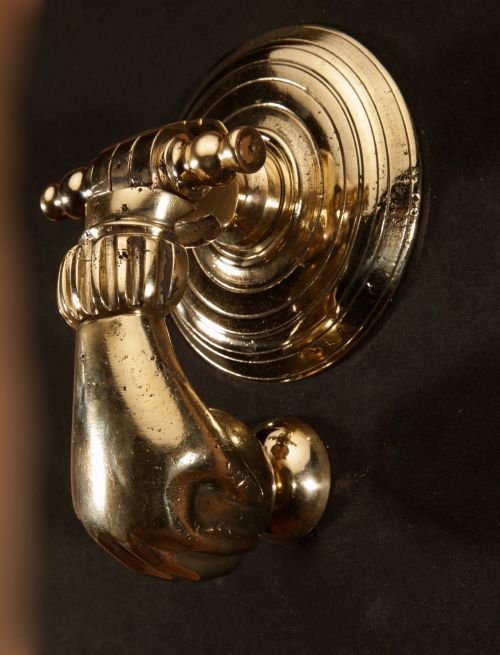
The objects listed on this page range from solid brass centre door knobs in bee hive and octagonal patterns to complete continental door knockers and large bronze hand-shaped knockers. Alongside dedicated door hardware, the selection occasionally includes related items like brass letter boxes and door fittings.
Most pieces show British and continental European origins, reflecting styles from classic Victorian and Georgian designs to rococo revival and neoclassical influences.
Materials and construction
Metalworking dominates traditional front door furniture, with the evidence recording solid brass, bronze and unspecific brass components cast or forged into heavy-duty hardware. These metals provide the necessary weight and durability for exterior use on timber doors.
Secondary materials appear in domestic furniture often associated with these eras, such as oak, mahogany, glass and veneer, though exterior hardware relies almost exclusively on cast or worked metals.
Several bronze knockers take the literal shape of a human hand, ensuring visitors literally knock with a sculpted fist.
Judging quality in door hardware
Quality in traditional front door furniture rests on the crispness of the casting and the thickness of the metal. Finer examples display sharp detailing in motifs such as bee hive patterns, octagonal facets or the intricate fingers of hand-shaped knockers.
Substantial weight and original mounting plates or backplates indicate superior manufacture. Wear patterns that show genuine age rather than structural compromise separate better-surviving hardware from inferior replacements.
The Traditional Front Door Furniture Glossary
- Centre door knob
- A large door knob mounted centrally on the exterior of a front door, often used for pulling the door closed rather than operating a latch.
- Door knocker
- A hinged metal device attached to the exterior of a door for visitors to strike against a striking plate.
- Letter box
- A horizontal aperture plate fitted to an entrance door to receive mail, often accompanied by a hinged flap.
- Regency
- A British architectural and decorative style spanning the early nineteenth century, known for neoclassical restraint and clean lines.
- Rococo revival
- A nineteenth-century design movement favouring asymmetrical scrollwork, natural motifs and ornamental exuberance.
Traditional Front Door Furniture: Frequently Asked Questions
What is a centre door knob used for?
A centre door knob serves as both a decorative focal point and a functional handle for pulling a heavy front door shut from the outside. Unlike latching door knobs, these are fixed solidly to the door front.
They often appear in geometric shapes like octagons or traditional beehive turns, positioned directly in the middle of the door leaf.
How do I date a brass door knocker?
Dating brass door hardware involves examining the casting method, the style of the mounting plate, and the overall design motifs. Georgian and Regency pieces tend towards neoclassical restraint, while Victorian examples often feature heavier proportions and ornate detailing.
Hand-shaped knockers and complete continental assemblies carry distinct regional characteristics that help narrow down their period of manufacture.
Are bronze and brass interchangeable terms?
While both are copper alloy metals, bronze and brass possess different compositions and visual properties. Bronze generally contains copper and tin, developing a darker, rich patina over time, whereas brass is an alloy of copper and zinc with a brighter golden tone.
Traditional hardware listings distinguish between the two based on the metal's appearance and historical usage.
Can I fit antique door furniture externally?
Most traditional front door furniture was engineered precisely for exterior use and handles weathering well. Solid brass and bronze components withstand exposure to the elements while developing an authentic aged surface.
Care should be taken to check existing screw holes and mechanism alignments before mounting antique hardware to modern doors.