

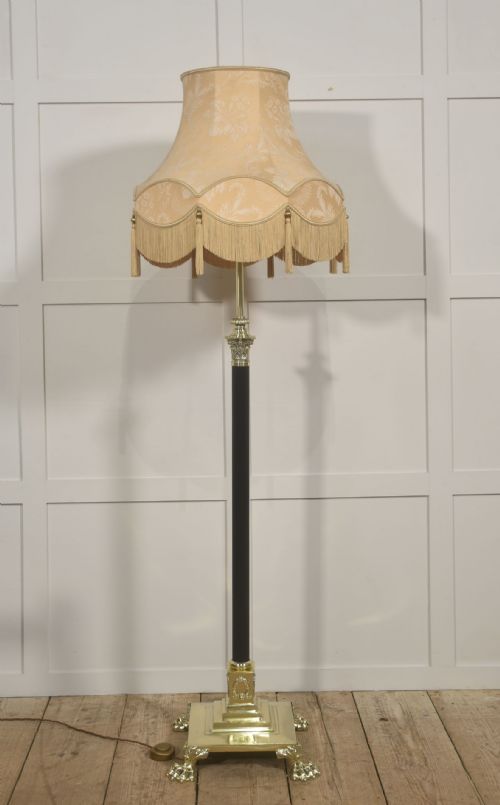


Traditional Fringed Standard Lamp
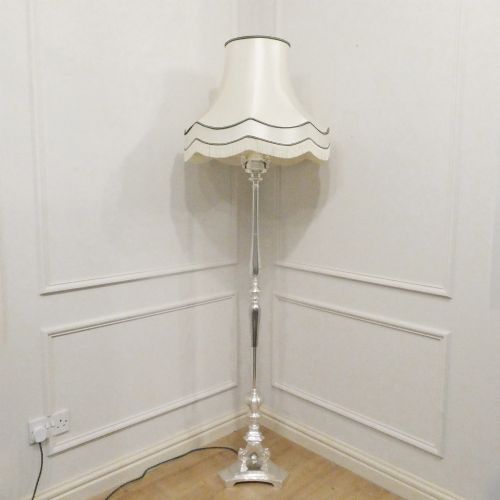
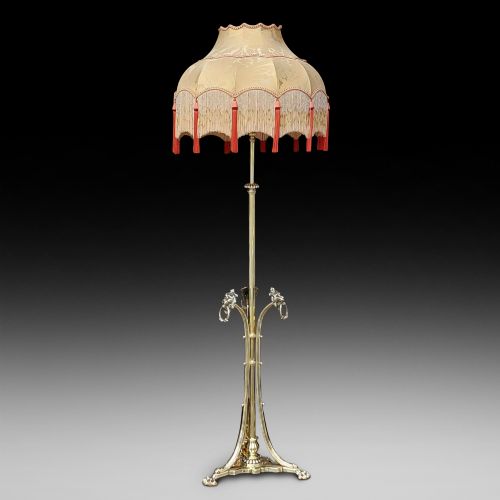
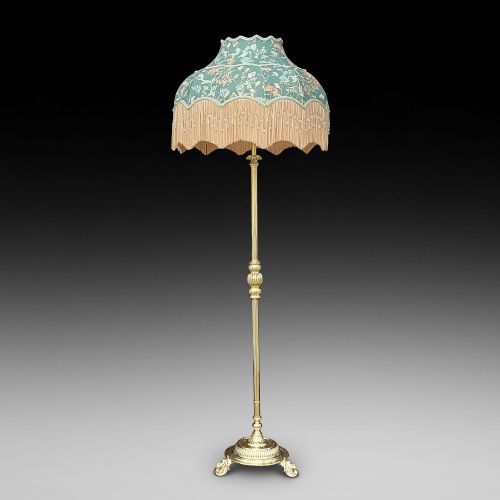
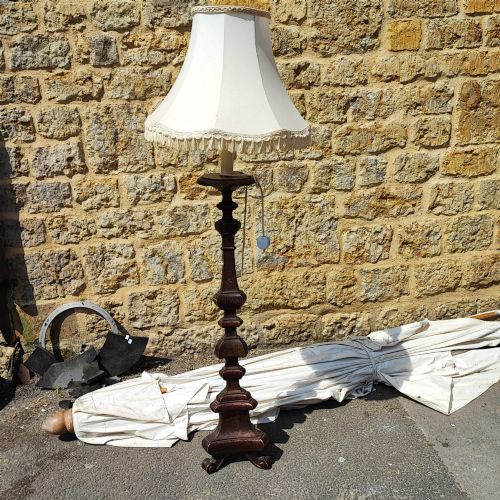
These traditional fringed standard lamp options bring period presence and height to a room through varied metals, carved woods and detailed fabric shades.
Traditional Fringed Standard Lamp
A traditional fringed standard lamp provides vertical lighting and decorative presence within a room. When you search for this phrase, you encounter tall floor lamps originating from the Victorian, Edwardian and early twentieth century periods.
You meet pieces influenced by neoclassical, art nouveau, chinoiserie and revival styles. These tall lights stand beside seating areas to cast illumination downwards through fabric fringes.
How they were made
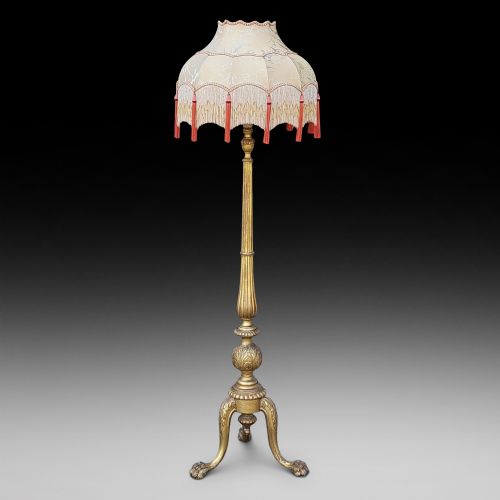
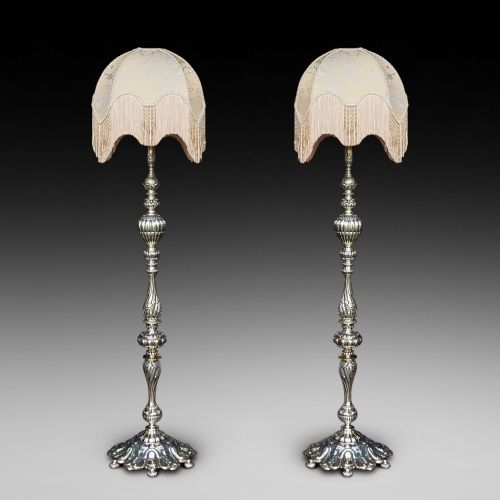
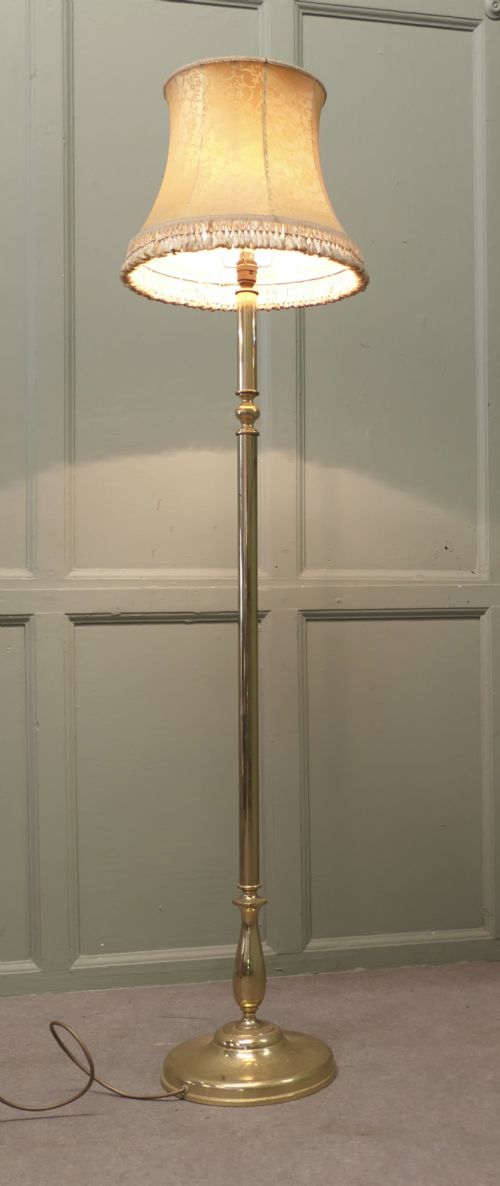
Maker construction relies on heavy turned or cast metals such as brass, alongside carved timbers including mahogany, beech and giltwood. Metal shafts frequently feature adjustable mechanisms, Corinthian capitals or openwork bases for stability.
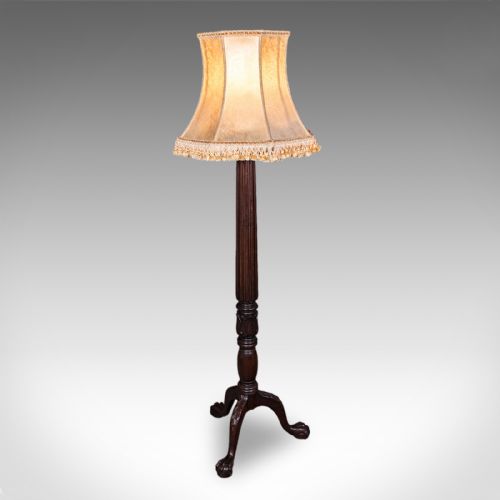
Wooden standards utilise detailed hand carving and turning techniques to achieve columnar or urn-shaped profiles. Fabric elements and silk shades incorporate decorative fringing to complete the traditional silhouette.
Listings span the Victorian, Edwardian and 1920s eras, combining brass, giltwood, mahogany and silk materials.
What varies in quality
Quality shows in the weight and casting definition of the metal bases, where crisp Corinthian columns and heavy brass or bronze surpass lighter stamped components. Carved wooden examples reveal refinement through the depth and precision of hand shaping in mahogany or giltwood.
Proportion and material integrity dictate distinction across the range. Superior pieces combine substantial columns with well-balanced adjustable stems and period-appropriate fabric shades.
Messenger
The Traditional Fringed Standard Lamp Glossary
- Standard Lamp
- A tall floor lamp designed to stand directly on the floor and hold a light source at eye level or above. These fixtures typically feature a heavy base to support an upright shaft.
- Corinthian Column
- A classical architectural column form utilised for lamp shafts, featuring ornate capitals decorated with acanthus leaves. This style appears frequently on brass Victorian floor lamps.
- Giltwood
- Wood that has been coated with a thin layer of gold leaf or gold paint. This finish creates a bright, reflective surface seen on decorative neoclassical and revival standards.
- Telescopic
- An adjustable stem mechanism allowing the height of the lamp to be altered. Such stems provide practical flexibility for directing light within a space.
- Chinoiserie
- A decorative style reflecting European interpretations of Chinese artistic traditions. These lamps display painted or lacquered motifs characteristic of the aesthetic.
Traditional Fringed Standard Lamp: Frequently Asked Questions
What is a traditional fringed standard lamp?
A traditional fringed standard lamp is a tall floor-standing lighting fixture dating from the nineteenth or early twentieth century. These pieces combine upright columns of brass, carved wood or giltwood with decorative fabric shades finished in fringe.
They were designed to provide ambient or reading illumination in principal reception rooms while serving as decorative furniture items in their own right.
Where were these lamps placed originally?
These lamps stood in drawing rooms, libraries and boudoirs beside armchairs or sofas to provide downward light for reading and needlework. Their height allowed them to cast illumination over surrounding seating without cluttering table surfaces.
Many featured adjustable stems so occupants could alter the height of the light source to suit the activity.
How do I identify a Victorian standard lamp?
Victorian examples often employ heavy cast brass columns, Corinthian capitals or turned mahogany shafts. Oil lamp conversions and telescopic adjustment stems frequently appear on pieces from this era.
Stylistic markers include neoclassical revival details, heavy weighted bases and dark patinated timber or polished brass surfaces.
How do I live with an antique standard lamp?
Living with these lamps involves positioning them near wall sockets where their height can anchor a room corner or seating group. Ensure the stability of the heavy base and check that wiring meets modern safety standards before regular use.
Pairing the standard with compatible fabric shades maintains the visual balance intended by the period design.