

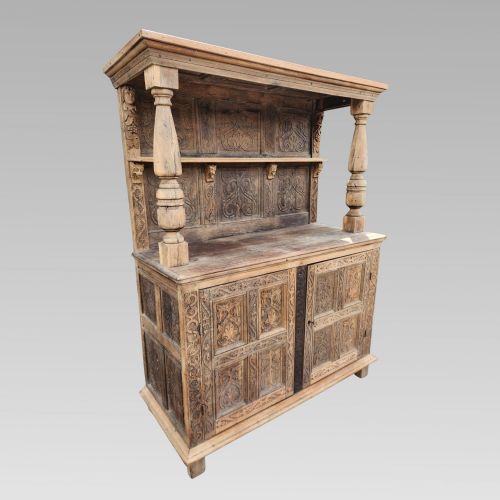

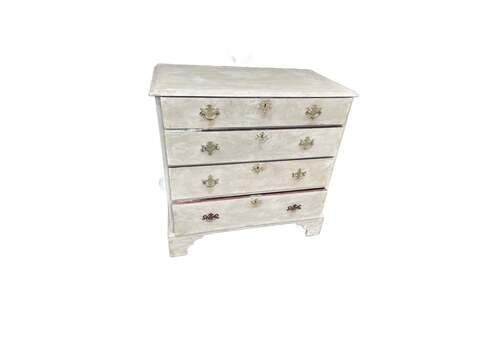

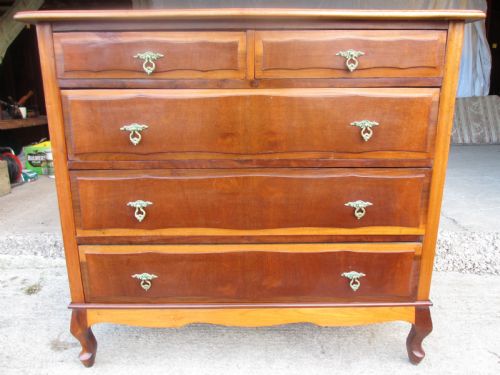


Traditional French Dresser
A traditional french dresser brings rustic charm to a room, offering generous storage through fitted cupboards and open display shelves.
Traditional French Dresser
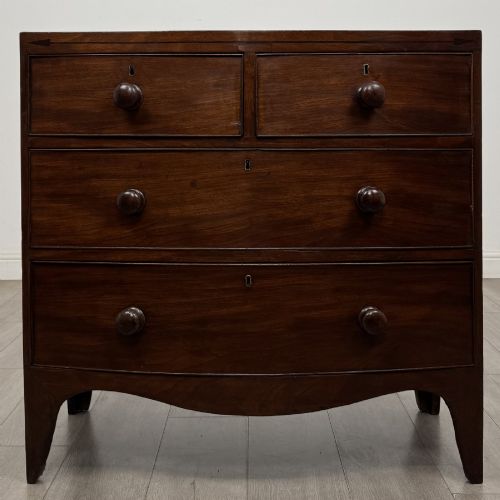
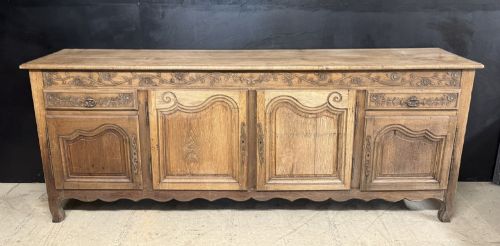
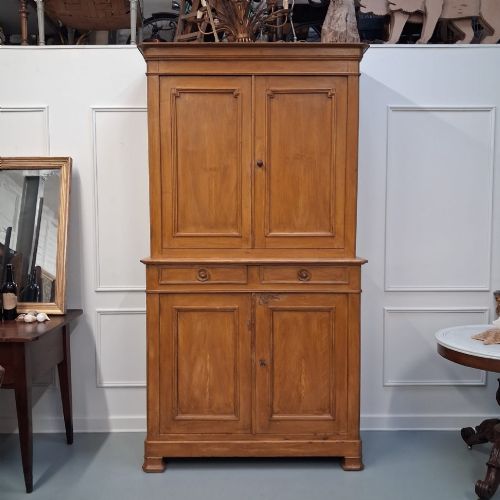
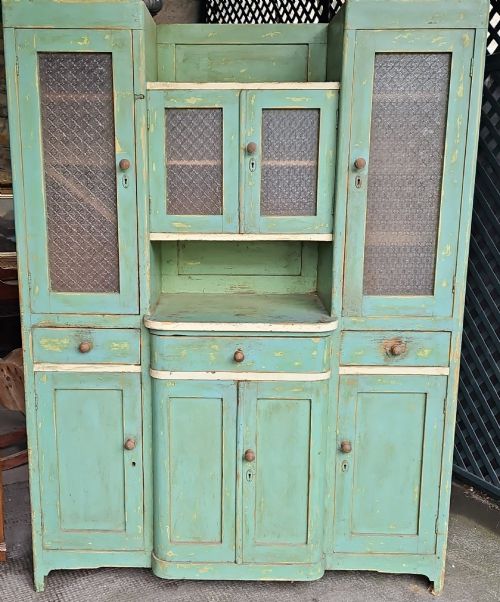
When searching for a traditional french dresser, buyers encounter substantial timber storage units originating from various historical periods, including the eighteenth and nineteenth centuries. These pieces encompass regional forms such as enfilades, housekeepers cupboards, and vaisselleieres designed for domestic service.
The most common versions met on this page are provincial oak cupboards and chestnut dresser bases reflecting rustic country and french provincial styles. These items combine utilitarian function with regional craftsmanship, utilising local hardwoods and practical storage configurations.
Object types stretch from kitchen cabinets to sideboards and buffets, demonstrating the flexible nomenclature used for these domestic storage units. Each piece reveals the distinct character of its period and material, from solid cherrywood to painted pine.
How they were made
Construction relies upon solid regional timbers such as oak, chestnut, pine, and cherrywood, joined to withstand daily household use. Craftsmen utilised traditional panelled techniques and fitted brass or wrought iron hardware to secure doors and drawers.
Surface treatments vary from natural waxed patinas on hardwoods to painted wood finishes applied to housekeepers cupboards. Textured glass and inlaid fruitwood elements occasionally appear to provide decorative detail on specific regional forms.
Traditional French Dresser Retail Price Guide 2026
Typical asking prices for traditional french dresser among the pieces listed under this phrase on Sellingantiques today, from the lower quarter to the upper quarter. They describe what is for sale here now, not the wider market.
Listings feature pieces spanning from the eighteenth century through the Edwardian era, utilising oak, pine, chestnut, and cherrywood.
What varies in quality
Quality rests upon the selection of timber and the integrity of the original construction, distinguishing sturdy provincial items from standard utilitarian storage. The depth of the patina and the retention of original brass or iron hardware influence the character of each cabinet.
Proportion and regional detail separate standard work from exceptional examples, particularly in pieces featuring inlaid fruitwood or panelled chestnut construction. The sophistication of the regional style and the preservation of original surfaces dictate the standing of the piece.
Edwards and Roberts
The Traditional French Dresser Glossary
- Enfilade
- A long sideboard or buffet featuring multiple doors, typically three, designed for dining room storage. This form originated in France and provides an extended surface top.
- Vaisselleiere
- A traditional piece of furniture designed for holding plates and kitchenware, often incorporating upper display space or shelving. The term denotes a specific regional dresser type.
- Patina
- The surface sheen and coloration developed by wood through age, handling, and waxing over decades. A desirable patina shows depth and natural wear.
- Fruitwood
- Timber harvested from fruit-bearing trees such as cherry or pear, used for cabinetry and decorative inlay work. It offers a fine grain and warm tone.
Traditional French Dresser: Frequently Asked Questions
What is a traditional french dresser?
A traditional french dresser is a regional storage piece, often made from oak, chestnut, or pine, used in kitchens and dining rooms.
These items range from open-shelf display units to enclosed cupboards and enfilades built during the eighteenth and nineteenth centuries.
How were these dressers used?
Historically, these pieces stored domestic provisions, table linens, and kitchen ceramics in rural French households.
Housekeepers cupboards and vaisselleieres provided practical organisation for daily culinary tasks and food preparation.
How do I identify the wood?
Examining the grain, weight, and colour helps determine whether a piece is constructed from oak, pine, chestnut, or cherrywood.
Hardwoods like oak and chestnut display distinct growth rings and heavy mass, whereas pine presents a lighter, softer texture.
Are these pieces suitable for modern kitchens?
These cabinets integrate well into contemporary kitchens and dining spaces, offering substantial storage capacity and surface area.
Their rustic country and provincial styles complement both modern and traditional interior schemes.