




Traditional French Crystal Fitting
A traditional french crystal fitting brings a distinct, glittering presence to a room, turning overhead illumination into a theatrical centrepiece.
Traditional French Crystal Fitting
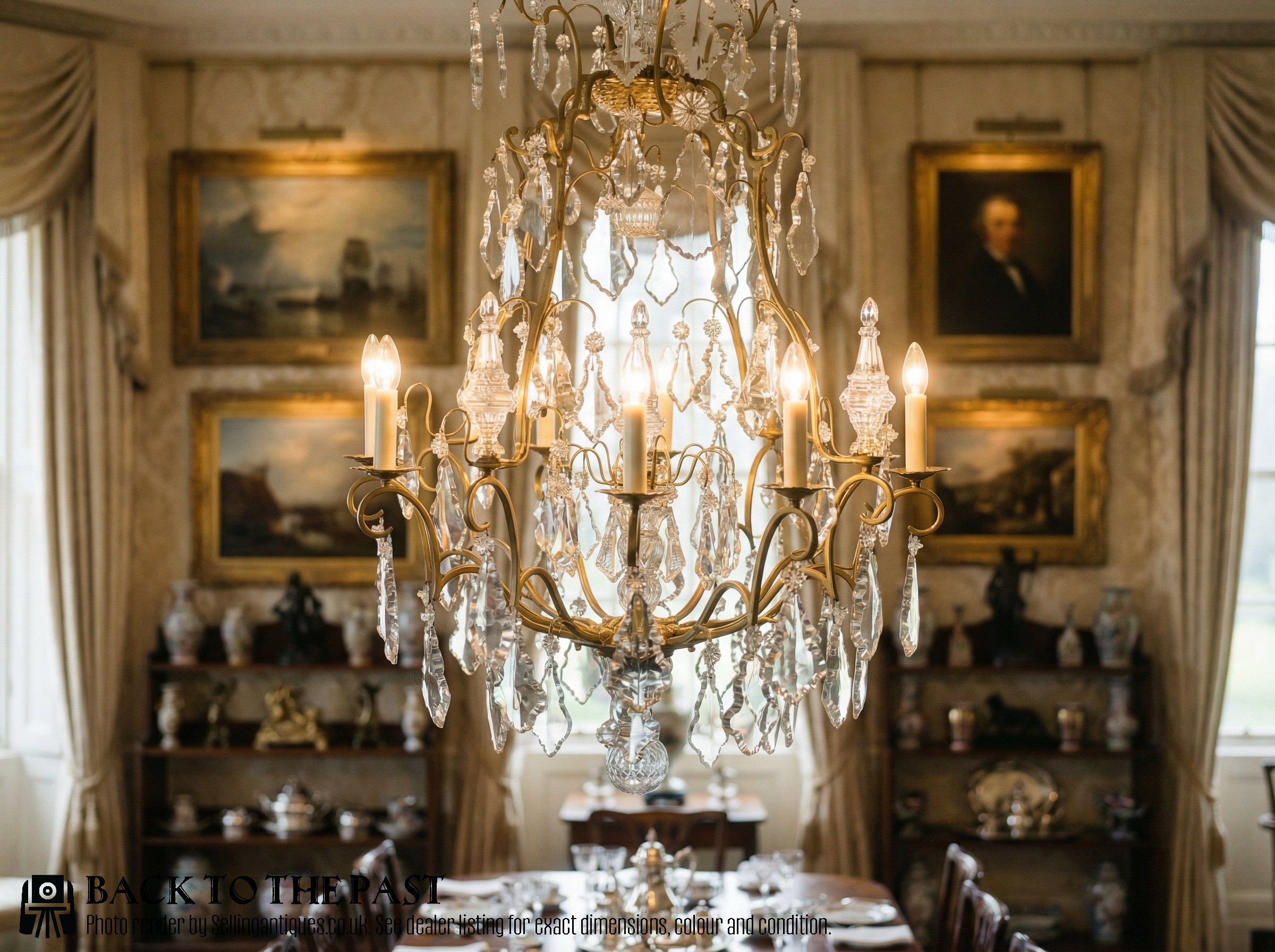
When searching for a traditional french crystal fitting, one encounters large, tiered chandeliers and ceiling lights designed for substantial rooms. These fixtures arrive from periods spanning the nineteenth century through the nineteen-thirties, incorporating Edwardian interpretations alongside earlier aesthetic revivals.
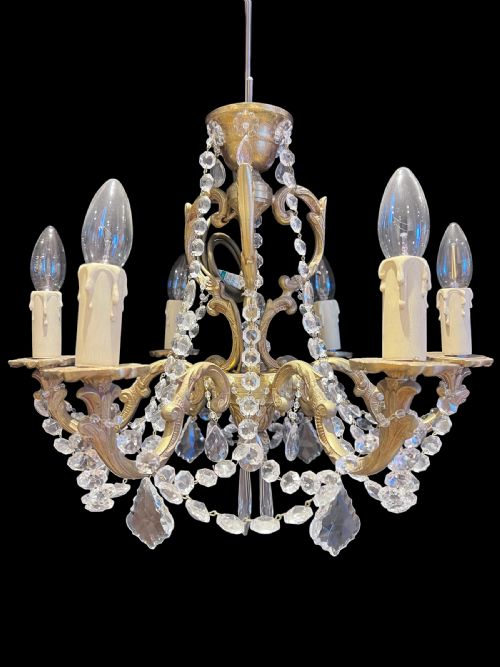
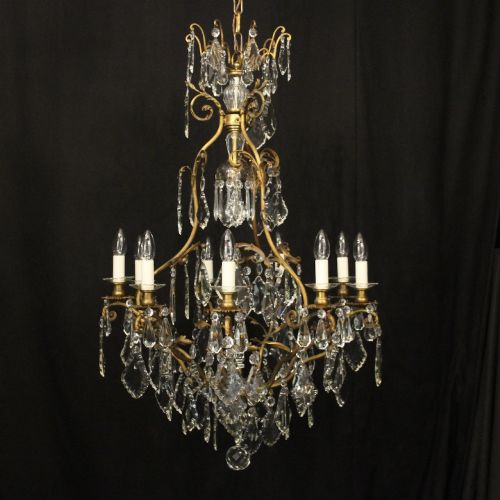
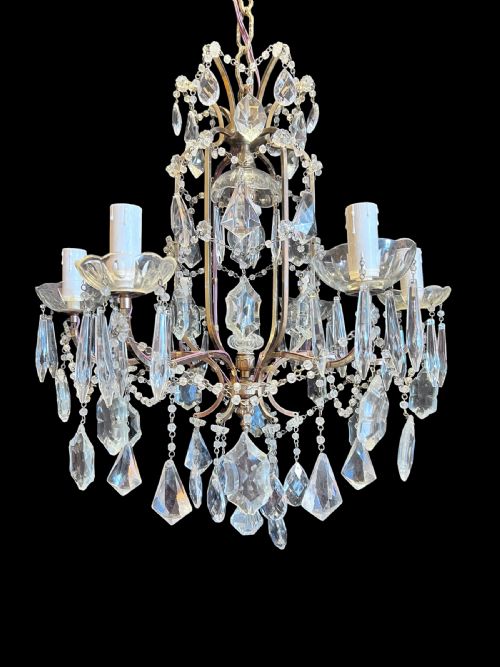
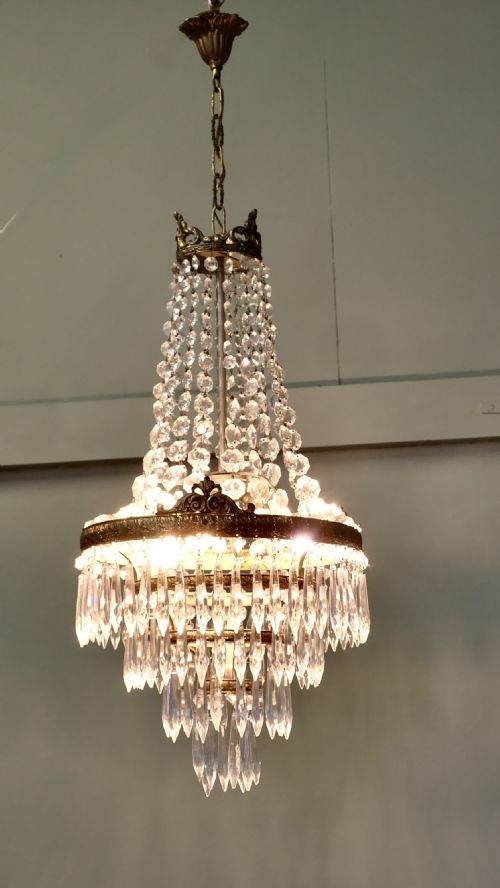
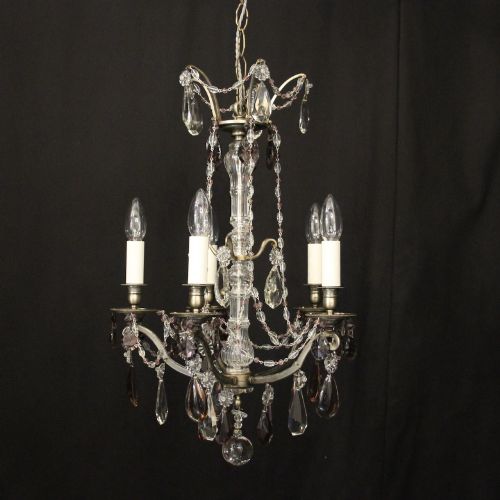
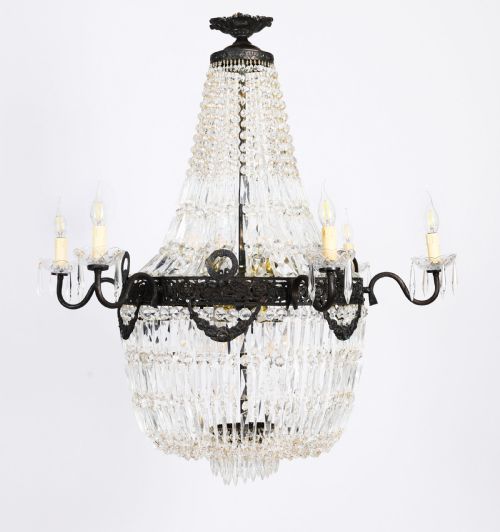
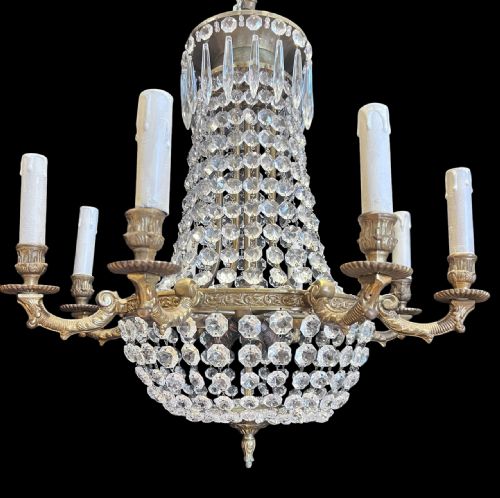
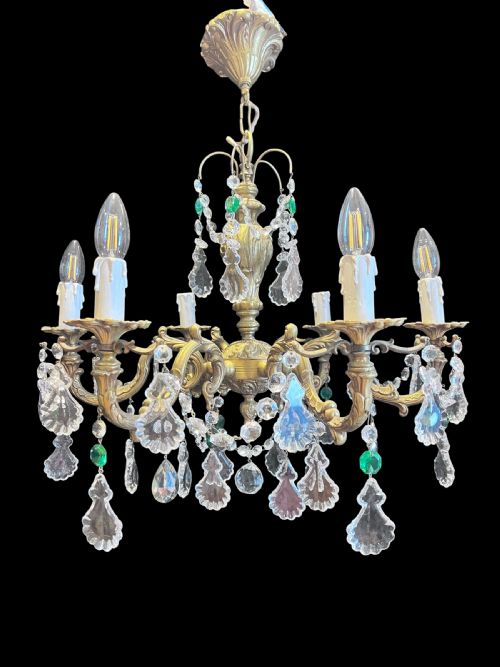
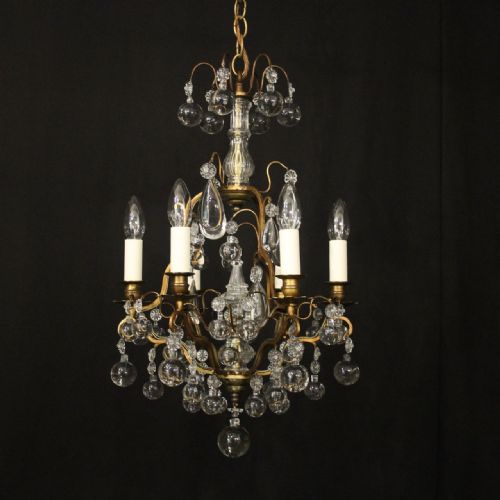
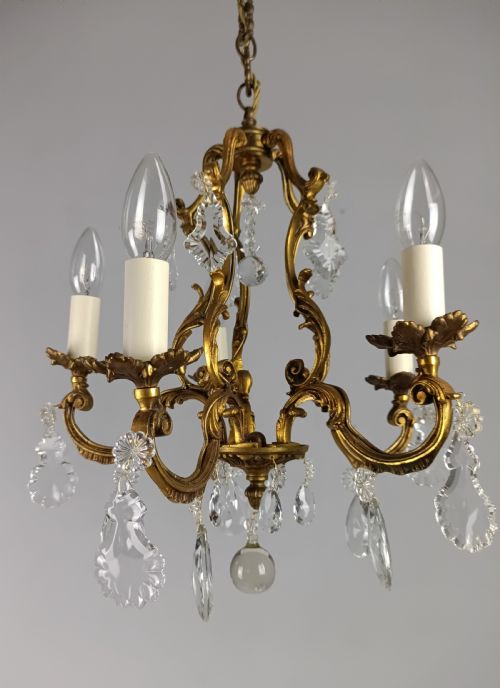
The prevalent forms include multi-armed candelabras, birdcage frames, tent-and-waterfall configurations, and bag chandeliers. Brass, bronze, and wrought iron provide the structural frameworks, while cut glass and crystal supply the visual weight and refraction.
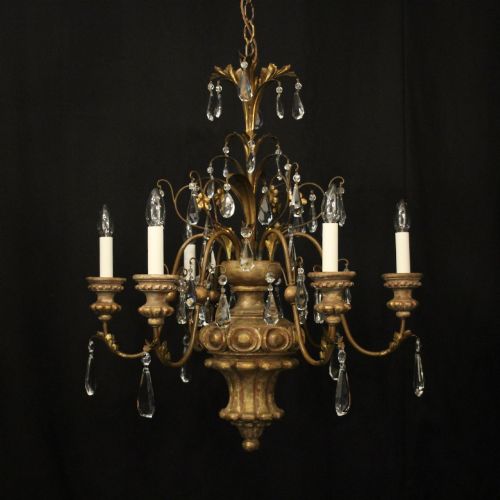
Styles lean heavily towards French Rococo, Empire, and Chateau aesthetics, though Florentine Baroque and Bohemian influences also appear. These fittings serve as primary illumination sources while functioning as decorative sculpture.
Materials and construction methods
The primary metalwork relies on brass, bronze, and gilded bronze or brass, which provide a sturdy armature for the numerous arms and light fixtures. Frames are cast, forged, or beaten into shape, then frequently gilded or left in a dark or natural brass finish.
Prisms, drops, and beads are fashioned from cut glass and crystal, suspended from the metal frames using wire loops or pins. These glass elements capture and scatter light, forming the distinctive waterfall and tent silhouettes characteristic of the period.
Certain fixtures incorporate hidden coloured crystals interspersed among the clear glass drops to catch the light.
Qualities that separate examples
The distinction between tiers of quality rests largely on the depth of the metal casting and the precision of the crystal cutting. Heavier bronze frames with crisp, chased ornamentation sit above simpler pressed brass alternatives.
The clarity and hand-cutting of the crystal drops dictate how effectively the fixture refracts light. Better examples feature complete sets of matching drops with sharp facets, whereas lesser pieces may show moulded rather than cut glass.
The Traditional French Crystal Fitting Glossary
- Bag chandelier
- A lighting fixture featuring a rounded or pear-shaped mass of glass beads suspended beneath a metal ring, tapering to a point at the base.
- Birdcage
- A framework of curved metal straps resembling an avian enclosure, enclosing the internal candles or lights and supporting cascading crystal drops.
- Tent and waterfall
- A configuration where crystals are arranged in an upper triangular tent shape that flows down into a wider, cascading waterfall of drops.
- Ormolu
- Gilded bronze or brass applied to decorative metalwork, providing a warm golden surface finish across the structural arms and mounts.
- Cut crystal
- Glass containing lead oxide that has been ground and polished with facets to maximise light refraction and brilliance.
Traditional French Crystal Fitting: Frequently Asked Questions
How do I clean a crystal chandelier?
Cleaning requires a gentle hand and a specialised glass cleaning solution applied with a soft cloth rather than submerging the frame. Each crystal drop should be wiped individually while supported to prevent strain on the wire fasteners.
Power to the fitting must remain switched off throughout the process. Allowing drops to air dry after wiping avoids streaks on the faceted surfaces.
How do I determine the right size?
Scale depends upon the ceiling height and the floor area of the room, ensuring the fixture hangs with adequate clearance beneath. Larger multi-tier arrangements require substantial ceiling roses and reinforced joists to bear the considerable weight.
Smaller rooms suit compact bag chandeliers or single-tier brass fittings that do not visually overwhelm the space.
What distinguishes Empire style fixtures?
Empire pieces typically feature symmetrical geometries, tent-and-waterfall crystal arrangements, and classical motifs derived from Roman and Greek antiquity. Gilded bronze and brass dominate the metalwork of this specific aesthetic.
These designs emerged to project grandeur and neoclassical order, contrasting with the asymmetric curves of earlier Rococo models.