



Traditional Foyer Light
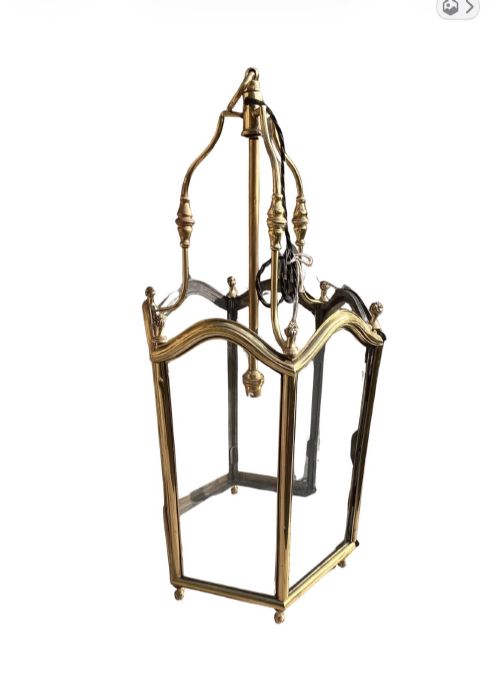
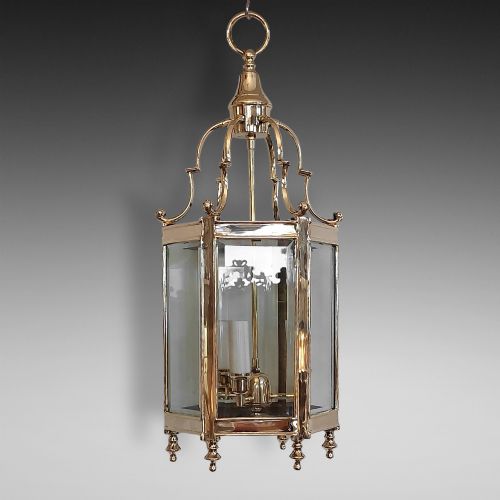
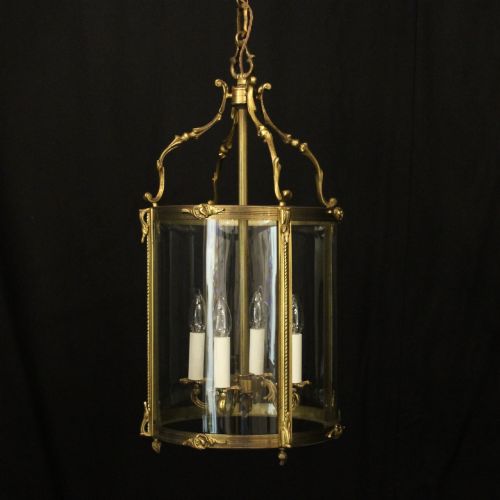
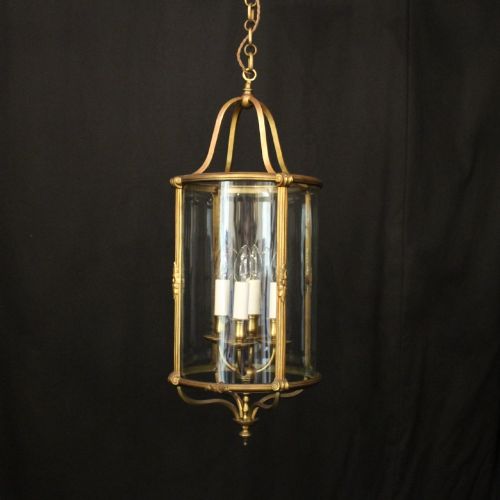
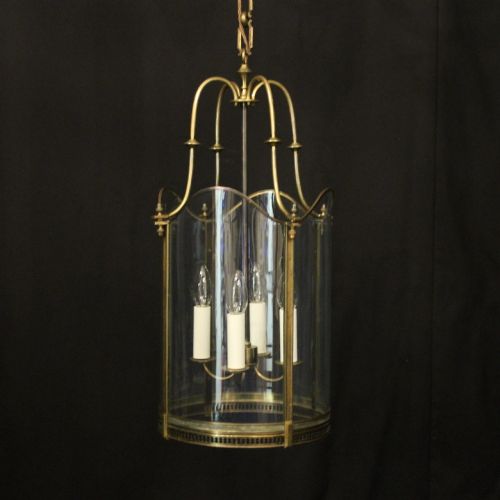
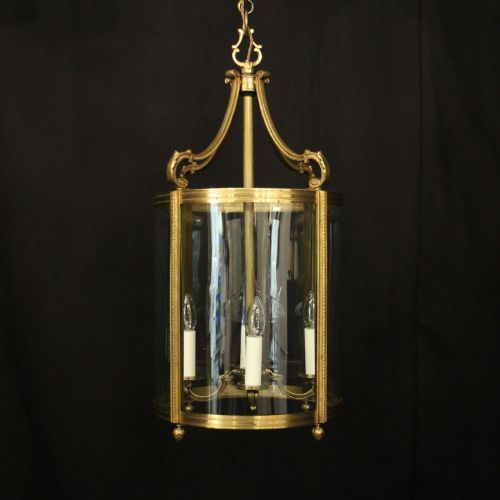
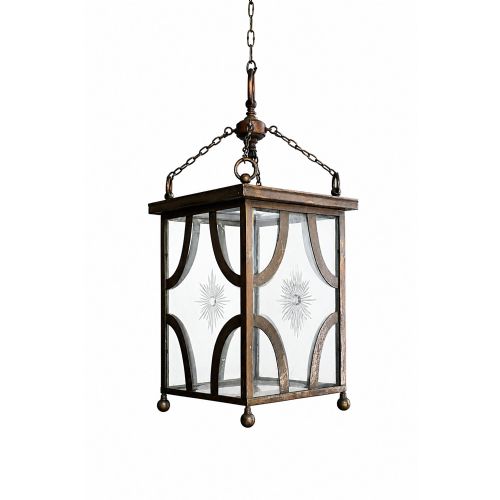
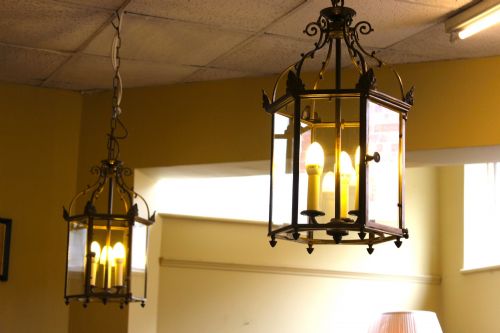
A traditional foyer light welcomes visitors with brass frames and glass panels, setting the tone for an entrance hall.
Traditional Foyer Light
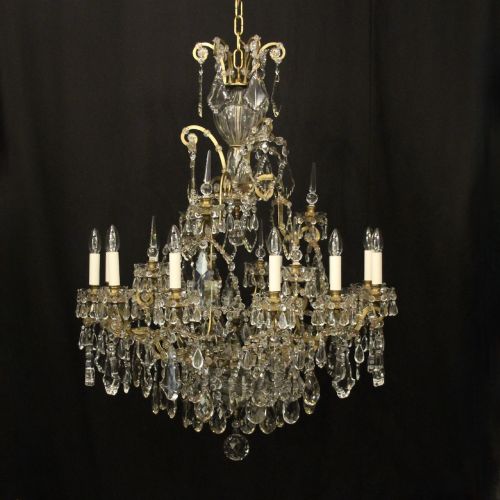
A traditional foyer light serves as the primary illumination for an entrance hall, taking the form of a hanging lantern, hall lantern, or chandelier. These pieces range from compact single bulb fixtures to large multi light installations designed for high ceilings.
The selection centres heavily on French and English examples from the nineteenth century up through the nineteen-thirties. Buyers encounter geometric hexagonal shapes alongside rounded convex designs influenced by neoclassical and chateau styles.
Hanging lanterns dominate the options, utilising chains or rods to suspend glass and metal enclosures above entryways. These fixtures balance functional brightness with ornamental presence in a transitional space.
Materials and construction methods
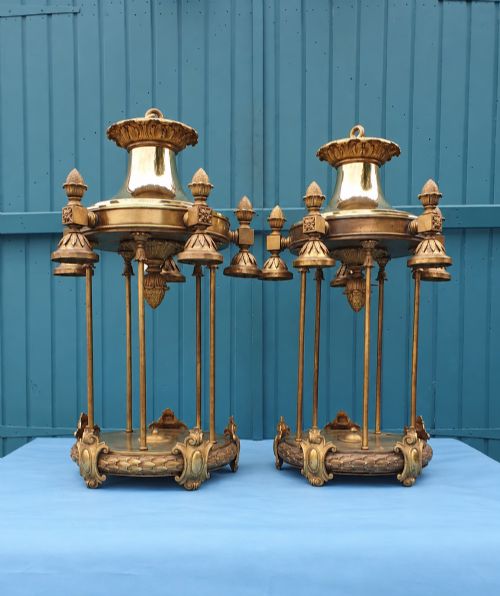
Makers utilised cast brass, bronze, and gilt bronze to build sturdy structural frames that could support heavy glass elements. Metal components often received gilding or polishing to catch and reflect light within darker hallways.
Glass panels, including flat and bevelled varieties, were fitted directly into metal frames to enclose the light source and protect candles or early electric bulbs from draughts. Hexagonal and convex shapes required precision cutting to fit curved or angled metal rebates.
Traditional Foyer Light Retail Price Guide 2026
Typical asking prices for traditional foyer light among the pieces listed under this phrase on Sellingantiques today, from the lower quarter to the upper quarter. They describe what is for sale here now, not the wider market.
Some twenty-four light chandeliers require serious negotiation with gravity during installation, bringing grand chateau scale right to the front door.
Judging the quality of these fixtures
The distinction between standard production and superior craftsmanship lies in the weight of the metal and the crispness of cast ornamentation. Heavier bronze and thick bevelled glass indicate a more substantial, higher grade piece.
Joinery and assembly methods reveal the original maker's intent, with tight joints, secure glazing bars, and well preserved gilding marking out the better examples from the period.
The Traditional Foyer Light Glossary
- Convex glass
- Curved glass panels that bulge outward to diffuse light more broadly. This technique adds depth and softness to the illumination.
- Bevelled glass
- Glass panes with angled edges cut around the perimeter. This treatment refracts light into prismatic colours as it passes through.
- Gilt bronze
- Bronze metal treated with a thin layer of gold or gold paint. This finish provides a warm, lasting lustre without the tarnish of raw brass.
- Hexagonal lantern
- A six sided hanging fixture popular in Edwardian and early twentieth century hallways. The geometric form allows for multiple glass viewing angles.
Traditional Foyer Light: Frequently Asked Questions
How do I hang a foyer light?
These fixtures suspend from ceilings using integrated chains or suspension rods attached to a canopy. Professional installation is recommended to support the weight of bronze and glass.
Ensure the hanging height allows adequate clearance beneath the lantern for door swings and foot traffic in the hallway.
Are these lights wired for modern use?
Many examples arrive with updated electrical wiring suitable for standard domestic supply. Some fixtures retain multiple internal bulb fittings for brighter illumination.
Check individual listings to confirm if rewiring has taken place or if original lampholders remain intact.
How do I date an antique lantern?
Dating relies on stylistic clues, manufacturing techniques, and the combination of brass or bronze with specific glass types. Edwardian and nineteenth century pieces display distinct casting styles and hardware.
Comparing the construction of the frame and the type of glass panels helps place the piece within its historical decade.
Can these lights be used outside?
These fixtures were designed for interior entrance halls and protected foyer spaces rather than exposed outdoor environments. Weatherproofing is generally absent on antique electrical components.
Placement should remain strictly indoors to protect fragile glass panels and historic metal finishes from moisture.