
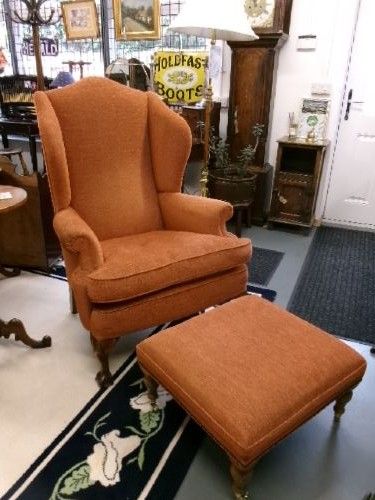
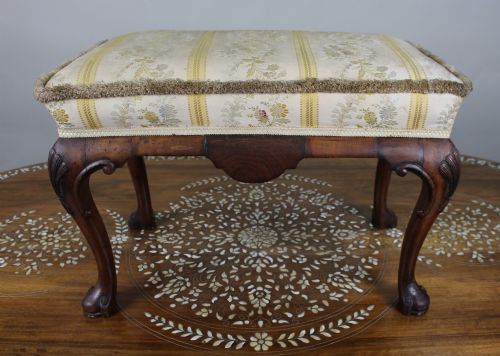
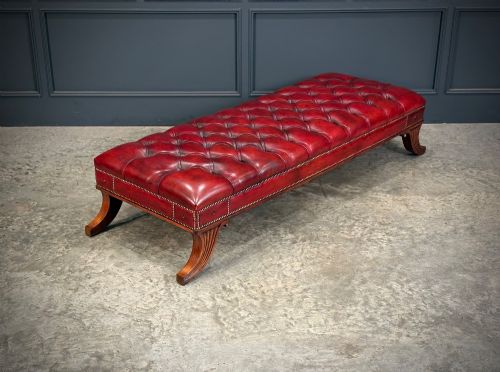
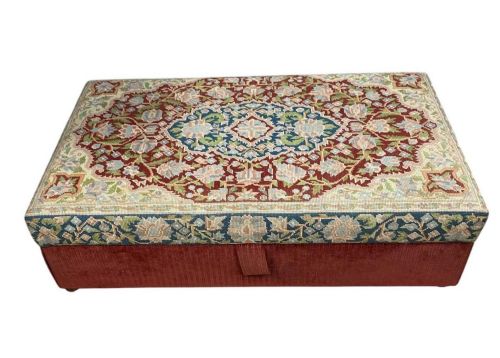
Traditional Footstool
These traditional footstool examples span centuries of domestic woodwork, offering low seating and supportive rests built for daily use.
Traditional Footstool
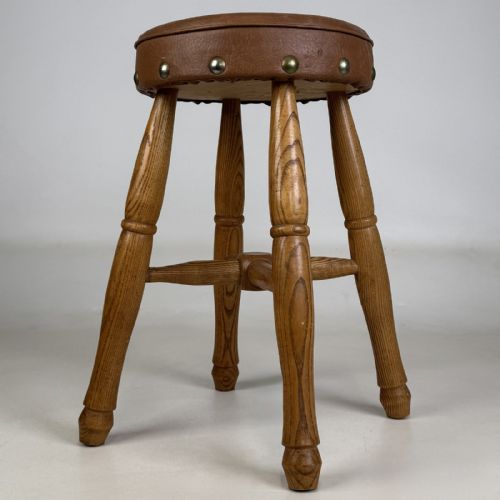
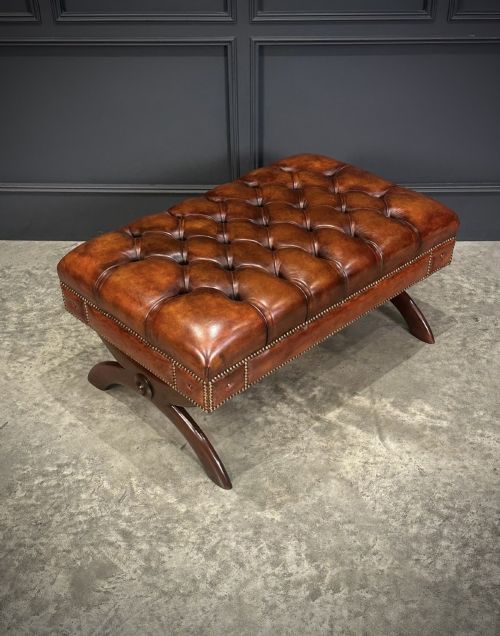
A traditional footstool serves as a low rest for the feet or a compact seat, taking forms such as joint stools, vernacular country seats, and buttoned leather ottomans. These pieces appear frequently in mahogany, oak, walnut, elm, and beech, often accompanying armchairs or dressing tables.
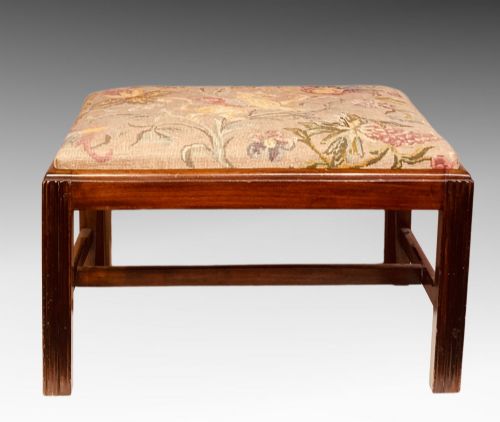
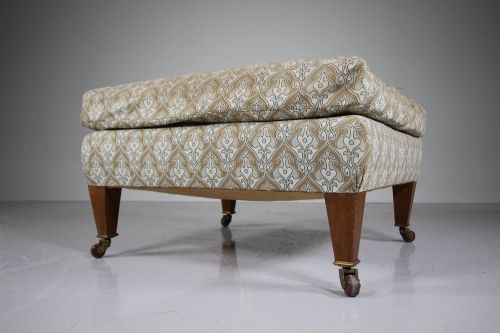
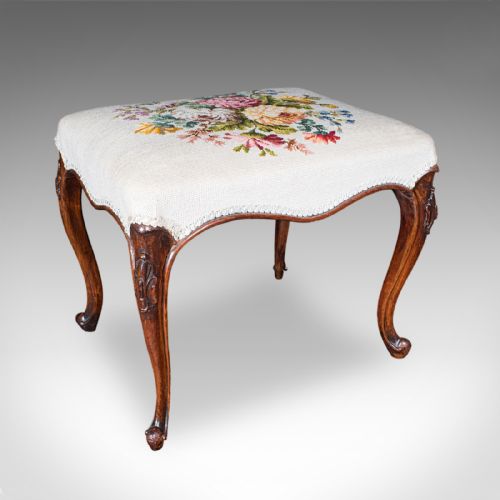
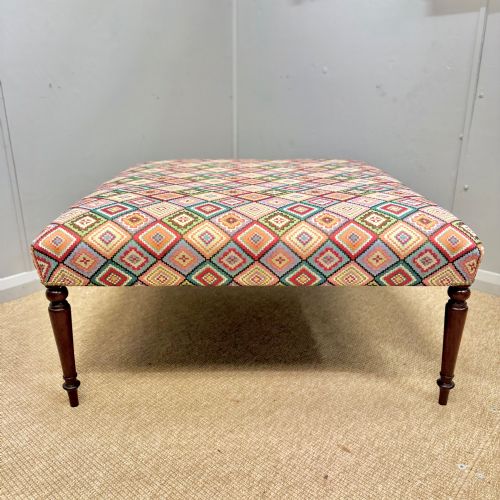
Buyers encounter Victorian and Edwardian iterations alongside earlier 18th-century designs and 1920s or 1930s revivals. The selection ranges from plain turned-leg timber frames to upholstered needlepoint and hide-topped styles resting on brass castors.
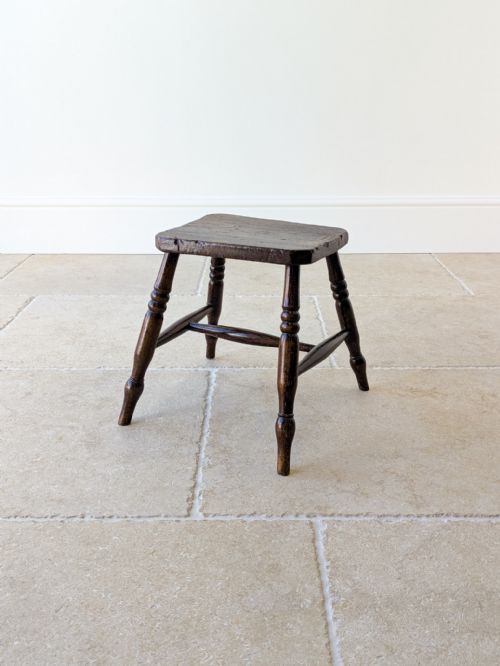
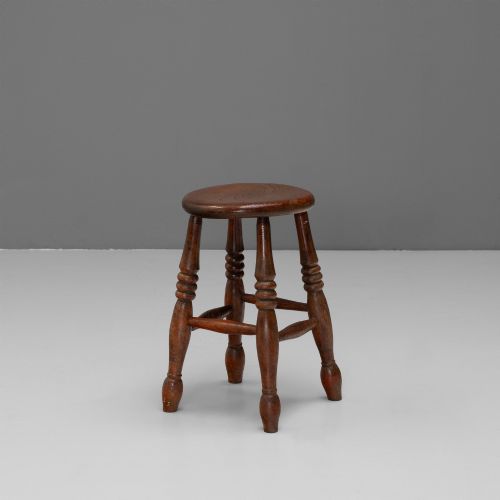
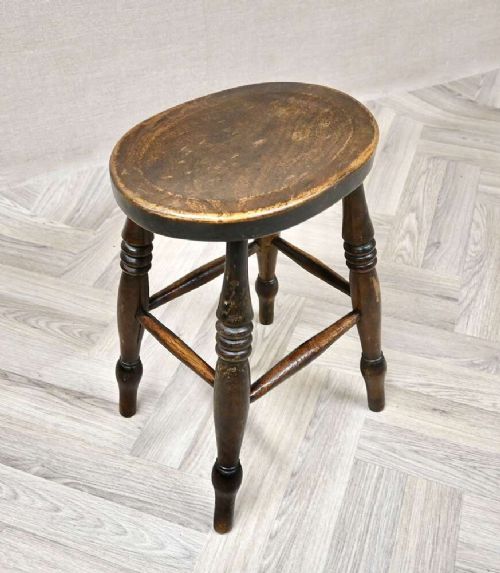
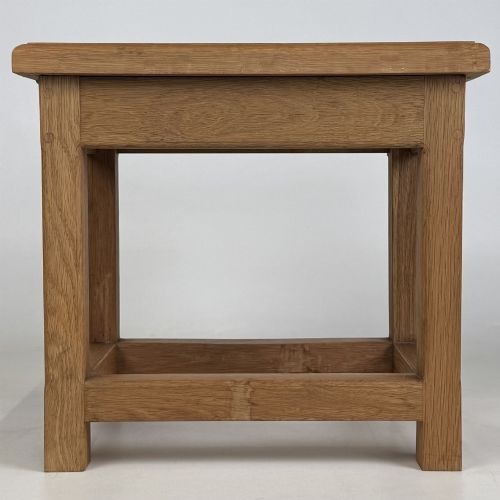
Many items double as small tables or low stands, demonstrating the versatile nature of domestic joinery across the nineteenth and early twentieth centuries. Forms stretch from simple Windsor and vernacular three-legged or four-legged stools to large upholstered ottomans.
Materials and construction methods
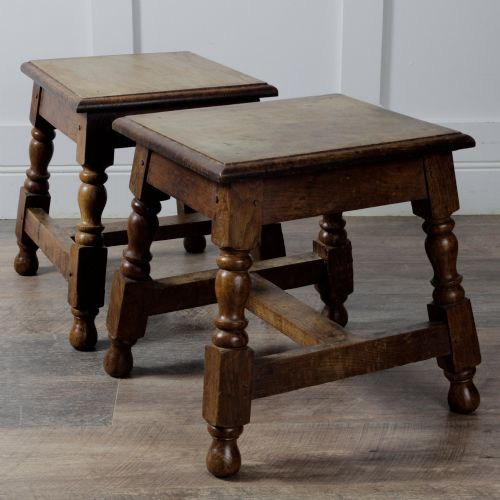
Cabinetmakers and country joiners utilised native and imported hardwoods like oak, mahogany, walnut, ash, sycamore, elm, and beech for the structural frames. Joinery methods include traditional mortise and tenon joints, particularly in joint stools, as well as turned legs and shaped skirts.
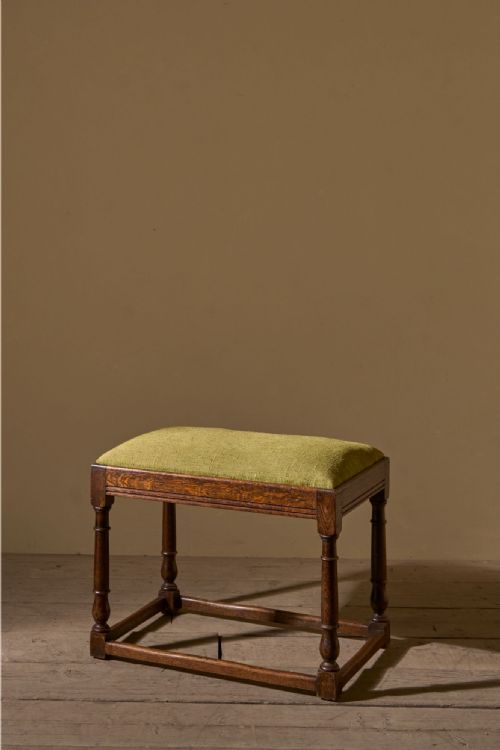
Upholstered variations rely on materials such as leather, hide, heavy green linen, tapestry, and woven cane inserts. Finishing touches frequently incorporate deep buttoning, brass castors, and needlepoint coverings secured to wooden bases.
Listings feature structural timbers spanning oak, mahogany, walnut, elm, ash, sycamore, and beech.
Determining quality in craftsmanship
The standard of a piece rests on the selection of timber and the tightness of the joinery, whether in a pegged oak joint stool or a mahogany dressing stool. Solid hardwoods display crisp turning on the legs and durable framing that resists movement over generations.
Upholstered examples differ in the execution of the top covering, from neatly tensioned buttoned leather and hide to intricate needlepoint or tapestry work. The integration of supporting details, such as brass castors or carved walnut details, separates standard workshop production from finer examples.
Howard And Sons·Jack Grimble
The Traditional Footstool Glossary
- Joint stool
- A sturdy wooden stool constructed with mortise and tenon joints pegged together rather than glued, common in early oak furniture.
- Vernacular stool
- Domestic furniture built by local craftsmen using readily available regional woods like elm, ash, and beech without strict adherence to formal court styles.
- Buttoned leather
- An upholstery technique where the leather cover is pulled down with tufting buttons to create a padded, patterned surface.
- Windsor stool
- A traditional seat featuring turned legs and spindles wedged directly into a solid, often saddled wooden seat.
- Needlepoint
- Hand-stitched canvas work utilised as a decorative and durable textile top for fireside footstools and ottomans.
Traditional Footstool: Frequently Asked Questions
What is a traditional footstool used for?
These pieces primarily provided a low support for the feet while sitting by the fire or reading in an armchair.
They also functioned flexibly as impromptu seats, dressing stools, or small low tables within domestic interiors.
How do I identify a Victorian footstool?
Victorian examples frequently utilise mahogany or walnut timber, often featuring upholstered tops in needlepoint, tapestry, or buttoned leather.
Many rest upon turned legs fitted with brass castors or display stylistic revivals linked to the period's taste.
Are joint stools the same as footstools?
Joint stools are rigid, heavily constructed wooden seats made with pegged frame joinery originally designed for sitting or standing upon.
While historic joint stools served multiple household purposes, later footstools often prioritised upholstered comfort and lower heights.
How do I style a traditional footstool at home?
Place a leather or upholstered version directly in front of an armchair or sofa to anchor a traditional seating arrangement.
Alternatively, position a small oak or elm joint stool beside a bed or in a hallway as a low display surface.