


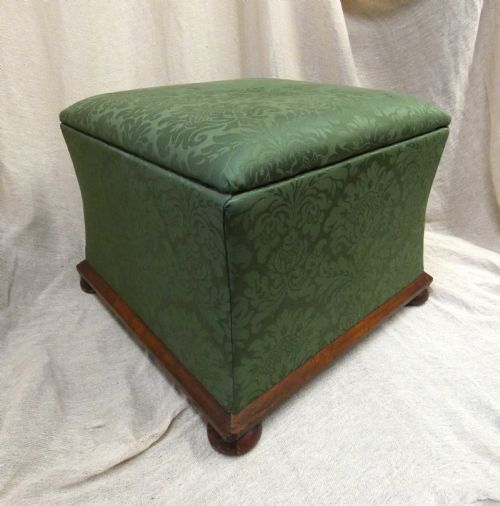

Traditional Footrest
A traditional footrest brings low timber frames and heavy textile upholstery together, offering a quiet piece of furniture designed for comfort.
Traditional Footrest
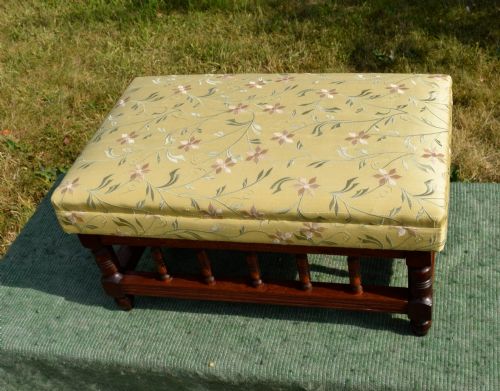
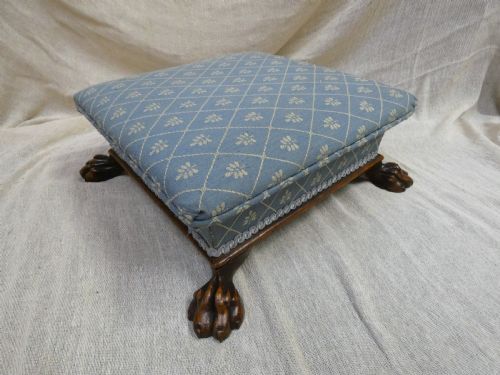
A traditional footrest encompasses low stools, ottomans, and dressing pieces built from timber frames and soft tops. These items appear across periods from the eighteenth century through to the early twentieth century.
The version most likely on this page is a mahogany or walnut frame carrying wool, fabric, or leather upholstery. Such pieces emerge in Victorian, Georgian style, and Edwardian iterations.
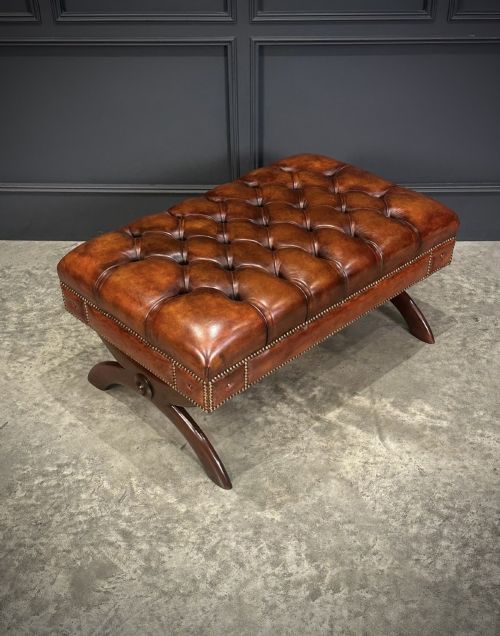
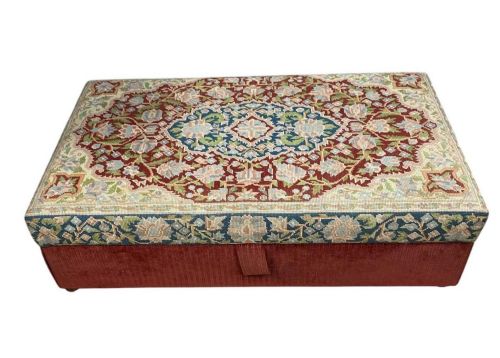
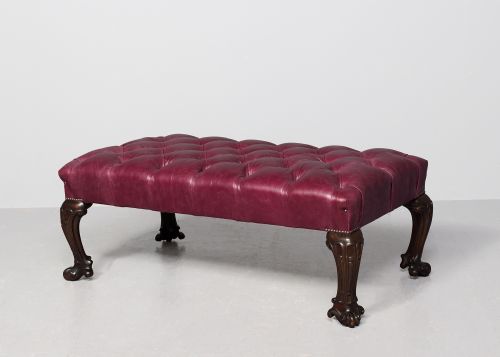
Makers shaped these supports for firesides and dressing tables, producing forms ranging from small rush seats to large buttoned hide ottomans on brass castors.
Materials and construction methods
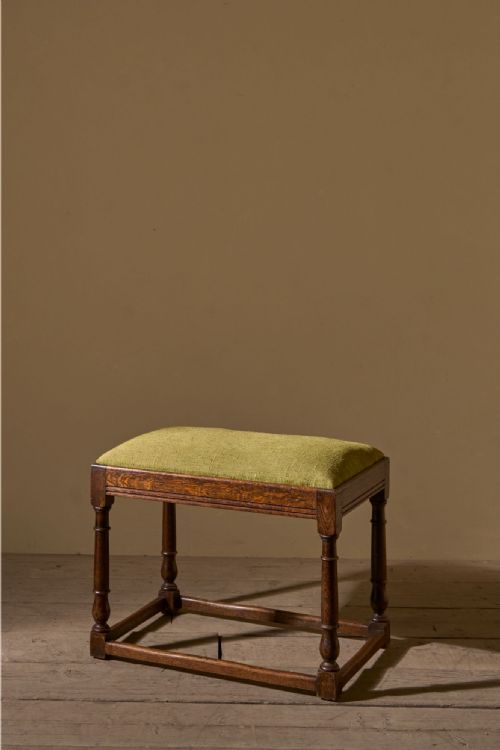
Carpenters constructed the skeletons using hardwoods including mahogany, walnut, oak, and beech, often finishing them with turned legs or carved details. Brass hardware such as castors appears on larger examples.
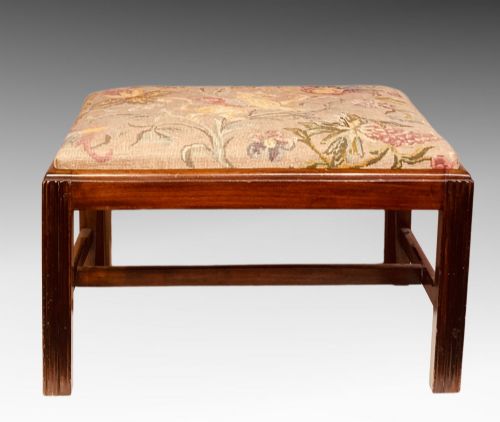
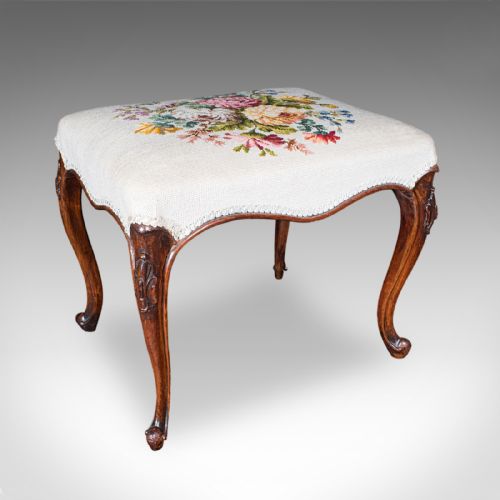
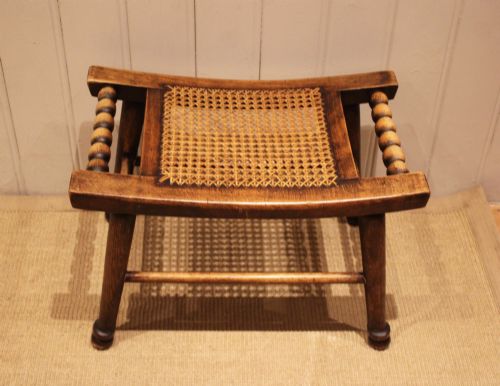
Upholsterers layered wool, needlepoint, tapestry, green linen, and buttoned leather over the frames. Caning, rush, and woven rattan also provide seating surfaces on specific joint and cane seat stools.
Listings feature woods like mahogany, walnut, oak, teak, and beech combined with wool, leather, tapestry, and rush across the 18th, 19th, and early 20th centuries.
Factors influencing quality
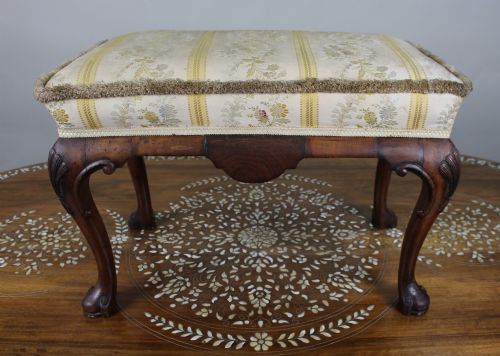
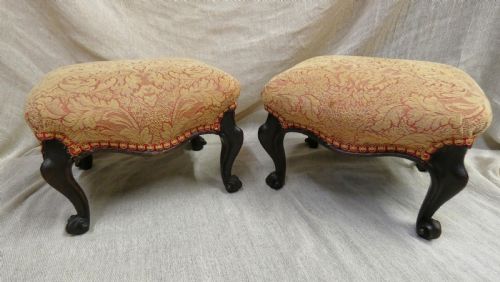
Timber selection and frame carving dictate the structural grade of a traditional footrest. Solid mahogany or walnut with detailed cabriole legs sits above simpler turned beech or softwood frames.
The standard of upholstery materials and hand-finishing defines the upper tier. Hand-dyed buttoned leather, fine tapestry, and needlepoint require greater skill than plain woven fabrics.
Howard and Sons
The Traditional Footrest Glossary
- Cabriole leg
- A furniture leg that curves out and down to a foot, typical of Georgian and Victorian styles. This shape mimics animal legs.
- Needlepoint
- A type of counted thread embroidery stitched on canvas, frequently used for traditional footrest covers. It creates a dense patterned surface.
- Ottoman
- A low upholstered seat or coffee table without a back or arms, often built on a large scale. These pieces serve as footrests or central seats.
- Joint stool
- An early wooden stool joined with mortise and tenon pegged timbers. These robust oak pieces date back centuries.
Traditional Footrest: Frequently Asked Questions
What is a traditional footrest?
A traditional footrest is a low wooden stool or ottoman featuring upholstered, leather, or woven seating surfaces. These furnishings date from the eighteenth to the early twentieth century.
Craftsmen built them to support tired feet by the hearth or to serve as dressing table seats. Their robust timber frames and varied textile tops reflect the domestic habits of past centuries.
How do I date a footrest?
Dating relies on timber choices, leg profiles, and upholstery styles. Mahogany and walnut frames with cabriole legs point toward Georgian or Victorian eras.
Earlier pieces utilise heavy oak and joint construction, whilst Edwardian and later examples introduce simpler turned beech. Comparing the fabric or leather cover with period textiles helps narrow the timeline.
Where were these stools used?
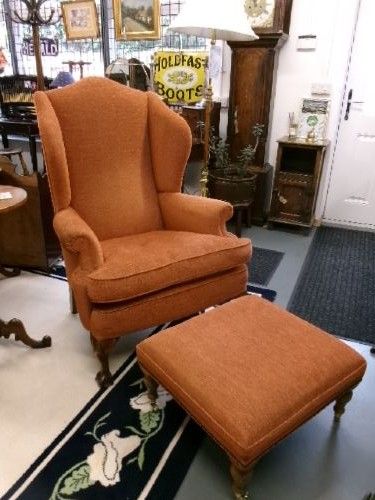
These items belonged primarily in drawing rooms, dressing rooms, and fireside corners. Victorian homes deployed them beside armchairs and wing chairs.
Large ottomans acted as central coffee tables or generous footrests. Smaller rush-seated stools suited bedrooms and informal spaces.
How do I care for antique leather?
Antique leather requires gentle cleaning and conditioning to maintain its flexibility. Keeping the material away from direct heat sources prevents cracking.
Hand-dyed buttoned hides benefit from occasional specialised wax applications. This preserves the surface patina built up over generations.