




Traditional Folk Art Treen
Traditional folk art treen encompasses domestic wooden objects and love tokens shaped by hands over centuries of rural life.
Traditional Folk Art Treen
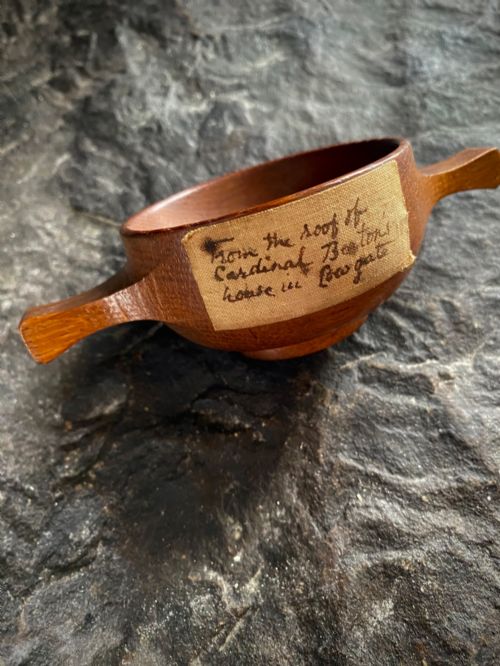
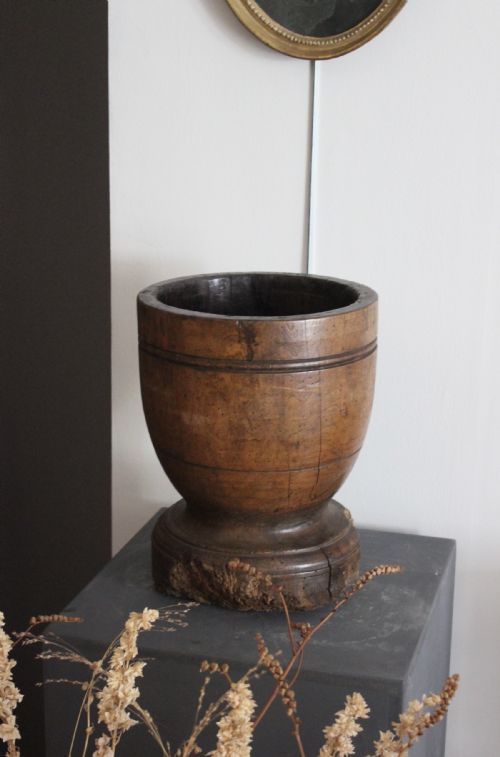
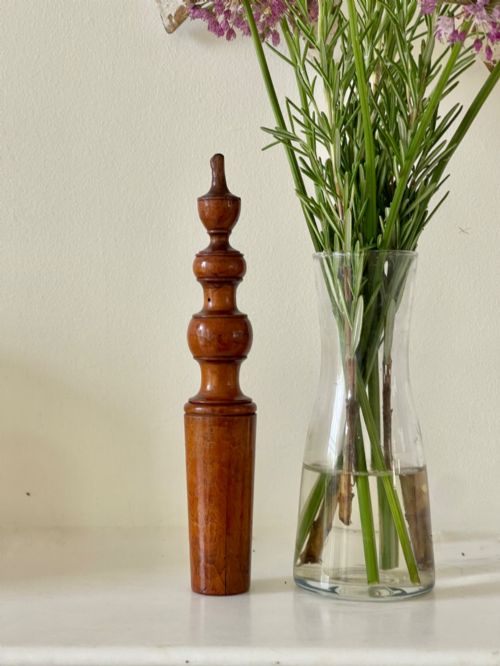
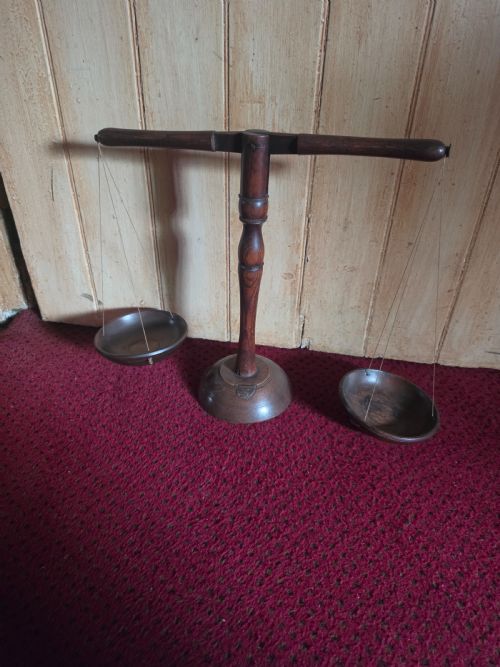
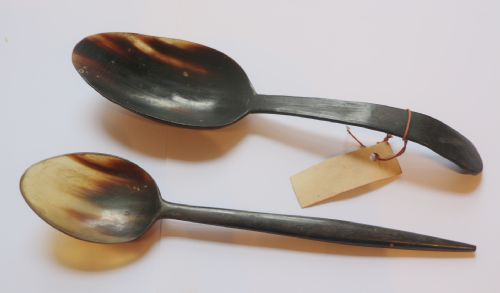
The objects stem predominantly from the Georgian and nineteenth-century periods, reflecting the utilitarian needs and sentimental customs of the time. Common forms include spoons, nutcrackers, bowl stands, and biscuit cutters shaped from timber with distinct local characteristics.
Materials and Working Methods
Makers utilised accessible local hardwoods and fruitwoods, selecting timbers like sycamore, yew, and various fruitwoods for their density and fine grain. These materials responded well to hand tools, allowing for smooth surfaces and precise decorative details.
Construction relied on carving, turning, and shaping with knives, gouges, and lathes. Artisans frequently enhanced their work with punchwork decoration, incisions, and painted finishes, transforming plain timber into expressive domestic pieces.
Traditional Folk Art Treen Retail Price Guide 2026
Typical asking prices for traditional folk art treen among the pieces listed under this phrase on Sellingantiques today, from the lower quarter to the upper quarter. They describe what is for sale here now, not the wider market.
Judging Quality and Character
Quality rests in the crispness of the carving and the integrity of the original form, particularly where intricate details like punchwork or pierced motifs are present. Pieces shaped with confident, fluid lines stand apart from stiffer, more hesitant examples.
Surface patina heavily influences the character of each item, as genuine handling and age impart a soft, warm sheen to the wood. Objects retaining clear tool marks and honest wear demonstrate the direct connection between the maker and the finished piece.
The Traditional Folk Art Treen Glossary
- Treen
- Small handmade wooden domestic objects and utensils. The term derives from old English and encompasses everything from spoons to bowls.
- Knitting sheath
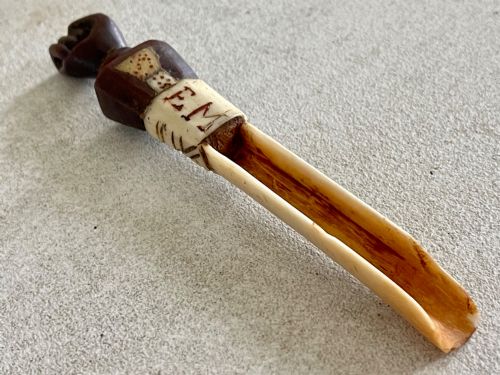
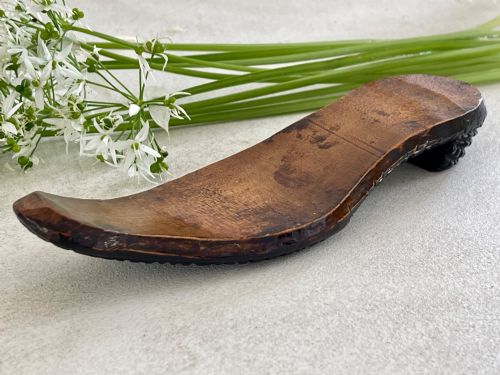
- A carved wooden holder tucked into a belt or apron to support a single knitting needle. These items frequently display intricate chip carving or punchwork.
- Lovespoon
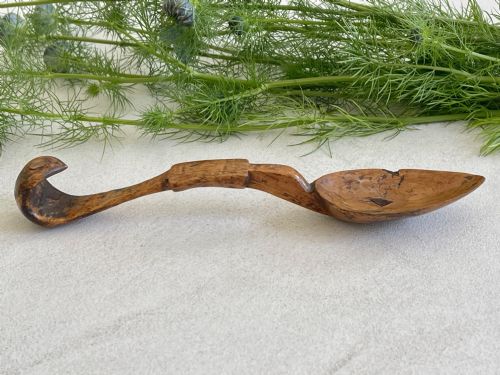
- A decorative wooden spoon carved as a token of affection or courtship. Makers often embellished them with symbols such as hearts, chains, and vine leaves.
- Bilboquet
- A traditional toy consisting of a ball attached to a cup and spike by a string. Players attempt to catch the ball in the cup or on the spike.
- Kitchenalia
- Functional implements and utensils used in historical food preparation and domestic tasks. These pieces combine utility with simple aesthetic appeal.
Traditional Folk Art Treen: Frequently Asked Questions
What is traditional folk art treen?
Traditional folk art treen refers to handmade wooden household items and decorative objects produced by rural craftspeople. These pieces range from functional kitchen tools to sentimental tokens created for everyday life.
Items typically date from the eighteenth and nineteenth centuries, showcasing regional styles from Britain and Scandinavia. Each object reflects the practical needs and artistic expressions of past communities.
How were lovespoons used?
Lovespoons served as traditional tokens of romance and courtship, often carved by young men to demonstrate their woodworking skill. Suitors presented these wooden spoons to objects of their affection.
While some functioned as regular spoons, many were purely decorative and hung on walls as symbols of commitment. The carved motifs often carried specific symbolic meanings regarding love and future prosperity.
What woods were used for treen?
Craftspeople selected dense local timbers and fruitwoods that could withstand regular domestic handling and sharp carving tools. Sycamore, yew, and various fruitwoods appear frequently in these historical pieces.
These woods provided a stable medium for turning on a lathe or shaping by hand with knives and gouges. Over time, exposure to oils and sunlight developed a rich patina on the timber.
How do I care for antique treen?
Antique treen requires minimal intervention to preserve its historical surface and natural wood patina. Keeping pieces away from direct heat sources and dramatic humidity changes protects the timber from splitting.
Applying a light coat of appropriate wax can help maintain the moisture balance in older wood. Avoid washing these items in water or using modern harsh cleaning chemicals.