
Traditional Flower Painting
Traditional flower painting captures enduring botanical studies through oil on canvas, watercolour and porcelain across the nineteenth and twentieth centuries.
Traditional Flower Painting
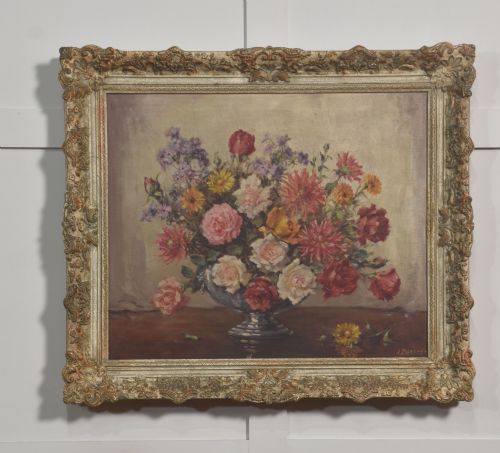
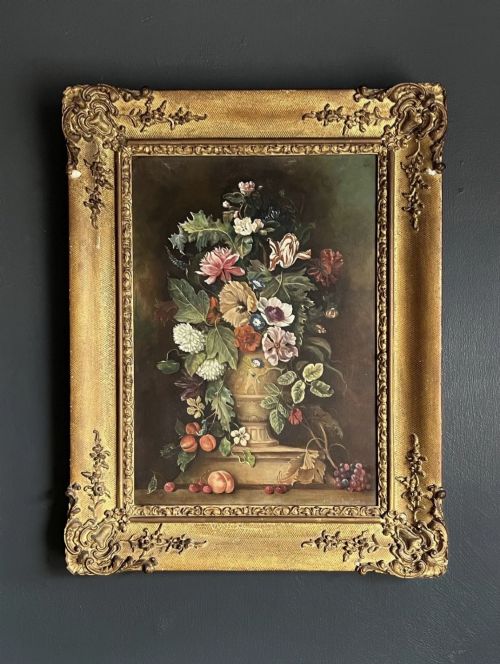
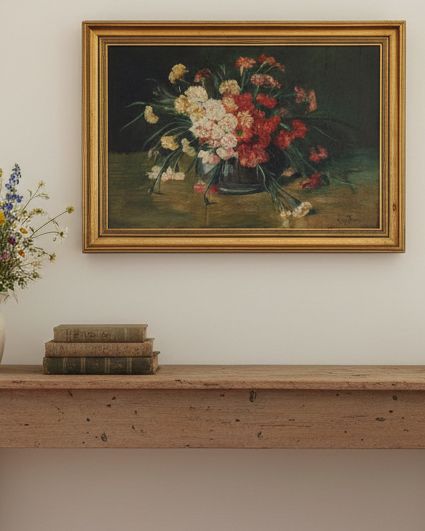
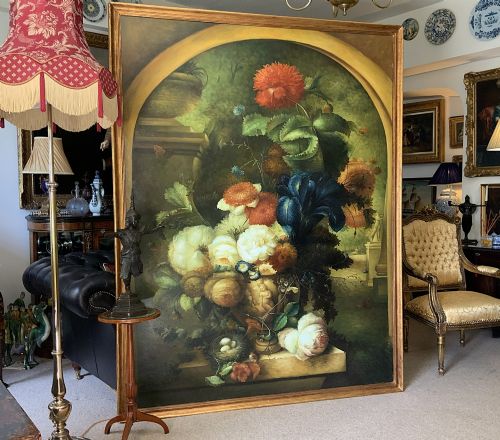
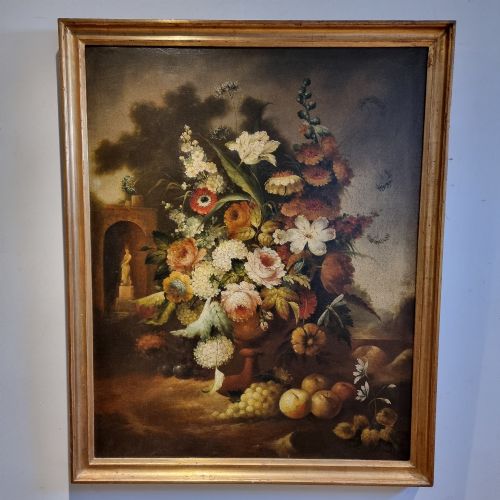
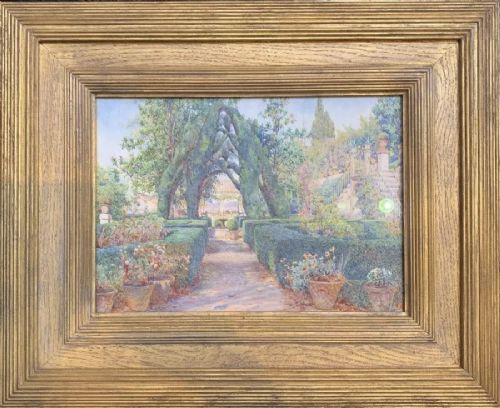
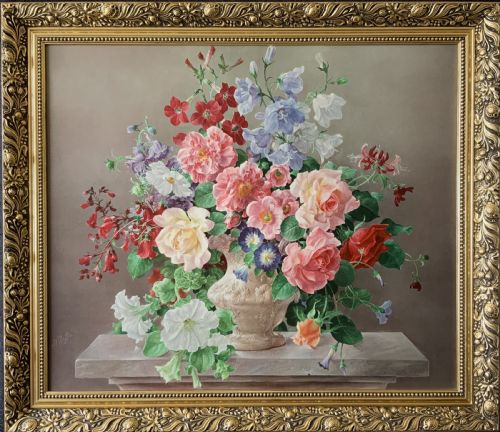
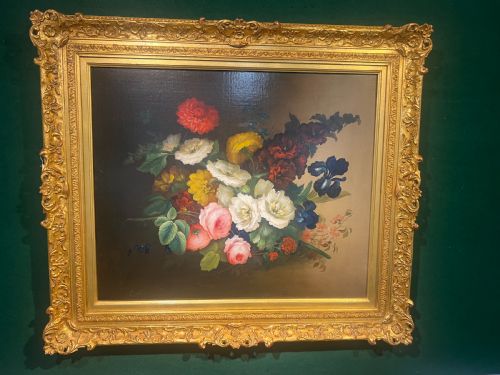
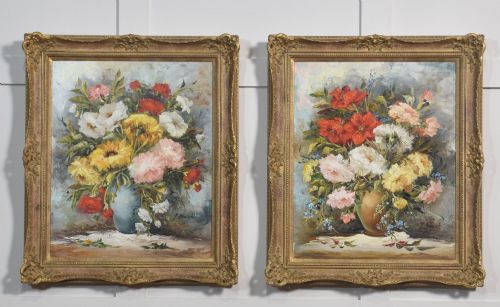
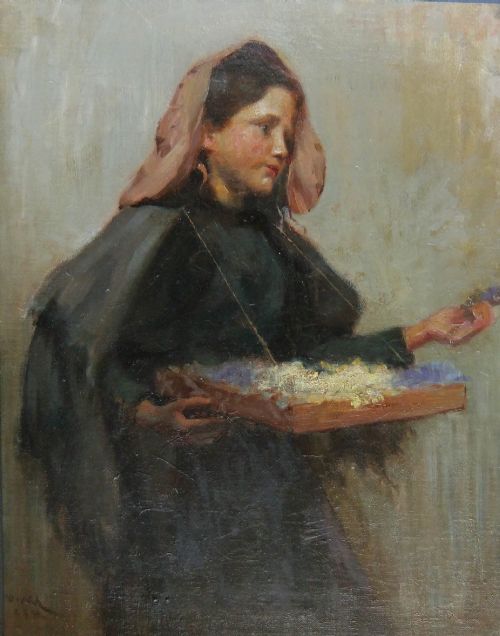
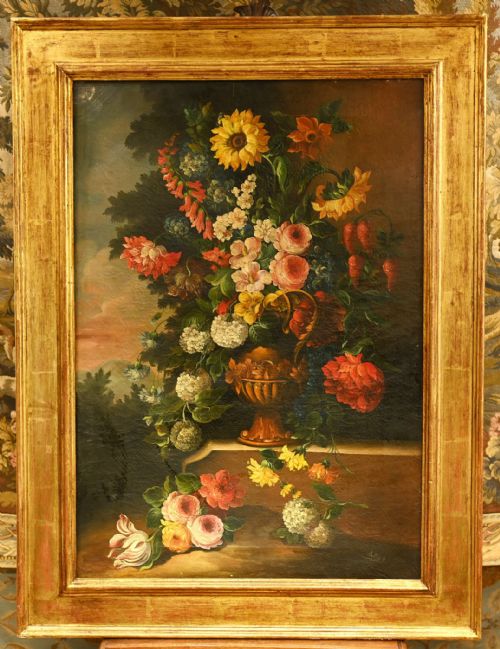
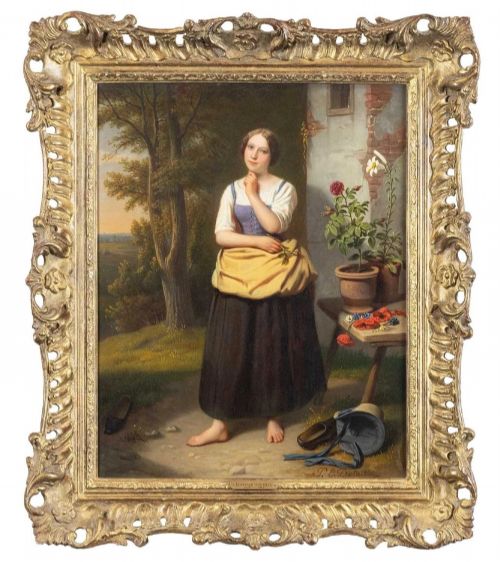
Buyers encounter oil paintings depicting Dutch-style floral arrangements, individual carnations, and garden scenes. These works range from intimate watercolours of gladioli in jugs to monumental canvases.
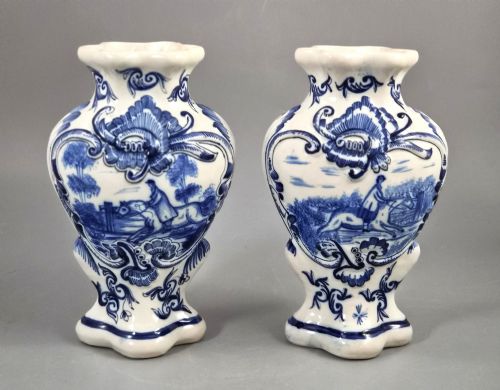
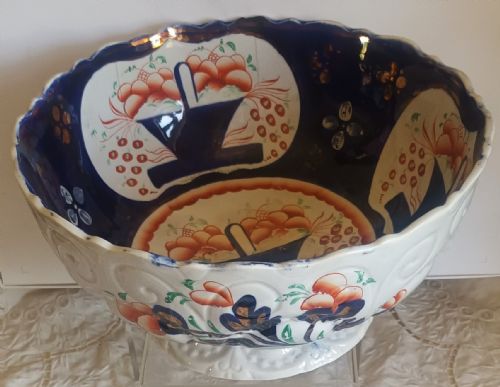
The category also embraces decorative objects such as painted vases, plates, and cupboards ornamented with floral motifs. These diverse items reflect both European fine art traditions and decorative arts.
Materials and techniques
Canvas serves as the primary support for oil paintings, stretched and framed in wood, often enhanced with gesso and gold leaf. Artists also utilised paper for watercolours and gouache paintings on silk.
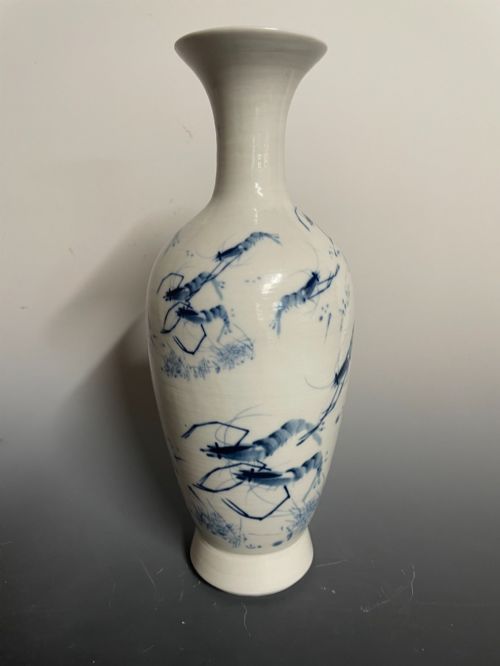
Paints comprised traditional oil pigments and watercolour formulations applied by hand. Ceramic pieces utilised pottery and porcelain decorated with painted glazes and blue and white pigments.
Listings feature works created across multiple decades, utilising canvas, wood, porcelain, and paper with oil, watercolour, and gouache.
Judging quality in these works
Quality depends upon the skill of the brushwork and the precision of the botanical representation. Finer works display accomplished handling of light, colour gradation, and spatial depth within the composition.
The condition of the canvas, the preservation of the original paint layer, and the integrity of any accompanying gilt gesso frame contribute significantly to the standing of a piece.
I Berezny·Ernest Arthur Rowe·Harold Clayton·Edwin Steele·Manuela Bonati·William Watt Milne·Gertrude Hayes·Owen Bowen·William Edward Fox·Edward Ladell·Theresa Stannard·Terence Loudon·Robin MacKertich·Henry Schouten·Pierre-Joseph Redouté
The Traditional Flower Painting Glossary
- Gesso
- A plaster mixture applied to wood frames or canvases to provide a smooth surface for gilding and painting. It supports the decorative gold leaf surrounds found on many period canvases.
- Gouache
- An opaque water-based paint that produces a flat, matte colour surface. It appears on delicate silk paintings from the period.
- Oleograph
- A mechanical colour lithograph textured to imitate an oil painting on canvas. These reproduction prints emerged in the nineteenth and twentieth centuries.
- Imari
- A style of Japanese porcelain decorated in underglaze blue and overglaze red, gold, and black. These pieces frequently feature traditional floral and botanical patterns.
Traditional Flower Painting: Frequently Asked Questions
What is a traditional flower painting?
A traditional flower painting is an artwork depicting botanical subjects, such as vases of spring flowers or garden scenes, executed in oil or watercolour during the nineteenth or twentieth century.
These pieces reflect historical approaches to still life and landscape representation, utilising canvas, paper, and wood supports.
How were these paintings displayed?
Many oil paintings were housed in decorative gilt frames or gesso surrounds designed to complement the domestic interiors of their period. Watercolours and prints were typically glazed and framed for wall display.
Larger canvases, such as monumental Dutch-style pieces, served as focal points in formal rooms.
How do I care for an oil painting?
Protect oil paintings from direct sunlight and extreme fluctuations in temperature or humidity to prevent canvas distortion and paint cracking. Dust the surface gently with a soft, dry brush without applying moisture or cleaning agents.
Ensure that frames are securely hung and periodically check the backing for stability.
How are periods identified?
Periods are identified through stylistic conventions, framing techniques, and signatures or documentation associated with the artist. Canvas types, stretchers, and pigments also offer clues to the era of creation.
Victorian and Edwardian works often exhibit distinct colour palettes and compositional structures compared to mid-twentieth-century examples.