


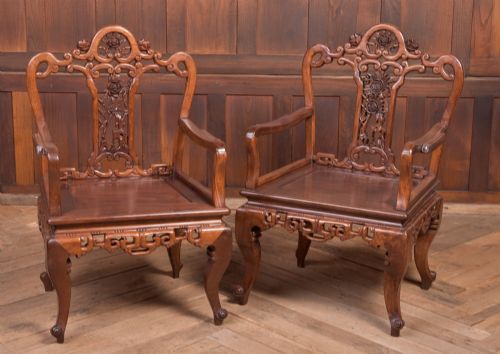
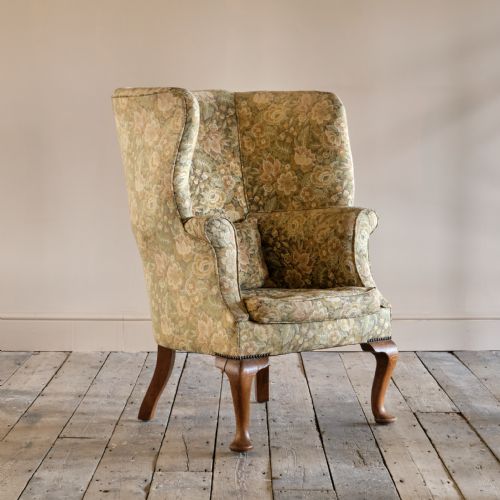

Traditional Floral Armchair
A traditional floral armchair brings pattern and deep comfort into a room, drawing on centuries of upholstery and cabinet-making skill.
Traditional Floral Armchair
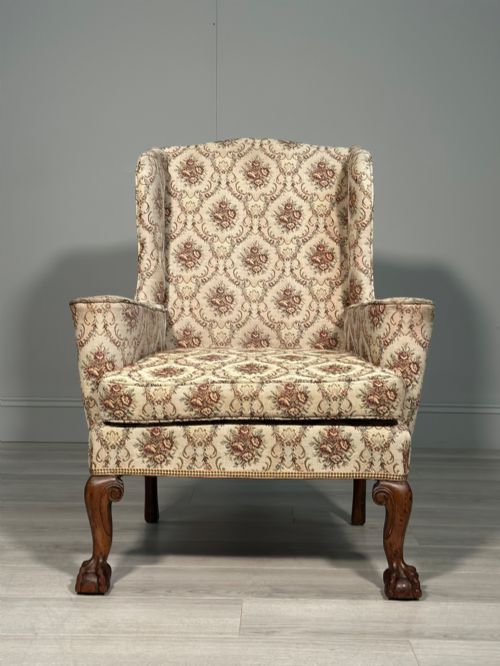
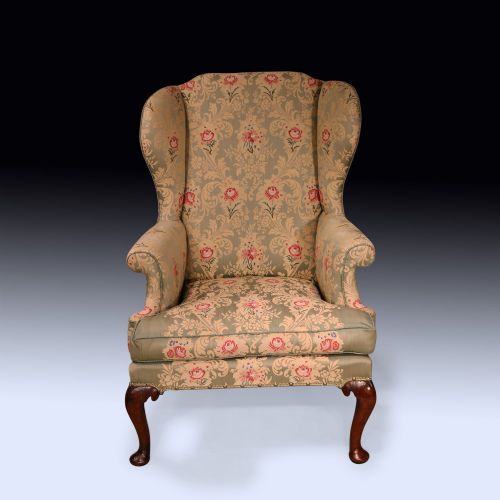
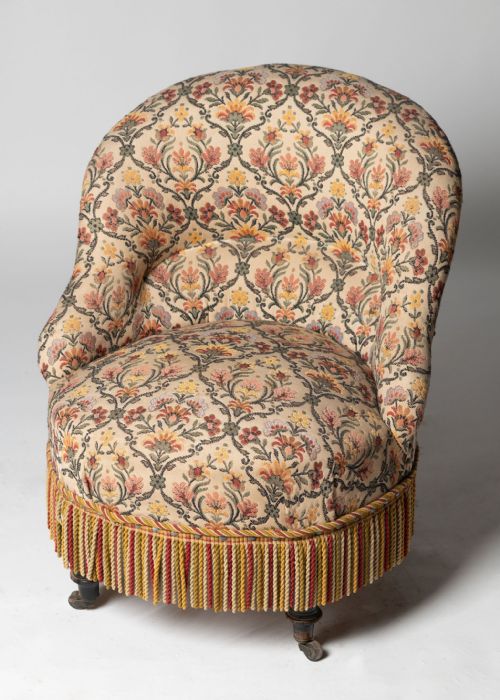
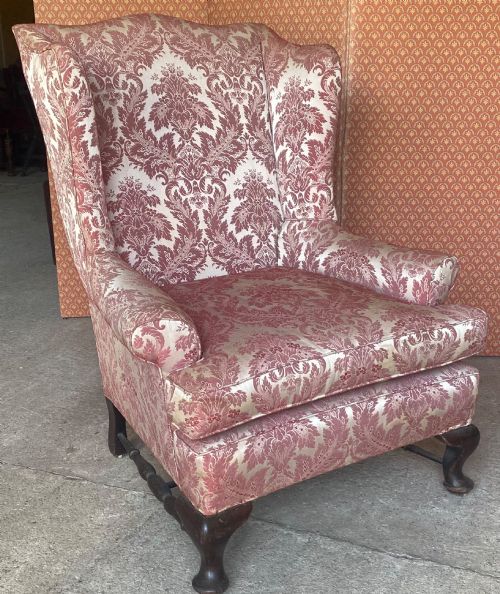
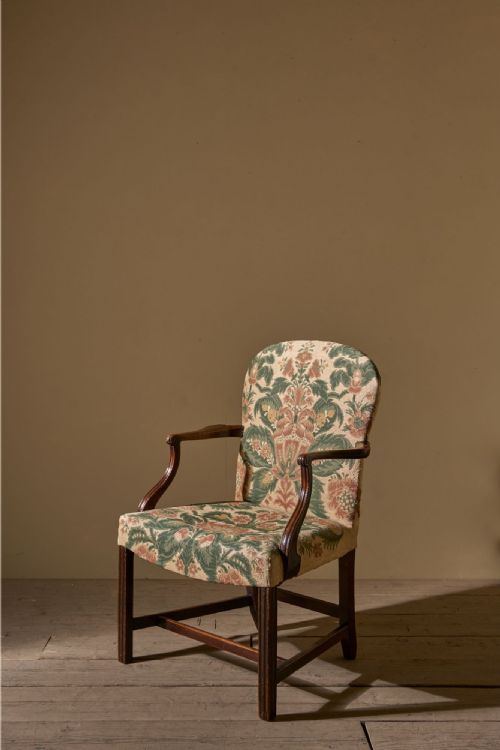
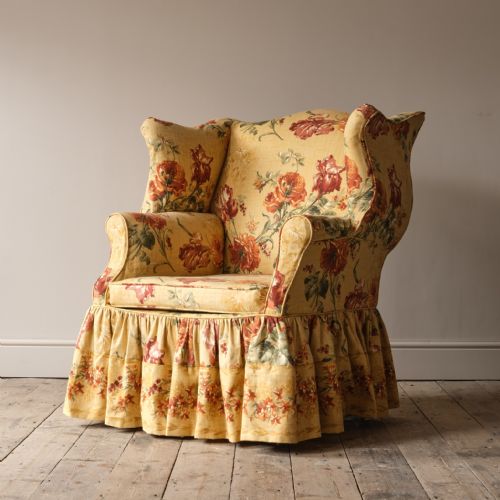
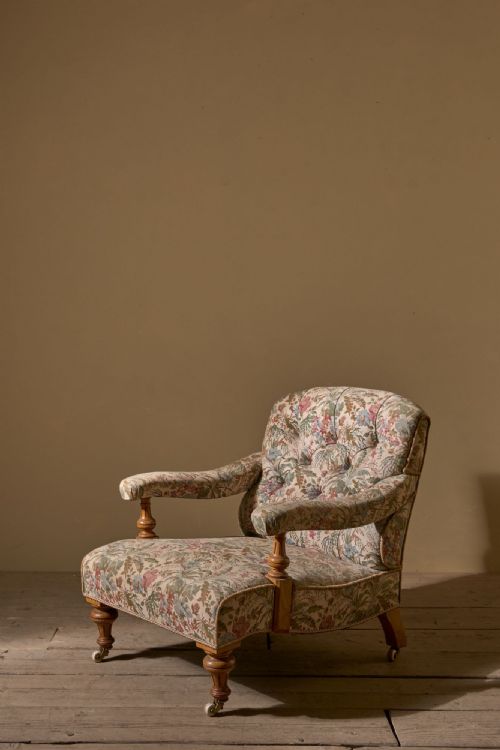
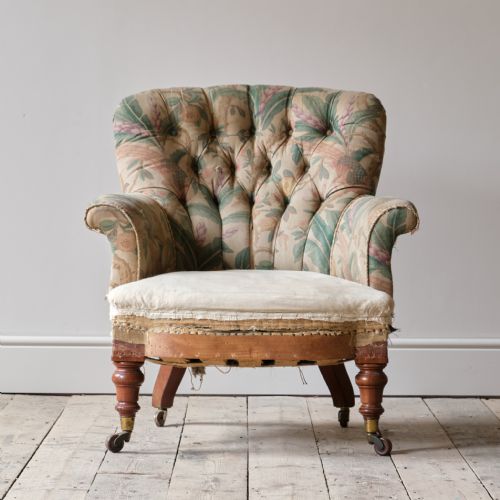
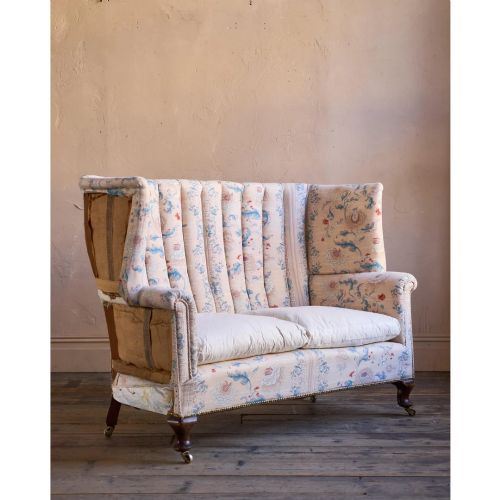
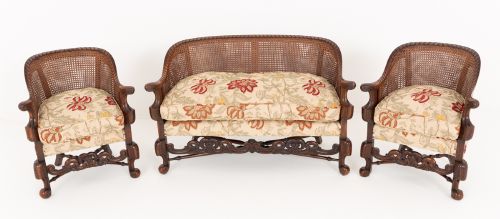
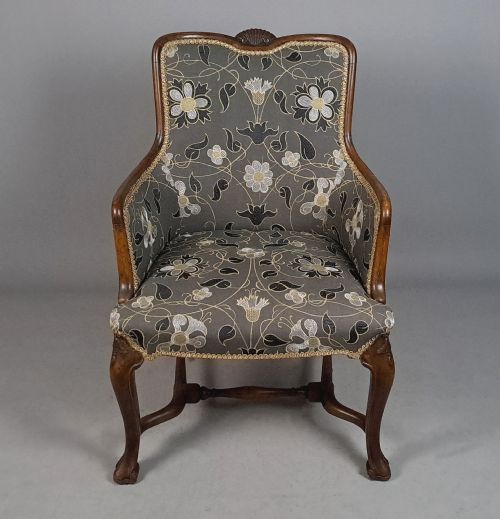
A traditional floral armchair combines historic seating forms with patterned textile upholstery. Buyers seeking a traditional floral armchair will find pieces spanning the eighteenth through to the early twentieth century.
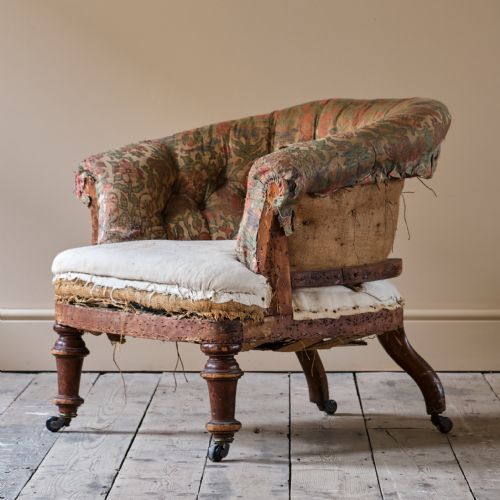
The selection ranges from wingbacks and tub chairs to country house seating and occasional chairs. Examples appear in styles such as Victorian, Edwardian, Queen Anne, and Regency.
Many of these armchairs incorporate fabric, tapestry, crewelwork, and linen coverings over wooden frames of mahogany, walnut, oak, and beech.
Materials and construction methods
Frames are constructed from hardwoods such as mahogany, walnut, oak, and beech, providing a sturdy skeleton for the upholstered body. Timber and hardwood components are often carved or turned depending on the period style.
Upholstery relies on traditional textiles including fabric, tapestry, crewelwork, linen, and occasional brass detailing for studs or castors. Seating construction unites cabinet-making woodwork with textiles and interior stuffing.
Traditional Floral Armchair Retail Price Guide 2026
Typical asking prices for traditional floral armchair among the pieces listed under this phrase on Sellingantiques today, from the lower quarter to the upper quarter. They describe what is for sale here now, not the wider market.
Venetian gondola chairs bring a touch of the grand canals directly into the British drawing room.
Distinctions in craftsmanship and form
Quality rests upon the integrity of the wooden frame and the fidelity of its period style, whether executed in the Queen Anne, Georgian, or Victorian manner. Master carvers and established makers impart superior definition to arms, legs, and wings.
The harmony between the frame and its textile covering defines the piece, with finer examples retaining or thoughtfully reupholstered in period-appropriate fabrics like crewelwork or tapestry that complement the proportions of the chair.
James Mein Kelso·George Jack For Morris and Co·Howard and Sons
The Traditional Floral Armchair Glossary
- Wingback
- An armchair featuring side panels designed to shield the sitter from draughts. These upholstered extensions frame the back and connect to the armrests.
- Bergere
- An enclosed upholstered armchair with wooden framing visible around the sides and back. The style originates from French design traditions.
- Crewelwork
- Embroidery executed with wool yarn on a plain-weave fabric ground. This textile technique creates textured floral and botanical patterns on historic seating.
- Tapestry
- A form of heavy woven textile used as upholstery. It typically displays pictorial or floral designs created on a loom.
- Slipper chair
- A low-seated upholstered chair designed originally for bedchambers. They lack armrests to facilitate the changing of footwear.
Traditional Floral Armchair: Frequently Asked Questions
What defines a traditional floral armchair?
These pieces combine historic seating forms, such as wingbacks and country house chairs, with botanical or floral textile upholstery.
They draw on periods ranging from the eighteenth century through the Edwardian era and feature frames of mahogany, walnut, or oak.
How do I identify the period of an armchair?
Period identification relies on matching the silhouette, leg shape, and woodwork style to eras like the Georgian, Victorian, or Edwardian.
Details such as carved cabriole legs, wing profiles, and construction timber provide key chronological markers.
Where were these armchairs used historically?
Historic armchairs served in reception rooms, libraries, and drawing rooms of country houses and urban residences alike.
Wingback variants were positioned near hearths to block draughts, while lighter occasional chairs moved freely around parlours.
How should I care for historic upholstery?
Preserving textile upholstery involves gentle vacuuming with a low-suction attachment and protecting the fabric from direct sunlight.
Wooden frames benefit from occasional dusting and minimal conditioning to maintain the finish of mahogany or walnut.