


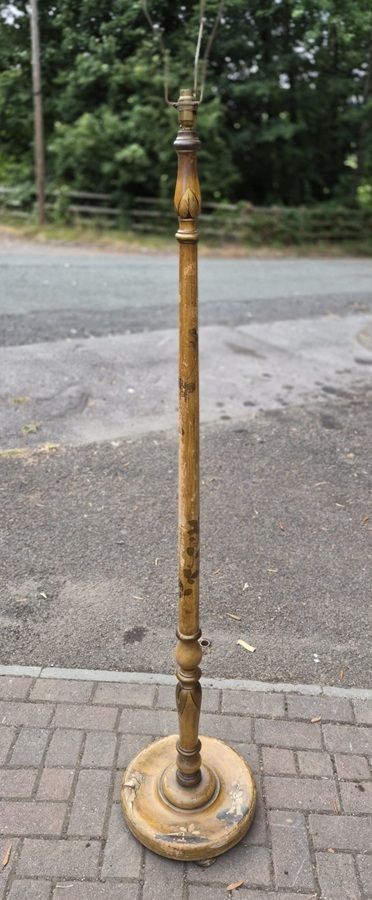
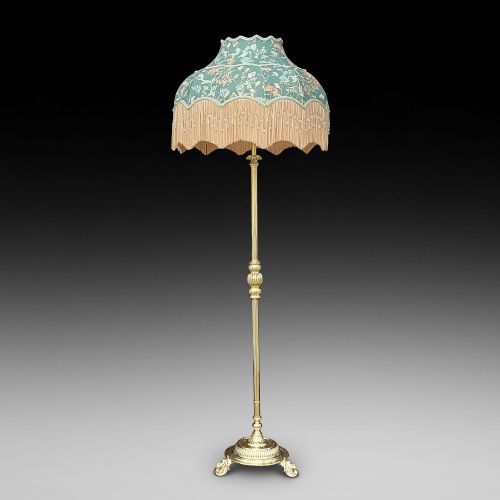
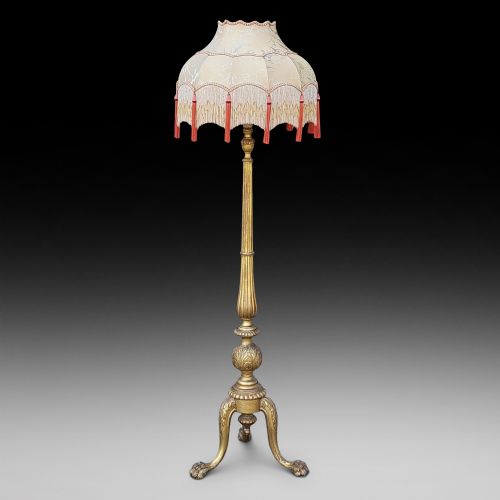
Traditional Floor Lighting
Traditional floor lighting brings height and warmth to a room through standard lamps, floor candlesticks and reading lights rooted in past centuries.
Traditional Floor Lighting
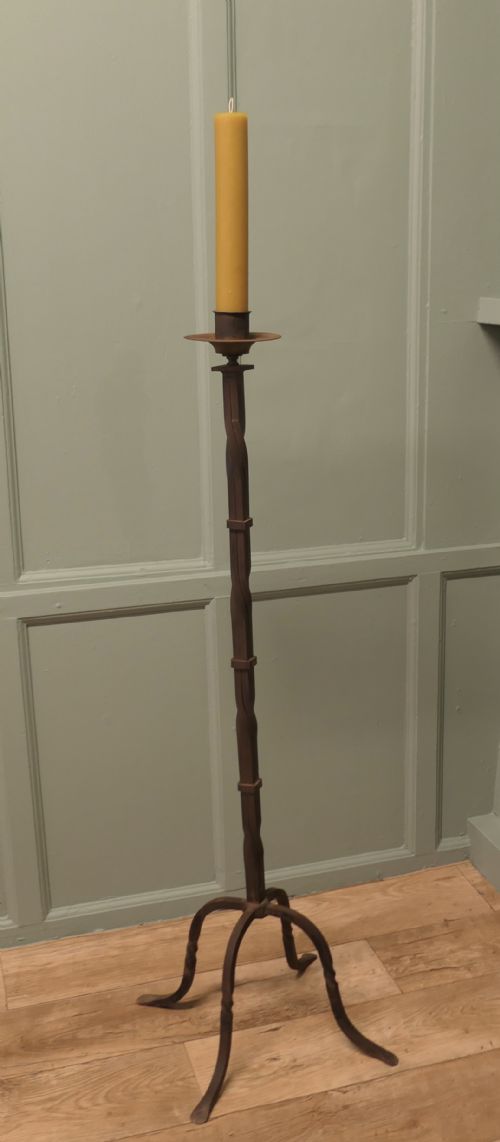
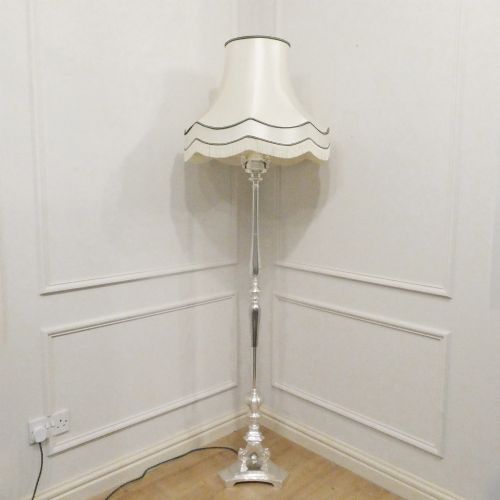
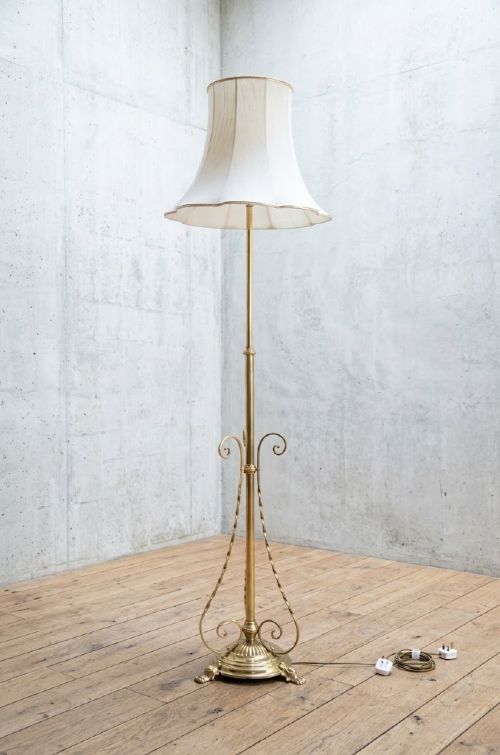
Traditional floor lighting encompasses tall standard lamps, floor candlesticks and reading lights designed to illuminate a room from standing height rather than table surfaces.
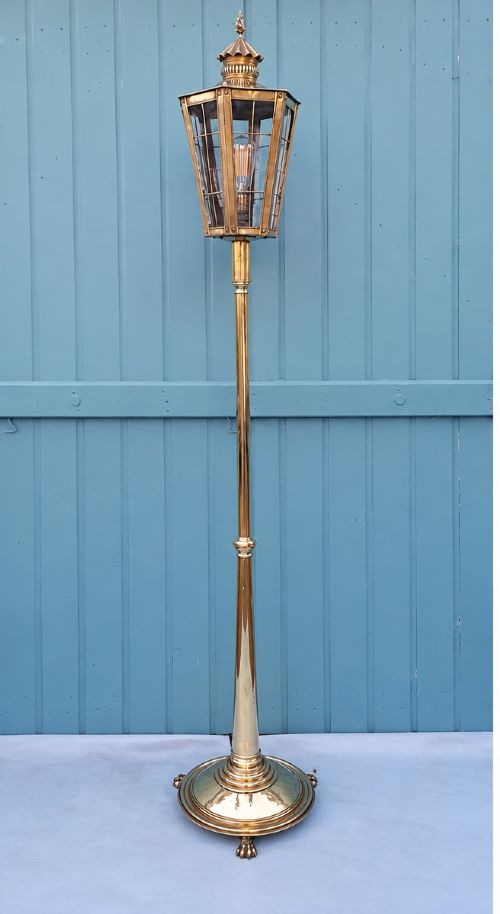
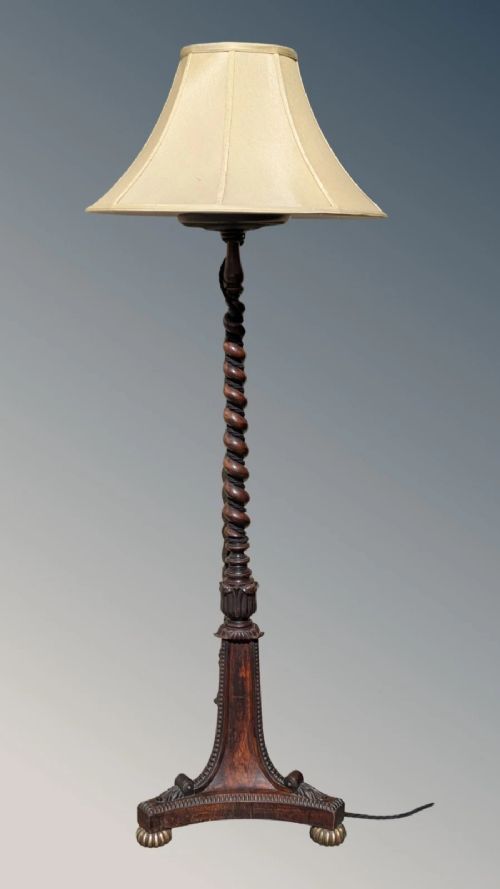
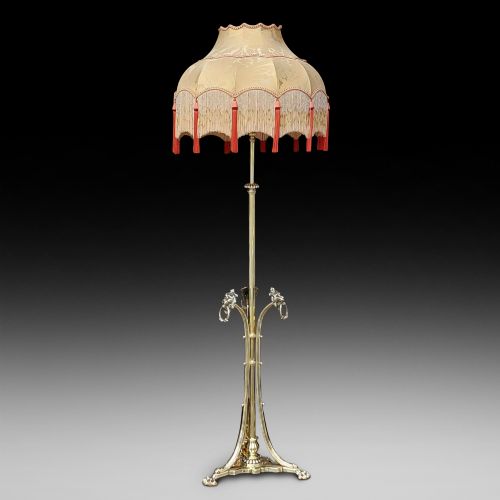
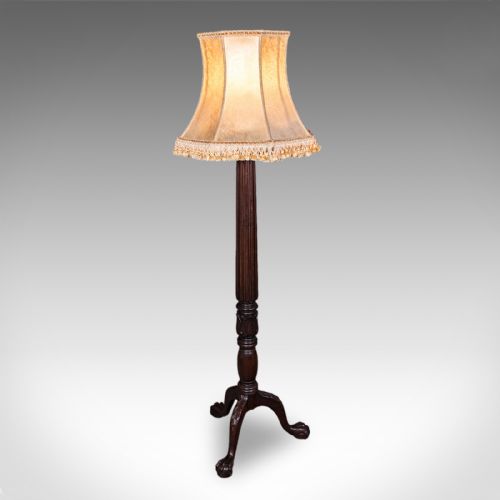
The pieces on this page span from the nineteenth century through the early twentieth century, taking forms such as Corinthian columns, tripod stands and adjustable oil lamps.
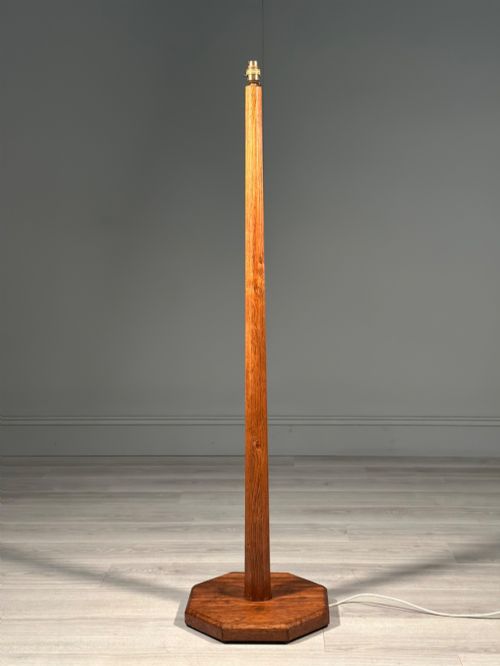
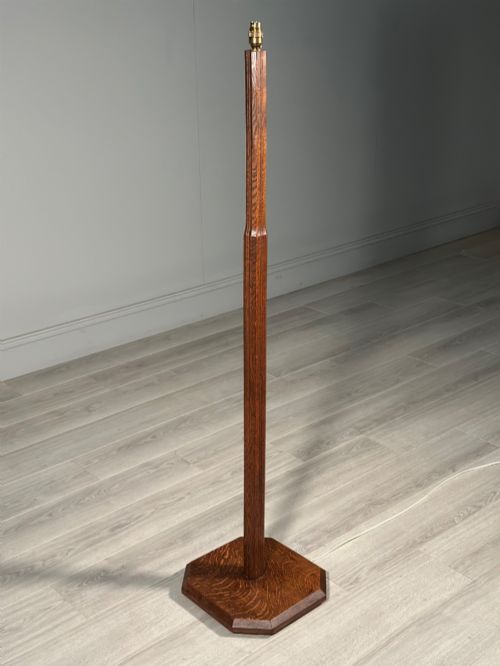
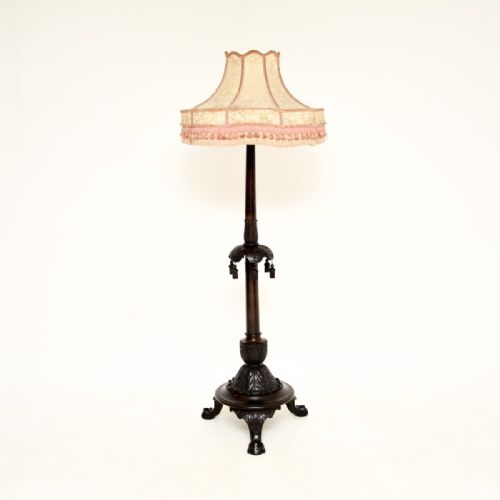
Standard lamps dominate the selection, frequently pairing substantial timber shafts with heavy metal bases to ensure stability.
Materials and Construction
Brass and carved mahogany form the structural backbone of these pieces, alongside wrought iron, oak, walnut and giltwood.
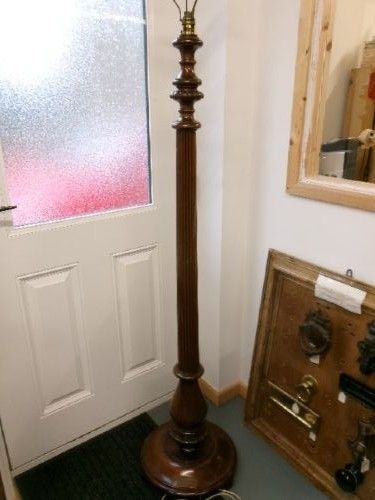
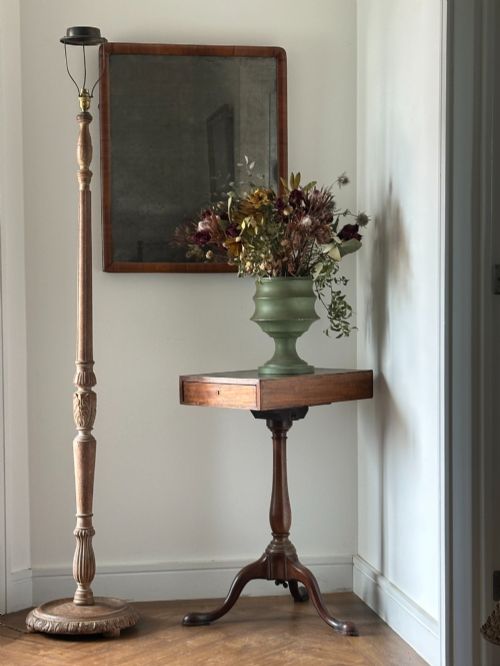
Metal standards often incorporate telescopic mechanisms for height adjustment, while wooden examples showcase hand-carved fluting and turned details.
Traditional Floor Lighting Retail Price Guide 2026
Typical asking prices for traditional floor lighting among the pieces listed under this phrase on Sellingantiques today, from the lower quarter to the upper quarter. They describe what is for sale here now, not the wider market.
A solitary night watchman sculpture stands guard among the lamps, offering a curious departure from standard household illumination.
Judging Quality
Quality rests on the weight of the base and the integrity of the column, where heavier brass castings and dense hardwoods prevent wobbling.
Refined casting in floral openwork or crisp hand-carving on mahogany and oak separate standard production from superior workshop output.
The Traditional Floor Lighting Glossary
- Standard Lamp
- A floor-standing lamp designed to hold a shade and illuminate a room from a vertical post. These fixtures have supported electric conversions or original oil reservoirs.
- Corinthian Column
- A classical column design featuring ornate acanthus leaves at the capital. This architectural motif appears frequently on nineteenth-century brass floor standards.
- Standard Oil Lamp
- A tall lighting standard originally configured to burn oil before conversion to electricity. They often incorporate telescopic stems for adjusting the font height.
- Giltwood
- Timber coated in a thin layer of gold leaf. This finish creates a reflective, decorative surface seen on Neoclassical and Revival lighting standards.
- Chinoiserie
- European decorative style reflecting Chinese artistic traditions. Pieces in this style often feature hand-painted lacquerwork and oriental motifs.
Traditional Floor Lighting: Frequently Asked Questions
How do I safely use old floor lamps?
Many antique floor lamps arrive with modern rewiring, but checking the flex and plug with an electrician ensures safety. Using appropriate low-heat bulbs protects vintage lamp holders and shades from damage.
Position the heavy base on stable flooring to prevent tipping, particularly with taller telescopic designs. Regular gentle dusting preserves the brass or polished wood finishes without abrasive cleaners.
What is a standard lamp?
A standard lamp is a tall floor-standing light fixture designed to illuminate a room from a vertical shaft. These pieces originated before electricity and often accommodated oil reservoirs or candles.
Over time, many standards were adapted for electrical wiring while retaining their original timber or metal uprights. They provide ambient lighting without requiring table space.
How do I date a brass floor lamp?
Dating relies on stylistic clues like column capitals, base weight, and manufacturing marks. Victorian examples frequently feature heavy cast brass Corinthian columns and threaded joins.
Later Edwardian and 1920s models lean towards simpler geometric stems or tripod supports. Examining the wiring channel and switch type also offers hints about the era of manufacture.
Can I adjust the height of these lamps?
Many period floor lamps include telescopic stems or adjustable arms designed to alter the overall height. These mechanisms allow the light source to be raised or lowered depending on the room requirements.
Care should be taken when adjusting older brass or iron threads to avoid stripping the metal. Ensuring the locking screw is secure keeps the stem firmly in place.