




Traditional Fireside Bin
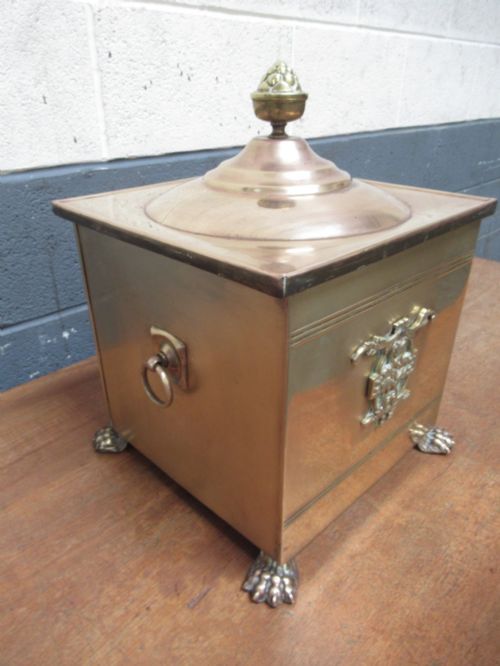
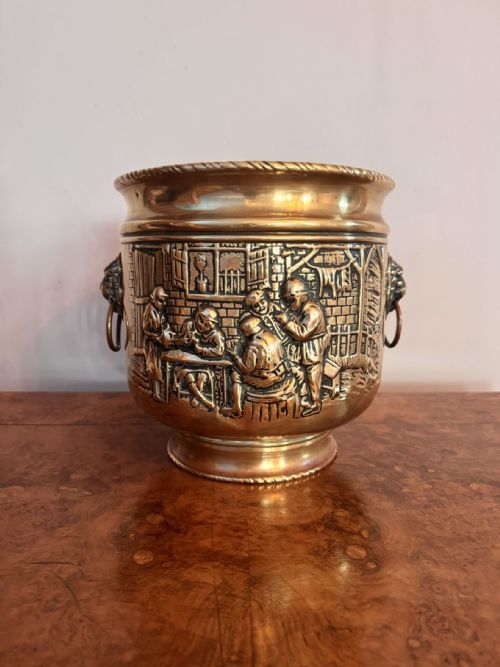
These traditional fireside bin options are sturdy timber and metal receptacles designed to hold fuel near the hearth.
Traditional Fireside Bin
A traditional fireside bin serves a practical purpose beside the hearth while adding character to a room. Buyers searching this phrase will find a variety of receptacles designed for storing coal, logs, or kindling.
Origins range across English, French, Dutch, and Scandinavian styles, reflecting different regional approaches to fireside storage. From rustic country pine to polished brass and copper, these pieces combine utility with period craftsmanship.
How they were made
Makers utilised solid timbers such as oak, pine, and mahogany, often employing coopered construction methods with wooden staves bound by metal hoops for strength. These wooden log bins and boxes relied on traditional joinery to withstand heavy loads of timber.
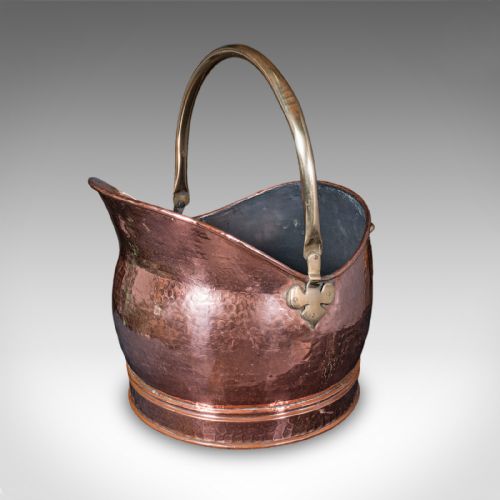
Metal versions were fashioned primarily from heavy-gauge copper and brass, frequently featuring hand-finished details and riveted seams. Wrought iron and standard iron components provided sturdy handles and structural reinforcement.
Traditional Fireside Bin Retail Price Guide 2026
Typical asking prices for traditional fireside bin among the pieces listed under this phrase on Sellingantiques today, from the lower quarter to the upper quarter. They describe what is for sale here now, not the wider market.
Period origins span Georgian, Victorian, and Edwardian eras alongside regional styles from France, Scandinavia, and England.
What varies in quality
The calibre of a traditional fireside bin depends heavily on the thickness of the metal or the selection of timber. Heavy copper, solid oak staves, and robust dovetail joints indicate a higher standard of manufacture.
Attention to detail in the handles, hinges, and banding separates utilitarian items from finer examples. Subtle decorative touches like inlaid wood or hand-beaten metal surfaces elevate the piece beyond basic utility.
The Traditional Fireside Bin Glossary
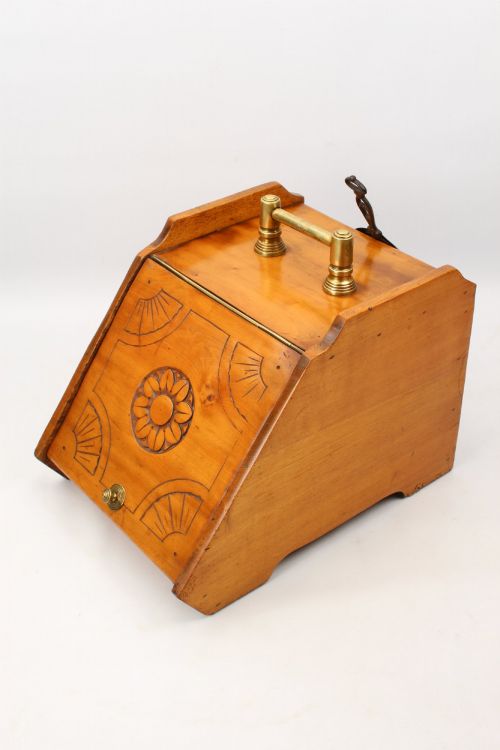
- Purdonium
- A specialised coal box featuring a sloping front door and an internal metal liner designed to contain coal dust. These cabinets often include a dedicated compartment for a shovel.
- Coopered
- A method of construction where tapered wooden staves are fitted together side by side and bound with metal hoops, traditionally used for barrels and heavy storage buckets.
- Coal scuttle
- A portable container used for carrying coal from an outside store to the fireplace. They typically include one or two swing handles for ease of transport.
Traditional Fireside Bin: Frequently Asked Questions
Can I store logs in a metal bucket?
Metal bins made from copper or brass handle the weight and rough texture of firewood quite well. Ensure the timber is dry before storing it inside to prevent internal moisture accumulation and potential tarnishing.
Lined wooden boxes and coopered buckets also suit log storage, provided the interior is strong enough to bear the shifting weight of the wood.
What is the difference between a scuttle and a purdonium?
A coal scuttle is an open or lidded bucket designed primarily for carrying fuel from a cellar or coal bunker to the hearth. They remain fully portable and rely on top swing handles for lifting.
A purdonium is an enclosed wooden cabinet with a hinged sloping front that tilts forward to release coal from a metal interior scuttle. It stays stationary by the fireplace as a piece of furniture.
How do I date an antique oak log box?
Dating relies on observing construction methods, timber grain, and hardware such as hinges and handles. Hand-cut dovetails and genuine iron strapwork generally point towards earlier Georgian or Victorian craftsmanship.
Compare the overall design language and wood species against documented examples from the same period to narrow down the decade of manufacture.