

Traditional Fire Fender
A traditional fire fender frames the hearth, protecting the room from stray embers while defining the domestic centre.
Traditional Fire Fender
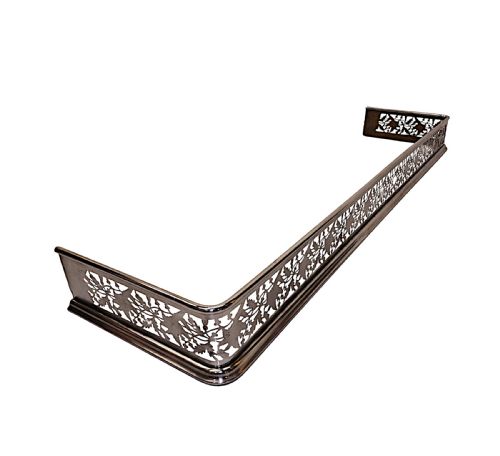
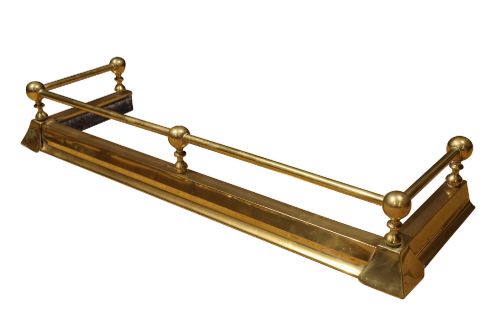
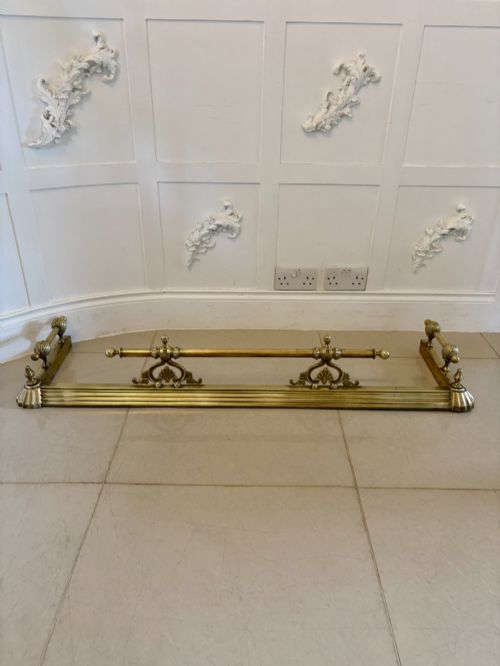
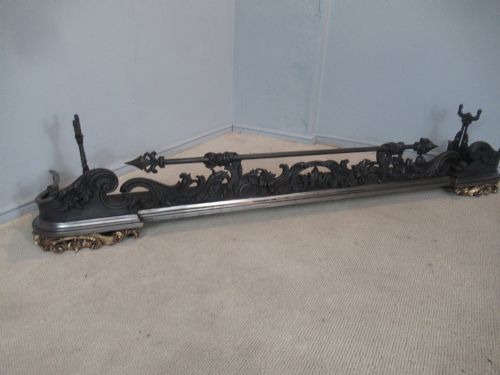
A traditional fire fender sits directly on the hearth to contain ashes and sparks from an open fire. When searching for a traditional fire fender, buyers encounter various metal and wood hearth surrounds dating from the nineteenth century into the early twentieth century.
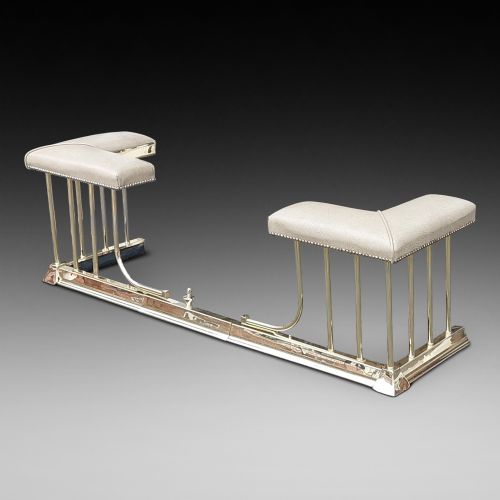
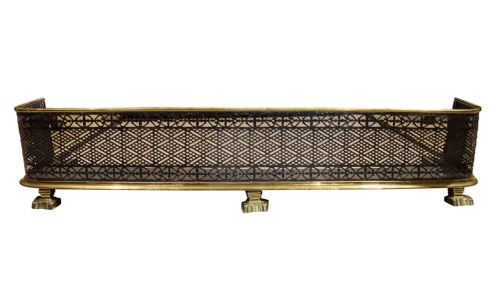
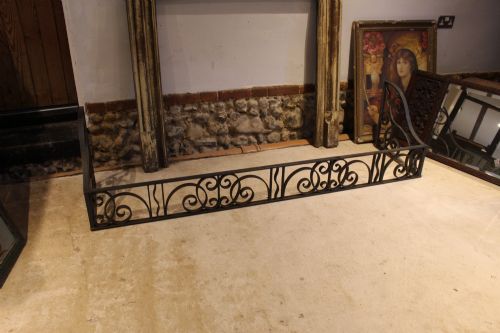
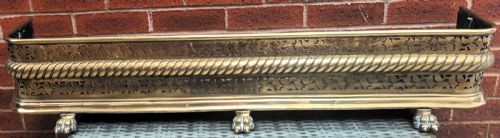
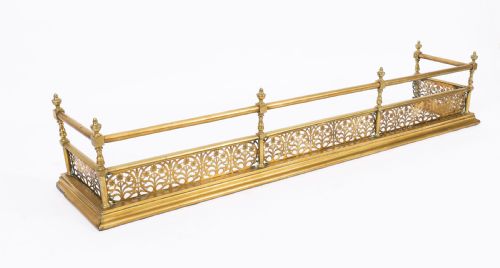
The selection includes low metal curbs alongside larger club fenders fitted with upholstered seats. Victorian and Edwardian examples dominate the offerings, spanning simple iron frames to ornate pierced brass designs.
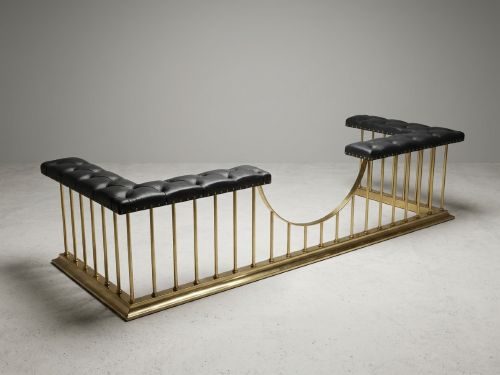
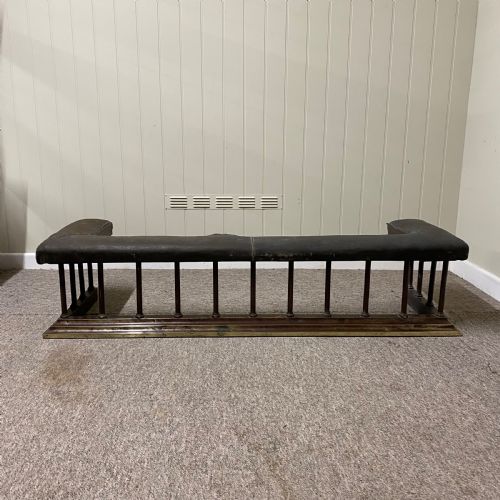
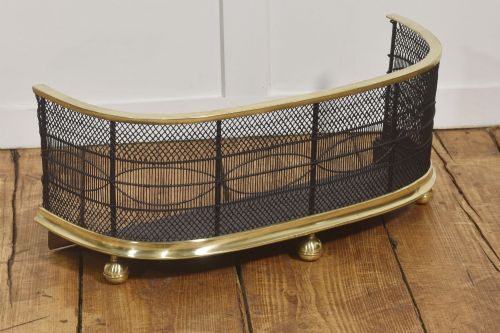
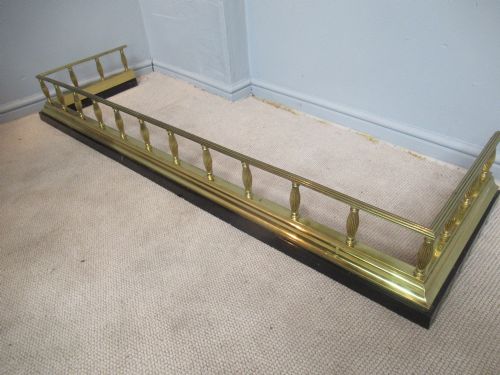
Originating as practical hearth protection, these pieces evolved into substantial room furniture. Many surviving pieces incorporate brass rails, wire mesh guards, or leather-topped corner seats designed for fireside seating.
Materials and construction
Makers utilised heavy metals including brass, cast iron, and steel to build durable frames capable of withstanding hearth heat. Pierced sheet brass and polished brass mouldings provide decorative fronts, often combined with iron or steel structural bases.
Club fenders integrate timber frameworks, such as oak and mahogany, topped with leather upholstery for seating. Wire mesh and iron wirework appear extensively in nursery guards and folding spark screens designed for domestic safety.
Traditional Fire Fender Retail Price Guide 2026
Typical asking prices for traditional fire fender among the pieces listed under this phrase on Sellingantiques today, from the lower quarter to the upper quarter. They describe what is for sale here now, not the wider market.
Listings span the nineteenth and early twentieth centuries, featuring brass, iron, steel, oak, and mahogany.
What separates examples
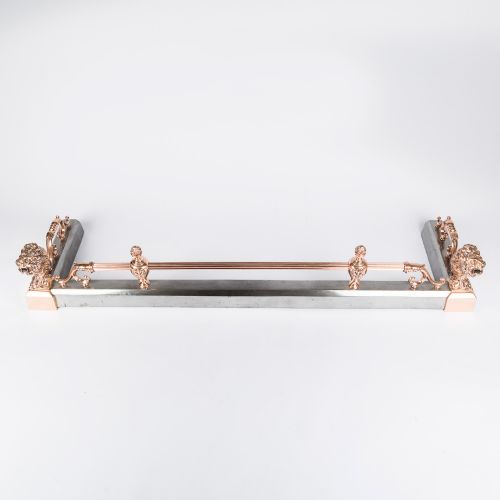
Construction weight and metal gauge distinguish heavier, more substantial hearth surrounds from lighter utilitarian versions. Deep piercing work, cast decorative garlands, and solid brass components separate standard production from finer decorative outputs.
The integration of materials dictates the overall finish, such as polished brass matched with well-fitted leather upholstery on club seats. Higher grade pieces demonstrate precise joinery on oak or mahogany frames and robust internal iron bracing.
The Traditional Fire Fender Glossary
- Club fender
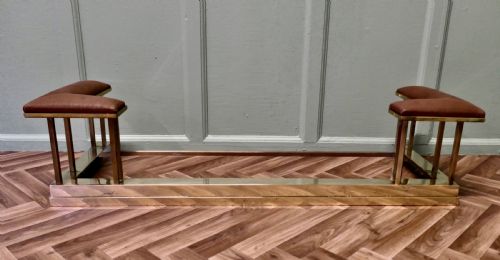
- A low fireside surround featuring cushioned seats upholstered in leather at either end. This design allowed people to sit close to the hearth warmth.
- Nursery fender
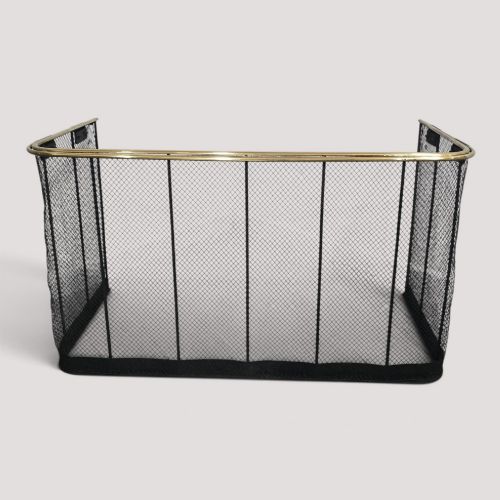
- A tall protective metal barrier designed to keep children and clothing at a safe distance from open flames. These typically incorporate wire mesh panels and sometimes integrated rails.
- Kerb
- An alternative spelling often used to describe the low metal frame enclosing the hearth stone. It forms the physical barrier between the fire and the room flooring.
- Spark guard
- A folding or fixed metal screen made from wire mesh designed to catch flying embers. They range from small tripartite folding units to large serpentine guards.
- Pierced brass
- Sheet metal cut through with decorative openwork patterns, commonly found on Victorian hearth surrounds. This technique lightens the visual weight of heavy brass plates.
Traditional Fire Fender: Frequently Asked Questions
How do I measure for a fender?
Measure the exact width and depth of your hearth stone to ensure the metal or wooden frame sits securely within the perimeter.
Take into account the projection of the fireplace surround and any clearance needed for fire irons or hearth accessories.
What is a club fender used for?
A club fender provides a low fireside barrier equipped with padded leather seats on the corners.
This seating arrangement allowed Victorians and Edwardians to sit directly beside the hearth while keeping warm.
How do I clean a brass fender?
Dust the metal surface regularly with a soft cloth to prevent the accumulation of soot and ash residue.
Avoid harsh chemical abrasives that can strip historical patination from polished brass and cast bronze components.
What is the difference between a fender and a guard?
A traditional fender sits low on the floor to contain embers and frame the hearth area.
A fire guard rises taller to block sparks entirely, often utilising wire mesh panels for child safety.