

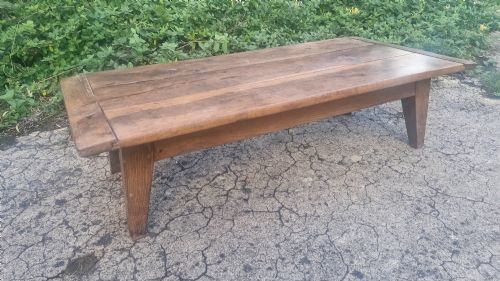
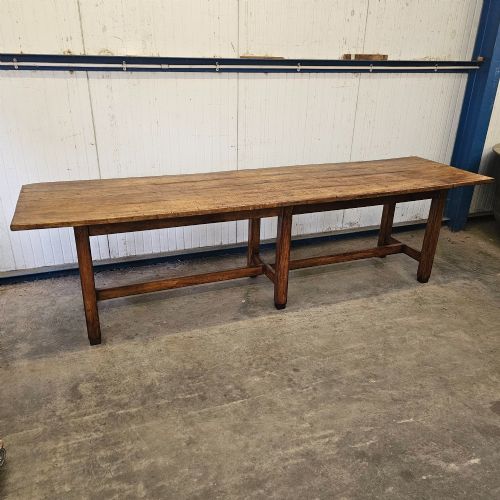
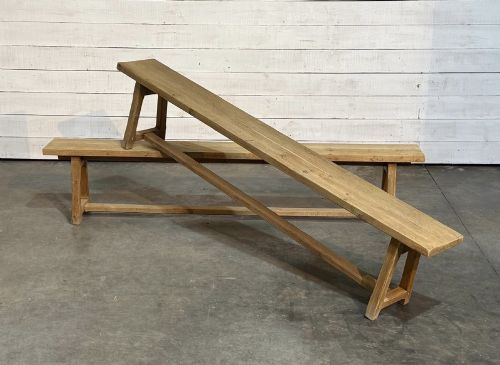
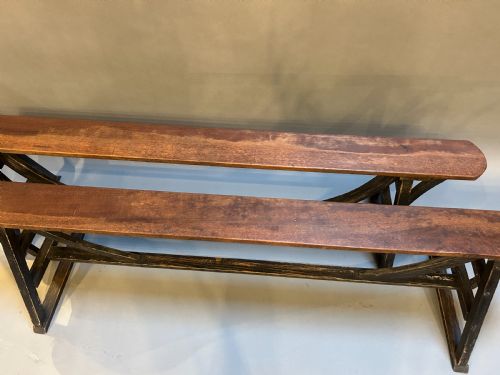
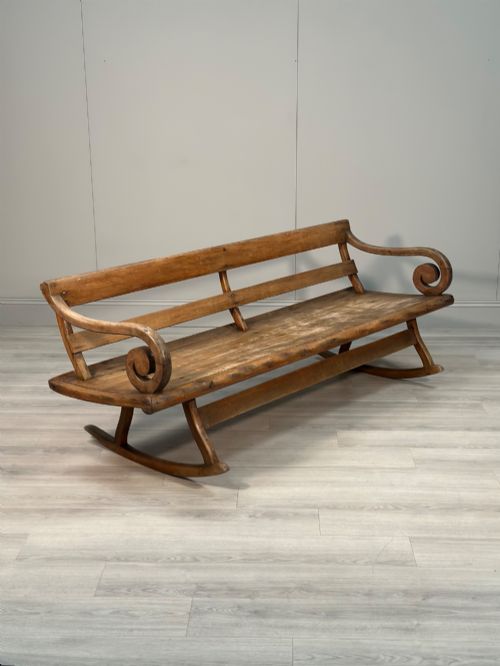
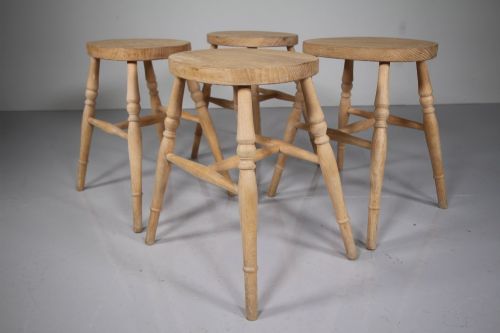
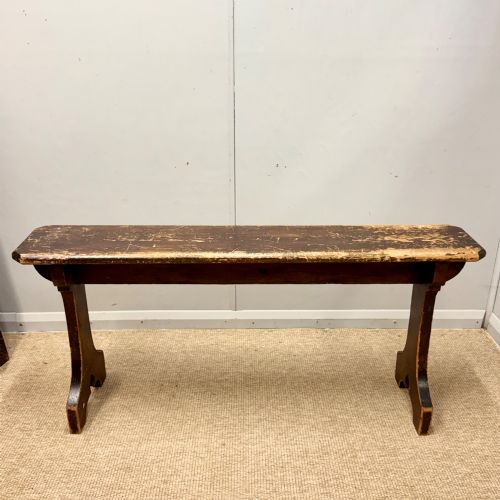
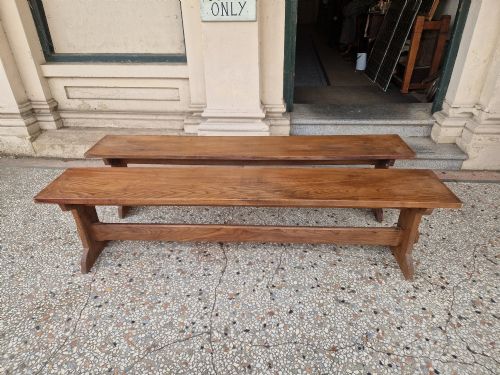



Traditional Farmhouse Bench
A traditional farmhouse bench brings robust utility and honest charm to domestic spaces.
Traditional Farmhouse Bench
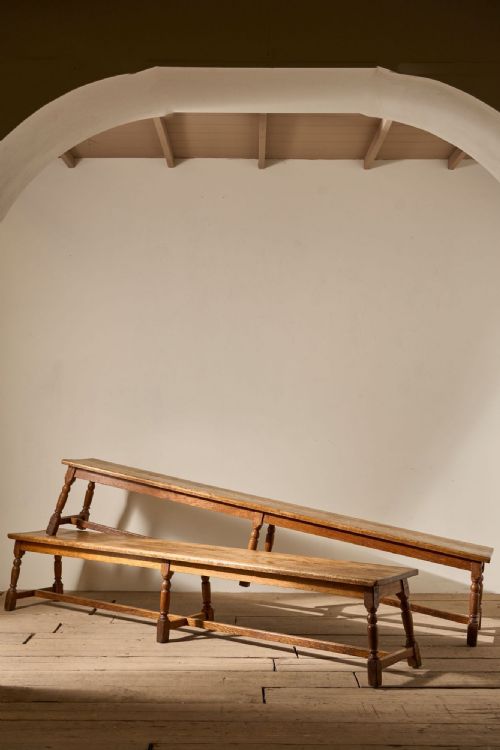
A traditional farmhouse bench serves as functional seating rooted in rural domestic history. When you explore this selection, you encounter forms ranging from long plank seating to high back settles and pairs of dining benches.
The pieces emerge from various eras including the eighteenth, nineteenth and early twentieth centuries. Regional variations span English, French, Welsh and Austrian workshops, alongside rustic country house interpretations.
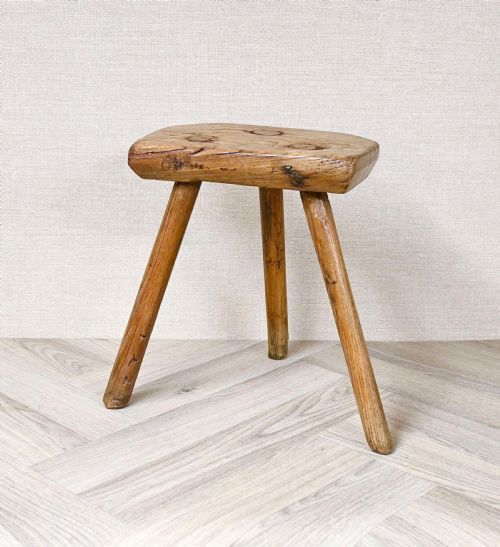
Most examples rely on durable domestic timbers built for heavy daily use. They appear singly or in matched pairs, often accompanied by related trestle tables and milking stools.
What varies in quality
The distinction between ordinary and exceptional pieces rests in the integrity of the timber and the honesty of the construction. Solid oak and dense elm examples command attention for their structural permanence compared to lighter pine variants.
Proportion and scale dictate visual success, where well-balanced length and depth create a balanced silhouette. Original untouched surfaces with honest patination elevate an example far above heavily restored or stripped counterparts.
Traditional Farmhouse Bench Retail Price Guide 2026
Typical asking prices for traditional farmhouse bench among the pieces listed under this phrase on Sellingantiques today, from the lower quarter to the upper quarter. They describe what is for sale here now, not the wider market.
One listed bench originates directly from Bishopthorpe Palace in York.
The Traditional Farmhouse Bench Glossary
- Settle
- A wooden bench featuring a high back and solid arms designed to block draughts in older homes. Many examples include enclosed storage beneath the seat.
- Trestle support
- A structural framework where horizontal beams rest on vertical legs or upright frames. This method provides stable weight distribution for long dining benches.
- Plank top
- A solid wooden surface constructed from wide boards joined side by side. It forms the primary seating or table surface on rustic furniture.
- Patina
- The surface sheen and colour acquired through decades of handling, polishing and natural ageing. It indicates genuine age and continuous use.
- Primitive
- A descriptive term for vernacular furniture made by local carpenters without academic stylistic refinement. These pieces display direct, unpretentious construction.
Traditional Farmhouse Bench: Frequently Asked Questions
How were traditional farmhouse benches used?
These benches served as everyday seating around farmhouse dining tables and near hearths. Their length accommodated multiple diners or family members in busy communal spaces.
High back settle variations additionally functioned as draught barriers in large, unheated rooms. Some designs incorporated hidden storage compartments beneath the seat boards for domestic items.
Where should I place a bench at home?
A traditional bench fits naturally alongside a dining table or kitchen island to provide communal seating. Their narrow depth allows them to slide close against walls when not in use.
They also function effectively in hallways and boot rooms as practical seating for changing footwear. Low forms can serve alternative roles as coffee table surfaces in living spaces.
How do I care for antique wooden benches?
Maintain the timber by dusting regularly with a dry cloth and avoiding excessive moisture. Apply natural beeswax periodically to nourish dry wood and preserve the surface sheen.
Keep wooden furniture away from direct heat sources and strong sunlight to prevent timber warping or cracking. Respect the existing surface marks as part of the historical record.
How do I distinguish pine from oak benches?
Pine is a softwood with a lighter weight, softer texture, and visible knots within a paler yellowish grain. Oak is a heavy hardwood displaying distinct medullary rays and a denser, harder structure.
Oak pieces generally feel considerably heavier and show greater resistance to surface dents than pine equivalents. Both timbers age differently, with pine often developing a deeper amber tone over time.