



Traditional Equine Art
Traditional equine art captures the power and character of horses through detailed portraits and vibrant rural scenes.
Traditional Equine Art
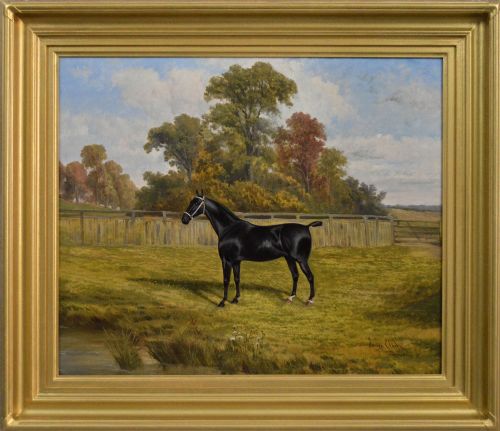
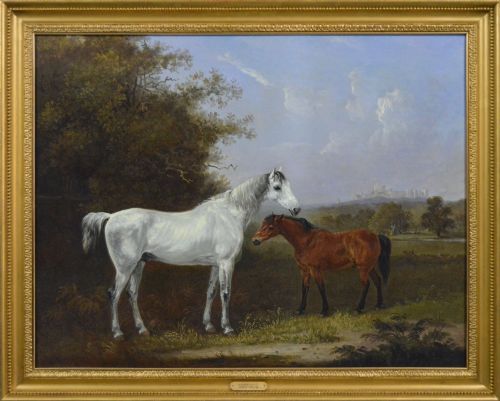
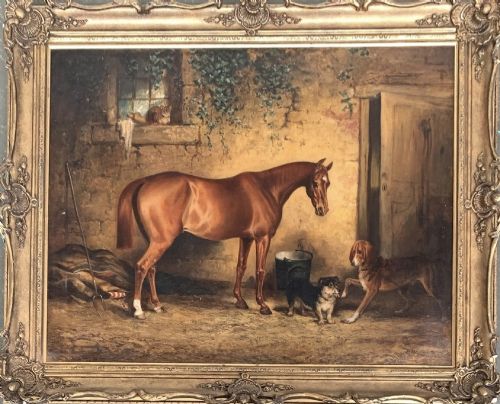
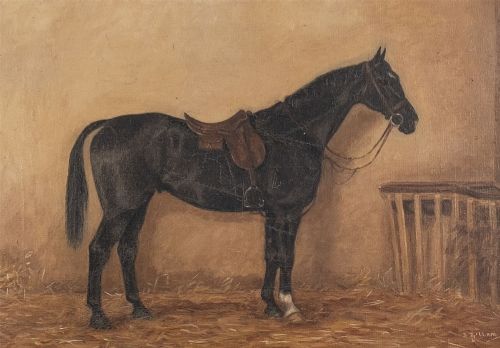
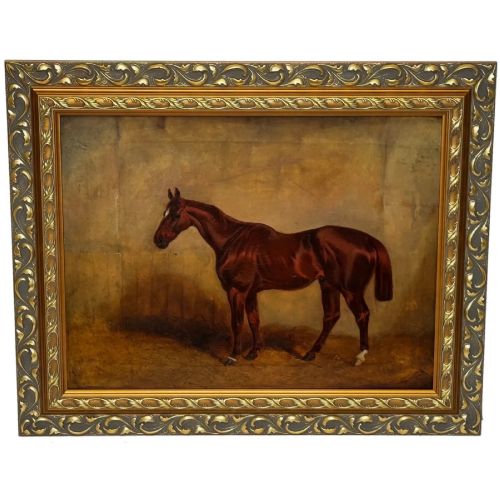
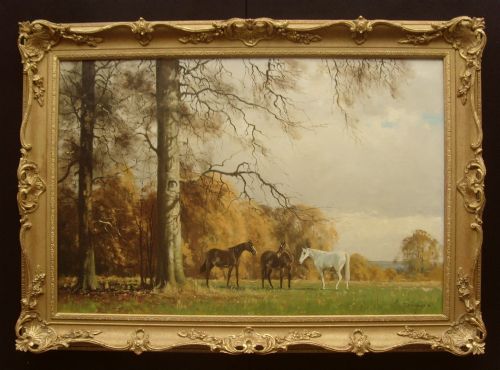
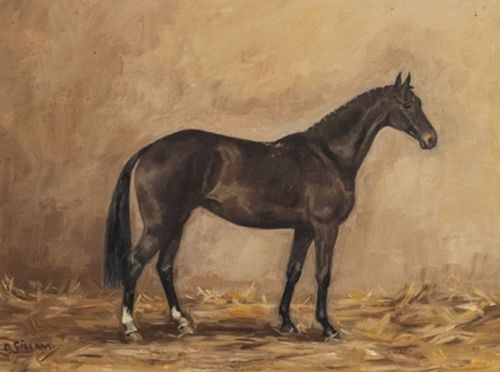
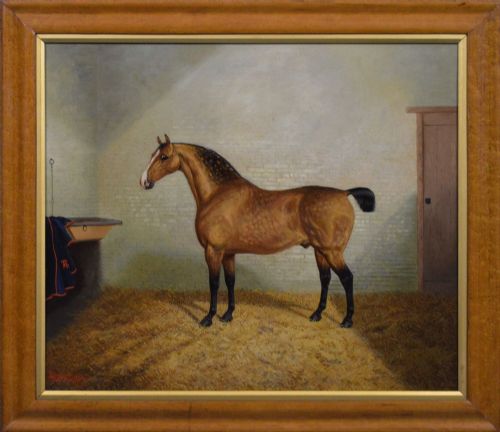
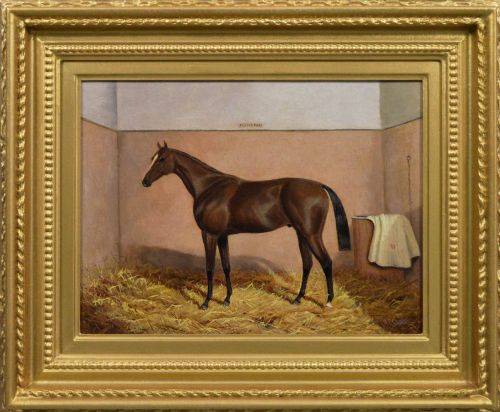
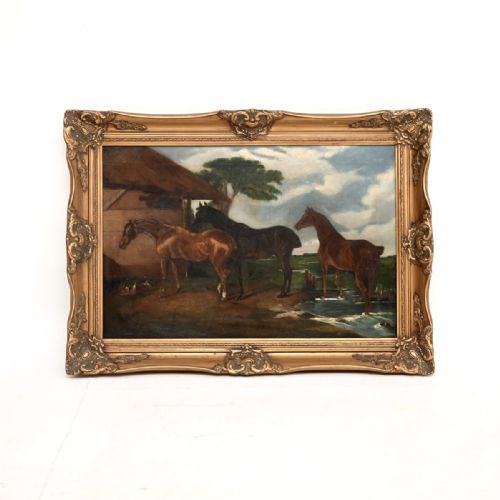
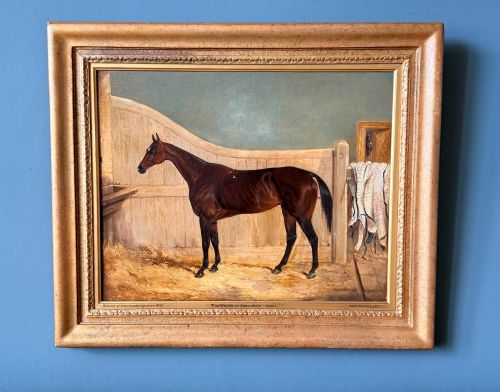
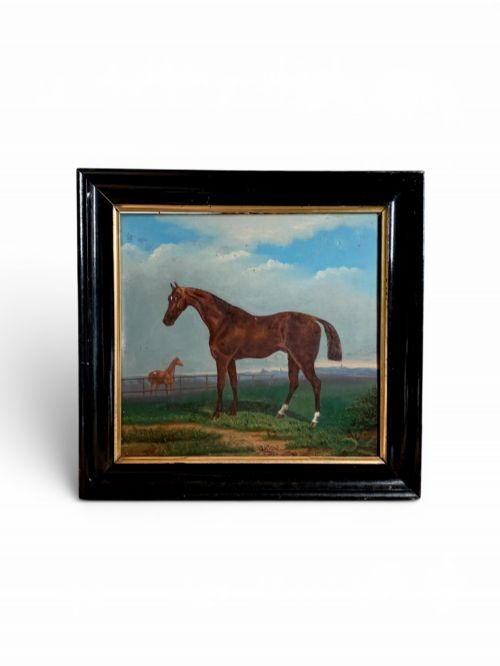
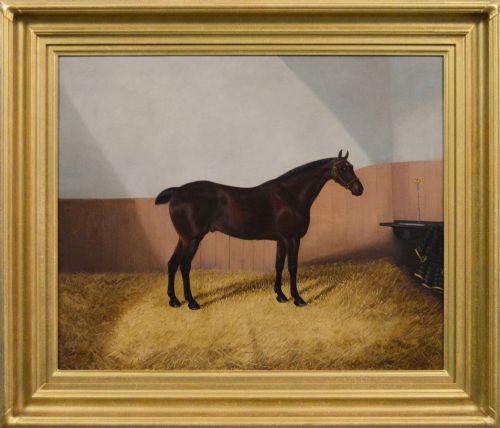
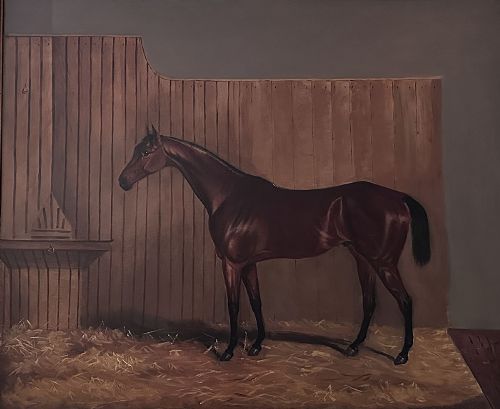
Traditional equine art encompasses oil paintings, watercolours, drawings, and painted prints depicting horses in stables, meadows, and rural landscapes.
The works date from the eighteenth century through the twentieth century, with strong representation from the Victorian and Edwardian periods.
Subjects range from individual portraits of named racehorses and hunters to farmyard scenes, pack animals, and coaching views.
Materials and Techniques
Painters typically applied oil paint onto canvas or wood panels, sometimes incorporating watercolour on paper for lighter portrait studies.
Frames frequently utilise giltwood and gesso, adding decorative moulded borders that complement the traditional subjects.
Traditional Equine Art Retail Price Guide 2026
Typical asking prices for traditional equine art among the pieces listed under this phrase on Sellingantiques today, from the lower quarter to the upper quarter. They describe what is for sale here now, not the wider market.
Listings feature works executed in oil paint, watercolour, and canvas, spanning the 18th, 19th, and 20th centuries.
Evaluating Quality
Anatomical accuracy in the depiction of the horse separates accomplished works from simpler depictions, showing the painter's understanding of form and muscle structure.
The treatment of light, particularly within enclosed stables or open landscapes, defines the depth and atmosphere of the composition.
Charles Bilger Spalding·Henry Barraud·Albert Clark·John Frederick Herring Snr·Abraham Cooper RA
The Traditional Equine Art Glossary
- Hunter
- A type of horse bred for fox hunting, frequently portrayed in nineteenth-century sporting art.
- Giltwood
- Wood carved and coated with gold leaf or a gold-coloured metallic finish, commonly found on period picture frames.
- Gesso
- A plaster-like mixture applied to wood frames to create a smooth surface for moulding decorative details.
- Panel
- A flat piece of wood used as a rigid support for oil paintings prior to the widespread adoption of canvas.
Traditional Equine Art: Frequently Asked Questions
What periods do these paintings come from?
The works span from the eighteenth century through the early twentieth century, with many examples originating in the Victorian era.
Dates often reflect the active period of the artist or the specific decade of the subject depicted.
How were these artworks framed?
Many period pieces retain their original or contemporary frames constructed from wood with gilt and gesso enrichment.
These decorative surrounds often feature moulded patterns suited to the aesthetic of the nineteenth century.
What subjects appear alongside the horses?
Compositions frequently include farmyard settings, stable interiors, jockeys, grooms, and rural landscapes with dogs and agricultural machinery.
Some works place the animals near historical landmarks or within open pastoral scenery.
Are all the pieces oil paintings?
While oil on canvas forms the majority of the selection, the category also includes watercolours, drawings, and painted prints.
Supports vary from stretched canvas to wood panels and paper.