





Traditional English Wooden Treen
Traditional English wooden treen encompasses domestic and utilitarian objects shaped from native timbers for rural and household life.
Traditional English Wooden Treen
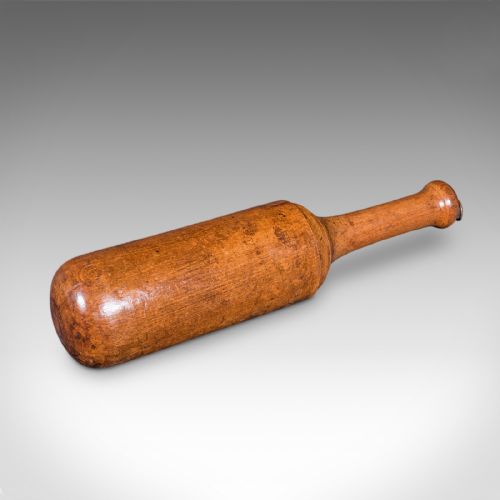
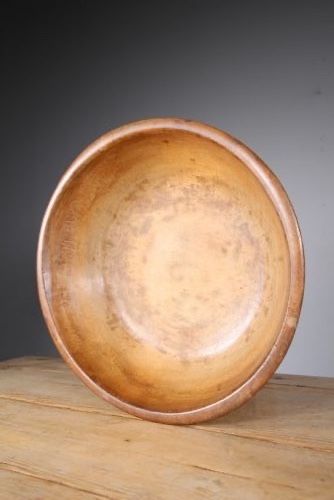
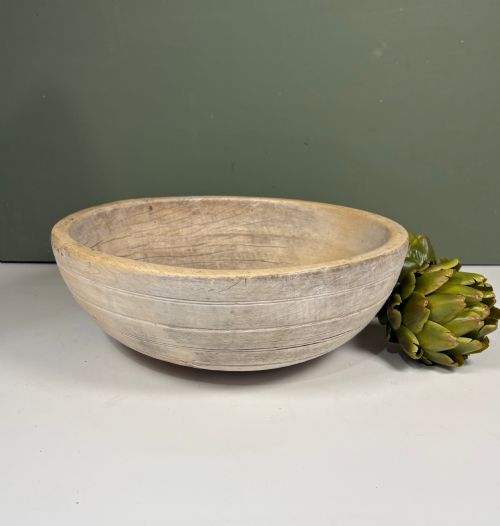
Traditional English wooden treen covers utilitarian domestic objects shaped by hand and lathe for domestic chores, storage and the dairy. When you search for traditional english wooden treen, you encounter functional items ranging from large sycamore dairy bowls to spice towers and kitchen mallets.
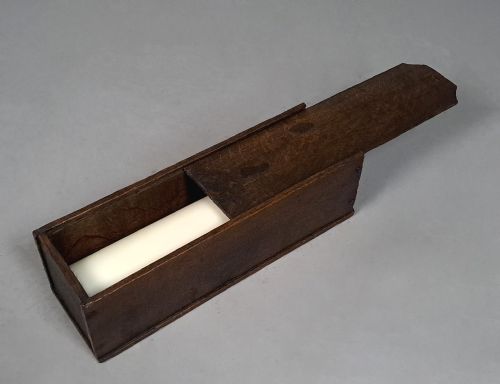
The selections span the Georgian period, the nineteenth century and the Victorian era, reflecting the practical needs of rural and household life. Dairy bowls and kitchenware dominate the forms, alongside specialised items like knitting sheaths and candle boxes.
Makers shaped these domestic items from native hardwoods using local lathes and hand tools, producing pieces intended purely for daily use rather than display. Each item carries the marks of its original purpose in the kitchen, dairy or parlour.
How they were made
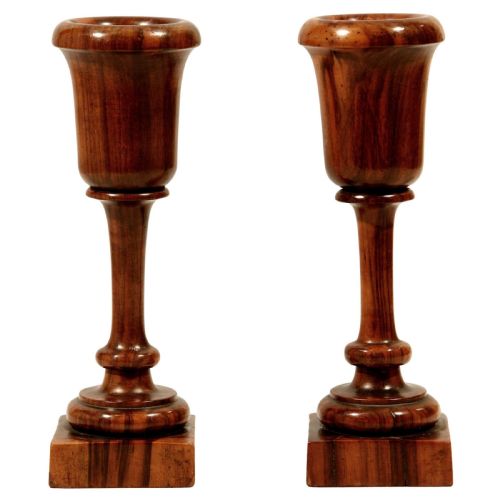
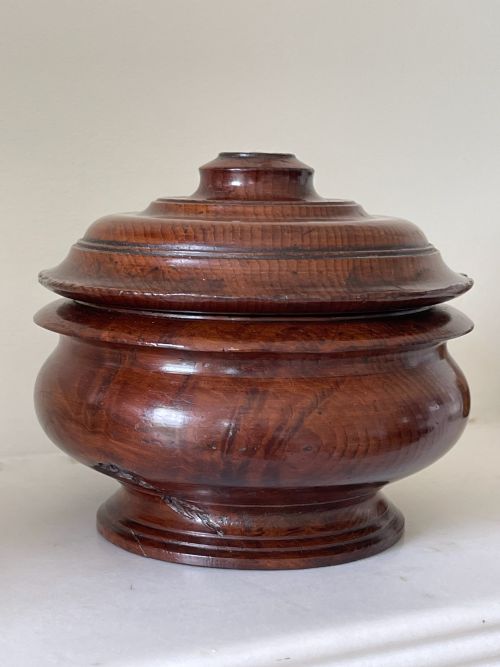
Craftsmen shaped traditional English wooden treen from native timbers including sycamore, beech, fruitwood, oak, ash, lignum vitae and yew. Woodturners utilised lathes to form symmetrical items such as bowls, jars and spill vases, while others shaped flatware and boxes using hand tools.
Makers selected specific woods for their density and grain, turning sycamore for dairy bowls to resist moisture and selecting heavy lignum vitae for turned urn stems. Punchwork decoration occasionally embellished smaller items like Cumbrian knitting sheaths.
Traditional English Wooden Treen Retail Price Guide 2026
Typical asking prices for traditional english wooden treen among the pieces listed under this phrase on Sellingantiques today, from the lower quarter to the upper quarter. They describe what is for sale here now, not the wider market.
What varies in quality
Quality in traditional English wooden treen depends upon the harmony of the timber's grain with the object's form, along with the crispness of the turning. Pieces retain their original proportions and structural integrity despite decades of domestic use.
Surface character separates standard utility items from finer examples, with patination earned through handling and age marking the superior pieces. The degree of wear remains honest, preserving tool marks and the warm tones developed over centuries.
The Traditional English Wooden Treen Glossary
- Treen
- Small utilitarian domestic wooden objects made by turners and craftsmen. The term derives from old English words for tree or wood.
- Dairy Bowl
- A wide wooden vessel used in butter making and milk setting. These large bowls were typically turned from sycamore to withstand heavy scrubbing.
- Lignum Vitae
- A very dense, heavy exotic wood utilised for turned items requiring strength and weight. Its natural oils give the timber a dark, oily appearance.
- Knitting Sheath
- A domestic tool tucked into a belt or apron to hold a knitting needle steady. Cumbrian examples often featured punchwork decoration.
- Spill Vase
- A small container designed to hold thin wooden spills used for lighting candles and fires. Pairs were frequently turned on the lathe.
Traditional English Wooden Treen: Frequently Asked Questions
What is traditional English wooden treen?
Traditional English wooden treen comprises small, functional household objects shaped from native timbers. These items served everyday domestic tasks in kitchens, dairies and parlours.
Craftsmen and turners made these pieces from materials like sycamore, beech and oak to meet practical household needs rather than decorative display.
How were dairy bowls used?
Dairy bowls were utilised in farm dairies for setting milk and allowing cream to rise to the surface. Their wide rims and stable bases suited daily washing and skimming.
Sycamore timber was chosen for these bowls because it remained stable when wet and did not impart flavours to dairy produce.
How do I care for wooden treen?
Wooden treen requires minimal intervention, needing only occasional dusting and protection from extreme temperature changes. Keep pieces away from direct heat sources to prevent the timber from splitting.
Apply neutral beeswax sparingly if the wood appears dry, avoiding modern synthetic polishes that alter the historic surface.
How do I date traditional treen?
Dating relies on identifying the tool marks left by lathes or hand knives, the species of timber and the specific form of the object. Georgian and Victorian pieces often show distinct structural characteristics and wear patterns.
Patina also indicates age, developing through centuries of handling, washing and exposure to natural light.