





Traditional English Portraiture Art
Traditional English portraiture art captures centuries of notable faces, offering a direct link to historic figures through enduring painted canvases.
Traditional English Portraiture Art
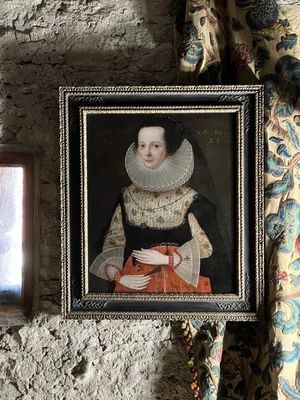
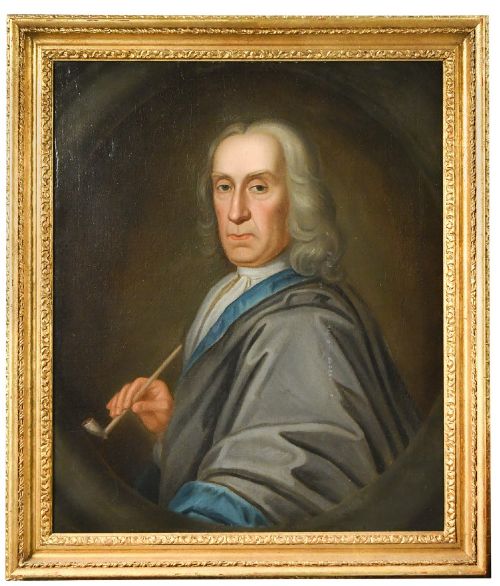
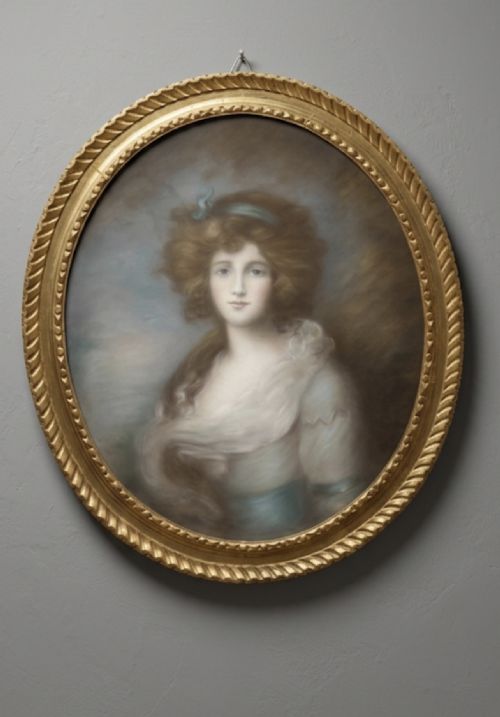
Traditional English portraiture art spans several centuries, capturing the likenesses of nobility, gentlemen, and notable figures in oil paint and pastel. You will frequently encounter nineteenth-century works alongside earlier seventeenth and eighteenth-century examples on this page.
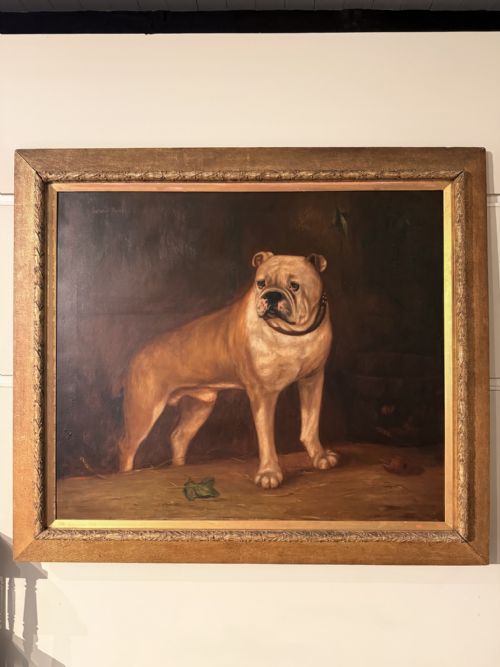
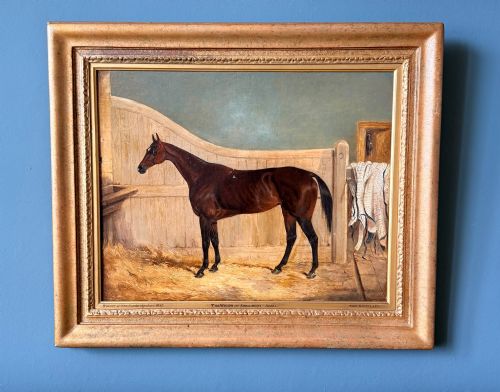
The subjects range from formally dressed noblewomen and judges to sporting horses, terriers, and young children in domestic or pastoral settings. These oil paintings and portrait sketches reflect the evolving tastes of British fine art across the Georgian, Victorian, and later periods.
Many of these works are attributed to specific British schools or documented painters, while others remain fascinating pieces by regional artists. The selection highlights the breadth of traditional British portraiture available to collectors today.
How these artworks were constructed
The majority of these pieces utilise oil paint applied to stretched canvas, a durable medium that allows for rich layering and fine detail. Artists also employed wood panels and pastel on paper for specific sketches and studies.
Giltwood and gold leaf feature prominently in the framing of these portraits, adding decorative weight and traditional sheen to the presentation. The combination of oil on canvas within carved wooden frames defines the physical construction of these historic artworks.
Traditional English Portraiture Art Retail Price Guide 2026
Typical asking prices for traditional english portraiture art among the pieces listed under this phrase on Sellingantiques today, from the lower quarter to the upper quarter. They describe what is for sale here now, not the wider market.
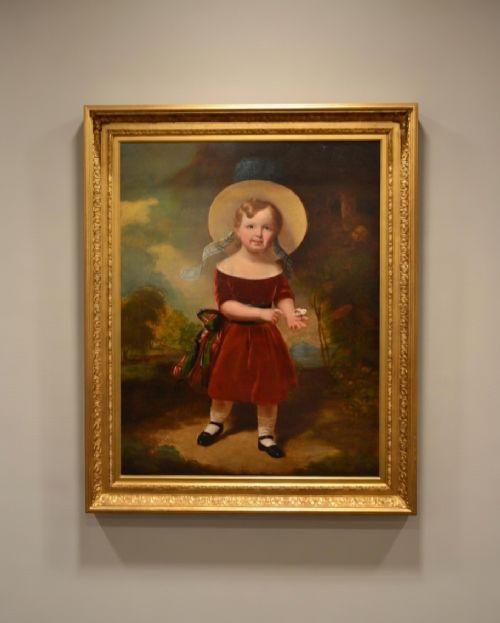
A nineteenth-century canvas preserves the likeness of a young boy holding a butterfly, alongside numerous titled gentlemen and judges.
What separates works of higher distinction
The standard of portraiture is largely determined by the skill of the brushwork and the psychological depth captured in the sitter's expression. Masterful handling of light, shadow, and fabric texture distinguishes accomplished works from simpler regional depictions.
Provenance and attribution also play a significant role, as documented works by known painters command greater interest among serious collectors. The integrity of the original canvas and the preservation of the painted surface further influence the overall standing of each piece.
Thomas Walker Bretland·John Hamilton Mortimer·Edward Lloyd of Ellesmere·Frank Moss Bennett·John Emms·Henry Scott·Thomas Beach
The Traditional English Portraiture Art Glossary
- English School
- A term used to describe paintings produced by British artists whose specific individual names are lost or unrecorded. It helps categorise regional and stylistic traditions.
- Oil on Canvas
- Pigments bound with an oil medium applied to a woven fabric surface stretched across a wooden frame. This combination provides flexibility and longevity for the artwork.
- Giltwood
- Wood that has been decorated with a thin layer of gold leaf or gold paint. It is commonly found on traditional picture frames from the Georgian and Victorian eras.
- Sporting Art
- A genre of painting dedicated to depicting horses, hounds, and rural sporting activities. These works often celebrate specific animal portraits and racing winners.
Traditional English Portraiture Art: Frequently Asked Questions
How do I identify the period of a portrait?
Examine the clothing, hairstyle, and framing style of the sitter, which generally reflect the fashion of the era in which the work was painted. Dating is often supported by signatures, inscriptions, or historical records associated with the subject.
Paint mediums and canvas preparation techniques also offer clues to the age of the piece. Comparing the stylistic approach to documented periods like the Georgian or Victorian eras helps confirm the timeline.
Where were these portraits originally displayed?
Historic portraits of this nature typically hung in the galleries, libraries, and formal reception rooms of British country houses and town residences. They served to document lineage, social standing, and important family alliances.
Some sporting and animal portraits were commissioned specifically for stables or estate offices. Over time, these pieces transitioned into public collections and private art markets.
How should I care for an antique oil painting?
Keep oil paintings away from direct sunlight and sudden fluctuations in temperature or humidity to protect the canvas and paint layers. Gentle dusting with a soft, dry brush is generally sufficient for routine maintenance.
Avoid using water or chemical cleaners on the painted surface or the giltwood frame. Professional conservation should be sought if the canvas requires cleaning or structural repair.