

Traditional English Mahogany Furniture
Traditional english mahogany furniture brings enduring warmth and deep timber grain to a room through centuries of skilled cabinet making.
Traditional English Mahogany Furniture
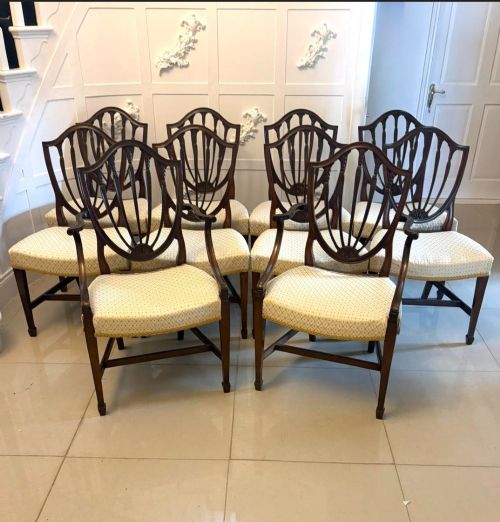
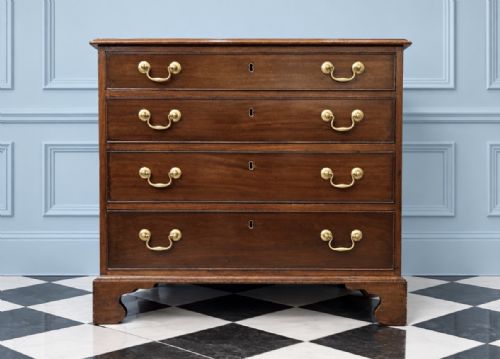
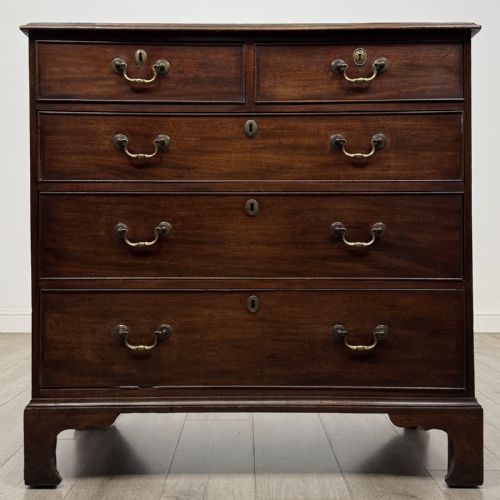
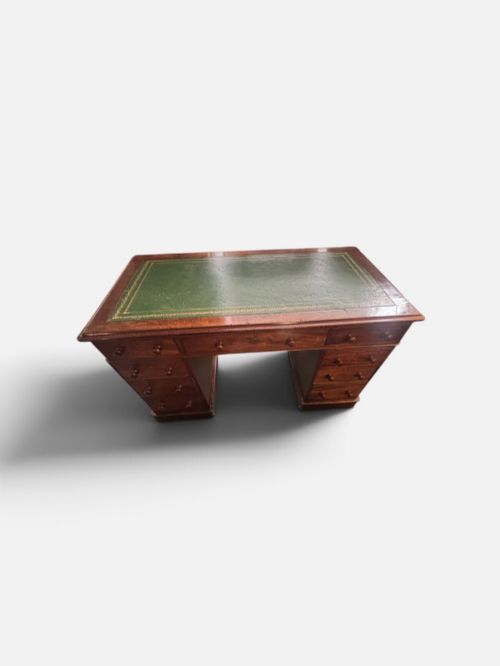
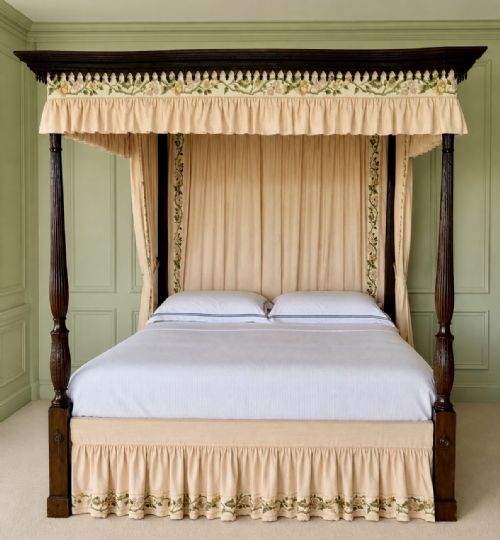
Traditional english mahogany furniture encompasses formal storage pieces, seating sets, and writing tables spanning the Georgian, Regency, and Victorian eras. Chests of drawers and dining chairs appear most frequently across these centuries, alongside bureaus, desks, and bookcases.
The material dominates British interiors from the eighteenth century onward, shifting in tone from deep red-brown eighteenth-century surfaces to later nineteenth-century variations. Makers utilised dense timber to build robust dining furniture and refined display pieces alike.
Buyers encounter numerous regional and stylistic variations, from simple lowboys to grand breakfront library bookcases. Each piece reflects the prevailing aesthetic of its period, incorporating styles such as Chippendale, Hepplewhite, and Regency.
Materials and Technique
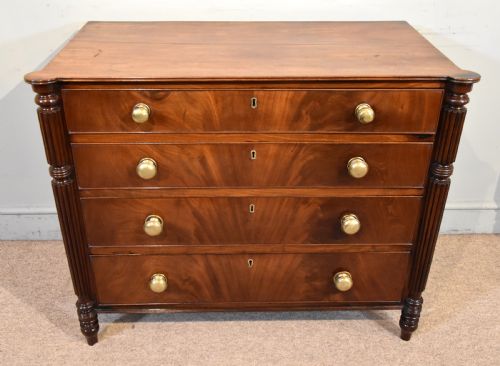
Craftsmen built these items primarily using solid mahogany and mahogany veneers, occasionally incorporating oak and maple as secondary woods. Metal fittings such as brass handles and hinges provide functional contrast to the dark timber.
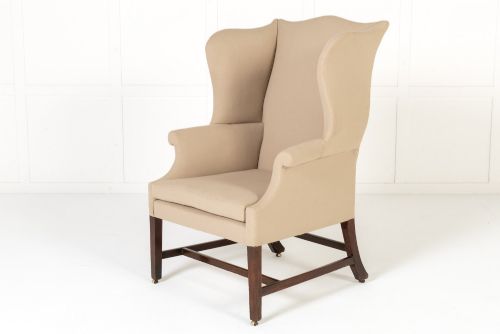
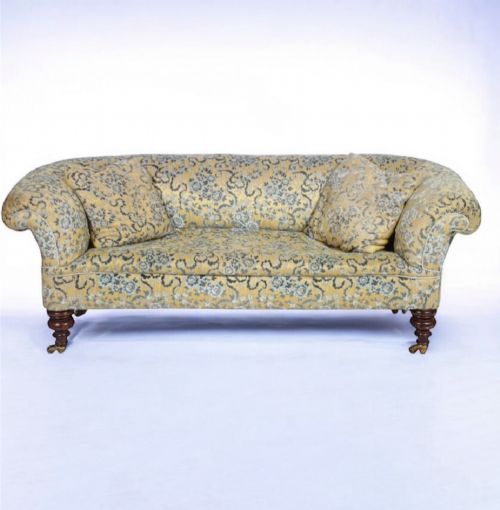
Upholstery materials on seating include fabric, velvet, and specialised upholstery fabric supported by internal padding. Secondary details involve delicate cross-banding and inlay work to accentuate drawer fronts and tabletops.
Traditional English Mahogany Furniture Retail Price Guide 2026
Typical asking prices for traditional english mahogany furniture among the pieces listed under this phrase on Sellingantiques today, from the lower quarter to the upper quarter. They describe what is for sale here now, not the wider market.
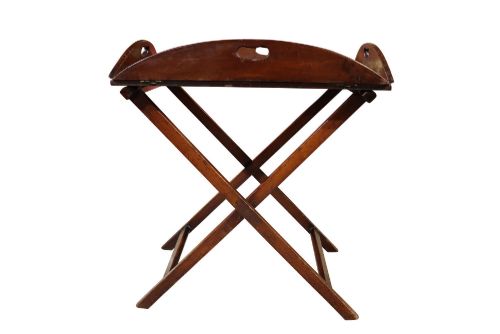
The inventory highlights specialised storage forms like butler trays, kettle stands, spider tables, and Davenport desks.
Judging the Standard
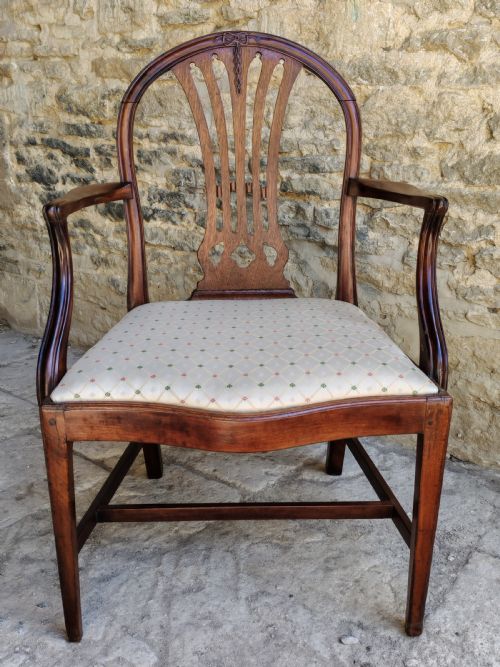
The standard of a piece depends heavily on the selection of timber grain, particularly where flame mahogany veneer creates decorative movement on drawer fronts. Crispness in carved details, such as chair splats and bracket feet, distinguishes superior workshop output from simpler production.
Construction integrity determines longevity, visible in the precision of dovetail joints on drawers and the structural stability of dining chair frames. Original brass hardware and well-preserved secondary timbers elevate the standing of a desk or chest.
Maple and Co·Holland and Sons·Jas Shoolbred
The Traditional English Mahogany Furniture Glossary
- Mahogany
- A durable tropical hardwood imported into Britain, valued for its rich colour and resistance to warping. It forms the primary structural and visual basis for these antiques.
- Cross-banding
- A decorative border technique where thin strips of veneer are laid perpendicular to the surrounding grain. This frames tabletops and drawer fronts with contrasting lines.
- Dovetail
- A traditional interlocking joint used in drawer construction. Its interlocking wedge shape provides immense strength without requiring modern metal fasteners.
- Lowboy
- A small, low dressing table or side table featuring one or more rows of drawers. These versatile pieces date predominantly from the eighteenth century.
- Bureau Bookcase
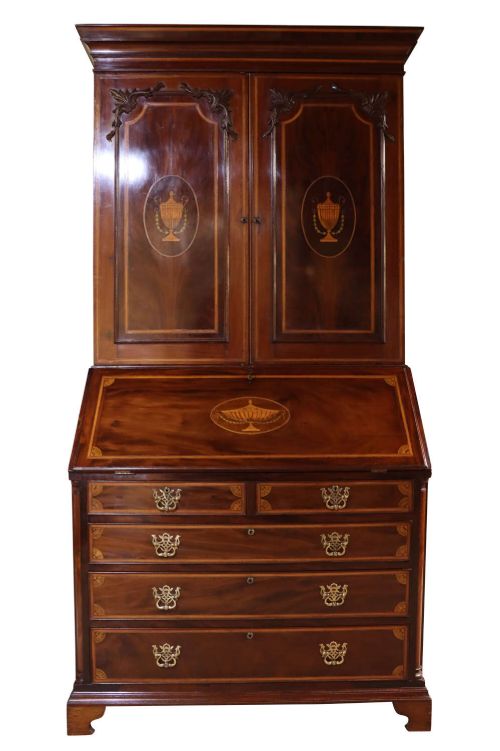
- A combined writing desk and shelving unit featuring a sloping fall-front flap. The upper cabinet securely houses books behind wooden or glass doors.
Traditional English Mahogany Furniture: Frequently Asked Questions
How do I date a mahogany chest of drawers?
Dating relies on examining construction methods, drawer linings, and hardware styles across different periods. Eighteenth-century examples often feature hand-cut dovetails and oak linings, whereas Victorian pieces show machine-sawn elements.
Secondary woods and overall proportions also shift from Georgian elegance to later nineteenth-century scale. Comparing handle backplates and key escutcheons against known design trends helps narrow the manufacturing decade.
Are these dining chairs sturdy enough for daily use?
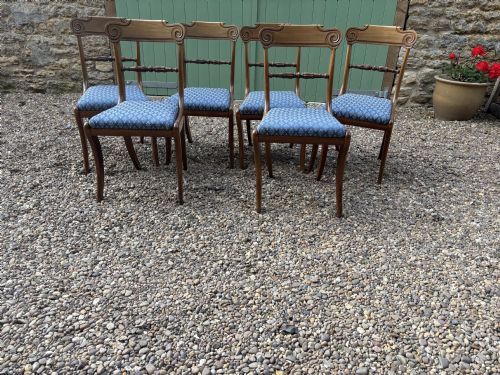
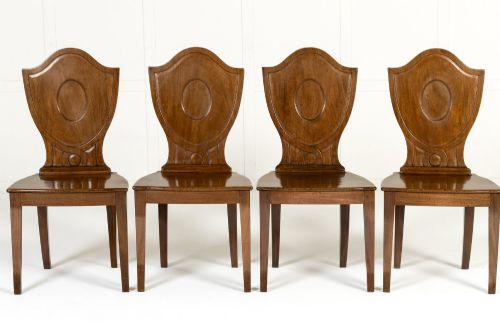
Most antique dining chairs retain robust structural integrity if their frames have not suffered excessive moisture damage. Traditional joinery methods distribute weight effectively across the mahogany rails and legs.
Regular checks on loose joints prevent minor movement from turning into structural failure. Periodic professional tightening keeps these older chairs suitable for regular seating.
What is a bachelor chest?
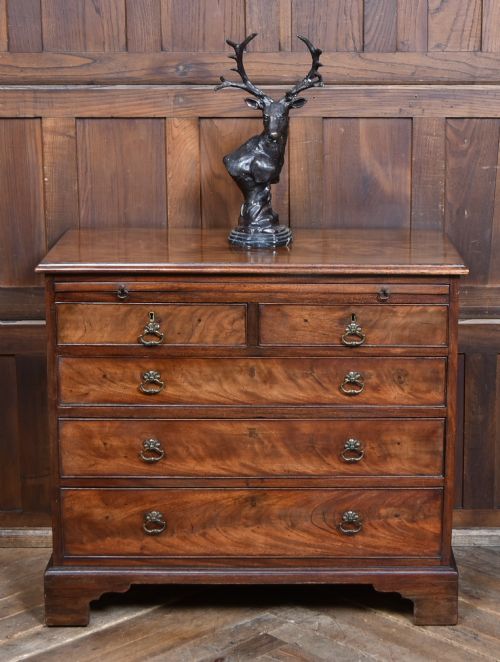
A bachelor chest is a compact chest of drawers featuring a pull-out brushing slide above the main drawers. Eighteenth-century gentlemen utilised this slide for writing or sorting correspondence without unpacking the primary storage.
These versatile pieces served functional roles in bedrooms and dressing rooms alike. Their smaller proportions make them particularly adaptable for modern interior spaces.
How should I care for mahogany furniture?
Maintaining mahogany requires consistent indoor humidity and protection from direct sunlight to prevent timber splitting and fading. Applying traditional beeswax feeds the grain and preserves the depth of the finish.
Avoid using silicone-based polishes that build up residue on the surface over time. Gentle dusting with a soft cloth keeps the timber clean without harming the antique polish.