

Traditional English Furniture
Traditional English furniture brings enduring character to a room through time-tested materials and classic forms built to last.
Traditional English Furniture
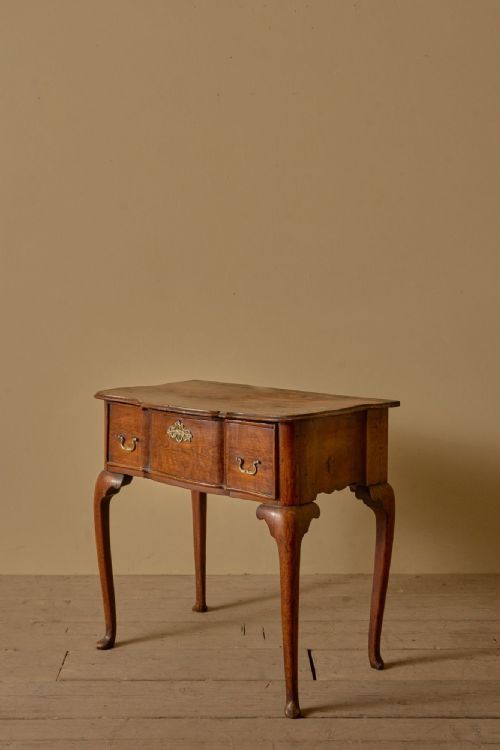
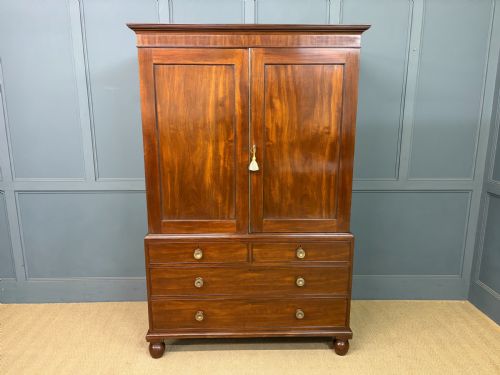
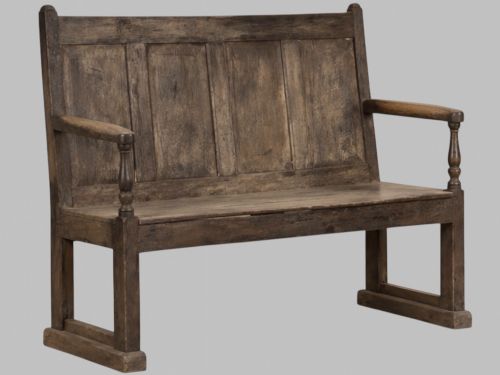
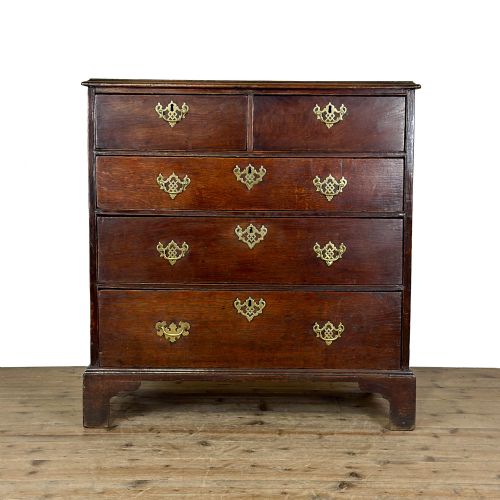
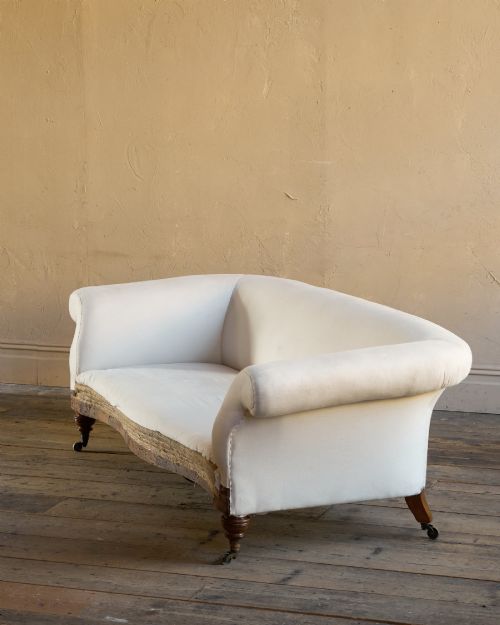
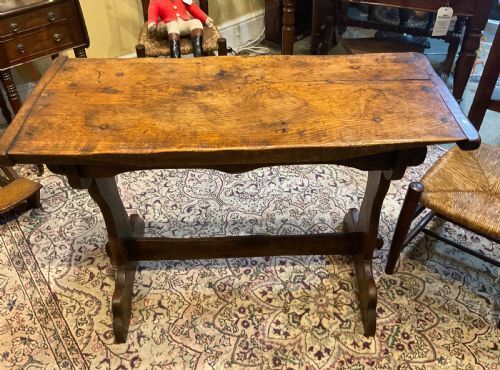
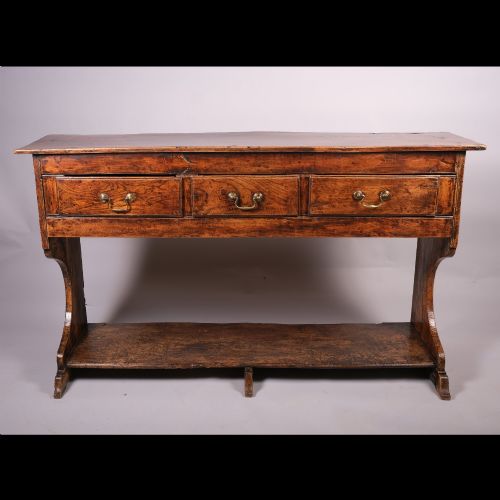
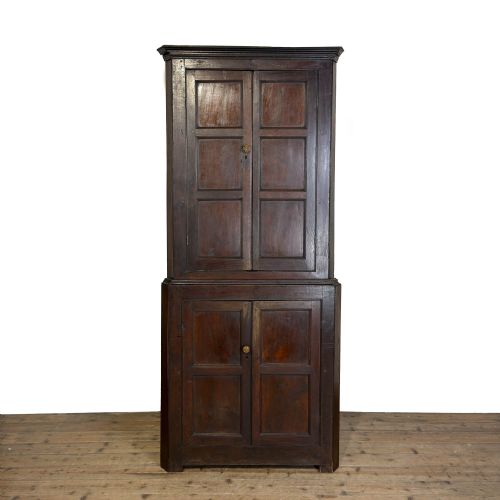
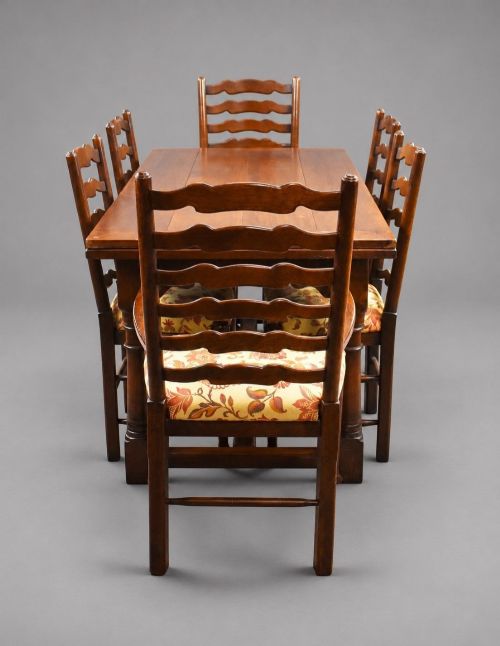
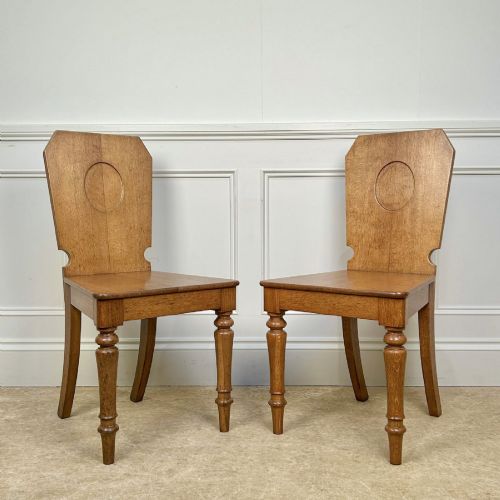
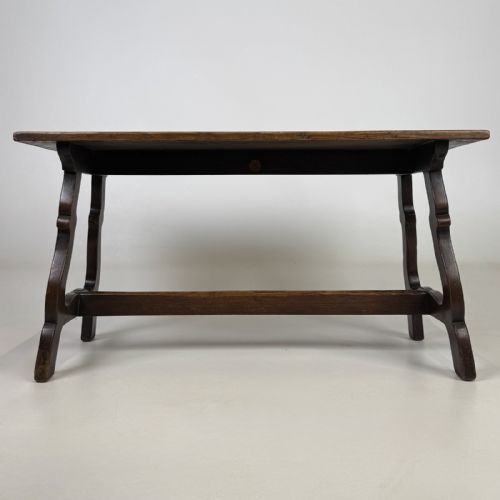
Traditional English furniture encompasses a rich variety of historic forms designed for practical domestic use, ranging from seating to storage. When exploring traditional English furniture, pieces span multiple eras including the Georgian, Victorian, and Edwardian periods.
Materials and Construction
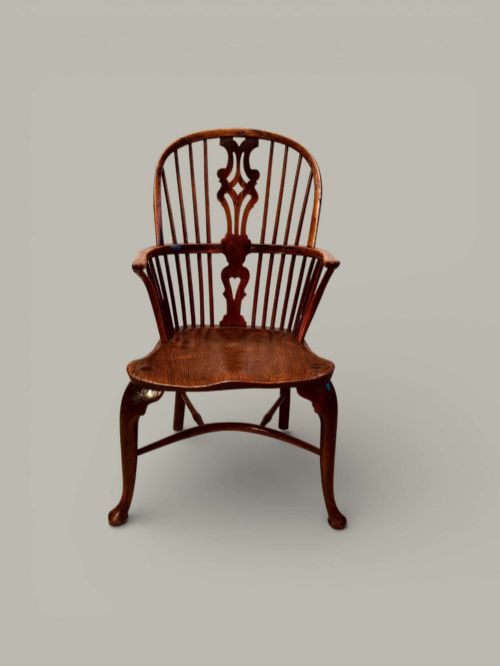
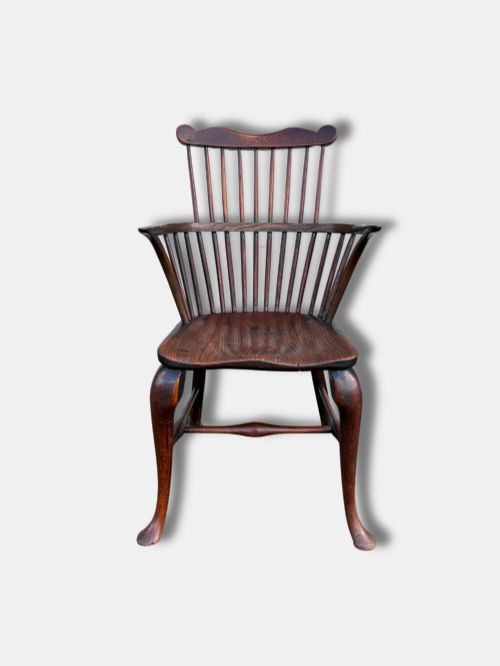
Makers relied on durable native timbers such as oak, mahogany, elm, and yew, often combining woods within a single piece for structural strength. Windsor chairs frequently pair yew or elm seats with ash or elm spindles.
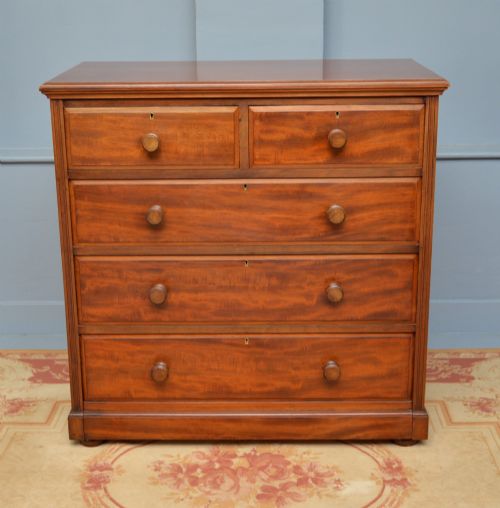
Joinery methods prioritized longevity, utilising solid timber construction, dovetail joints in drawer boxes, and turned components. Brass hardware and leather upholstery added functional refinement to desks and seating.
Traditional English Furniture Retail Price Guide 2026
Typical asking prices for traditional english furniture among the pieces listed under this phrase on Sellingantiques today, from the lower quarter to the upper quarter. They describe what is for sale here now, not the wider market.
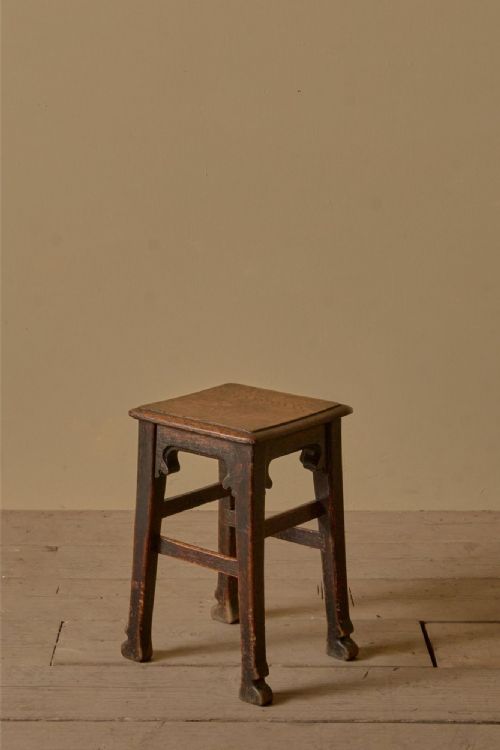
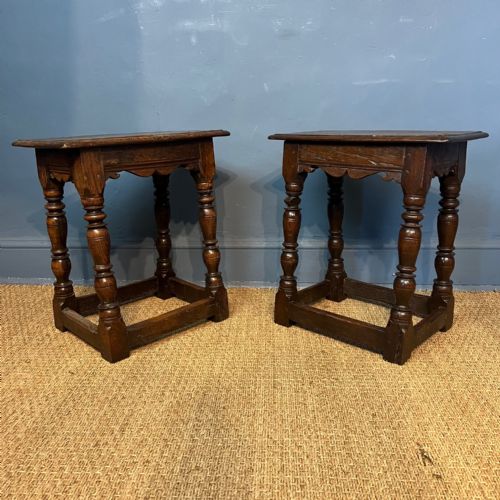
Pub and tavern stools from the nineteenth century carry the authentic polished seat-wear of countless resting patrons.
Judging Quality and Character
Quality rests in timber selection and the retention of an honest, aged surface. Pieces displaying rich natural grain and deep patination show superior depth of finish compared to altered or heavily stripped examples.
Proportion and structural integrity dictate the standing of a piece. Refined carving, well-chosen secondary woods, and balanced dimensions separate standard workshop output from exceptional examples.
G.T. Rackstraw·Gabbitass of Worksop·Holland and sons·Maple & Co
The Traditional English Furniture Glossary
- Windsor chair
- A wooden armchair featuring a solid sculpted wooden seat into which the legs and back spindles are wedged directly. These classic country seats often combine elm and yew.
- Chest-on-chest
- A tall storage unit formed of one chest stacked directly on top of a larger lower chest. This tall form maximises vertical storage space.
- Linenfold
- A style of carved wooden panelling that resembles folded fabric. It appears frequently on Tudor and Jacobean revival cupboards.
- Tester bed
- A bed featuring a wooden canopy or tester supported by posts. Early examples utilise solid oak frames.
Traditional English Furniture: Frequently Asked Questions
What defines traditional English furniture?
Traditional English furniture covers centuries of domestic pieces built from regional timbers like oak, mahogany, and elm. These items reflect distinct historical periods from Georgian elegance to Victorian utility.
Forms range from sturdy kitchen dressers and Windsor chairs to formal desks and chests of drawers. Each piece carries the functional design priorities of its era.
How do I identify different wood types?
Oak and mahogany appear widely in formal and vernacular pieces, distinguished by their weight and distinct grain patterns. Softer pine sees use in kitchen furniture.
Elm and yew feature heavily in country seating for their strength and flexibility. Walnut and ash appear in specific regional and period pieces.
How should I care for antique timber?
Antique timber benefits from stable indoor humidity away from direct heat sources and strong sunlight. Regular dusting with a dry cloth keeps the surface clean.
Occasional application of traditional beeswax helps nourish older wood finishes. Avoid modern silicone sprays that can damage historic patination.
Are these pieces suitable for daily use?
Historic furniture was built for practical domestic life and remains entirely functional today. Solid timber construction ensures sturdy support for regular seating and storage.
Simple consideration for weight and moisture helps preserve the structure. Living with these pieces connects modern interiors with centuries of craftsmanship.