
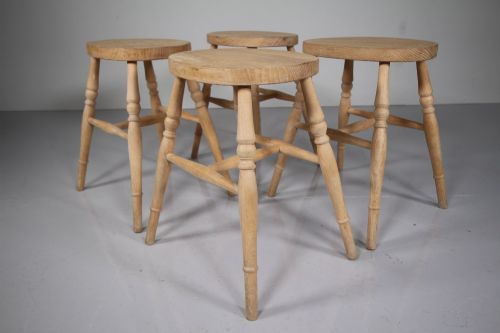
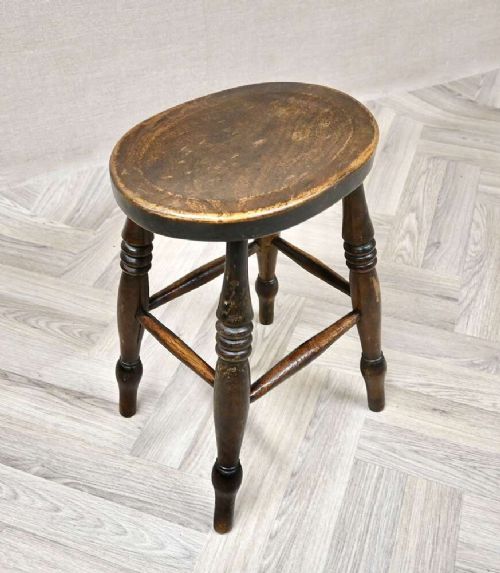
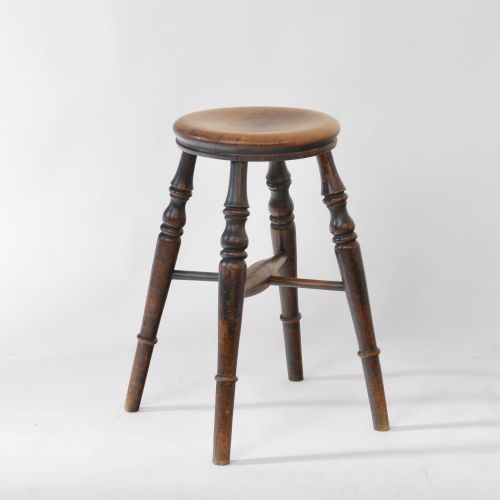
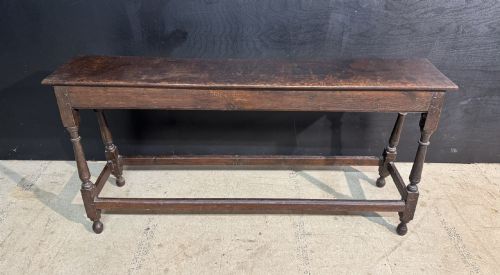




Traditional English Country Stool
These traditional english country stool examples are honest domestic seats built from local woods to serve practical purposes in period homes.
Traditional English Country Stool
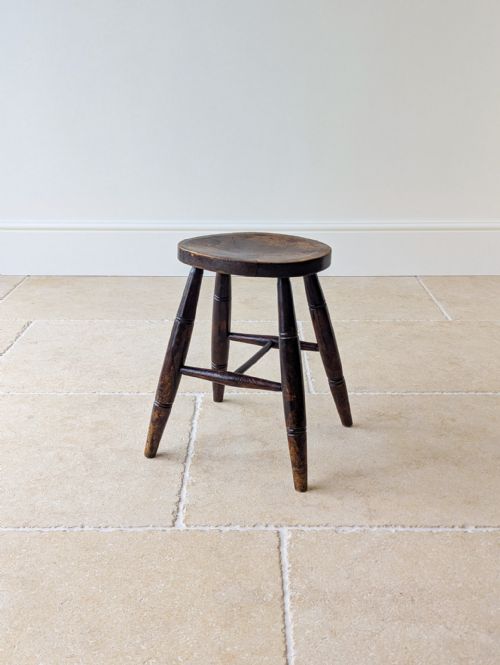
When you search for a traditional english country stool, you encounter robust seating ranging from early jointed forms to 19th-century Windsor and farmhouse designs. The pieces on this page span the 18th, 19th, and early 20th centuries, reflecting centuries of domestic utility.
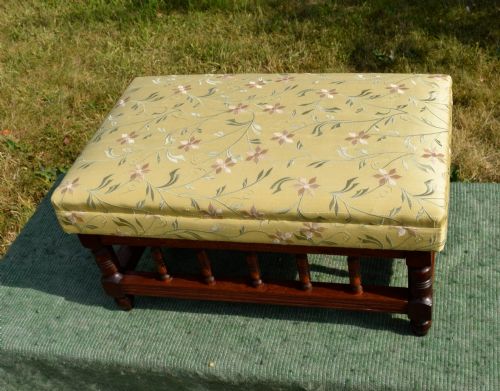
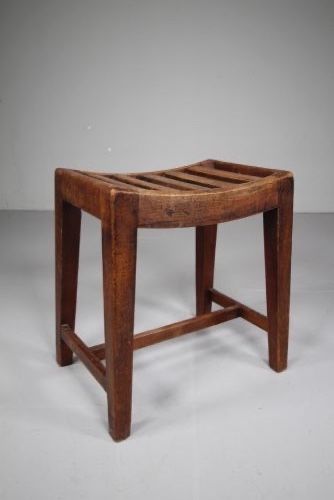
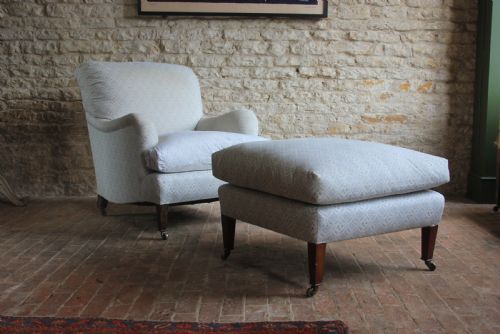
The most common version you will meet is the simple wooden stool, often constructed from elm, oak, or yew, alongside upholstered footstools and dining variants. These objects served utilitarian roles in farmhouses, pubs, and country houses alike.
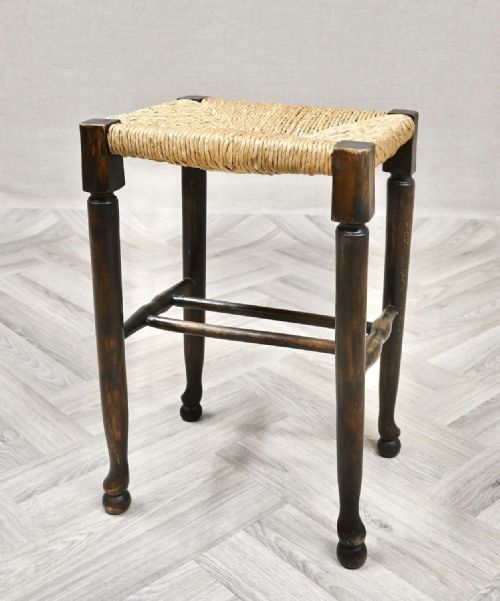
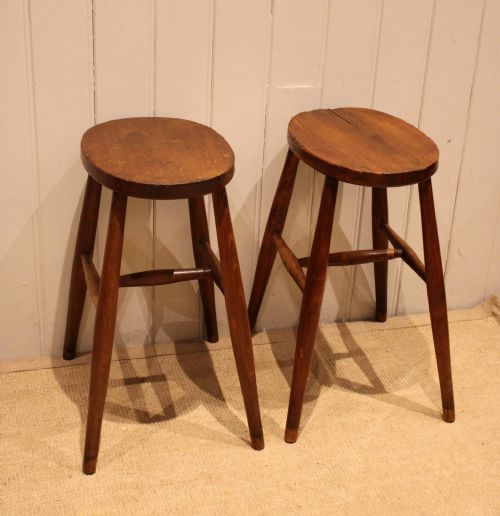
Makers utilised regional timber availability to shape everything from low side tables and joint benches to tall rush seat stools and library steps. Each piece carries the distinct structural marks of its era, from Georgian joint work to Edwardian upholstery.
How they were made
Joiners and country craftsmen built these pieces using solid timbers such as oak, elm, beech, sycamore, and mahogany, often combining contrasting woods for tops and underframes. Pegged construction and pegged joints provided the primary structural integrity for heavy use.
Turned legs, shaped seats, and Windsor spindle techniques required specialised lathe work and hand-shaping tools. Upholstered variants incorporated leather and fabric over sprung or stuffed foundations, sometimes finished with buttoning.
Surface treatments relied on natural finishing methods, leaving the grain exposed or patinated through generations of handling. Bleached finishes and waxed surfaces appear alongside traditional jointing methods.
What varies in quality
The distinction between ordinary utility items and superior examples lies in the selection of timber and the integrity of the original construction. Dense grain, well-matched wood selections, and untouched patination elevate a piece significantly.
Subtleties in turning, hand-shaped saddle seats, and sturdy pegged joints demonstrate the maker's skill and care. Pieces retaining their original structural members without excessive modern intervention command greater appreciation from collectors.
Howard & Sons
The Traditional English Country Stool Glossary
- Joint stool
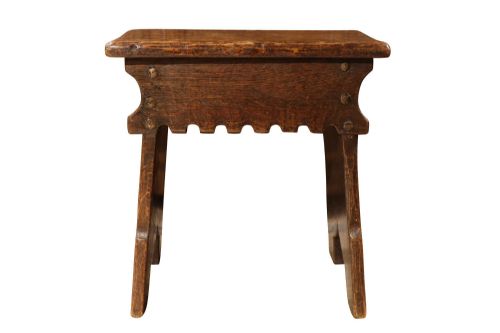
- An early form of wooden stool constructed with mortise and tenon joints secured by wooden pegs rather than glue. These sturdy seats date primarily from the 17th and 18th centuries.
- Windsor stool
- A seat featuring turned legs and spindles wedged directly into a thick, shaped wooden seat base. This technique derives from traditional Windsor chair making.
- Joint bench
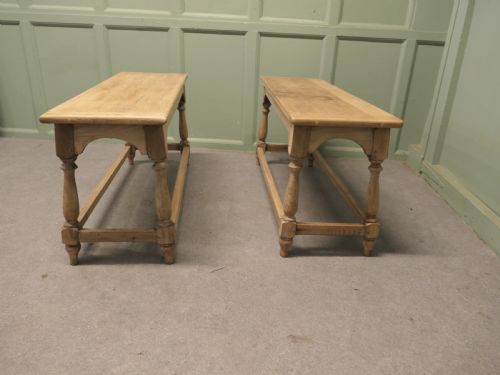
- A longer form of joint stool designed to seat multiple people, utilising the same pegged framework and solid timber construction. They frequently appear in oak.
- Rush seat
- A seating surface woven from dried marsh rushes, twisted into cords and patterned tightly across a wooden frame. This technique provides a resilient and traditional platform.
- Pegged construction
- A method of joining wooden elements by drilling through overlapping joints and driving a tight wooden pin through the hole. It avoids metal fasteners.
- Patina
- The deep, lustrous surface sheen developed on wood and leather over decades of use, cleaning, and exposure to light. It serves as an indicator of age.
Traditional English Country Stool: Frequently Asked Questions
How do I date a wooden country stool?
Dating relies on observing construction methods, tool marks, and timber choice. Earlier pieces from the 18th century often feature hand- cleft wood and pegged joints, whereas later 19th-century examples show more uniform lathe work and commercial fixings.
Secondary indicators include the wear patterns around the feet and the depth of the patina on the seat surface. Comparing the timber species to known regional traditions also helps narrow down the period of manufacture.
Were these stools used in the kitchen?
Many sturdy wooden stools served multipurpose roles in domestic kitchens, dairies, and farmhouses where durable seating was essential. Their compact size allowed them to be tucked beneath tables or moved easily near hearths.
Pubs and taverns also utilised simpler wooden forms like sycamore tavern stools for daily customer seating. Their low maintenance made them ideal for high-traffic environments.
How do I maintain an antique leather footstool?
Leather upholstery requires gentle cleaning using specialised saddle soap or mild damp cloths to prevent the hide from drying out. Applying a neutral leather wax periodically helps preserve the flexibility of the material.
Keep upholstered pieces away from direct heat sources and strong sunlight to avoid fading and cracking. Gentle dusting prevents abrasive particles from wearing into the grain.
What is the difference between a joint stool and a Windsor stool?
A joint stool is characterised by a rectangular top and straight, joined legs connected by stretchers using pegged mortise and tenon joints. It follows the architectural framing methods of earlier cabinet makers.
A Windsor stool utilises a solid, often saddled wooden seat into which independent turned legs and spindles are inserted from below. This design relies on the wedge principle for leg stability.
Can I use an antique stool as a daily seat?
Solid oak, elm, and ash stools possess immense structural strength and tolerate regular daily use when joints remain tight. Checking the stability of the legs ensures safe everyday seating.
Lighter or more decorative upholstered variants benefit from moderate use to preserve delicate antique fabrics and interior stuffing. Selecting pieces suited for their intended weight capacity ensures longevity.